
Architecture is the art form you walk through. Unlike painting or sculpture — which you stand before at a respectful distance and assess — architecture surrounds you, changes as you move through it, and reveals itself differently at different times of day, in different weather, approached from different angles. The traveler who treats a building the way most tourists treat it — photograph the exterior and move on — misses the essential experience. The traveler who goes inside, sits in it, walks its perimeter, returns at a different light — discovers something genuinely different.
At TrotRadar, the best destinations for architecture lovers list is organized around this principle: not just cities with famous buildings but cities where the architecture rewards genuine engagement rather than a photograph and a tick. Every destination here offers something that no photograph prepared you for — and that rewards the traveler who allocates more time than the standard circuit suggests.
TrotRadar Tip: The finest architecture travel experience is almost always enhanced by context — understanding who built something, why, what they were trying to achieve, and what they knew how to do. Budget one hour of reading or listening per major building before arrival. The building transforms from impressive to extraordinary when you understand what you’re looking at. Browse TrotRadar’s architecture travel packages — we feature guided tours with architectural specialists in several of the destinations covered here.
Isfahan, Iran: A Masterpiece of Islamic Architecture
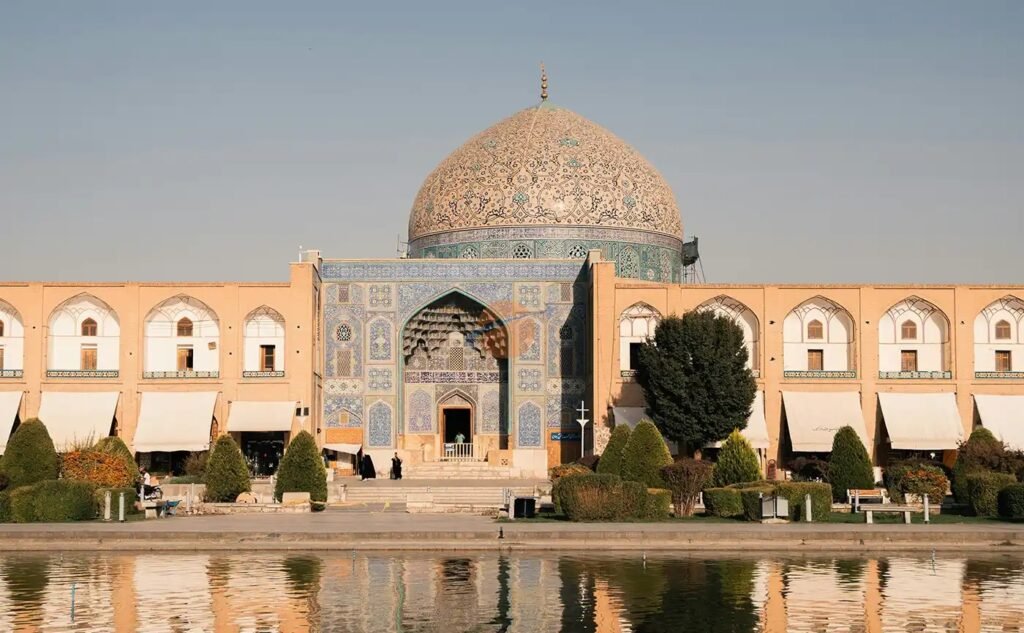
TrotRadar places Isfahan at the top of this list without reservation — it is, in our editorial assessment, the single finest architectural destination accessible to travelers anywhere in the world. The Naqsh-e Jahan Square (Imam Square), the Imam Mosque, the Sheikh Lotfollah Mosque, and the Ali Qapu Palace collectively constitute an ensemble of Safavid imperial architecture from the early 17th century that has no equal in the Islamic world and very few equals anywhere.
The specific architectural achievement of Isfahan is the tilework — the Imam Mosque’s interior dome uses a muqarnas (honeycomb cell) geometric pattern that achieves visual complexity through structural repetition at a level that requires multiple visits to begin to comprehend. The Sheikh Lotfollah Mosque’s dome changes color from cream to pink to amber as the light angle changes through the day.
Full Isfahan context in TrotRadar’s Iran travel guide — which covers the visa reality, costs, and Yazd and Shiraz alongside Isfahan.
TrotRadar architecture rating: ★★★★★
Istanbul, Turkey: Three Civilizations, One City
Istanbul is the city where three architectural traditions — Byzantine, Ottoman, and contemporary — coexist with a density and accessibility that makes it among the richest architectural destinations on earth.
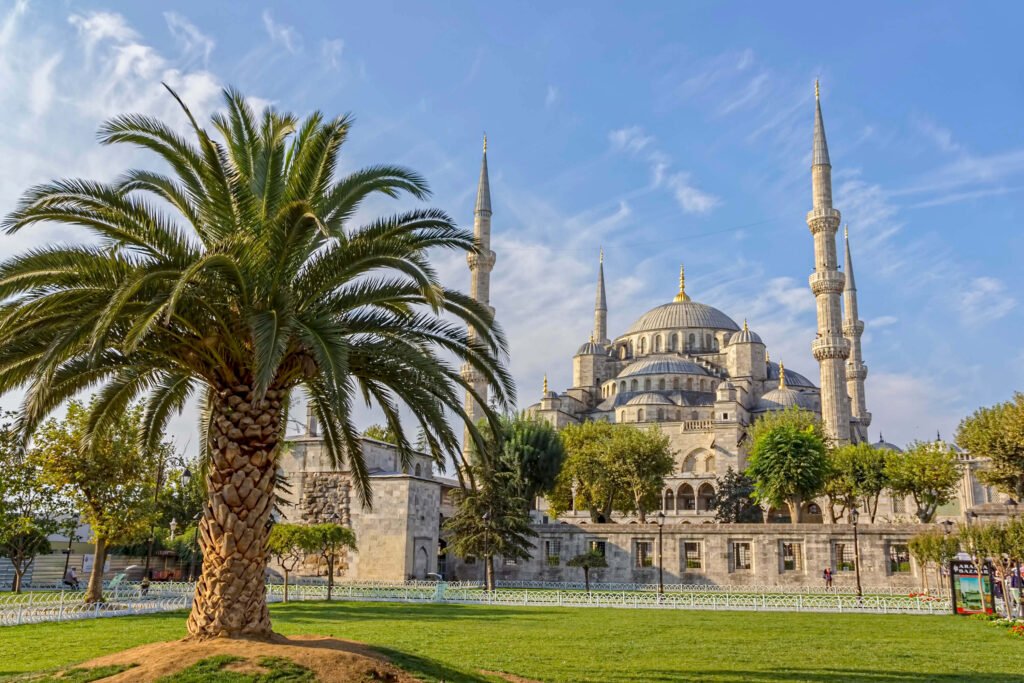
The Hagia Sophia — completed in 537 CE, the largest cathedral in the world for nearly a thousand years, converted to a mosque in 1453, secularized in 1934, and converted back to a mosque in 2020 — is the most layered single building TrotRadar recommends anywhere. Its dome (56 metres high, 31 metres in diameter) achieves a sense of weightless suspension through a ring of windows at the base that floods the interior with light in a way that Byzantine engineers designed to suggest the divine.
The Süleymaniye Mosque — built by the Ottoman master architect Sinan in 1558 — is TrotRadar’s recommendation for the finest experience of Ottoman mosque architecture: less visited than the Blue Mosque, architecturally superior, and set on a hill with views over the Golden Horn.
Full Istanbul architecture context in TrotRadar’s Turkey beyond Istanbul guide — which covers Cappadocia, Ephesus, and Pamukkale alongside the capital.
TrotRadar architecture rating: ★★★★★
Kyoto, Japan: The Craft of Space
Kyoto makes TrotRadar’s architecture list for reasons that distinguish it from every other city here: the Japanese architectural tradition achieves its effects through proportion, material, and the designed relationship between a building and its garden, rather than through the scale, tilework, or ornamentation that characterise the other destinations in this guide.
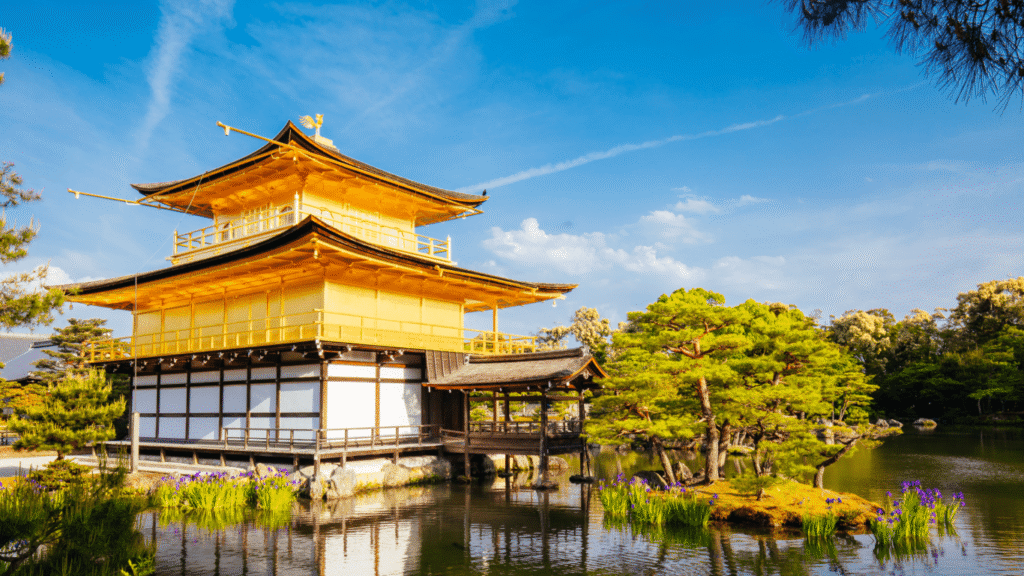
The Kinkaku-ji (Golden Pavilion) — technically brilliant, universally photographed, and worth visiting once for the specific quality of gold leaf reflected in a garden pond. But TrotRadar’s architecture recommendation in Kyoto is elsewhere: the Ryoan-ji rock garden (15 stones in a raked gravel field, the arrangement studied by architects and philosophers for 500 years without consensus on its meaning) and the Katsura Imperial Villa (a masterwork of the Japanese residential tradition, requiring advance permission to visit — worth the bureaucracy for serious architecture travelers).
Full Kyoto context in TrotRadar’s Kyoto beyond temples guide.
TrotRadar architecture rating: ★★★★★
Barcelona: Gaudí and the Catalan Modernisme Tradition
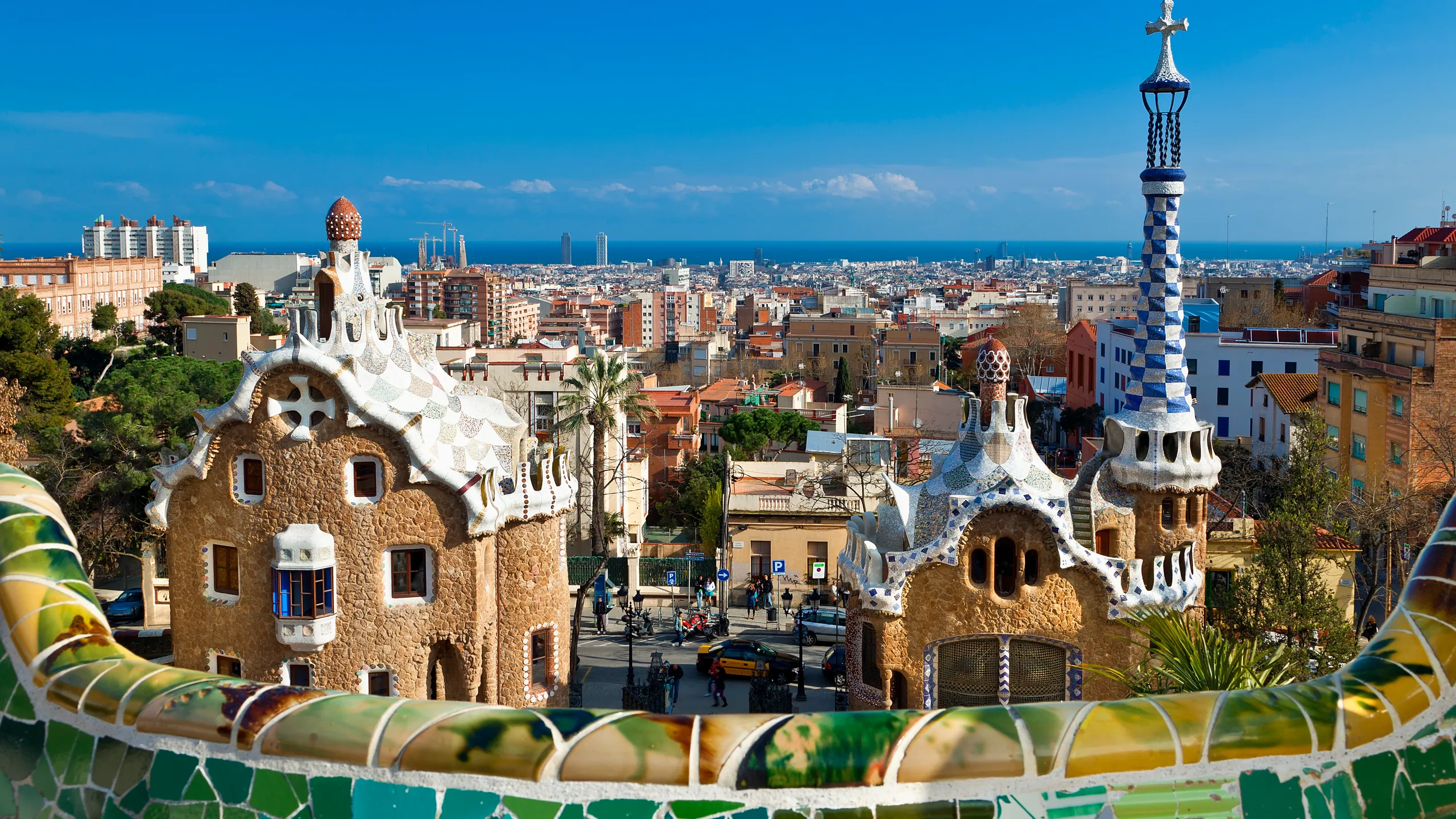
Barcelona appears on every architecture list and earns its place specifically for the interior of the Sagrada Família — which most travelers who’ve seen the exterior a hundred times in photographs still haven’t mentally prepared for. The branching columns (designed to replicate a natural woodland, distributing structural loads the way trees distribute the weight of their canopies), the stained glass designed to flood different sections of the nave with different colored light at different times of day, and the specific quality of being inside a building still under construction 140 years after it began — all produce an experience that TrotRadar rates as genuinely unlike any other building on earth.
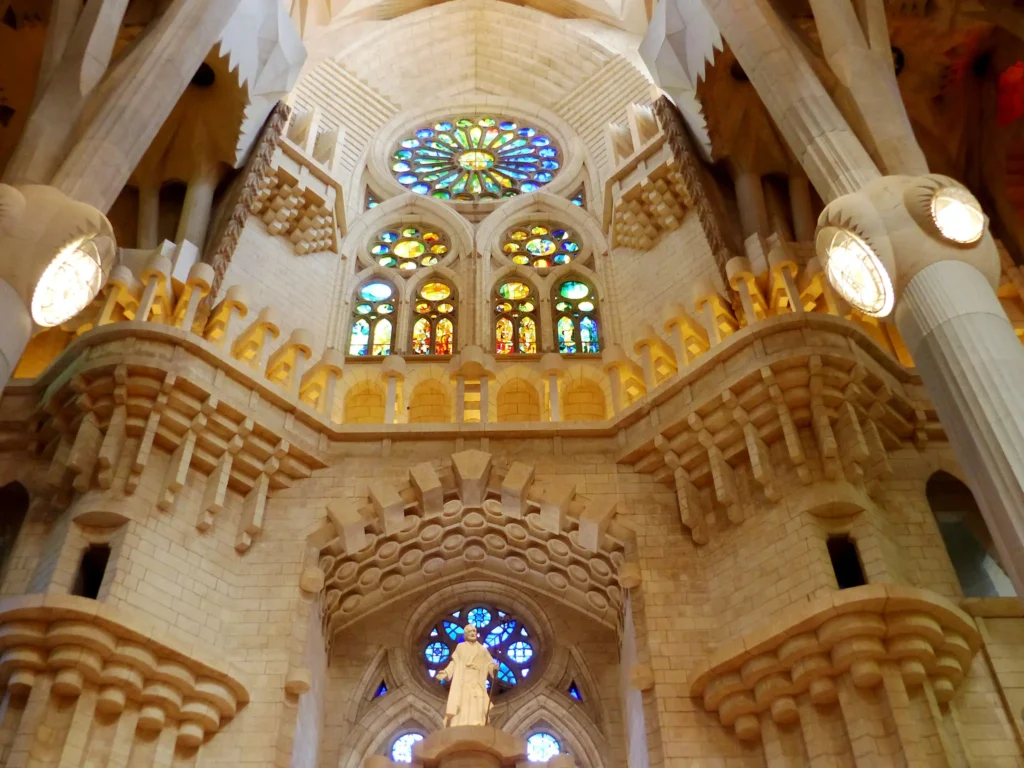
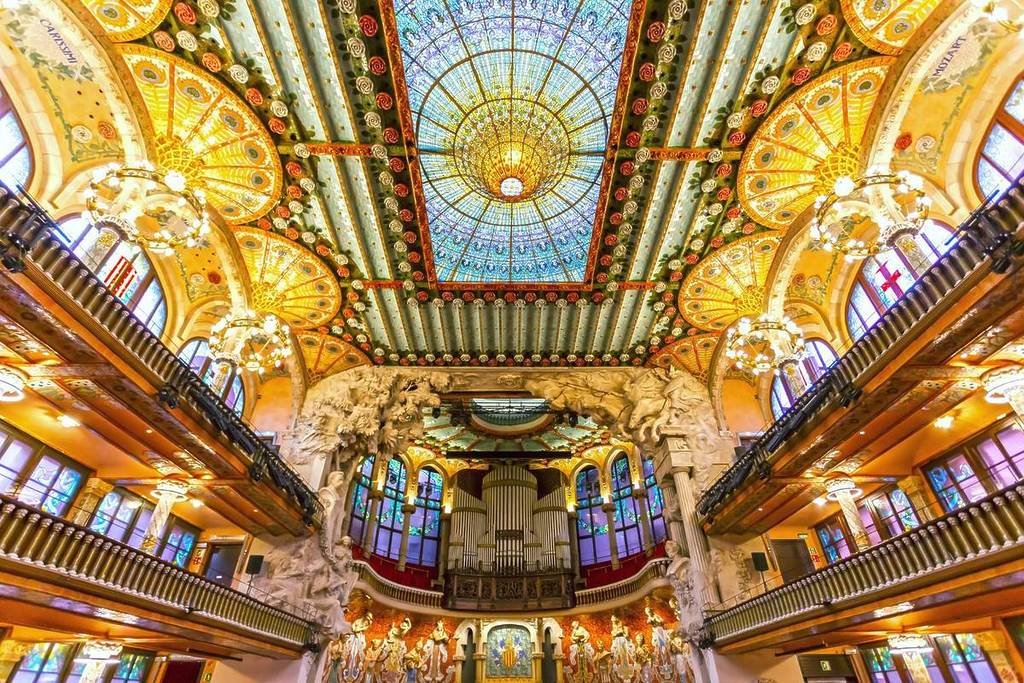
The broader Catalan Modernisme context — the Palau de la Música Catalana (Domènech i Montaner’s concert hall interior, with its stained glass skylight, is arguably more extraordinary than the Sagrada Família’s exterior), the Hospital de Sant Pau (the same architect’s art nouveau hospital campus, a UNESCO site), and Casa Batlló (Gaudí’s residential building with the dragon-back roof, whose interior tour is extraordinary but expensive at €35) — makes Barcelona the finest concentration of a single architectural movement accessible in a single city anywhere in Europe.
TrotRadar architecture rating: ★★★★★
Chicago: Where the Modern Skyscraper Was Born
For modernist and structural architecture, Chicago is the global reference point — the city where the steel-frame skyscraper was invented in 1885 and where the concentrated architectural history of the following 90 years (from Louis Sullivan to Mies van der Rohe) is accessible in a single downtown area.
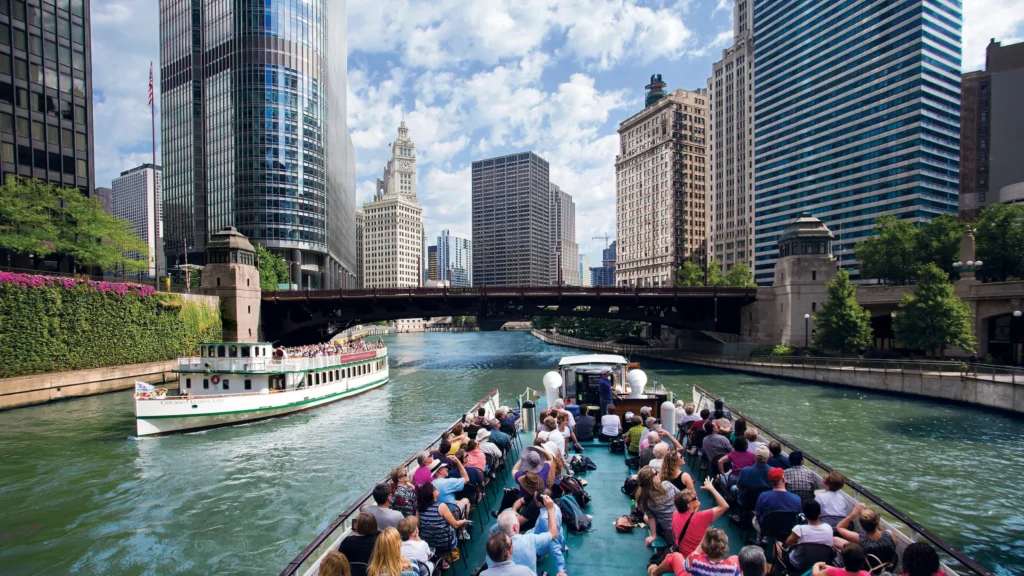
The Chicago Architecture Foundation River Boat Tour — a 90-minute narrated cruise on the Chicago River through the canyon of the downtown buildings — is, in TrotRadar’s assessment, the finest single guided architecture experience available to a traveler anywhere in the world. The quality of the guides, the specificity of the information, and the river perspective on buildings otherwise seen only from street level produce an architectural education in 90 minutes that a week of self-guided walking can’t replicate. Cost: approximately $45–55 USD; worth every cent.
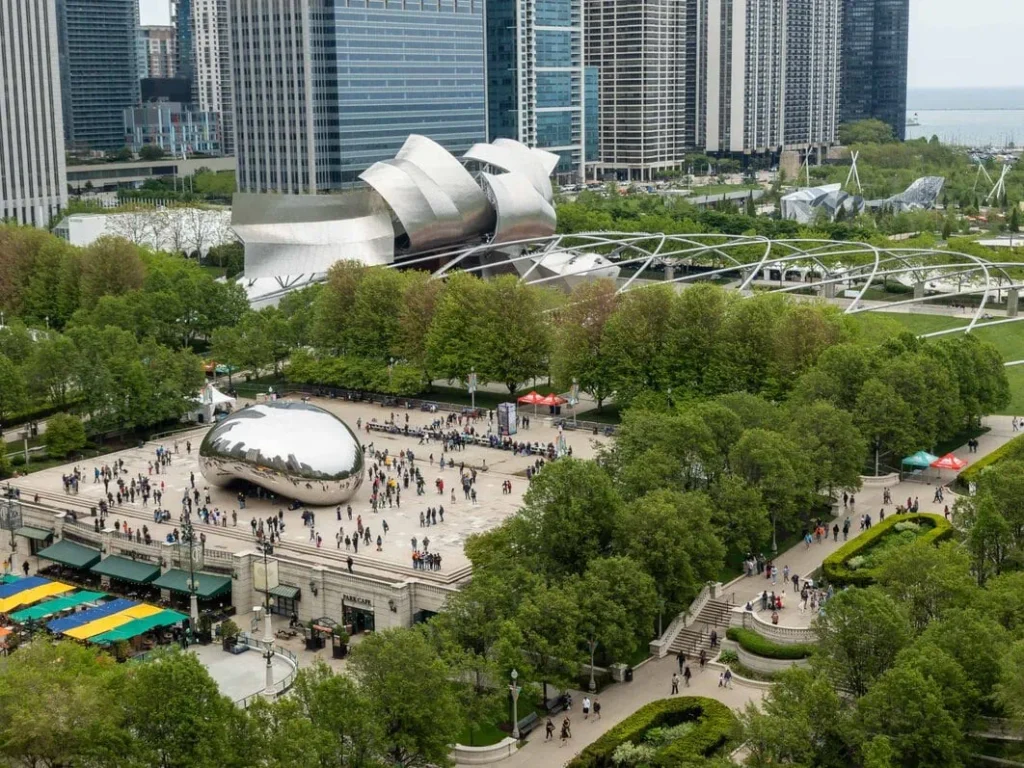
The Millennium Park free architecture circuit — the Cloud Gate sculpture (“the Bean”), the Frank Gehry-designed outdoor performance shell, and the Crown Fountain — provides a contemporary architectural experience that complements the historical density of the downtown skyscraper district.
TrotRadar architecture rating: ★★★★★
Valletta, Malta: Baroque Concentration in Europe’s Smallest Capital
Valletta — the capital of Malta, European Capital of Culture 2018, and a UNESCO World Heritage city of extraordinary concentration — is the architecture destination most consistently underestimated by travelers who have not been there. A city of 6,000 permanent residents within the walls, built from scratch from 1566 by the Knights of St John as a purpose-built military and administrative capital, it constitutes the finest surviving example of Renaissance city planning in the Mediterranean.
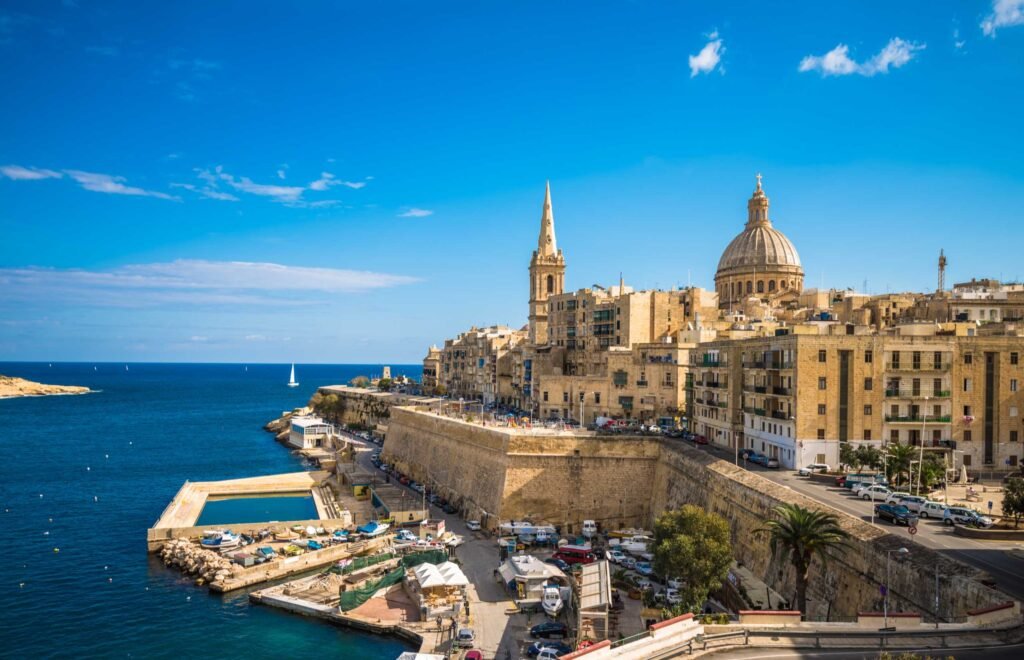
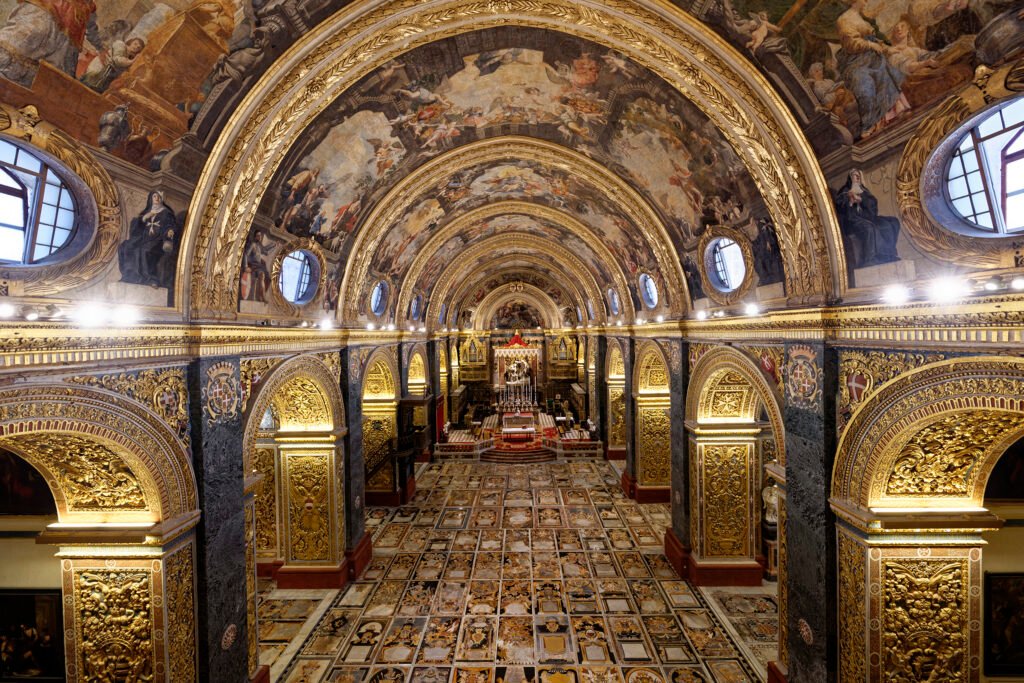
The St John’s Co-Cathedral — exterior Baroque severity concealing an interior of extraordinary richness (each of the eight langues of the Knights has its own chapel decorated in competing extravagance), including Caravaggio’s largest painting and arguably his finest (The Beheading of Saint John) occupying an entire side chapel — is TrotRadar’s most recommended single interior in the entire Mediterranean. Entry: approximately €15; the Caravaggio alone justifies it.
For the full Malta context including Gozo, read TrotRadar’s underrated Mediterranean islands guide.
TrotRadar architecture rating: ★★★★★
More Destinations for Architecture Lovers
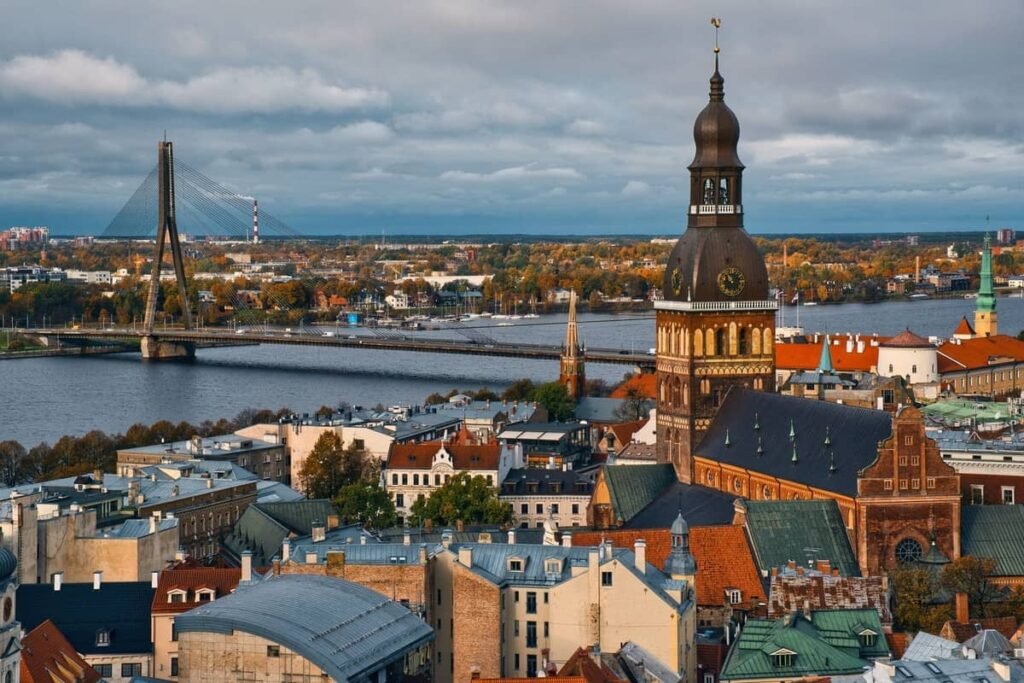
Riga, Latvia — The largest collection of Art Nouveau buildings in the world outside Paris: 800 buildings in a specific Latvian national romantic style that synthesises German Jugendstil with Baltic folk motifs. The Alberta Street walking circuit (approximately 1 hour) delivers the finest concentration. TrotRadar considers it the most overlooked European architecture destination. Daily budget: €50–80.
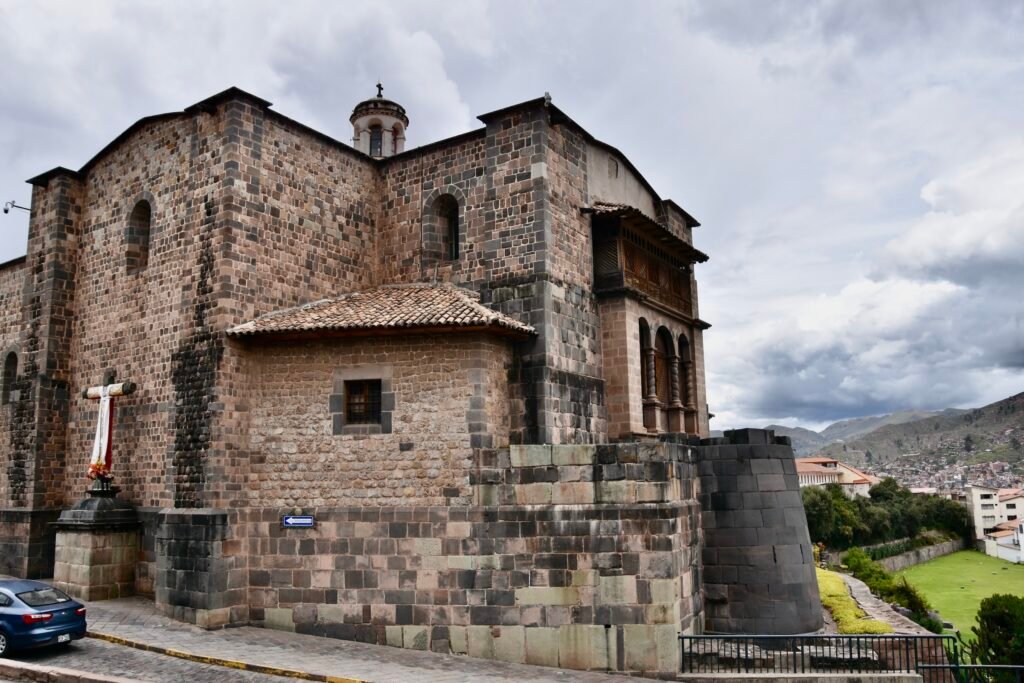
Cusco, Peru — The specific achievement of Inca stone construction — massive blocks fitted without mortar to tolerances that earthquake-proof the structure better than subsequent colonial additions — visible in the surviving walls of the Coricancha temple alongside Spanish Baroque churches built on Inca foundations. A specific architectural layering available nowhere else. Full Peru context: TrotRadar’s Peru beyond Machu Picchu guide.
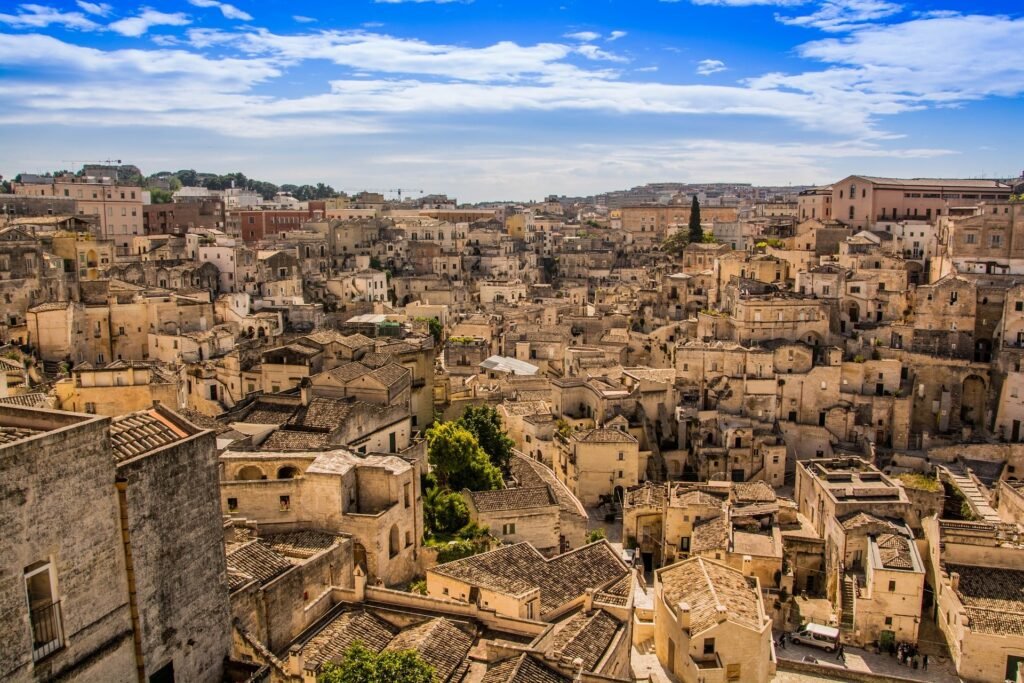
Matera, Italy — The cave city covered in TrotRadar’s Eastern Europe hidden gems guide: 9,000 years of continuous habitation visible in a limestone ravine, the sassi dwellings constituting one of the world’s oldest human landscapes. Not a building style but a way of inhabiting stone that belongs to no architectural tradition except its own.
Architecture Travel Tips: How to Experience Each City
Five principles TrotRadar applies to architecture travel that produce better experiences:
- Go inside. The exterior is the advertisement; the interior is the building. Every destination in this guide has interiors that dramatically exceed the exterior photograph.
- Return at different times. The Imam Mosque at dawn has no tourists; the Sheikh Lotfollah at midday light is extraordinary; the Hagia Sophia at evening prayer is specific. These are different buildings at different times.
- Learn the engineering. Understanding how a dome stays up, how a muqarnas distributes load, how a Gothic flying buttress transfers thrust — transforms an aesthetic experience into a conceptual one.
- Resist the photograph urge for the first ten minutes. Walk the building first. The photograph will improve after you understand what you’re seeing.
- Budget for entry fees as fixed trip costs. The finest architecture experiences in this guide charge entry — TrotRadar considers these the highest-value paid activities in travel.
Which Architecture Destination Should You Visit First?
The best destinations for architecture lovers list begins in Isfahan and ends in whichever city you haven’t visited yet from this guide. Each one contains something that photographs have tried for decades to capture and haven’t — the specific quality of light on Isfahan’s tilework, the scale of Hagia Sophia’s dome in person, the forest effect of the Sagrada Família’s columns. These are not things to photograph. They are things to stand inside.
Find Your Architecture Travel Deal
TrotRadar features guided architecture tours in Istanbul, Barcelona, and Chicago, Iran Silk Road heritage packages, and Valletta boutique hotel combinations — designed for travelers who want context alongside access. Browse TrotRadar’s architecture travel offers →