If you search for Kyoto travel guide beyond templesand find a list that reads Kinkaku-ji, Arashiyama, Gion, Fushimi Inari, Philosopher’s Path — you’ve found the correct list, and also the list that roughly 55 million annual visitors to Japan also have on their phones. These are genuinely extraordinary places. Fushimi Inari at dawn, before the crowds arrive, is one of the most memorable experiences in Japan. But Kyoto is not only its greatest hits, and the visitors who leave feeling like they’ve actually understood the city are almost always the ones who spent time in the parts of it that weren’t trying to be visited.
At TrotRadar, we’ve been writing about Japan long enough to know that the Kyoto most travelers experience and the Kyoto that exists are two overlapping but distinct places. This Kyoto travel guide beyond temples is for travelers who’ve either already done the standard circuit or who want to build their first trip around a fuller, less crowded, more genuinely Japanese version of the city.
TrotRadar Tip: Kyoto’s biggest crowds problem is timing, not destination. Most major sites open at 7:00–7:30 AM. The first 90 minutes have approximately 10% of the day’s visitors. Fushimi Inari is open 24 hours — arriving at 6:00 AM gives you the lower gates in near-solitude. Browse TrotRadar’s Japan travel deals — we feature rail passes and Kyoto accommodation packages that make the logistics straightforward.
Kyoto Crowds and Timing: How to Actually Solve It
Kyoto receives somewhere in the range of 50 million visitors annually — a number that strains even its considerable capacity for absorbing tourism with grace. The result is that the main sites during peak periods (cherry blossom season in late March/early April, autumn foliage in mid-November, Golden Week in late April/early May, and summer weekends) have crowd densities that can make the experience feel closer to theme park than ancient capital.
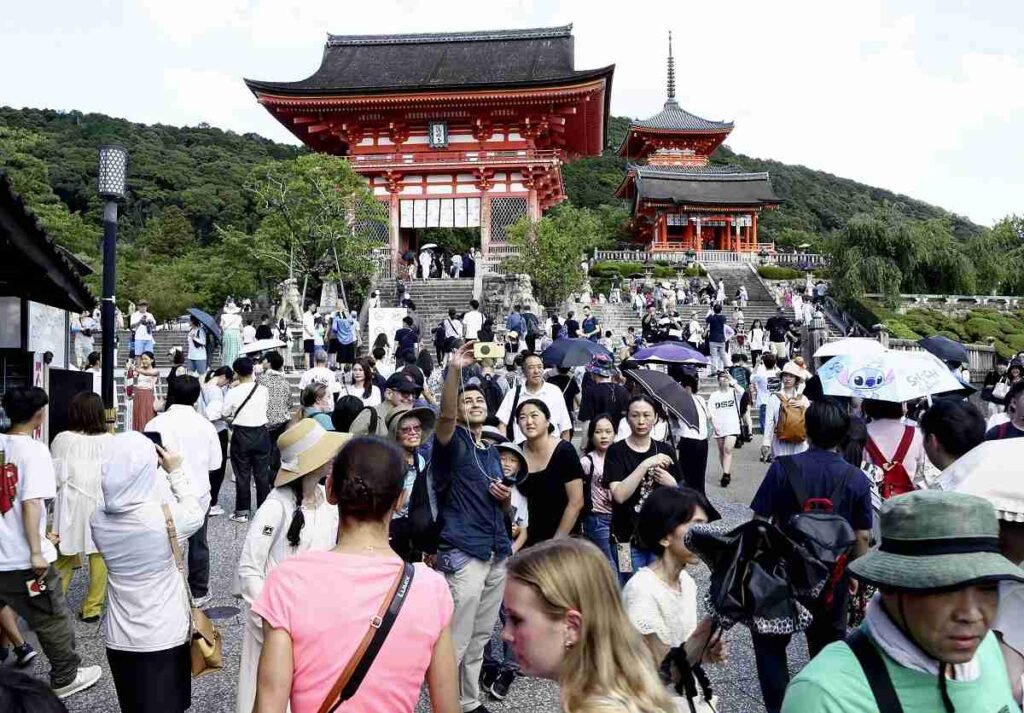
The TrotRadar solutions are structural rather than about finding secret locations:
- Go early. Most of Kyoto’s major sites open at 7:00 or 7:30 AM. The hour between opening and 8:30 AM contains approximately 10% of the day’s visitors.
- Go on weekdays. Domestic Japanese tourism fills Kyoto’s sites on weekends year-round. Tuesday through Thursday is measurably less crowded.
- Avoid the three peak periods if possible. The cherry blossom and autumn foliage seasons are extraordinary but require genuine acceptance that crowds are part of the experience — or choosing one key early-morning site and organizing the rest of the trip around non-peak timing.
For the broader Japan first-timer context including how Kyoto fits into a wider circuit, read TrotRadar’s first time in Asia travel guide, which covers Tokyo, Osaka, and Kyoto together.
Kyoto Neighborhoods Beyond the Usual Highlights
Nishiki district (beyond the market): The famous Nishiki Market draws everyone; the surrounding streets of the Nakagyo ward do not. This is Kyoto’s commercial and residential center — department stores, old family workshops, coffee shops in renovated machiya (traditional townhouses), and the particular quiet of streets that function for the city rather than for its visitors.
Fushimi, in southern Kyoto, is known for the Inari shrine but contains far more than that — the Fushimi sake district is one of Japan’s most important sake brewing areas, using water from the same underground springs that feed the shrine complex. Walking the canal streets between old sake brewery walls (kura) is one of the more atmospheric half-days available in the broader Kyoto area, and the breweries that offer tastings provide context for understanding Japanese sake culture beyond the bottle-on-a-shelf level.
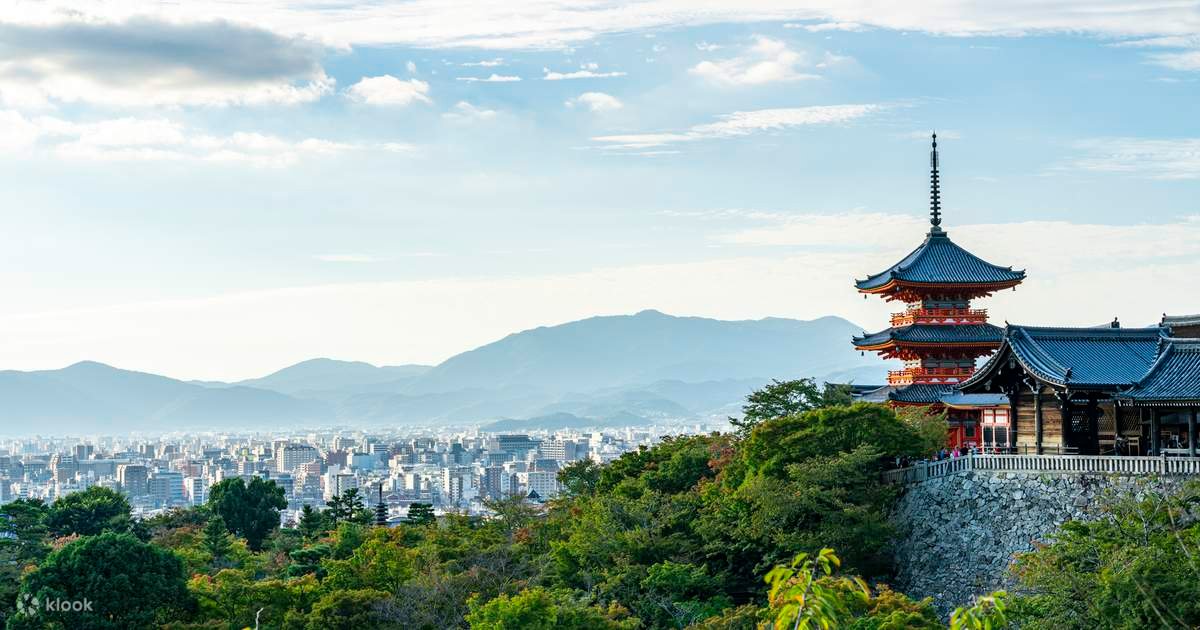
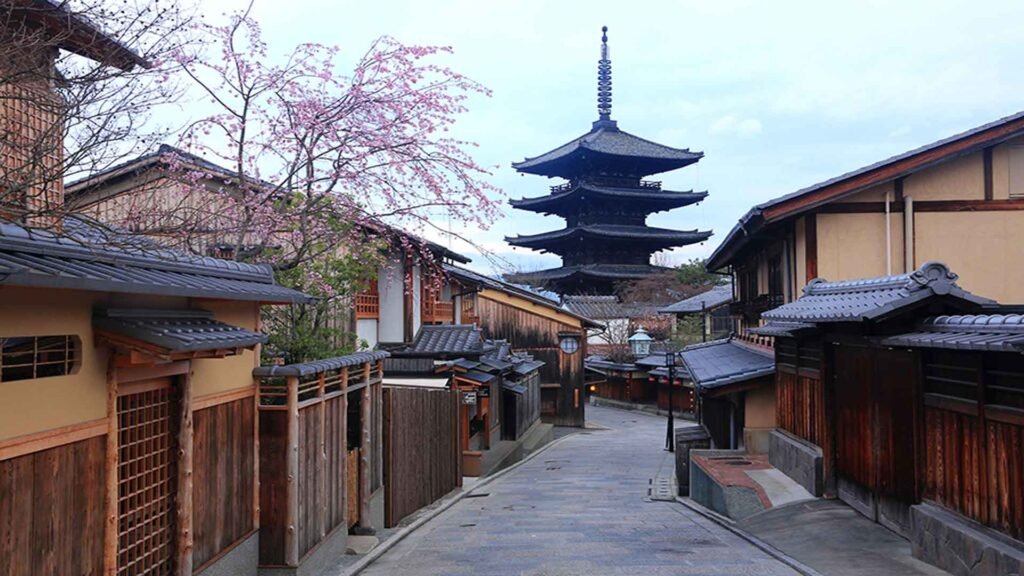
Higashiyama Sannen-zaka below the Kiyomizudera temple gets extremely crowded; the lanes above and parallel to it — the streets climbing through Ninenzaka and into Kodai-ji — become dramatically quieter a single block off the main tourist path and retain the preserved streetscape atmosphere that makes the district worth visiting at all.
Nishiki Market: How to Actually Use It
The Nishiki Market — five blocks of covered market running parallel to Shijo Avenue — is genuinely one of the best food markets in Japan. It’s also genuinely overwhelmed with visitors by mid-morning on any day of the week. The TrotRadar solution is simple: arrive when it opens (around 9–10 AM depending on the stall) and treat it as breakfast rather than a sightseeing attraction.
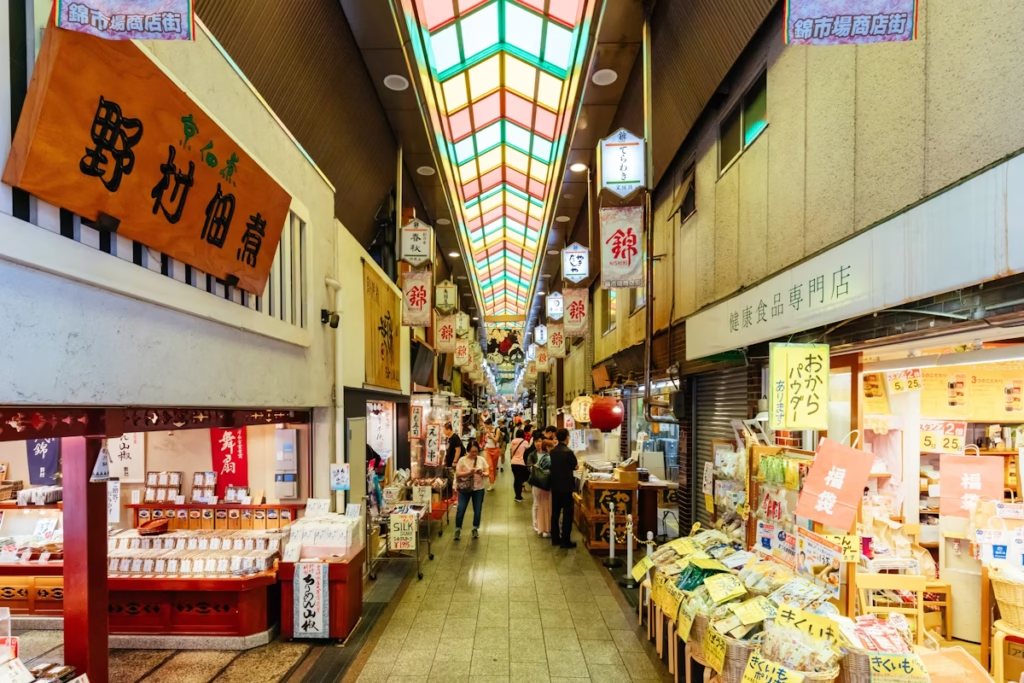
What TrotRadar recommends eating your way through:
- Dashimaki tamago (rolled omelette): Available at several stalls, best eaten fresh and hot from the pan
- Tsukemono (Japanese pickles): The variety at Nishiki is extraordinary — try several before buying
- Yuba (tofu skin): A Kyoto specialty; sold fresh in sheets or as a warm dashi broth at specialist stalls
- Matcha from specialist shops rather than novelty stalls — the quality difference is significant
For the full Japan street food context, TrotRadar’s guide to the best street food cities in Asia covers Osaka’s Dotonbori and Tokyo’s Tsukiji alongside Kyoto.
Hidden Shrines and Temples in Kyoto Worth Prioritizing
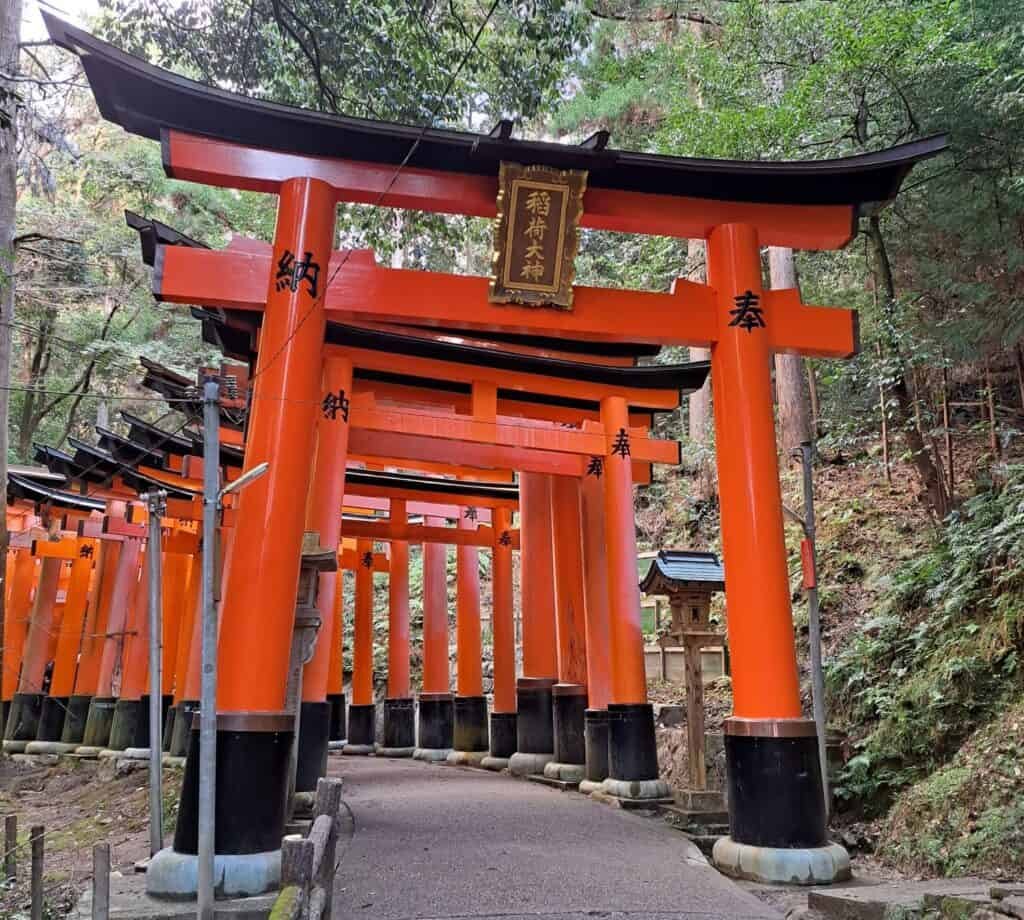
Fushimi Inari upper trails: Almost everyone visits the lower gates of Fushimi Inari and turns back around the first viewing platform. The full trail to the summit of Mount Inari (4.4 km one way, about 2–3 hours) gets dramatically quieter above the mid-mountain point and passes smaller sub-shrines, forest clearings, and views over Osaka Bay that the postcard version of the site never shows.
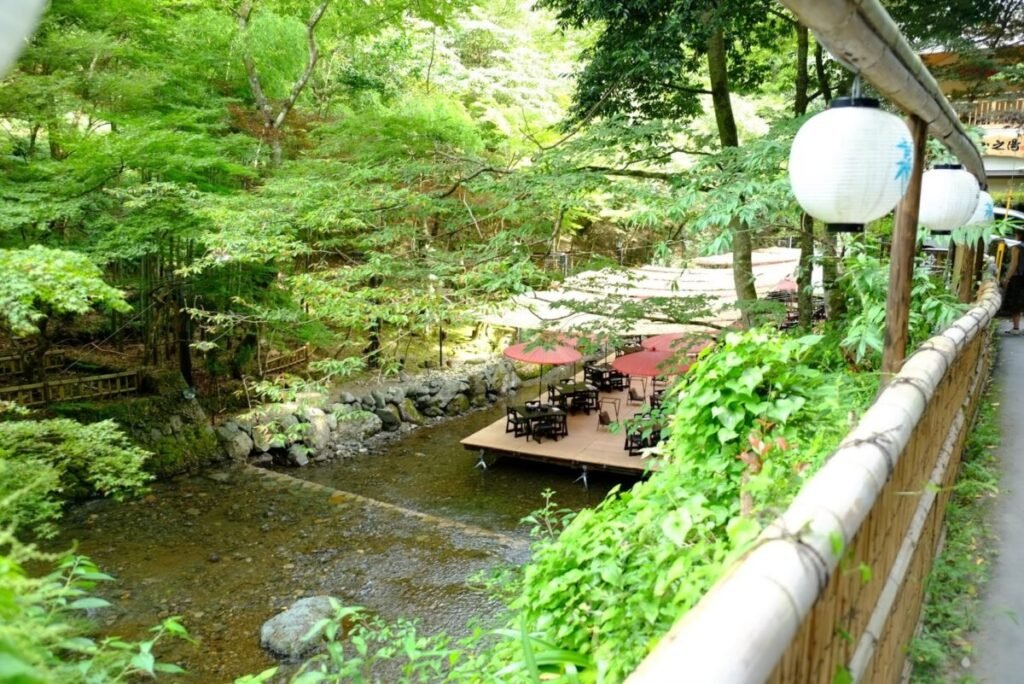
Kurama and Kibune: A 30-minute train ride on the Eizan Line from central Kyoto puts you at the base of Mount Kurama — a mountain with its own temple, a trail through cedar forest to the summit, and the ability to descend to Kibune, a small riverside village known for summer kawadoko (dining platforms built over the river). This makes an excellent full-day trip that almost no day-tripper from Osaka bothers with. TrotRadar considers it one of the best day trips from any major Japanese city.
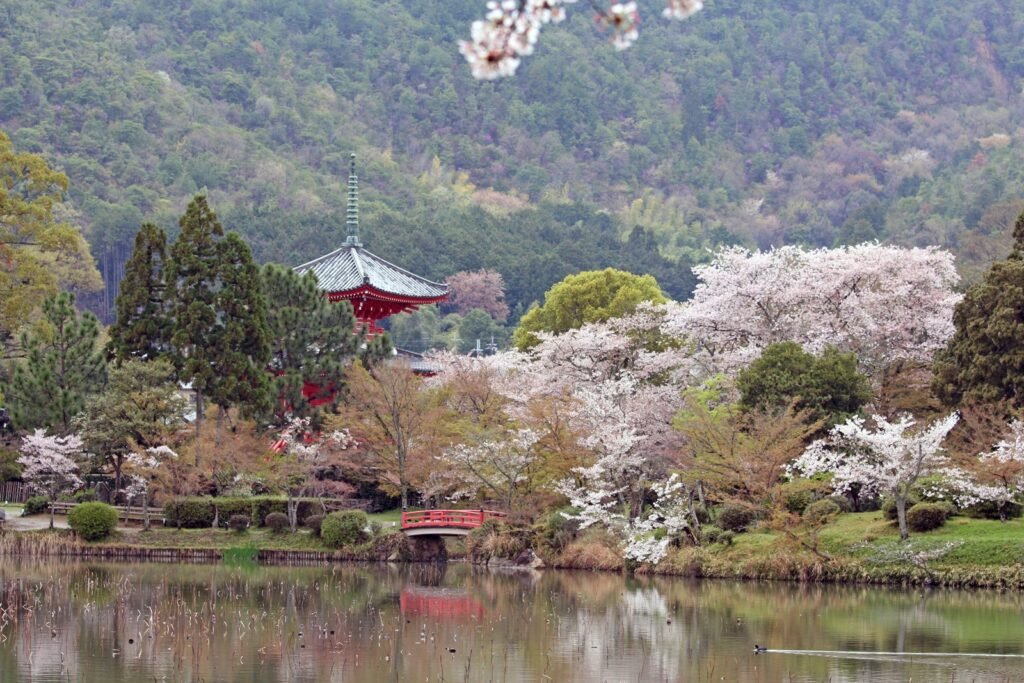
Daikaku-ji: In the Sagano area beyond Arashiyama, Daikaku-ji is a temple complex centered on an enormous boating pond (Osawa Pond) that is genuinely one of the most atmospheric temple grounds in the city — particularly in autumn and early spring — with a fraction of Arashiyama’s visitor numbers.
Kyoto Food Beyond Kaiseki: Obanzai, Depachika & More
Kaiseki (the multi-course Japanese haute cuisine built around seasonal ingredients and extreme technical precision) is Kyoto’s most celebrated food tradition and absolutely worth a splurge meal — but it occupies the €80–200+ per person territory. The city’s daily food culture operates at a much more accessible price point.
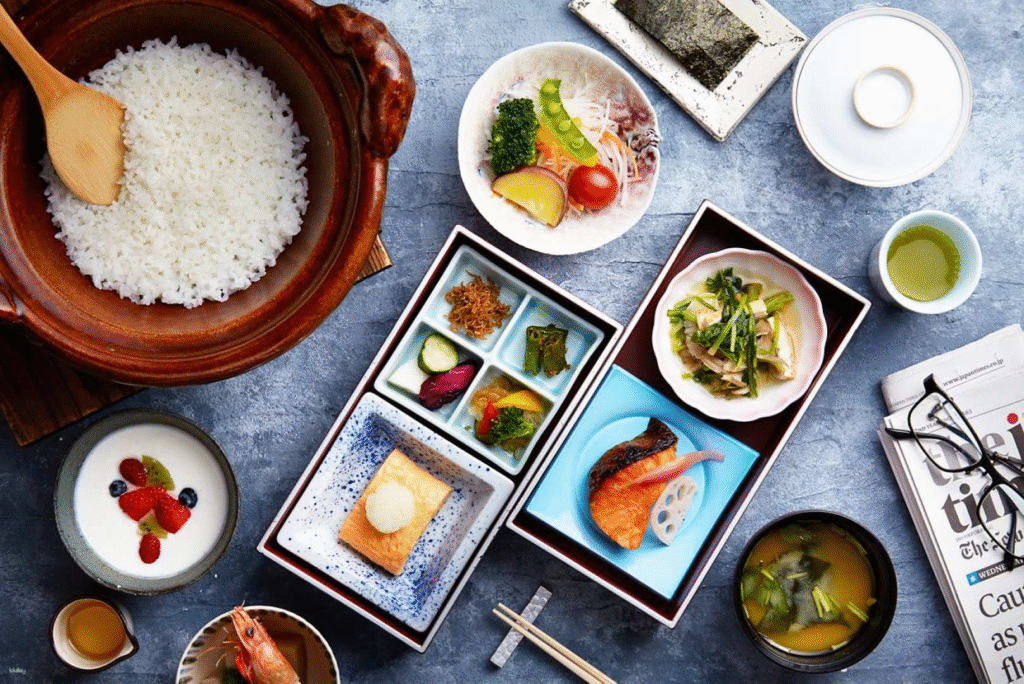
Obanzai is Kyoto’s everyday home-cooking style — small dishes of simmered vegetables, tofu, fish, and pickles made from seasonal local produce. Several restaurants in the Nishiki and Pontocho areas offer obanzai lunch sets for ¥800–1,500 (roughly €5–10) that give you an honest picture of what Kyoto people actually eat.
Depachika (department store basement food halls): The basements of Kyoto’s major department stores — Daimaru and Takashimaya on the Shijo main boulevard — contain food halls of extraordinary quality. A meal assembled from a depachika for ¥1,000–2,000 competes with any restaurant at the same price point and provides a window into Japanese food culture that is entirely off the tourist circuit.
Practical Notes for Your Kyoto Travel Guide Beyond Temples
Getting there: Kyoto is served by Shinkansen (bullet train) from Tokyo (2h15m), Osaka (15 minutes), and Hiroshima (1 hour). The Japan Rail Pass covers Shinkansen travel and is worth calculating for any trip involving multiple cities.
Getting around: City buses and the Kyoto Municipal Subway cover most areas. IC cards (Suica or ICOCA, loaded at any station) allow tap-and-ride on all public transport. Cycling is an excellent option in flat central Kyoto; rental shops are plentiful near the main stations.
TrotRadar Kyoto daily budget:
- Budget: ¥7,000–12,000 (€44–76)
- Mid-range: ¥15,000–25,000 (€95–158)
- Machiya guesthouses — renovated traditional townhouses rented as self-contained units — offer some of the most distinctive accommodation in Japan at prices competitive with equivalent hotels
For the broader Japan budget framework, TrotRadar’s best long-haul destinations for every budget guide covers Japan specifically in the mid-range tier section with full cost comparisons.
The TrotRadar Verdict on Kyoto
Kyoto’s extraordinary concentration of cultural heritage is real, and the standard circuit exists for good reason. But the Kyoto travel guide beyond temples version of the city — the sake breweries and neighborhood markets, the mountain trails above the famous shrines, the obanzai lunch sets eaten at a counter by local office workers — is not a consolation prize for travelers who couldn’t get into the crowded version.
It’s the fuller picture. And in many of the ways that matter most — quietness, authenticity, the sense of being somewhere real rather than somewhere staged — it’s the better one. TrotRadar’s recommendation: spend at least 5 days in Kyoto, and give the city time to reveal itself beyond its famous face.
Find Your Japan Rail Pass and Kyoto Deal
TrotRadar features Japan Rail Pass options, Kyoto machiya guesthouse stays, and Tokyo-Kyoto-Osaka package deals. Japan is more accessible than most travelers assume — let us help you plan it properly. Browse TrotRadar’s Japan travel offers →