
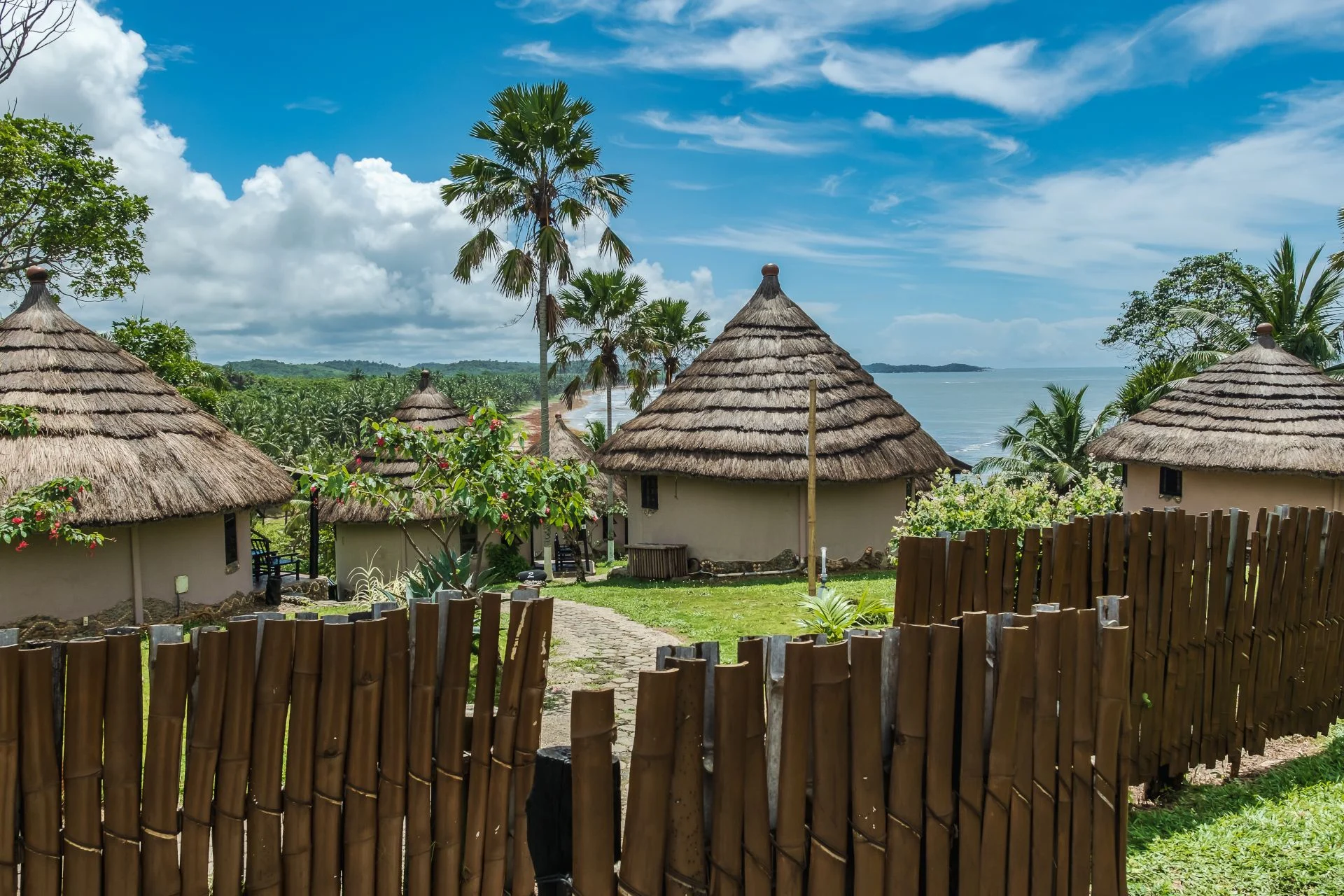
Discover the best hidden gems in West Africa, from Senegal’s Gorée Island and Ghana’s Cape Coast to Benin’s Vodun heritage and The Gambia’s river country. This practical guide covers budgets, visas, health preparation, highlights and the best way to plan a West Africa trip.
At TrotRadar, we consider West Africa one of the most rewarding and most underserved regions we cover. The hidden gems in West Africa travel are not especially secret — they simply require more research, more logistical effort, and more comfort with genuine uncertainty than the established circuits of East or Southern Africa. This guide focuses on the countries and destinations where that effort has the most reliable return.
TrotRadar Tip: Health preparation for West Africa is non-negotiable. Yellow fever vaccination is required for entry to most countries and is a genuine health necessity. Start the process at a travel health clinic at least 8 weeks before departure. Before booking, also read TrotRadar’s Africa solo travel safety guide for practical frameworks that apply across the region. And browse TrotRadar’s West Africa travel deals — we feature flights and tours with verified operators.
Senegal: West Africa’s Most Accessible Entry Point
Senegal is, for most travelers approaching West Africa for the first time, the logical starting point — and TrotRadar agrees. The country has a stable political environment, a well-developed tourism infrastructure by regional standards, reliable international flights from Europe (particularly from Paris), and Dakar — a coastal capital city of genuine character and energy.
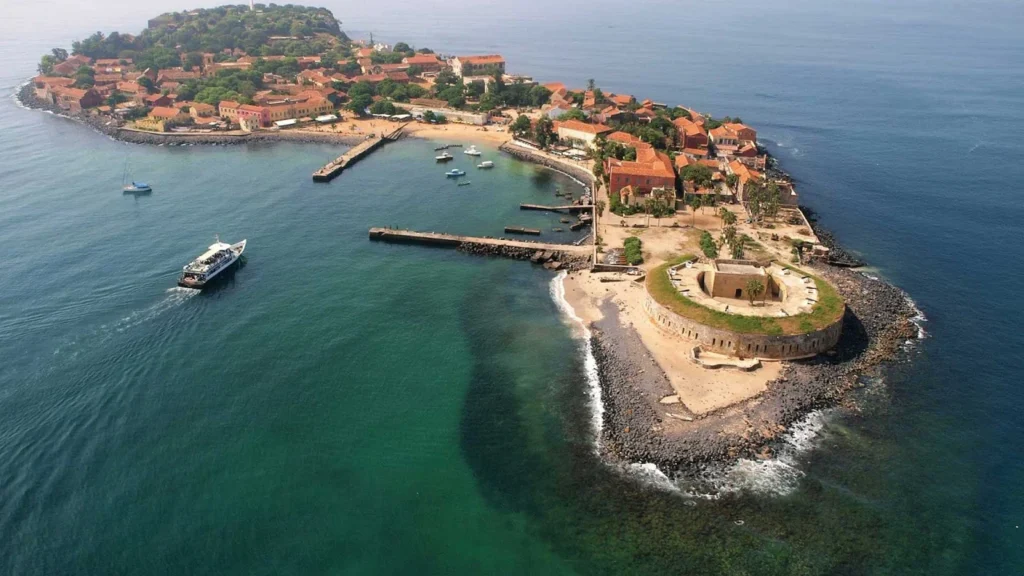
Dakar occupies a peninsula on the Atlantic coast and has a density and intensity that takes some adjustment — the traffic, the noise, the persistent attention from vendors in tourist areas — but rewards travelers who push through the initial friction. The Île de Gorée, a 20-minute ferry ride from the Dakar port, is a UNESCO-listed island that served as one of the Atlantic slave trade’s most significant embarkation points. The Maison des Esclaves (House of Slaves) museum is a confronting and important piece of African history that no amount of travel context fully prepares you for.
Saint-Louis, in northern Senegal near the Mauritanian border, is the former French colonial capital and a UNESCO Heritage City — a narrow island in the Senegal River, connected to the mainland and coast by bridges, with faded colonial architecture, painted fishing pirogues on every beach, and an atmosphere of graceful, unhurried decline. It is one of the most visually atmospheric cities in West Africa and one of TrotRadar’s strongest recommendations in the region.
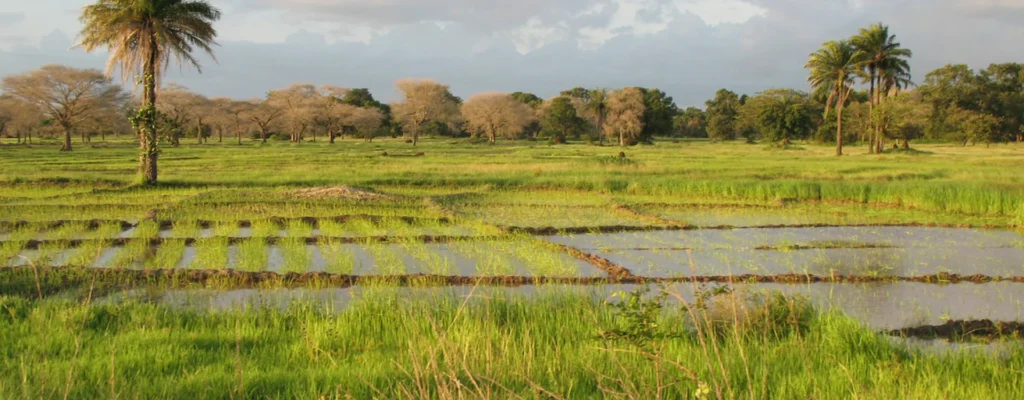
The Casamance region in the south, separated from the rest of Senegal by The Gambia, has a different ecology (mangrove forests, rice fields, the greener landscape of the humid south), a different cultural character (Diola rather than Wolof majority), and significantly fewer tourists. Small eco-lodges and campements (community guesthouses) in the forest provide some of the most distinctive accommodation in the region.
TrotRadar Senegal practical notes:
- Currency: West African CFA Franc (XOF); pegged to the Euro, which simplifies budgeting
- Daily budget: €35–70 depending on accommodation standard and city
- Visas: Visa-free for most Western nationalities for stays up to 90 days
- Best time: November–April (dry season); May–October brings humidity and rain but fewer tourists
Ghana: The Easiest Country in West Africa to Travel
Ghana has built a strong reputation among independent travelers as the most foreigner-friendly country in West Africa — English as an official language (a genuine practical advantage), a stable democratic government, a relatively developed transport infrastructure, and a culture of warmth and humor toward visitors that is so consistent it becomes a defining memory of the country. At TrotRadar, Ghana is our strongest recommendation for first-time West Africa travelers.
Accra is a sprawling, energetic capital that takes some navigation but rewards investment. The National Museum provides a grounded overview of Ghanaian history and the incredible diversity of cultural traditions within a single country. The Makola Market in central Accra is a genuine working market of sensory overload — cloth sellers, spice stalls, electronics, food, and an energy that can’t be stage-managed for tourists because it exists for locals.
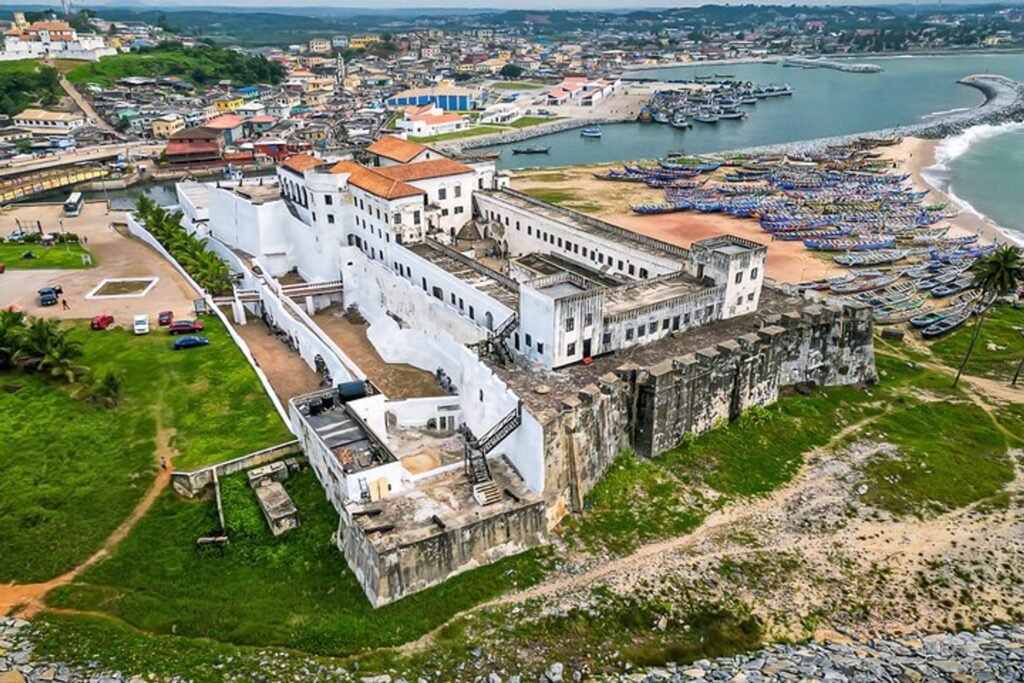
Cape Coast and Elmina, on Ghana’s central coast, contain the most significant physical legacy of the transatlantic slave trade accessible to travelers anywhere in the world. Cape Coast Castle and Elmina Castle — both UNESCO World Heritage Sites — were the primary holding and embarkation points for enslaved Africans across several centuries. The guided tours, led by Ghanaian guides with deep personal connection to the history being described, are among the most significant and emotionally demanding experiences available in travel. TrotRadar strongly recommends allowing a full half-day and not rushing it.
Kumasi, Ghana’s second city, is the historical capital of the Ashanti Kingdom — one of the most powerful empires in West African history — and home to the Kejetia Market, one of the largest open-air markets in Africa. The Manhyia Palace Museum chronicles Ashanti royal history and the relationship with British colonialism in a way that is both historically detailed and unflinchingly honest.
TrotRadar Ghana practical notes:
- Currency: Ghanaian Cedi (GHS); exchange at banks or licensed forex bureaux only
- Daily budget: €40–75
- Visas: Required for most nationalities; e-visa available online through Ghana Immigration Service
- Safety: Generally considered safe for independent travelers; standard urban precautions in Accra
Benin: Vodun Culture, History and Underrated Travel
Benin (not to be confused with the historic Benin Kingdom, which was in present-day Nigeria) is one of the most culturally distinctive countries in West Africa and almost entirely off the mainstream travel radar — which is its own reward, and something the TrotRadar team particularly values.
Ouidah, the country’s most historically significant coastal city, is the spiritual center of Vodun (Voodoo) — a religion that originated here and was carried across the Atlantic with enslaved Africans to Haiti, Brazil, and beyond. The annual Fête du Vodoun (January 10) is one of West Africa’s most extraordinary cultural events — a public ceremony involving music, ritual, elaborate costumed figures (Zangbeto guardians), and a level of access to living religious tradition that is rare in any destination.
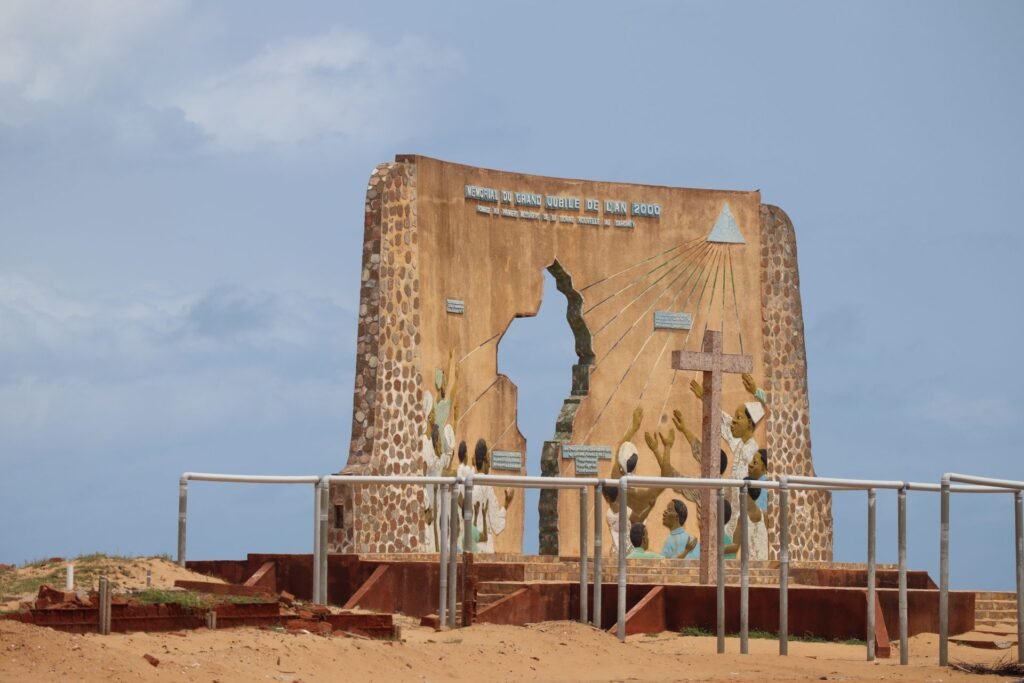
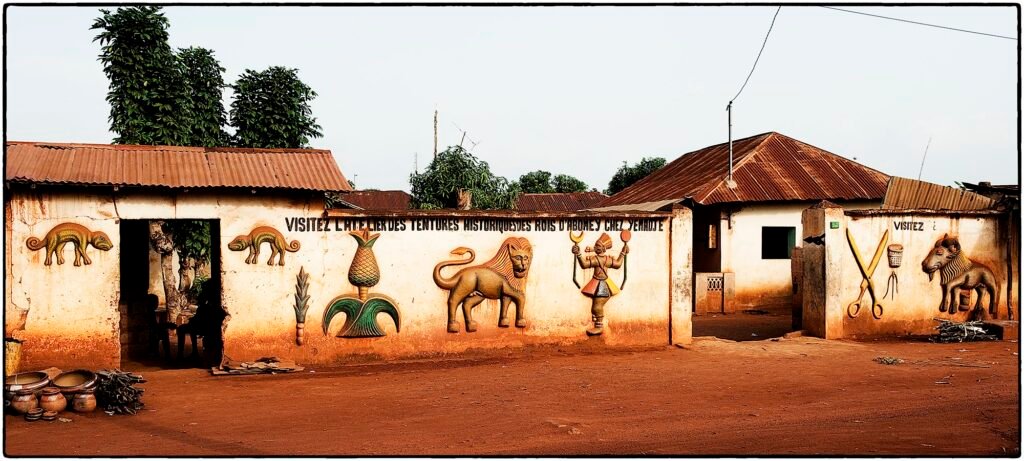
Abomey contains the UNESCO-listed Royal Palaces of Abomey — the seat of the Kingdom of Dahomey, one of the most powerful slave-trading states in West African history, and later a center of fierce resistance to French colonialism. The palace museum is detailed, sobering, and completely unlike any heritage museum experience in Europe or North America.
TrotRadar Benin practical notes:
- Currency: West African CFA Franc (XOF) — same as Senegal, simplifies regional travel
- Daily budget: €30–55 — one of the more affordable destinations in the region
- Visas: Visa on arrival available for most nationalities; check current requirements
- Getting there: Fly via Lagos, Accra, or Lomé; no direct European connections
The Gambia: Beaches, Birdwatching and River Travel
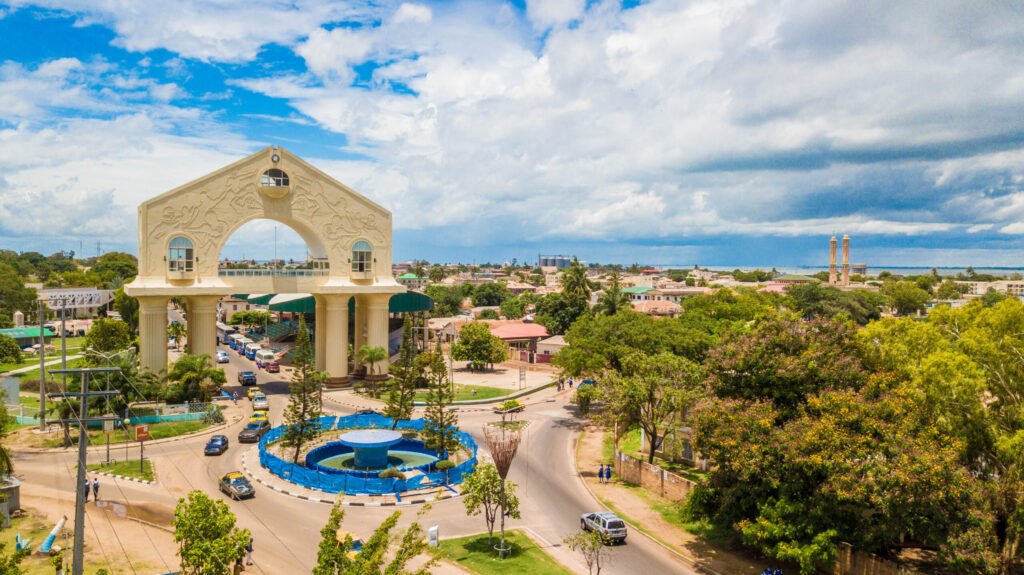
The Gambia is 50 km wide and 300 km long — a narrow strip of territory on either side of the Gambia River, entirely surrounded by Senegal. It was carved out as a British colonial territory along the river’s navigable length and has remained largely intact since independence.
For travelers, it offers two distinct experiences: the coast (Banjul and the adjacent beach resorts, where package tourism from the UK has a long history and infrastructure is well-developed) and the river (heading east into the interior, where the tourist infrastructure disappears and the country’s birdlife — one of the richest in West Africa — and rural communities come to the fore).
The Gambia is the best entry point for travelers specifically interested in West African birdwatching — over 600 species have been recorded in a country the size of a medium European province.
TrotRadar Gambia daily budget: €30–55 — benefiting from competition among tourist accommodation on the coast.
West Africa Travel Tips: Budget, Visas & Health
Health preparation is non-negotiable. Yellow fever vaccination is required for entry to most West African countries and is also a genuine health necessity. Malaria prophylaxis is strongly recommended across the region — consult a travel health clinic at least 6–8 weeks before departure. Hepatitis A and B, typhoid, and meningitis vaccines are generally recommended; discuss your specific itinerary with a travel doctor.
Connectivity is improving but variable. Senegal and Ghana have generally reliable mobile data in cities; rural areas and border regions can be very limited. Local SIM cards are cheap and available at airports and markets — pick one up on arrival in each country.
Transport between countries: West Africa’s border crossings range from smooth (Ghana-Togo-Benin coastal highway is well-established) to significantly more involved. Research specific crossing conditions before committing to an overland route.
For broader Africa travel safety context, read TrotRadar’s budget safari Africa guide — which covers health, transport, and safety frameworks applicable across the continent.
Is West Africa Worth Visiting? The Honest Answer
The hidden gems in West Africa travel category is not for travelers who want everything arranged, every surface smooth, and every experience pre-validated by a decade of TripAdvisor reviews. It is for travelers who accept that genuine discovery requires genuine effort — and who understand that what waits on the other side of that effort is music that changed the world, history that the world still hasn’t fully reckoned with, food that doesn’t exist anywhere else, and a human warmth that is, in West Africa, a cultural value so deeply embedded it operates like a reflex.
Go prepared. Go humble. Go curious. TrotRadar will be here to help you plan every step.
Find Your West Africa Travel Deal
TrotRadar features verified flights to Dakar, Accra, and Cotonou, alongside tours and guesthouse packages with operators who know West Africa properly. The region rewards those who go — let us help you get there. Browse TrotRadar’s West Africa travel offers →