Palawan has been voted the best island in the world by multiple travel publications in multiple consecutive years — and it earns the recognition. But the Philippines is not Palawan any more than Italy is Rome. An archipelago of 7,641 islands distributed across 300,000 square kilometres of the western Pacific contains extraordinary diversity that the Palawan superlative consistently overshadows. At TrotRadar, this Philippines travel guide beyond Palawan is for the traveler who has either already experienced El Nido and wants to go deeper, or who is planning a first Philippines trip and wants to understand what else the archipelago contains beyond its most famous image.
The answer is: considerably more. Siargao’s surf culture and extraordinary natural beauty. Batanes’ Irish-looking hills and stone Ivatan villages. Bohol’s Chocolate Hills and the world’s smallest primate. Manila’s layered colonial and contemporary urban character. Each of these is a genuinely distinct Philippines experience — and none of them requires a flight to El Nido.
TrotRadar Tip: Domestic flights in the Philippines are both essential and extremely affordable when booked in advance. Cebu Pacific and Philippine Airlines connect all major island hubs; fares of $15–60 per flight are standard for most routes booked 4–6 weeks ahead. The Philippines is a hub-and-spoke travel country — fly between the main islands, explore each by local boat and road. Browse TrotRadar’s Philippines island hopping packages — we feature multi-island itineraries with domestic flight combinations.
Siargao: Beyond the Cloud 9 Reputation
Siargao — the teardrop-shaped island in the northeast of Mindanao — has built its international profile around Cloud 9, the barreling reef break ranked among Asia’s finest surf spots. What the surf reputation sometimes obscures is that Siargao is also one of the most comprehensively beautiful islands in the Philippines — with natural features that reward the non-surfer equally.
The island tour covers three extraordinary natural sites in a single day:
- Sugba Lagoon — an inland lagoon of extraordinary clarity, reachable by bangka from the main road, the water shifting between turquoise and deep blue. Entry approximately ₱500; the boat crossing approximately ₱1,000 return
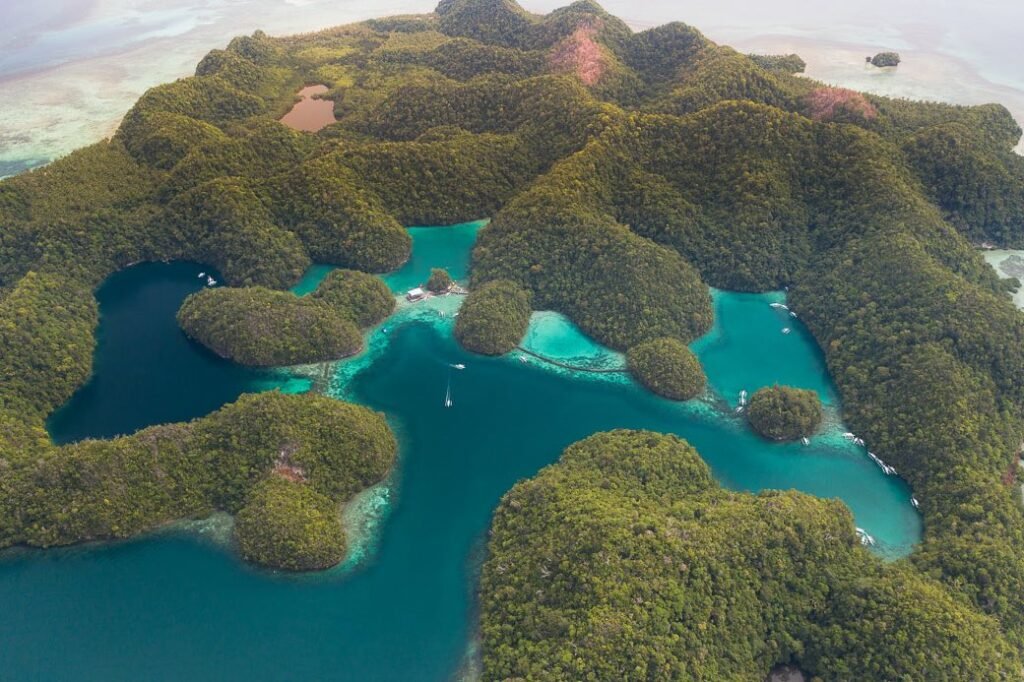
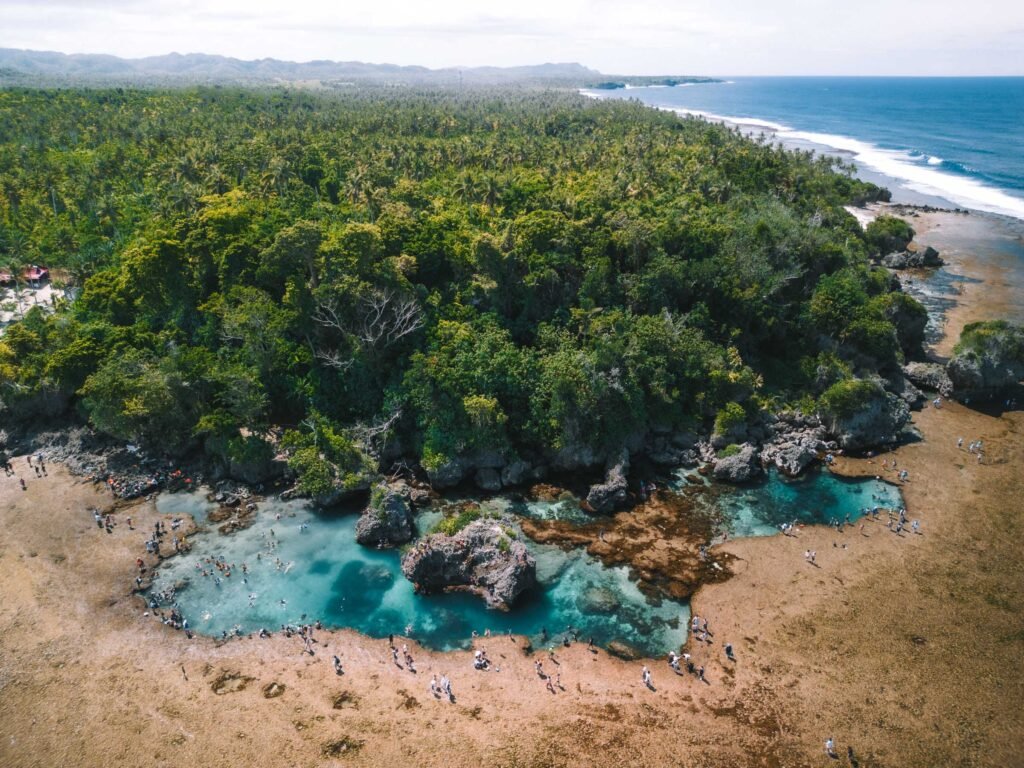
- Magpupungko Rock Pools — natural tidal pools in volcanic rock, accessible only at low tide, the pools collecting the specific turquoise color of the Pacific at its most tropical. TrotRadar recommends checking the tide schedule before planning the island tour day
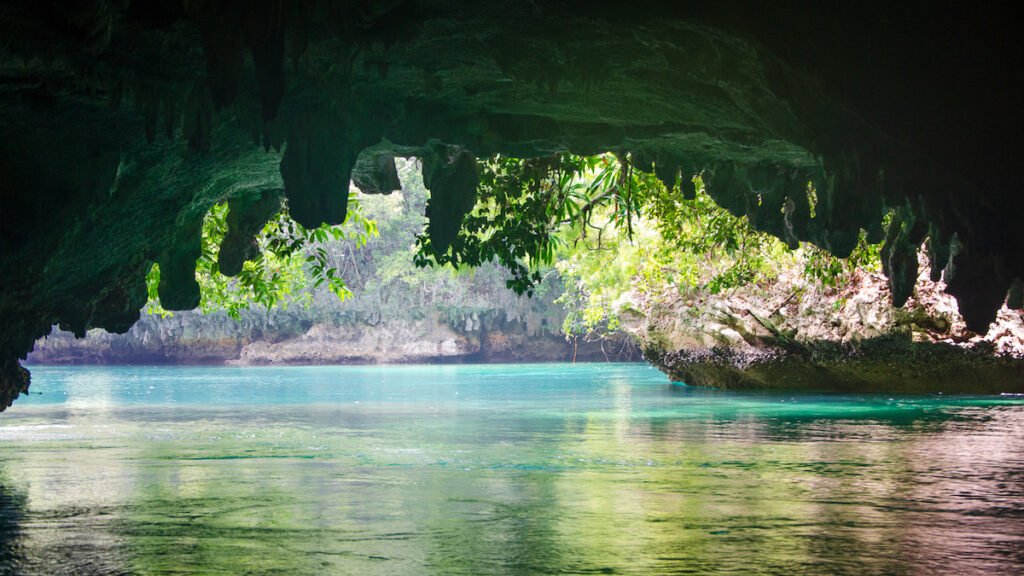
- Sohoton Cove and Bucas Grande — a UNESCO-adjacent cave system with bioluminescent jellyfish (non-stinging) navigable by kayak through a submerged cave entrance at low tide. The single most extraordinary natural experience on the island, in TrotRadar’s view
General Luna — the main surf town on the island’s southeastern tip — has developed a genuinely excellent independent food and accommodation scene: specialty coffee, good restaurants using local ingredients, boutique guesthouses in garden settings. Daily budget: ₱1,500–3,000 (approximately €25–50).
Getting to Siargao: Fly from Manila or Cebu to Sayak Airport (Siargao’s airport, approximately $30–70 USD each way with Cebu Pacific). Alternative: fly Manila to Surigao City on Mindanao, then take a ferry to Siargao (2 hours, approximately $8 USD).
The Visayas: The Central Philippines at Its Most Accessible
The Visayas — the central island group containing Cebu, Bohol, Leyte, and Samar — has the Philippines’ most developed tourist infrastructure outside Metro Manila and Palawan, and several destinations that justify that infrastructure without being consumed by it.
Bohol — reachable by fast ferry from Cebu City in 2 hours — has two natural features of extraordinary distinctiveness:
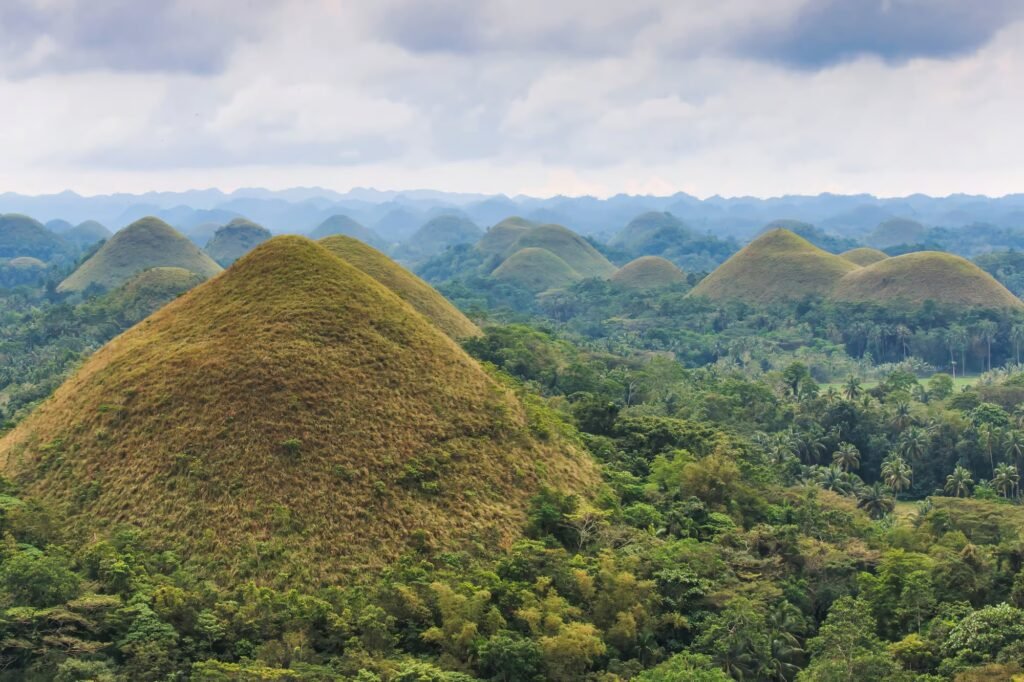
The Chocolate Hills — approximately 1,268 uniformly cone-shaped limestone hills turning brown in the dry season — are a geological formation unique to Bohol and one of the most visually improbable landscapes in the Philippines. The standard viewpoint from Carmen provides the panorama; a bicycle ride through the hills themselves provides the immersion.
The Philippine tarsier — one of the world’s smallest primates, its eyes each larger than its brain, entirely nocturnal in the wild but viewable at the Philippine Tarsier Sanctuary in Corella — is one of those wildlife encounters that consistently exceeds expectations in person. The sanctuary’s low-impact viewing policy (no flash, limited time, natural forest habitat) makes it one of the more responsibly operated wildlife experiences in Southeast Asia.
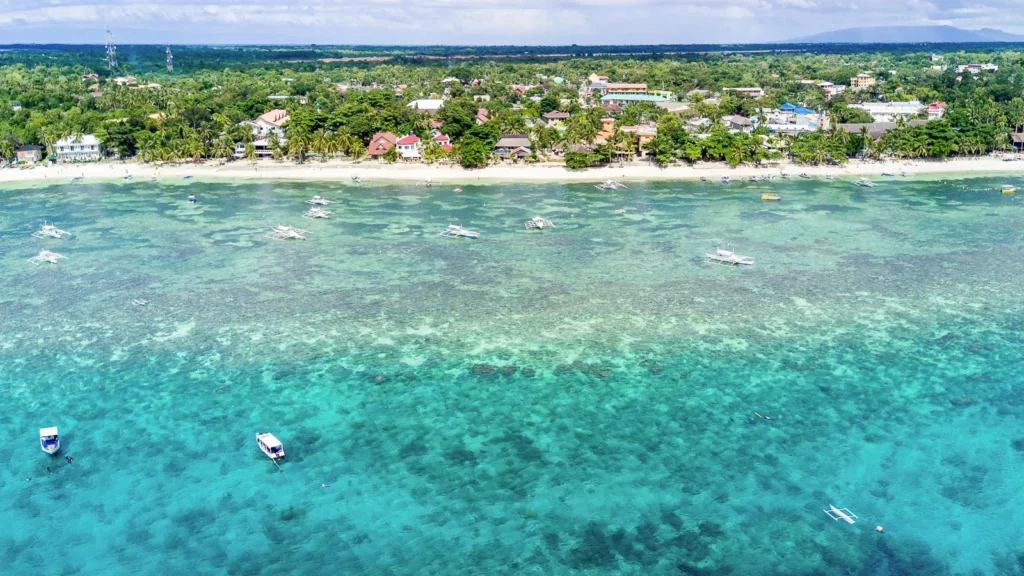
Panglao Island — connected to Bohol’s main island by bridge — has the finest beaches in the immediate Visayas region and excellent diving on Balicasag Island reef, consistently rated among the Philippines’ top dive sites.
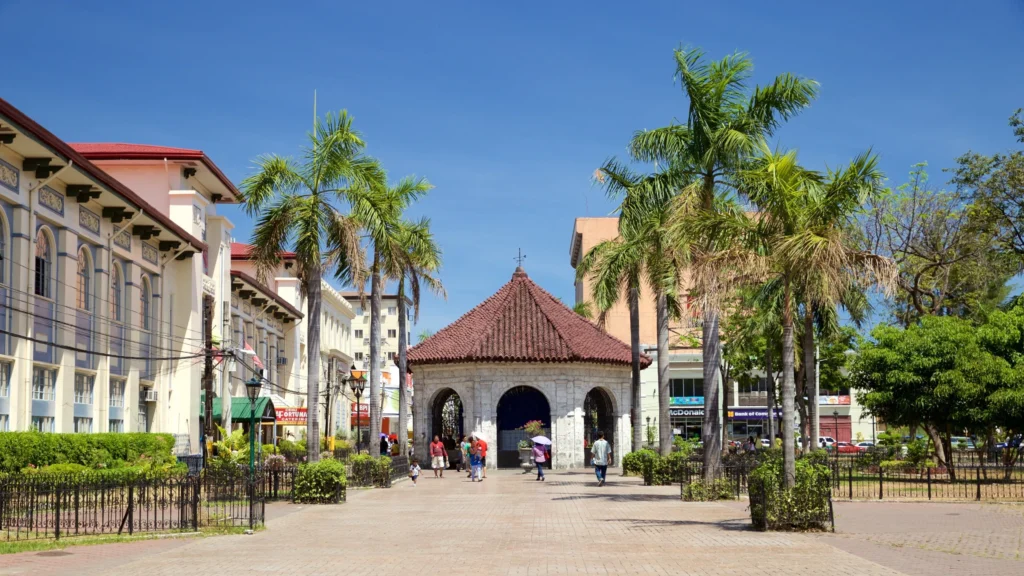
Cebu City itself — the Philippines’ oldest city, with the Basilica Minore del Santo Niño (the oldest Catholic church in the Philippines, containing the oldest religious artifact in the country) and Magellan’s Cross — rewards a half-day exploration before heading to the beaches.
For the broader Southeast Asia island comparison, read TrotRadar’s best Southeast Asia islands guide, which covers Palawan alongside the Gili Islands, Koh Lanta, and Raja Ampat.
Batanes: The Philippines at the Edge of the World
Batanes — a group of ten islands at the very northern tip of the Philippines, closer to Taiwan than to Manila — is the most remote and most visually distinctive destination accessible within the Philippines. The Ivatan people developed a unique architectural tradition in response to the province’s position in one of the world’s most typhoon-active zones: cogon grass and limestone houses with thick walls and low roofs built to withstand sustained typhoon-force winds — a vernacular architecture entirely distinct from anywhere else in the Philippines.
The landscape is specifically Irish in character — rolling green hills meeting dramatic cliffs above a Pacific-blue sea — and the combination of this scenery with the stone villages and the particular light of the far north produces photographs that consistently surprise viewers who assume they’re looking at the North Atlantic.
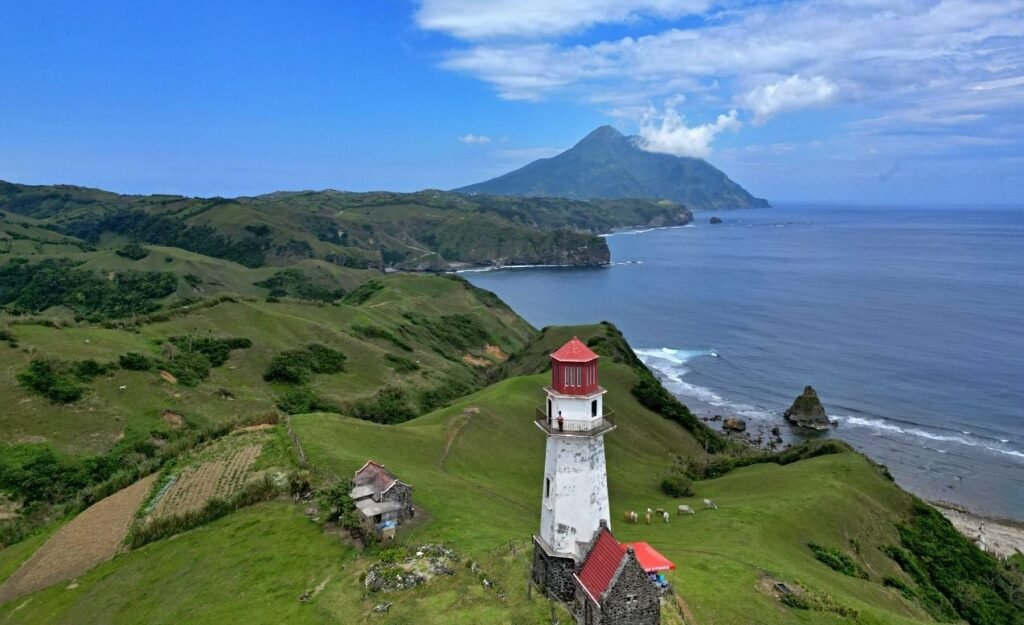
Basco — the province capital on Batan Island — is the base for exploring the three main accessible islands: Batan, Sabtang (a day trip by faluwa boat, its preserved stone villages the finest example of Ivatan architecture), and Itbayat (the largest island, accessible by weather-dependent boat, almost entirely off the tourist circuit).
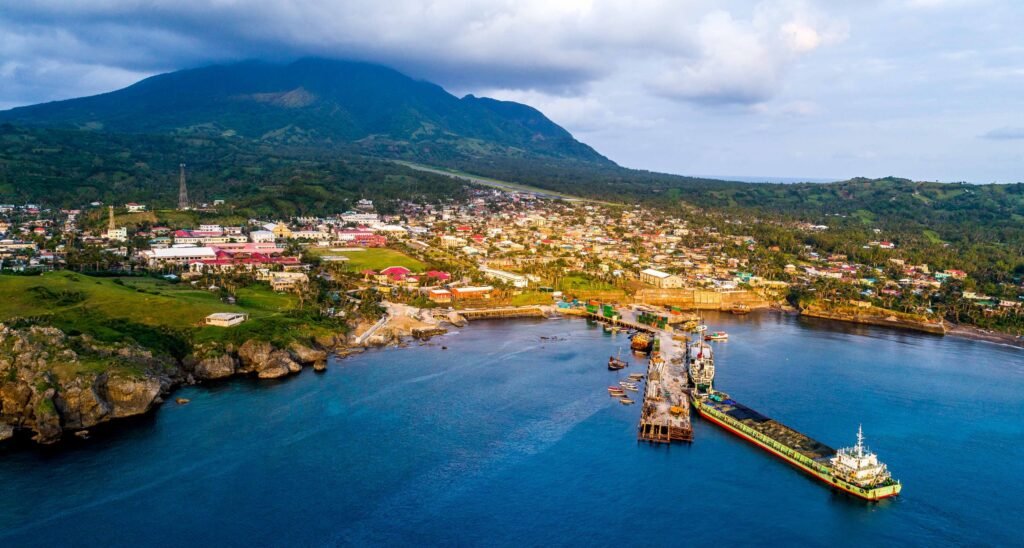
Getting to Batanes: SkyJet and Philippine Airlines fly from Manila to Basco approximately daily. Flights are weather-dependent and cancellations are common — build flexibility into any Batanes itinerary and don’t plan a Batanes trip with a hard departure deadline at either end. Cost: approximately $60–120 USD each way depending on advance booking.
Manila: Give It More Than a Transit Night
Manila polarises travelers more than any other capital in Southeast Asia — some find it overwhelming and unlovable, others discover a city of extraordinary cultural complexity beneath the traffic and the chaos. TrotRadar’s position: two to three days, not one transit night.
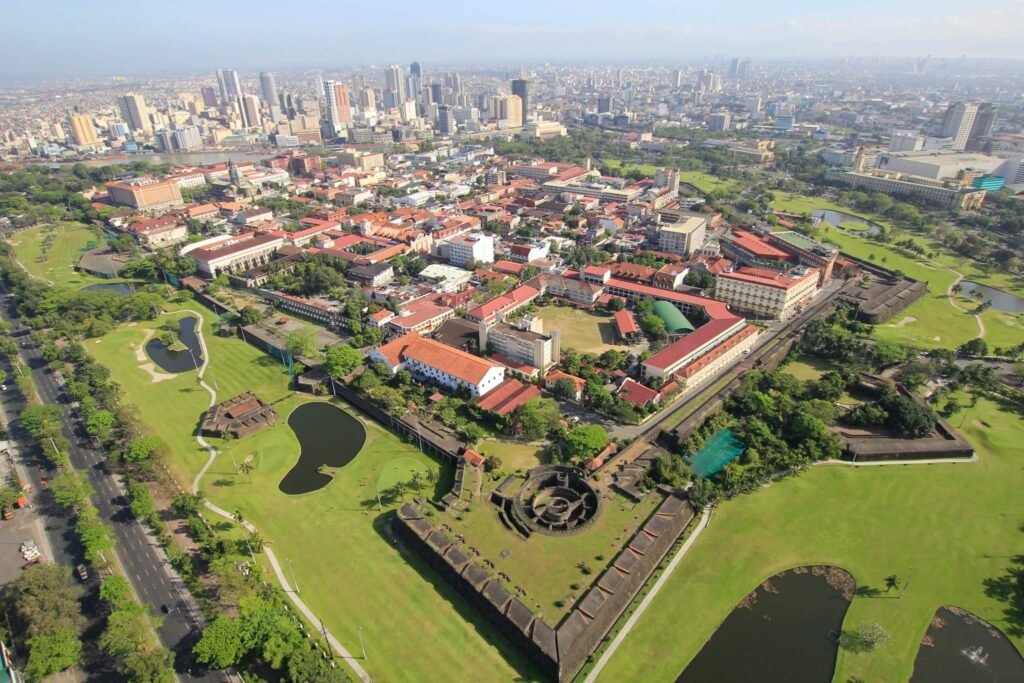
Intramuros — the walled Spanish colonial city founded in 1571 — contains the San Agustín Church (1607, the oldest stone church in the Philippines and a UNESCO World Heritage Site) and Fort Santiago where national hero José Rizal was imprisoned before his execution in 1896. The Rizal Shrine inside the fort is the most emotionally resonant heritage site in Manila.
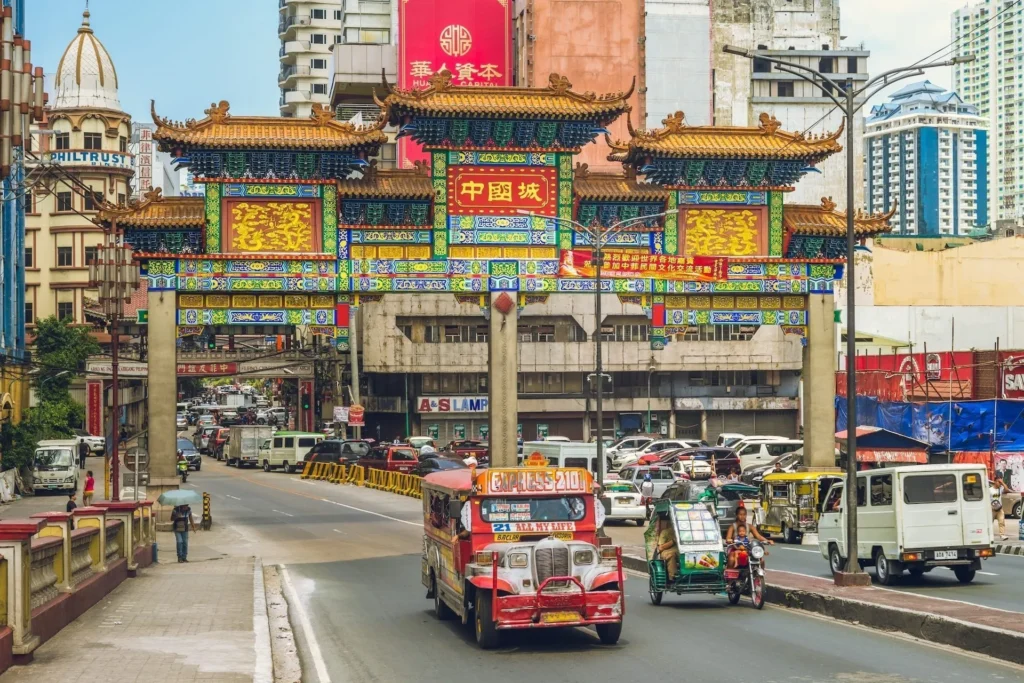
Binondo — the world’s oldest Chinatown, established in 1594 — has a food culture of extraordinary density worth a dedicated morning: pancit, siopao, hopia, and the specific Filipino-Chinese fusion that reflects four centuries of community development.
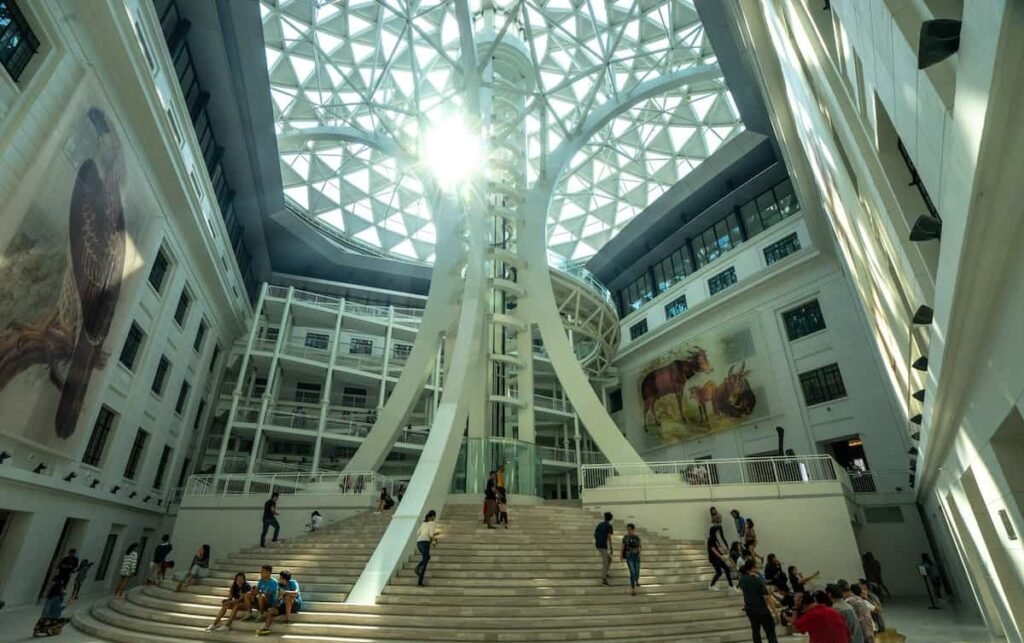
The National Museum complex in Rizal Park provides the cultural and historical context for the Philippines that no island beach experience supplies — particularly the Fine Arts collection and the Natural History Museum.
Practical Philippines Beyond Palawan Notes
Domestic transport: Cebu Pacific and Philippine Airlines cover most island hubs; book 4–6 weeks ahead for best prices ($15–60 per flight on most routes). Bangka boats handle short island crossings (€2–15 depending on distance). RORO ferries (roll-on roll-off) connect major Visayas islands reliably and affordably.
Health: Malaria prophylaxis recommended for certain rural areas (specific Mindanao regions); not required for Metro Manila, Boracay, Cebu, or Siargao. Dengue fever present throughout — standard insect repellent precautions apply.
Safety note for Mindanao: Parts of western and central Mindanao have active security concerns. Siargao (northeastern Mindanao) and Davao City are generally considered safe; verify current advisories for specific Mindanao destinations.
TrotRadar Philippines daily budget:
- Manila: ₱1,500–3,000 (€25–50)
- Siargao/Cebu/Bohol: ₱1,200–2,500 (€20–42)
- Batanes: ₱2,000–3,500 (€33–58) (remoteness premium applies)
For the first time in Asia framing that helps place the Philippines in context, read TrotRadar’s first time in Asia travel guide.
The TrotRadar Verdict on Philippines Beyond Palawan
The Philippines travel guide beyond Palawan conclusion is that this archipelago is so large and varied that treating it as a single destination with a handful of correct answers is a fundamental mischaracterization. Siargao’s surf community, Batanes’ wind-scoured stone villages, Bohol’s improbable hills, Manila’s layered colonial history — these are additional chapters of a country that rewards travelers who read past the first page. TrotRadar says: go to Palawan if you haven’t yet. Then go back for everything else.
Find Your Philippines Island Hopping Deal
TrotRadar features multi-island Philippines packages covering Siargao surf camps, Bohol Chocolate Hills tours, Batanes fly-and-stay combinations, and Manila heritage circuit packages. Browse TrotRadar’s Philippines travel offers →