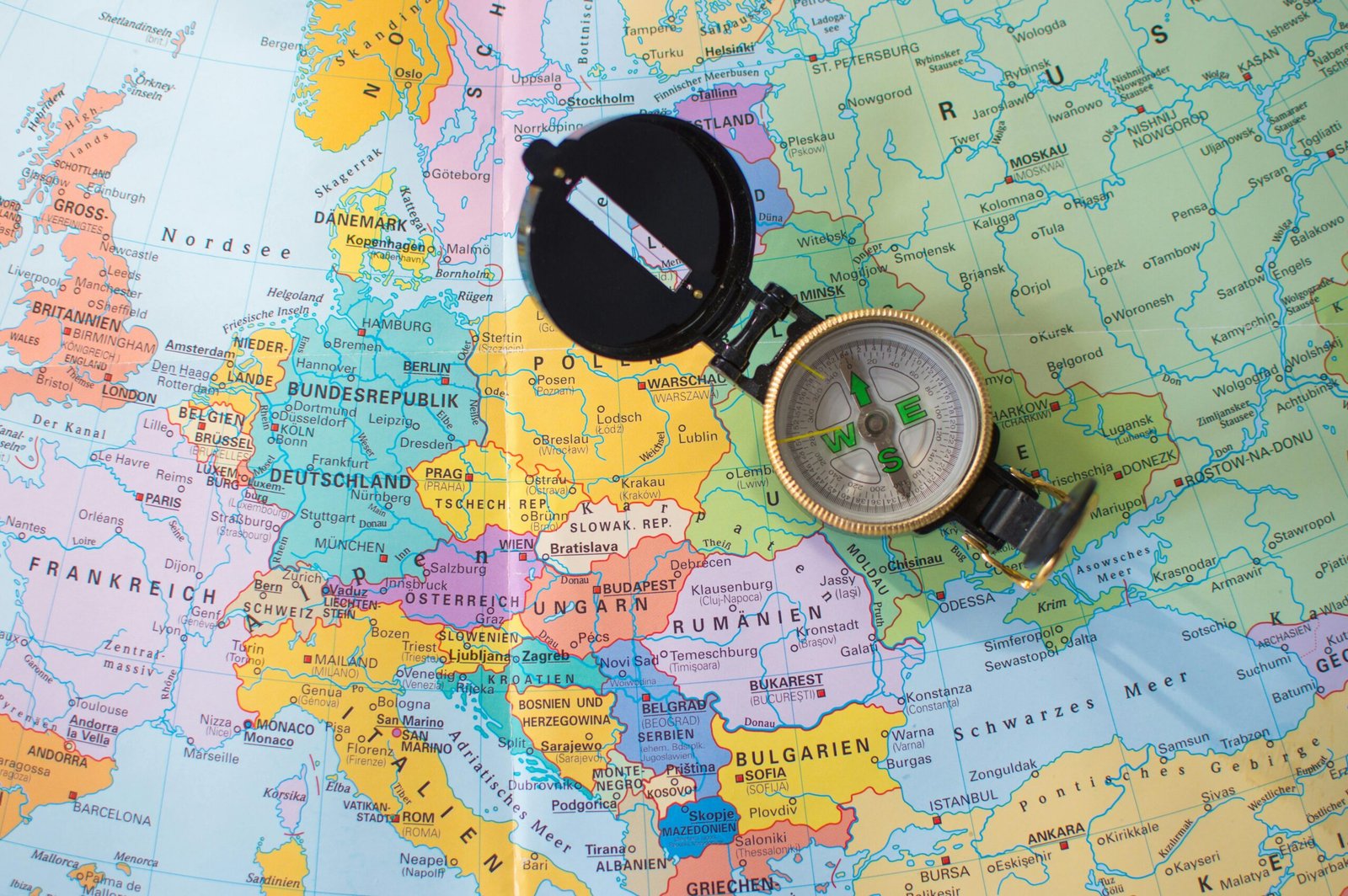
Searching for hidden gems in Eastern Europe?Eastern Europe has a handful of cities that everyone knows — Prague, Budapest, Kraków, Tallinn. These are genuinely extraordinary places and they earn their reputations. They’ve also developed the tourist infrastructure — the hen party circuits, the bachelor weekends, the selfie queues at every viewpoint — that comes with being known. The experience of wandering a medieval old town that has been optimised for visitors who want a medieval old town experience is specific and interesting and genuinely different from the experience of walking through a city that is simply old, and lived-in, and indifferent to whether you find it photogenic.
At TrotRadar, finding the hidden gems in Eastern Europe is one of our most consistent editorial priorities — not because the famous cities aren’t worth visiting, but because the gap in experience quality between them and their overlooked neighbours is often surprisingly small, and the gap in price and crowd density is often very large. Every city on this list is reachable, affordable, and culturally significant. None of them require the itinerary gymnastics that genuine off-the-beaten-path travel demands.
TrotRadar Tip: Most of the cities in this guide are best connected by bus rather than rail — FlixBus and regional operators serve all of them at prices that beat the equivalent train fare significantly. For the full European transport comparison, read TrotRadar’s budget train travel Europe guide. And check TrotRadar’s Eastern Europe deals page for current accommodation offers across the region.
1. Plovdiv, Bulgaria: Europe’s Oldest Continuously Inhabited City
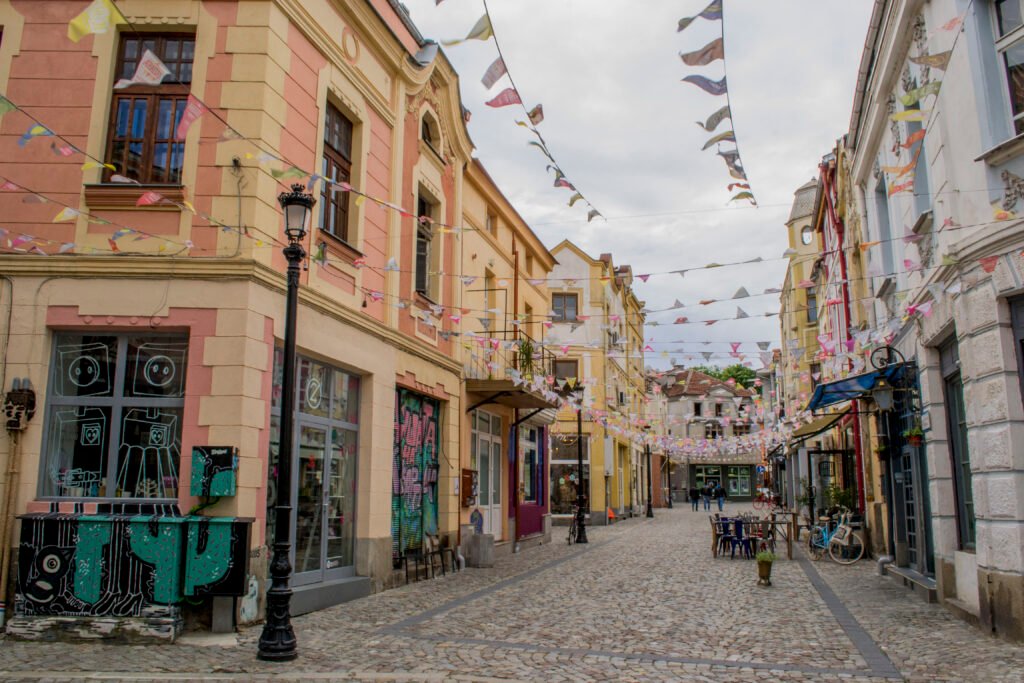
Claims to being the world’s “oldest continuously inhabited city” are contested between several candidates globally — Plovdiv among them, with settlement evidence stretching back 8,000 years. Whether or not the claim stands up to archaeological scrutiny, the physical accumulation of history in Plovdiv is tangible: a 2nd-century Roman theatre still hosts concerts on summer evenings; a Byzantine fortress wall runs through the residential neighborhood above; 19th-century Bulgarian National Revival mansions painted in deep ochre, green, and blue line the cobblestone streets of the old town.
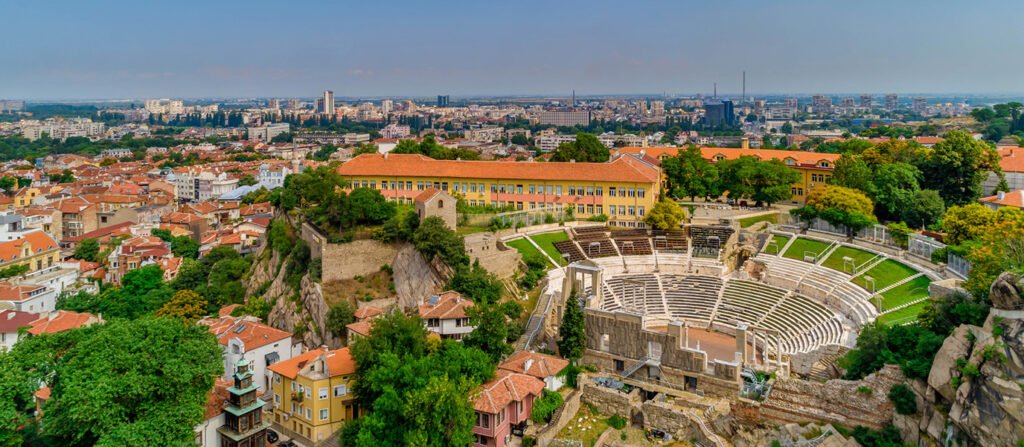
The Kapana creative quarter adjacent to the old town is the part that surprises travelers expecting only heritage — a network of repurposed industrial streets now occupied by independent cafés, galleries, craft beer bars, and studios that gives Plovdiv a contemporary creative energy notably absent from more static heritage cities.
Plovdiv was designated European Capital of Culture in 2019, which accelerated the development of its arts scene without yet triggering the price inflation that usually follows such designations. The city remains genuinely affordable — guesthouse rooms from €20–35/night, excellent dinner for €6–10, craft beer for €2–3.
TrotRadar Plovdiv daily budget: €35–55
Getting there: 2 hours from Sofia by bus or train; direct buses from Istanbul (approximately 6 hours). Fly into Sofia and take the bus — most convenient routing from Western Europe.
2. Lviv, Ukraine: Mitteleuropa in the East
Important TrotRadar note as of 2026: The situation in Ukraine requires current assessment before travel planning. Check your government’s travel advisory and the security situation in western Ukraine specifically before considering Lviv as a destination. Lviv has remained significantly safer than eastern Ukraine throughout the conflict period, and some international travelers have continued to visit in solidarity and in support of the local economy. We include it here as a city that will be extraordinary when conditions fully permit, and encourage travelers to make their own informed decision based on current advisories.
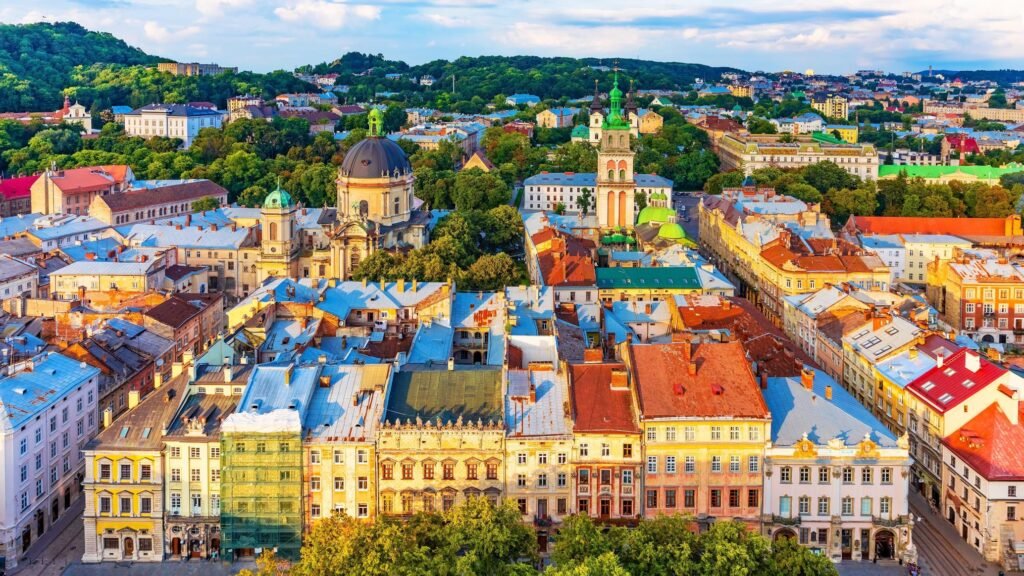
Lviv’s Market Square (Rynok Square) is a UNESCO World Heritage-listed ensemble of Gothic, Renaissance, and Baroque architecture built under Polish, Habsburg, and subsequent administrations — the physical record of Central European influence on a city that changed imperial ownership repeatedly over six centuries. The city has historically been more Mitteleuropean than Eastern European in character: the coffee culture, the art nouveau buildings on side streets, the opera house, the bookshops.
Lviv was, before the current crisis, one of the most affordable city break destinations in Europe at approximately €25–45/day total for comfortable independent travel.
3. Timișoara, Romania: The City That Started a Revolution
In December 1989, Timișoara became the city where the Romanian Revolution began — the first public uprising against the Ceaușescu regime, sparked by protests in the city’s central square that spread within days to Bucharest and led to the regime’s collapse. The city bears this history honestly: the bullet holes in façades around Piața Victoriei were deliberately left unrepaired as a memorial. A small museum documents the events in detail.
Beyond this singular historical moment, Timișoara is the most culturally diverse city in Romania — historically multiethnic, with Romanian, Hungarian, German, and Serbian communities all contributing to a character distinct from Bucharest or Cluj. The city was Romania’s first to have electric street lighting (1884, before Paris or London) and retains a self-confidence about its own significance that is entirely justified.
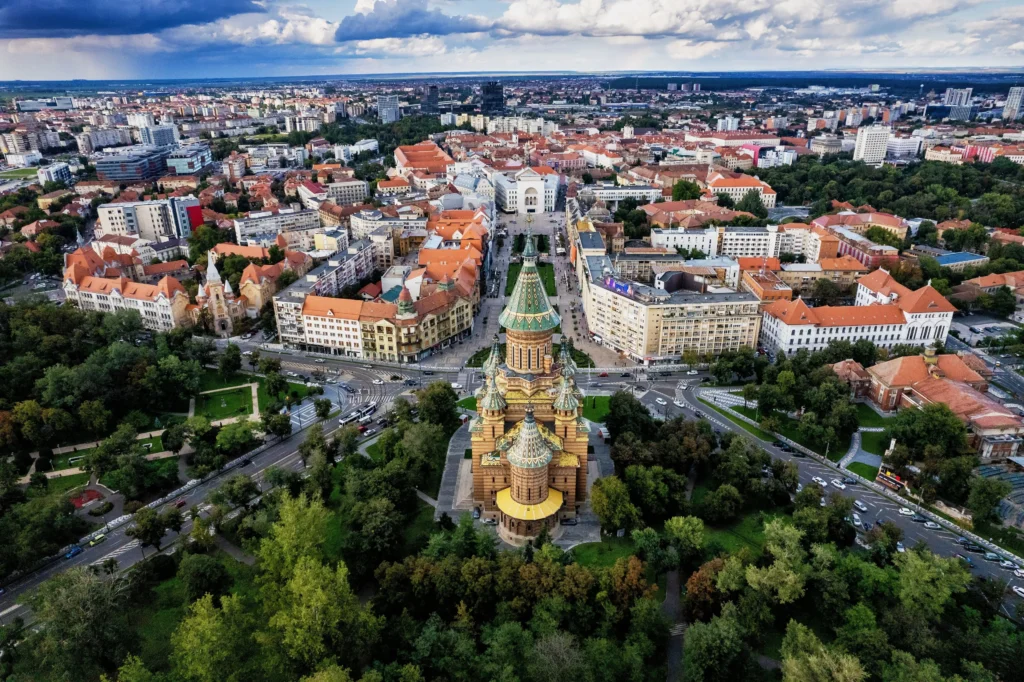
Timișoara was designated European Capital of Culture 2023, and the associated investment in arts infrastructure has produced a gallery and events scene impressive for a city of 300,000.
TrotRadar Timișoara daily budget: €35–55
Getting there: Direct flights from several Western European cities; train from Budapest (3.5 hours).
4. Prizren, Kosovo: Ottoman Heritage and the Continent’s Youngest Country
Prizren is the city that most consistently surprises first-time visitors to Kosovo — a country that itself surprises most visitors, who arrive with expectations calibrated by media coverage of the 1990s and depart recalibrating for everything that’s happened since.
The city’s Ottoman old town is one of the finest in the Balkans — a tight quarter of stone-paved lanes, wooden-fronted shops, mosques, and the Sinan Pasha Mosque (16th-century, still active, with extraordinary interior stonework) clustered around the Bistrica River. The stone bridge over the river, the hilltop Prizren Fortress above it, and the particular layering of Serbian Orthodox, Ottoman Muslim, and Albanian Catholic heritage in the same small city give Prizren a historical complexity that is both intellectually interesting and visually extraordinary.
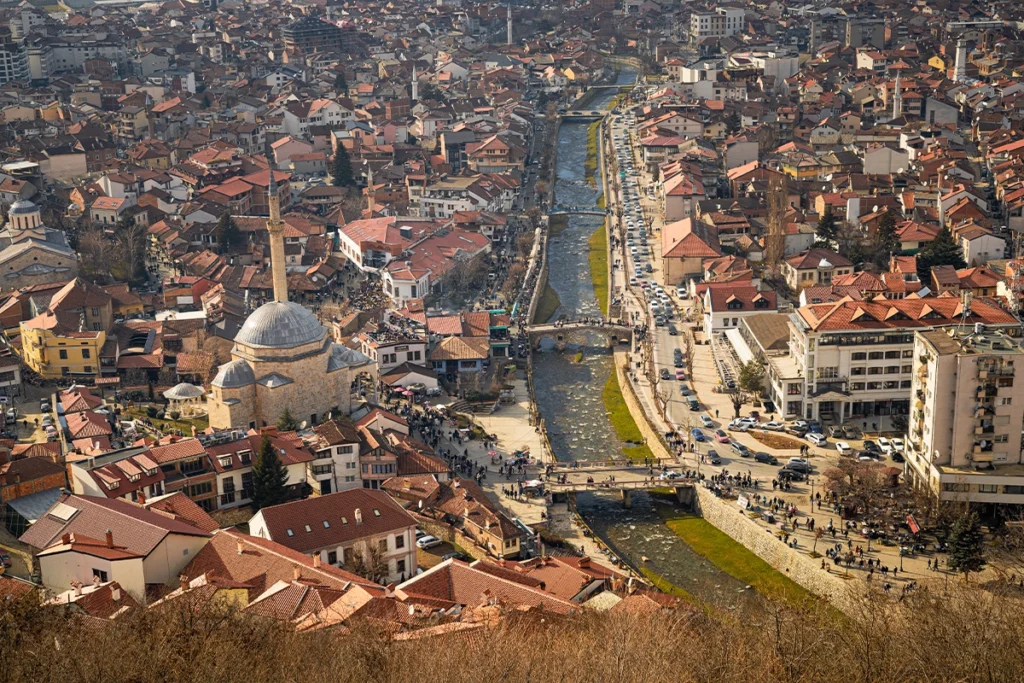
The city hosts DokuFest each August — one of the Balkans’ most significant documentary film festivals — which transforms it into an unexpectedly sophisticated cultural event for a city of 180,000.
TrotRadar Prizren daily budget: €30–50 — one of the most affordable destinations on this list. Kosovo uses the Euro despite not being an EU member. For the full Kosovo and wider Balkans context, read TrotRadar’s Balkans road trip guide from Slovenia to Albania.
5. Ohrid, North Macedonia: The Overlooked Jewel of the Southern Balkans
Ohrid has appeared in several TrotRadar guides and earns each mention. A small UNESCO-listed lakeside city in southwestern North Macedonia — on the shores of Lake Ohrid, one of Europe’s oldest and deepest lakes, shared with Albania — Ohrid contains more Byzantine churches per square kilometre than anywhere outside Istanbul, a hillside fortress, an ancient Roman theatre still used for performances, and the lake itself: remarkably clear, swimmable, and dramatically beautiful in the early morning light.
The Church of Saint John at Kaneo — a 13th-century Byzantine church on a rocky promontory directly above the lake — is the image most associated with Ohrid and the one that most genuinely earns the photograph. The interior contains restored frescoes; the exterior, with the lake spreading behind it to the Albanian mountains on the far shore, requires no photographer’s skill to capture well.
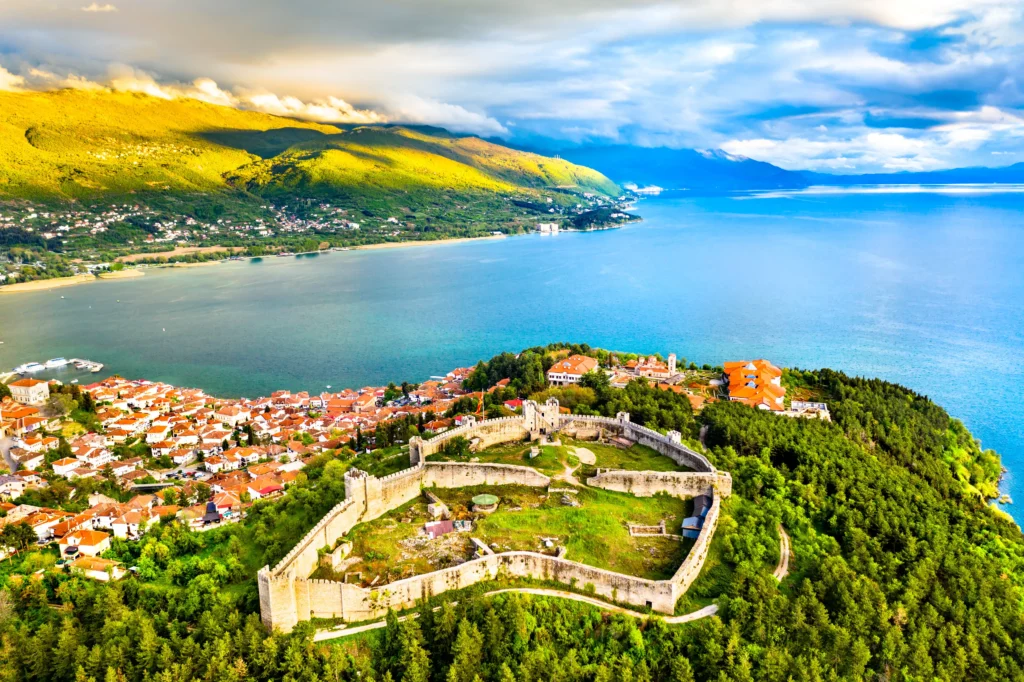
The old town has excellent small restaurants and guesthouses at prices that feel like a decade ago in Western European terms. A dinner of fresh lake trout (pastrmka — an endemic species found only in Lake Ohrid), local wine, and rakija for two people costs €15–22.
TrotRadar Ohrid daily budget: €30–50 — see our full cheapest countries in Europe guide for the complete North Macedonia cost breakdown.
6. Matera, Italy: The Cave City That Time Almost Forgot
Matera is technically southern Italy rather than Eastern Europe — but it belongs on any list of undervisited European cities with genuine claim to extraordinary status. The sassi (cave dwellings) of Matera are among the oldest continuously occupied human settlements on earth — carved into a ravine in the Basilicata region over at least 9,000 years of continuous habitation.
Designated a UNESCO World Heritage Site and European Capital of Culture 2019, Matera has been sensitively developed — the cave dwellings that were forcibly cleared by the Italian government in the 1950s (deemed uninhabitable; immortalised by Carlo Levi’s memoir Christ Stopped at Eboli) have been converted into hotels, restaurants, and guesthouses with extraordinary attention to the original cave architecture.
Walking through the sassi at golden hour — the cave city glowing amber, the ravine dropping away below, the cathedral above — is one of the most singularly strange and beautiful urban experiences in Europe. That it remains significantly less visited than Rome, Florence, or even Naples is an ongoing puzzle to TrotRadar.

Getting there: Train to Bari (5 hours from Rome), then bus or private transfer to Matera (1 hour). Accommodation inside the sassi from €60–120/night in converted cave hotels.
TrotRadar Matera daily budget: €60–90
7. Mostar, Bosnia and Herzegovina: History Written in Stone and Water
Mostar is simultaneously the most visited city in Bosnia and Herzegovina and one of the most undervisited in the region by European standards — the two facts coexisting because the country itself remains outside most European travelers’ default circuits.
The Stari Most (Old Bridge) — a single-span Ottoman arch bridge of extraordinary elegance built in 1566 over the turquoise Neretva River — was destroyed by Croatian forces during the 1992–95 war and rebuilt using original techniques and original stone in 2004. The rebuilt bridge is both structurally extraordinary and historically loaded; diving from its apex (approximately 21 metres into the river below) has been a local tradition revived since reconstruction, still performed by members of the Mostar Divers Club after specific training.
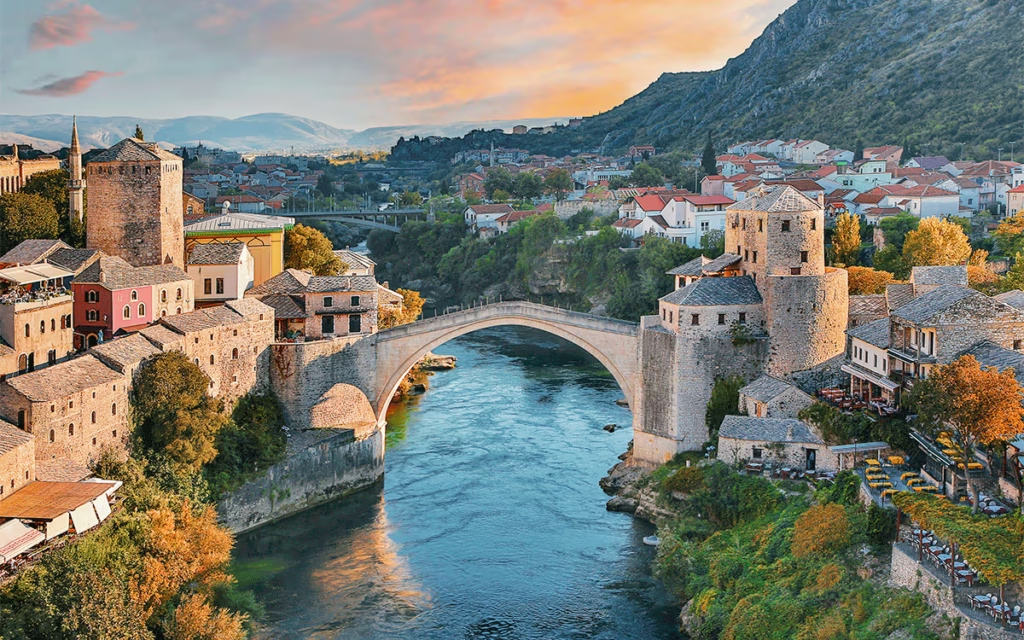
The Kujundžiluk (old bazaar) on the east bank is compact and atmospheric without yet having lost its character to souvenir-only retail. The divided city — Croat west bank, Bosniak east bank, separated by the river and a history still being processed — provides a layer of complexity that rewards more than a day-trip stop.
TrotRadar Mostar daily budget: €35–60
Getting there: Bus from Sarajevo (2.5 hours), Split (3 hours), or Dubrovnik (3 hours). For the complete Bosnia circuit, see TrotRadar’s Balkans road trip guide.
Why Hidden Gems Eastern Europe Beat the Famous Cities
Every city on this list sits within 2–3 hours of a more famous neighbour that absorbs the majority of the tourist flow. Plovdiv is 2 hours from Sofia. Prizren is 90 minutes from Pristina. Ohrid connects to Skopje by bus. Mostar is en route between Sarajevo and Dubrovnik.
The practical implication: these hidden gems in Eastern Europe are not detours in the logistical sense. They’re the right calls on routes you might already be taking — the decision to spend three nights in Plovdiv instead of Sofia, or two nights in Prizren instead of moving directly between the Balkans capitals. The extra time costs almost nothing. What it returns is the disproportionate experience quality that comes from arriving somewhere that isn’t saturated with people doing exactly what you’re doing.
For the broader budget framework covering the full region, read TrotRadar’s guide to the cheapest countries in Europe — which covers cost benchmarks for all the countries featured here.
The TrotRadar Verdict
The hidden gems of Eastern Europe are not difficult to find — they’re simply the cities that didn’t make it onto a particular shortlist at a particular moment, for reasons that have more to do with marketing and travel media cycles than with actual merit. Each one in this guide would be a headline destination in a continent less generously stocked with history. In Europe, they’re the ones you can still visit without booking three months ahead and paying peak-season prices. TrotRadar says: use that window.Every hidden gems Eastern Europe itinerary should start with this list.
Discover Eastern Europe Hidden Gem Deals
TrotRadar features current accommodation deals, city break packages, and transport options across Eastern Europe’s most rewarding undervisited cities — from Plovdiv to Prizren, Timișoara to Mostar. Browse TrotRadar’s Eastern Europe travel offers →