
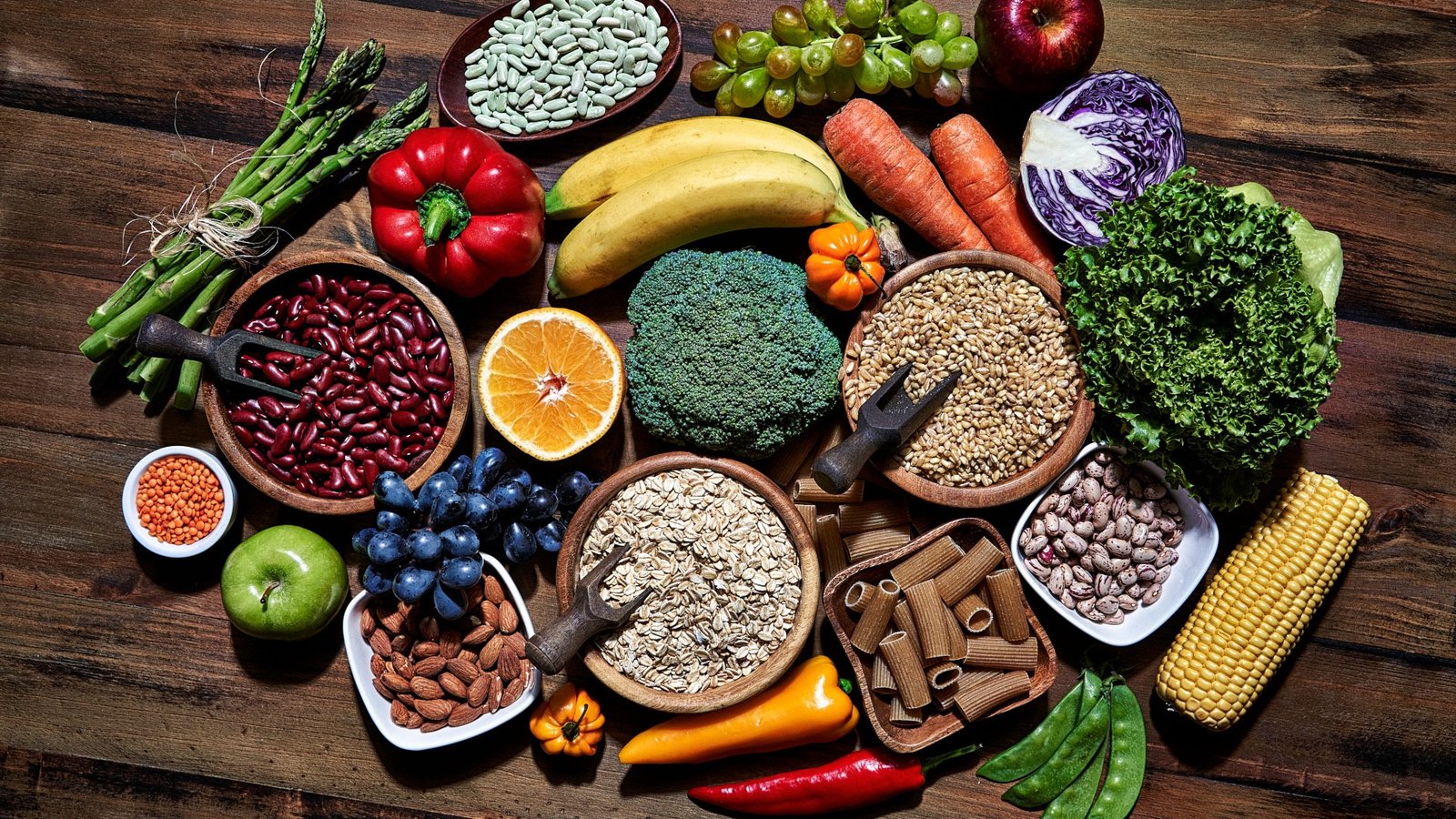
Vegan and vegetarian travel has a reputation for difficulty that is partly earned and substantially exaggerated. The earned part: arriving in a country whose cuisine is architecturally built on meat or fish without preparation and expecting easy options is genuinely difficult. The exaggerated part: with specific preparation, language tools, and destination knowledge, plant-based eating is achievable and often extraordinary across virtually every destination TrotRadar covers.
At TrotRadar, several team members travel as vegans or vegetarians across destinations ranging from Mongolian steppe towns to deep rural Japan — and the framework that makes it work is specific, practical, and learnable. This vegan vegetarian travel guide covers the destinations where plant-based eating is genuinely excellent, the preparation that makes challenging destinations manageable, and the language tools that work better than any translation app.
TrotRadar Tip: The most effective single tool for vegan and vegetarian travel is a printed dietary card in the local language — not a translated phrase but a culturally appropriate explanation of your diet, what you can’t eat (listing specific items rather than just “meat”), and what you can eat. HappyCow’s dietary card generator and VeganPassport produce these in most languages. Print them; don’t rely on phone screens in restaurant lighting. Browse TrotRadar’s food travel packages — including culinary tour options in our top vegan-friendly destinations.
The World’s Five Best Vegan and Vegetarian Travel Destinations
1. India: The Pinnacle of Vegetarian Food Culture
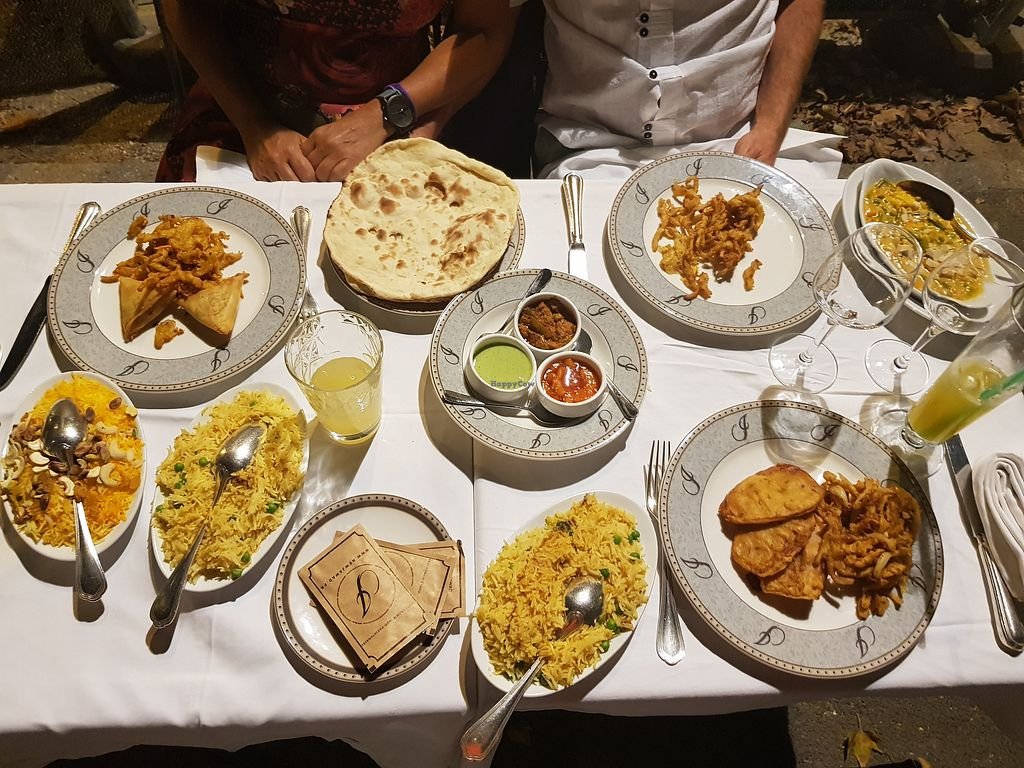
India has the largest vegetarian population in the world — approximately 30–40% of the country eats no meat, a proportion that rises significantly in specific regions and communities — and the food culture has evolved accordingly over thousands of years into the most sophisticated vegetarian cuisine on earth.
The regional variety is extraordinary: South Indian cuisine (Tamil Nadu, Karnataka, Kerala, Andhra Pradesh) operates primarily on the rice, lentil, coconut, and vegetable tradition that produces dosa, idli, sambar, rasam, and the various vegetable preparations of the thali — entirely vegetarian in most traditional contexts. Gujarati cuisine in western India is similarly vegetarian by default, producing the snack culture of dhokla, thepla, and the elaborate Gujarati thali of extraordinary variety. Rajasthani cuisine has exceptional vegetarian preparations driven historically by the region’s warrior class who adopted vegetarianism through Jain influence.
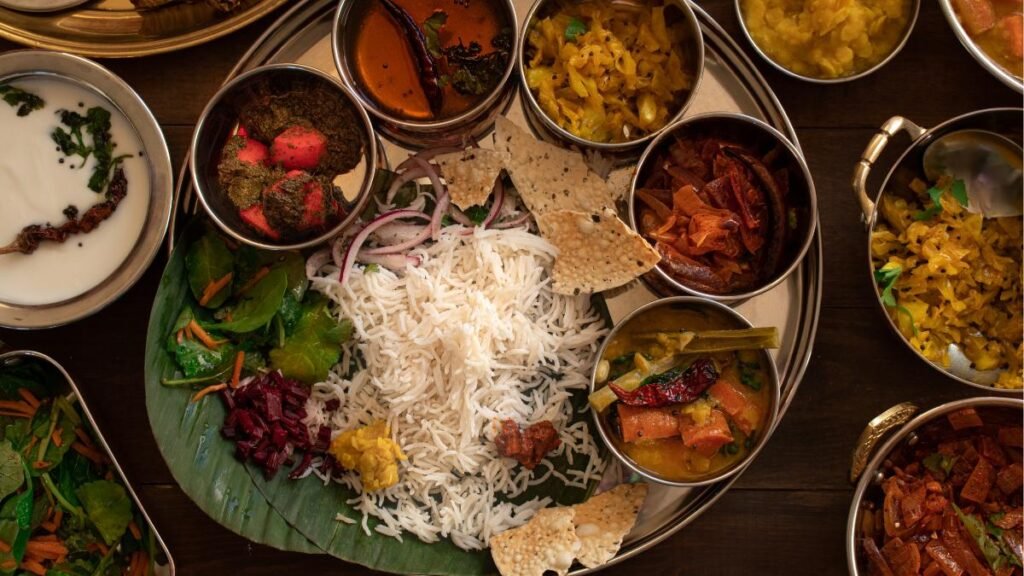
Practical India notes for plant-based travelers:
- Many Indian restaurant menus divide explicitly into “Veg” and “Non-Veg” sections — the veg section is often larger and better
- “Pure veg” restaurants (common throughout India, marked with a green square symbol on menus) prepare no meat or fish at all
- Vegans need to specify “no ghee, no paneer, no milk” — dairy is fundamental to much Indian cooking and not automatically excluded from “vegetarian” preparations
- South Indian cuisine is significantly more vegan-default than North Indian; coconut replaces dairy across many preparations
Full India food context in TrotRadar’s best budget food countries guide and our India Golden Triangle guide.
2. Taiwan: The Buddhist Vegetarian Infrastructure
Taiwan‘s strong Buddhist community has produced a vegetarian food infrastructure that makes plant-based eating in Taipei and across the island remarkably easy — the 素食 (sùshí — vegetarian food) sign identifies a vegetarian-friendly establishment, and these are common enough that finding a good vegetarian meal requires no special research.
The buffet-style vegetarian self-service format — pay by weight or plate, from a spread of 15–25 dishes — is available in every city and most towns at approximately NT$100–200 (€3–6) for a substantial meal. The quality and variety at these operations is, in TrotRadar’s experience, genuinely extraordinary for the price.
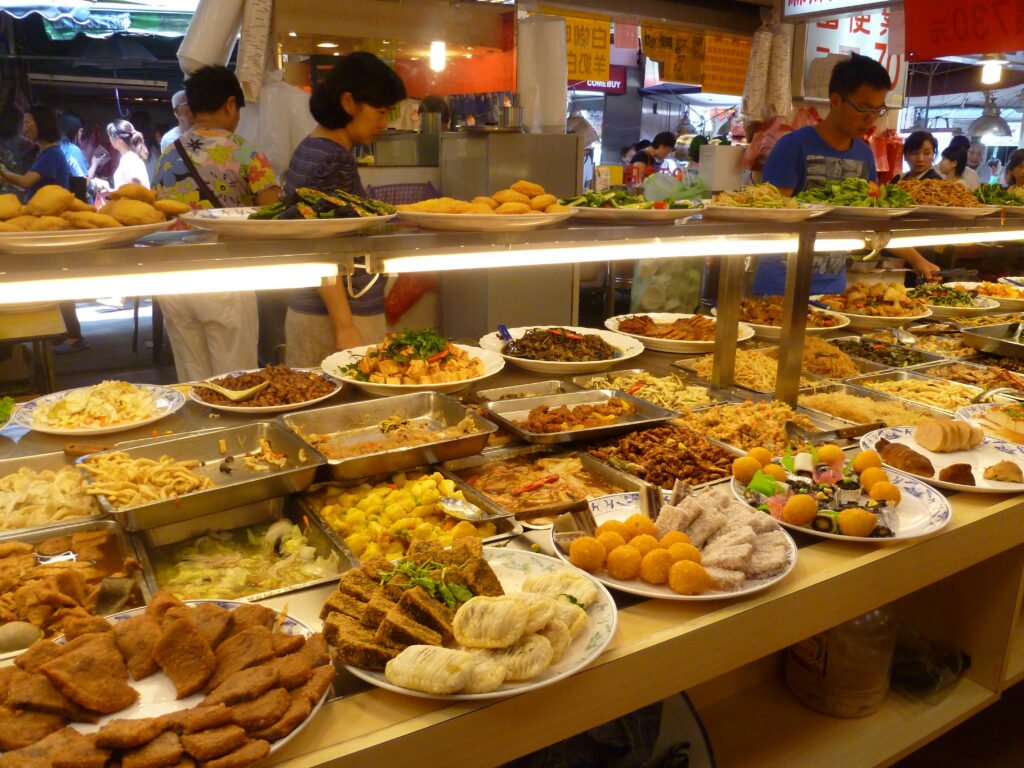
The Taiwanese Buddhist vegetarian tradition avoids the “five pungent roots” (garlic, onion, chives, leeks, shallots) — creating a flavor profile distinct from conventional Taiwanese food but rewarding in its own specific register. Many mock-meat preparations (using tofu, seitan, and mushrooms to replicate meat textures) are available and are considerably better than their reputation in Western vegan food culture.
Full Taiwan context: TrotRadar’s Taiwan travel guide.
3. Ethiopia: Where Fasting Food Is the National Cuisine
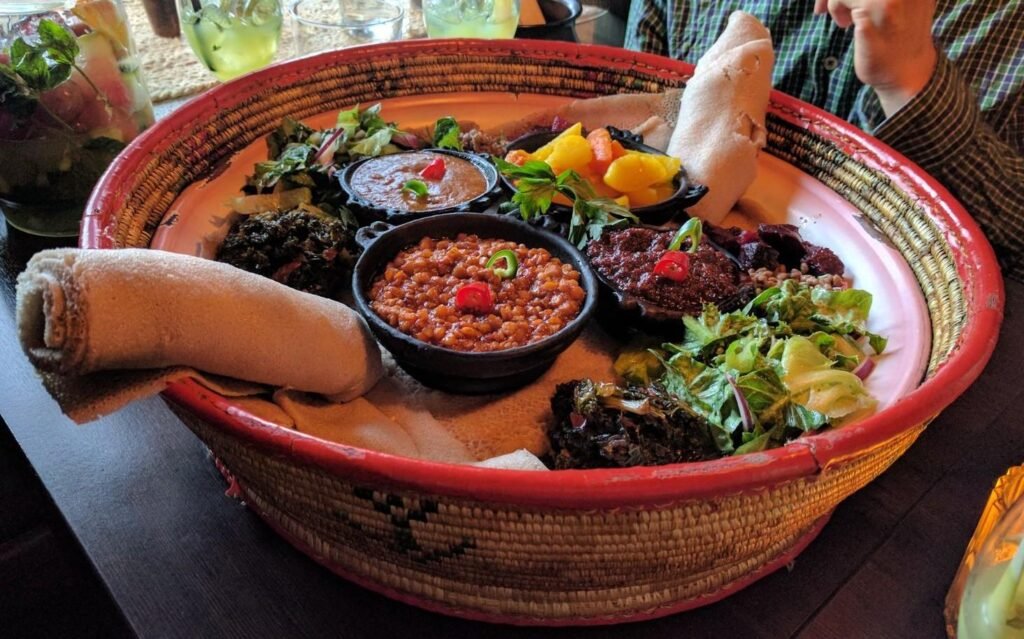
Ethiopia‘s Ethiopian Orthodox Christian tradition involves approximately 200 fasting days per year on which meat and dairy are prohibited — producing a fasting food tradition (ye’tsom beyaynetu) that is effectively vegan by design, widely available, and genuinely extraordinary.
The fasting platter — injera (a sourdough flatbread of extraordinary character) covered in a dozen small portions of plant-based stews (red lentil tibs, yellow split peas, collard greens, mushrooms, various bean preparations, tomato salads) — costs approximately $2–4 USD at any Ethiopian restaurant and is available everywhere on the fasting days that constitute roughly half the calendar. During non-fasting periods, simply ask for the fasting menu (ye’tsom) — almost every restaurant serves it.
Full Ethiopia context: TrotRadar’s Ethiopia travel guide.
4. Italy: Vegetables as Philosophy
Italy is significantly more vegan and vegetarian accessible than its meat and cheese reputation suggests — because the Italian food tradition treats vegetables, legumes, and grains as first-principle ingredients rather than sides. Contorni (vegetable side dishes), legumi (bean dishes), the entire pasta tradition (much of which is egg-free and dairy-optional), and the extraordinary Italian vegetable market culture make Italy highly accessible.
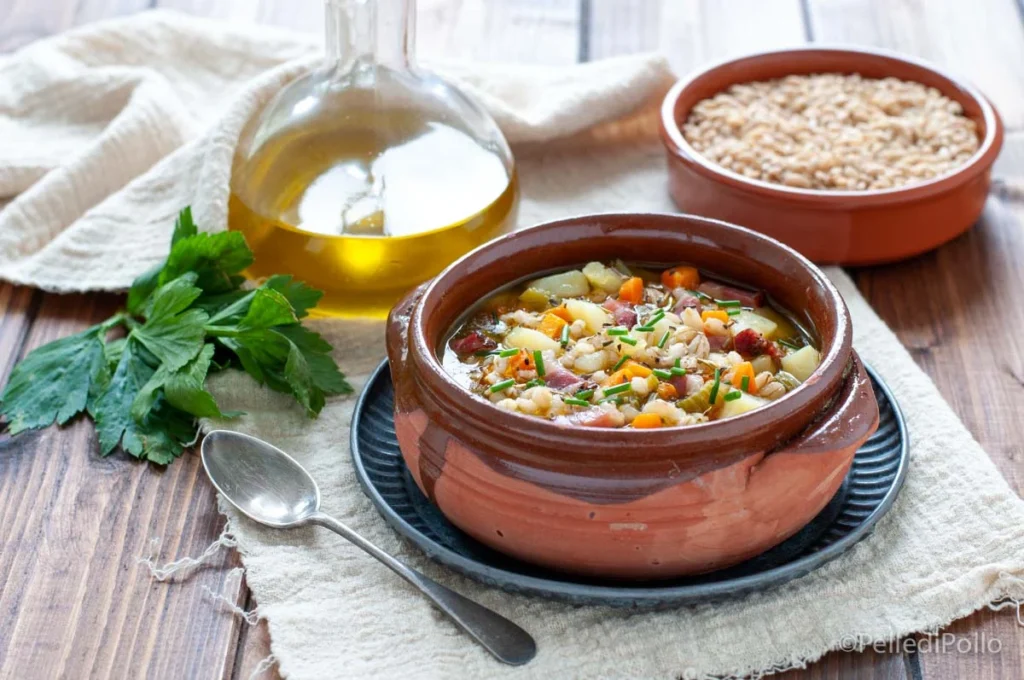
Vegans in Italy face more challenges than vegetarians — cheese and butter appear in many “vegetable” preparations — but the growth of vegan restaurant culture in Rome, Milan, and Florence has been significant, and the Italian supermarket culture (excellent olive oil, fresh vegetables, good bread, dried pasta, tinned legumes) makes self-catering the easiest plant-based option for travelers with kitchen access.
The Challenging Destinations and How to Navigate Them
Japan: Dashi Is Everywhere, Shojin Ryori Is Extraordinary
Japan is the most commonly cited difficult destination for vegans and vegetarians — and the challenge is real: dashi (a stock made from konbu seaweed and katsuobushi dried bonito flakes) is the base flavor of almost everything in Japanese cooking, including many dishes that appear vegetable-based.
The navigation strategies:
- The Japanese vegetarian card from VeganPassport or the specific Japan Vegan card that specifies dashi, katsuobushi, lard, and egg is essential — show it at every restaurant
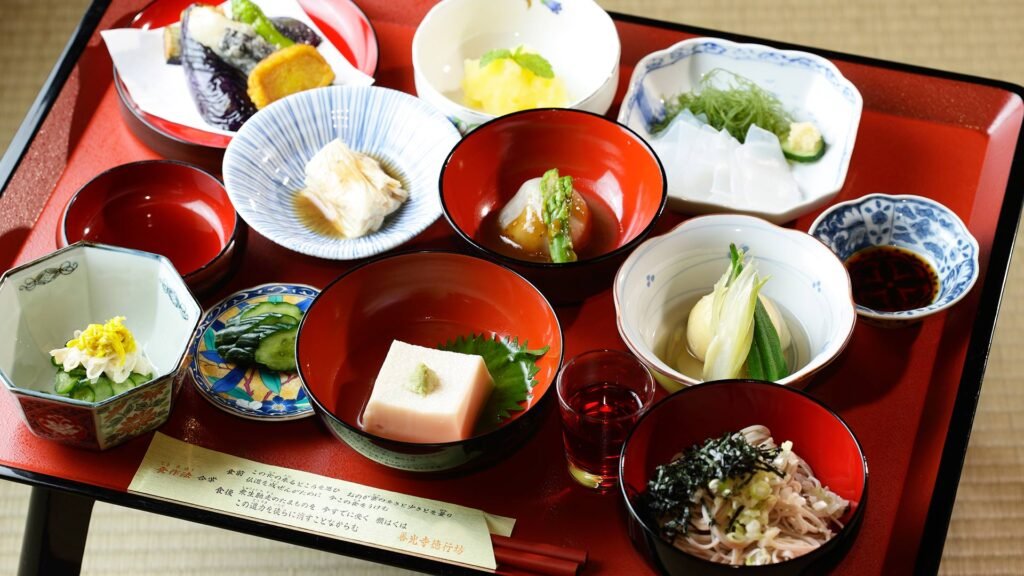
- Shojin ryori — Buddhist temple vegetarian cuisine, entirely plant-based and some of the finest food in Japan — is available at Kyoto temples (Tenryu-ji, Daitoku-ji) and specialist restaurants. A shojin ryori lunch at a temple in Kyoto is TrotRadar’s strongest Japan vegan recommendation. Cost: ¥3,000–8,000 depending on formality
- Convenience stores (7-Eleven, FamilyMart) sell onigiri with vegetable fillings, edamame, fruit, and pickled vegetables — the reliable fallback when restaurant options are unclear
- Buddhist and Shinto temple areas often have specialist vegetarian restaurants around them — a strategic choice of neighborhood for meals helps significantly
France: Dairy as Default, Restaurants Improving
France presents the classic challenge of a cuisine where butter, cream, and cheese are structural rather than optional — but the restaurant landscape has shifted significantly over the past five years, particularly in Paris, Lyon, and Bordeaux, where genuinely good vegan restaurants now exist in most neighborhoods.
The practical strategies:
- The HappyCow app identifies vegan and vegetarian restaurants with user reviews in every French city
- French outdoor markets (Tuesday and Saturday typically) provide excellent self-catering options — fresh vegetables, bread, legumes, fruit
- The French brasserie salad composée (composed salad) is usually vegan-adaptable — ask for it sans fromage, sans lardons, without the specific non-vegan elements
The Dietary Card: What It Should Contain
TrotRadar’s effective dietary card contains the following elements — in this order:
- A polite cultural greeting and explanation: “I follow a vegan/vegetarian diet for health/ethical/religious reasons. Thank you for your understanding.”
- What you cannot eat — listed specifically rather than categorically: “meat of all kinds including poultry and pork, fish and seafood including dried or powdered fish, eggs, dairy products including butter, cream, cheese, and milk (for vegans)” — the category “meat” does not reliably exclude fish in many cultures
- What you can eat — to reassure the cook: “vegetables, fruits, grains, legumes, nuts, seeds, oils, tofu, soy products”
- A polite request: “Could you please prepare a meal without these ingredients? I would be very grateful.”
Carry it in printed form and in a phone note. Show the printed card at table service restaurants; show the phone note at street food stalls where printed cards get sauce on them.
The Best Apps and Resources for Plant-Based Travel
- HappyCow: The definitive plant-based restaurant finder — global coverage, user reviews, filter by vegan/vegetarian/vegan-friendly. The subscription version removes ads and is worth the cost for frequent travelers
- VeganPassport: Dietary explanation cards in 70+ languages — download before you go; works offline
- Abillion: Restaurant discovery app focused on plant-based options, with community reviews and good coverage of Asia specifically
- Google Maps: Search “vegan restaurant [city]” or “vegetarian restaurant [city]” — the review ecosystem has improved significantly and often identifies plant-based options better than specialist apps in smaller cities
The City Rankings: TrotRadar’s Plant-Based Travel Index
From easiest to most challenging for plant-based travelers, by specific city:
Very Easy: Taipei, Chennai, Bangalore, Chiang Mai, Berlin, Amsterdam, Los Angeles, New York
Easy with Preparation: London, Lisbon, Rome, Barcelona, Bangkok, Ho Chi Minh City, Istanbul, Bali
Manageable with Language Cards: Tokyo, Osaka, Paris, Lyon, Nairobi, Hanoi, Buenos Aires
Challenging but Achievable: Ulaanbaatar (Mongolia), rural Japan, rural France, Reykjavik
For the complete food culture context across Asia — where TrotRadar finds the most consistently excellent vegetarian and vegan eating available — read our Asia street food cities guide and our Taiwan travel guide. For budget food travel generally, the best budget food countries guide covers India, Mexico, Turkey, and Georgia — all strong plant-based destinations.
Plan Your Vegan and Vegetarian Travel
The vegan vegetarian travel guide conclusion is that plant-based travel is not difficult — it is different, and the difference requires preparation rather than anxiety. The destinations that make it easiest are among the world’s finest food destinations regardless of diet: India’s vegetarian traditions, Taiwan’s Buddhist food culture, Ethiopia’s fasting cuisine. These are not consolation destinations for travelers who can’t eat meat — they are extraordinary destinations where a plant-based diet accesses the best of the local food culture rather than a compromised version of it.
Print the dietary card. Download HappyCow. Learn “vegan” and “no dairy” in the local language before you land. Then eat, because the world’s best food is waiting for you regardless of what you don’t put in it.
Find Your Plant-Based Travel Deal
TrotRadar features culinary tours in India, Taiwan, and Ethiopia specifically curated for vegan and vegetarian travelers — including cooking classes, market visits, and temple food experiences that showcase plant-based cuisine at its absolute finest. Browse TrotRadar’s food travel offers →