Planning your first trip to Asia can feel exciting and overwhelming at the same time. Asia includes dozens of countries with very different languages, cultures, costs, transport systems and travel styles, so the best destination depends on your budget, confidence level and interests.
This first time in Asia travel guide helps you choose between Thailand, Japan and Vietnam, prepare for practical details such as visas and mobile data, and understand the cultural differences that can make your first trip smoother. For most first-time visitors, the best approach is to explore one country properly rather than rushing through several destinations.
TrotRadar Tip: The most important decision for a first Asia trip is choosing depth over breadth. Four weeks in one country produces a genuinely meaningful experience. Four weeks covering seven countries produces a series of airport impressions. TrotRadar consistently recommends against the “Asia highlights” approach on a first trip — choose one country or one region and explore it properly. Browse TrotRadar’s first Asia trip packages — we feature country-specific itineraries and accommodation combinations for all the destinations covered here.
The Starting Country Decision: TrotRadar’s Full Assessment
Thailand: The Easiest First Asia Experience
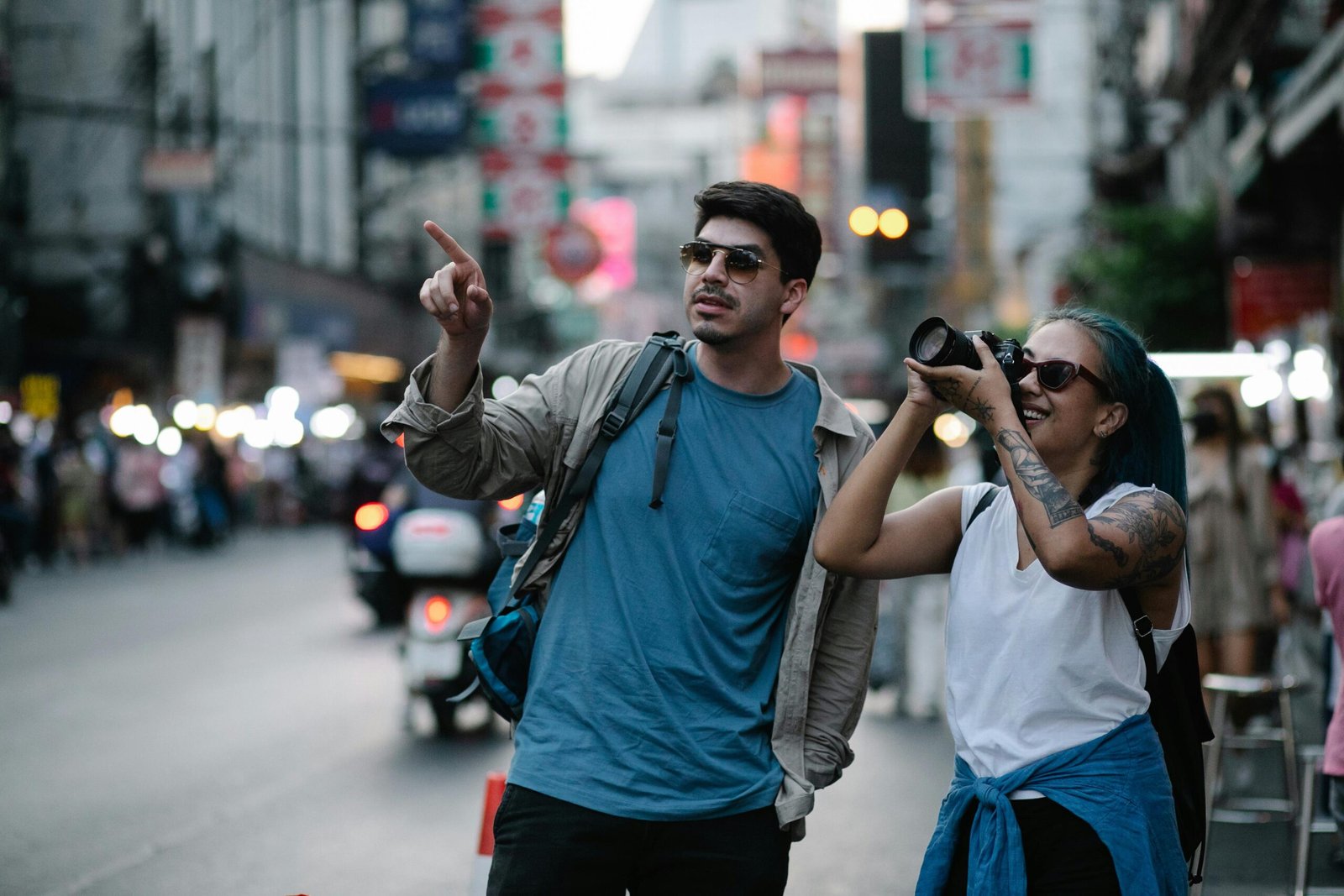
Thailand is TrotRadar’s top recommendation for travelers who are completely new to long-haul Asia travel — not because it’s the most extraordinary destination (though it is genuinely extraordinary) but because it has the most developed independent traveler infrastructure of any Asian country: English is widely spoken, the transportation network is comprehensive, the accommodation range from budget to luxury is excellent, and the combination of city (Bangkok), culture (Chiang Mai and the north), and beach (southern islands) within a single country gives first-timers maximum variety without the complexity of border crossings and currency changes.
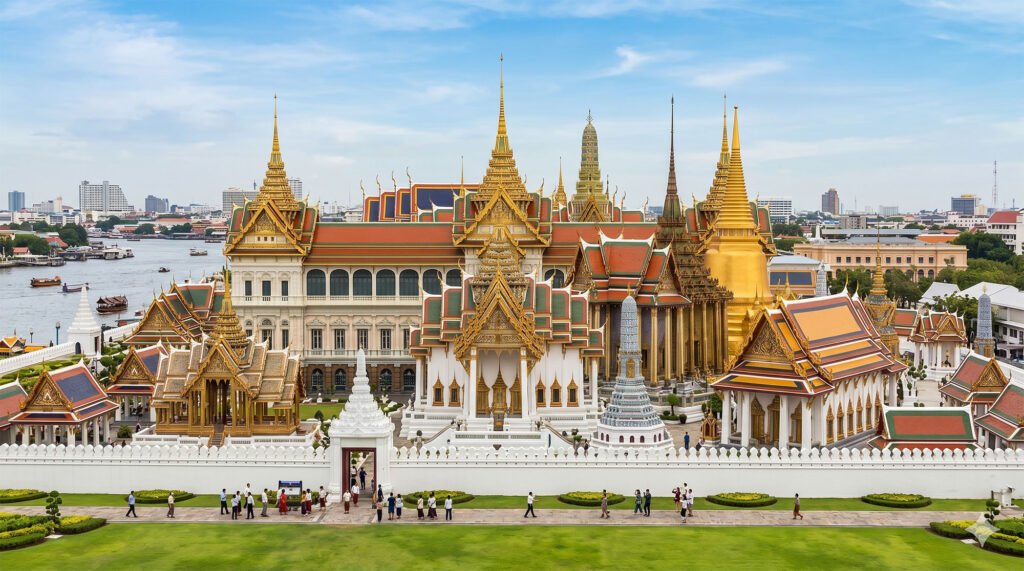
Bangkok is the correct starting point: the Grand Palace and Wat Phra Kaew for the architectural and religious introduction to Thai Buddhism (arrive at opening, 8:30 AM — dress code strictly enforced, sarongs available at the entrance), the Chatuchak Weekend Market for the first immersive Thai market experience (Saturday–Sunday, 200,000 visitors per weekend, 15,000 stalls), and the Chinatown (Yaowarat) food district for the first genuine Asia street food evening. Two nights in Bangkok, then move north or south.
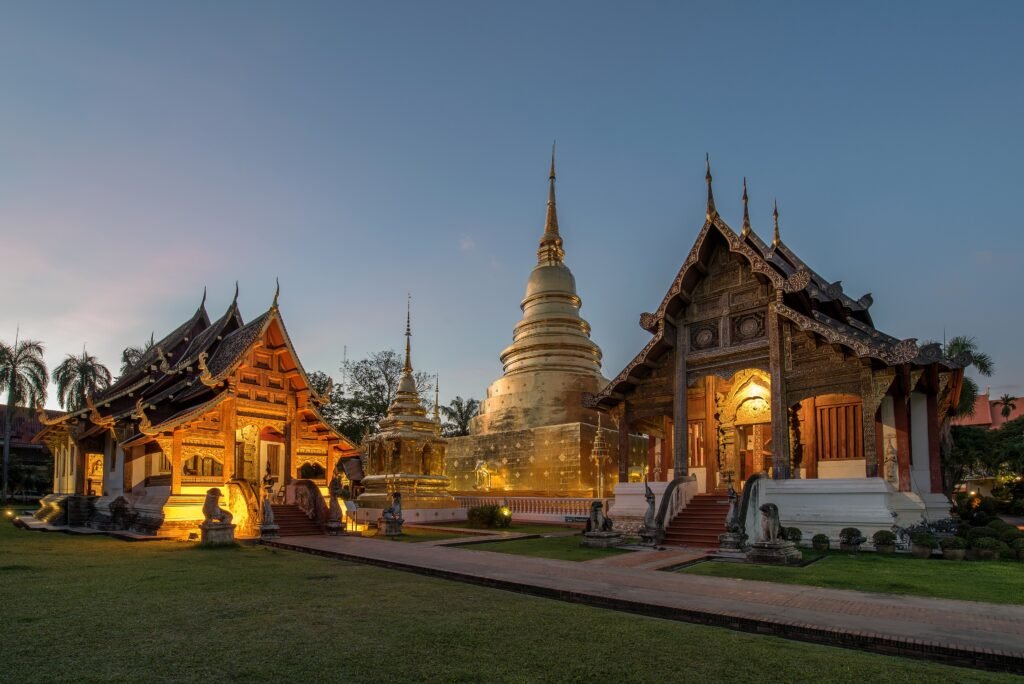
Chiang Mai for the cultural depth: hundreds of temples, the night bazaar, excellent cooking classes ($25–40 USD for half-day, market tour plus hands-on cooking), elephant sanctuaries (choose ethically operated ones where elephants are observed and fed rather than ridden — TrotRadar’s sustainable travel guide covers ethical wildlife tourism selection), and the Doi Inthanon national park day trip for mountain forest hiking.
For the islands, TrotRadar recommends the Gulf of Thailand side for first-timers (Koh Samui, Koh Tao, Koh Phangan) for better weather consistency, or Koh Lanta on the Andaman side (November–April) for the finest beach character without peak-season density. TrotRadar’s complete Southeast Asia island guide covers the full options.

TrotRadar Thailand first-trip daily budget: $30–60/day
Japan: The Most Rewarding First Asia Trip for Culture Travelers
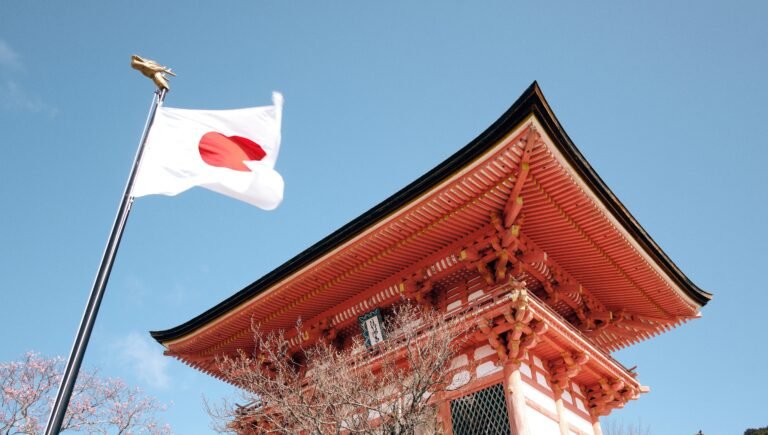
Japan is TrotRadar’s recommendation for first-time Asia travelers whose priorities are safety, food culture, architectural heritage, and a social experience that is distinctive rather than generically tourist-facing. It is not the easiest first Asia trip — the language barrier requires more active navigation than Thailand — but it is the one that most consistently produces travelers who say “I want to go back” within a month of returning home.
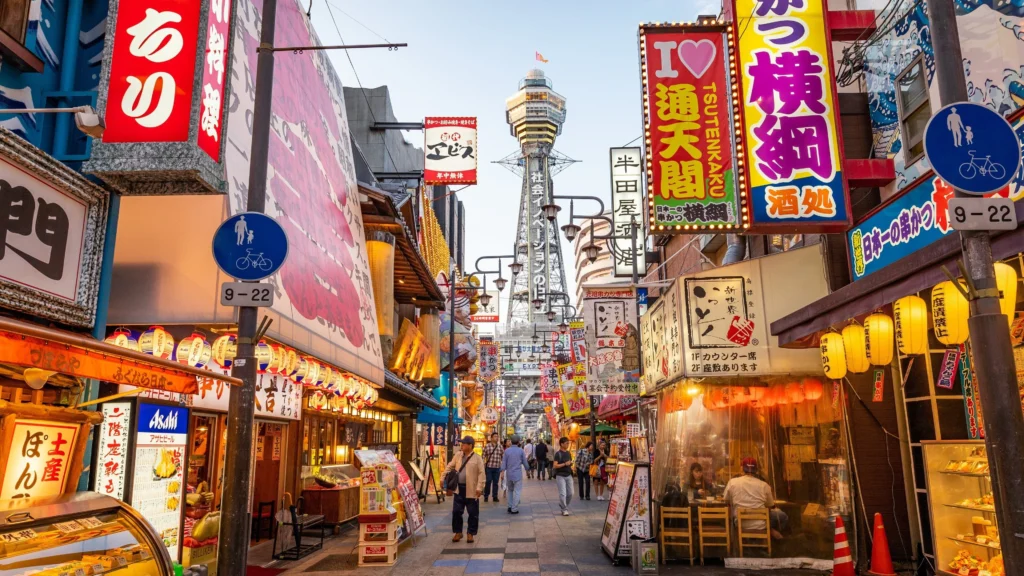
The standard first Japan circuit — Tokyo (3–4 nights), Kyoto (3 nights), Osaka (2 nights), with day trips to Nara, Hiroshima, and the Arashiyama bamboo grove — covers approximately 10 days and provides a comprehensive introduction to Japan’s cultural range: the hyper-urban modernity of Tokyo alongside the traditional temple culture of Kyoto, the food intensity of Osaka alongside the profound historical weight of Hiroshima. The Japan Rail Pass (available to foreign tourists, covering all Shinkansen between these cities) makes the logistics elegant.
TrotRadar’s Kyoto guide covers the temples and the lesser-known neighborhoods in detail: Kyoto beyond the temples guide.
TrotRadar Japan first-trip daily budget: ¥8,000–15,000 (€50–95)/day
Vietnam: The First Asia Trip for Value-Focused Travelers
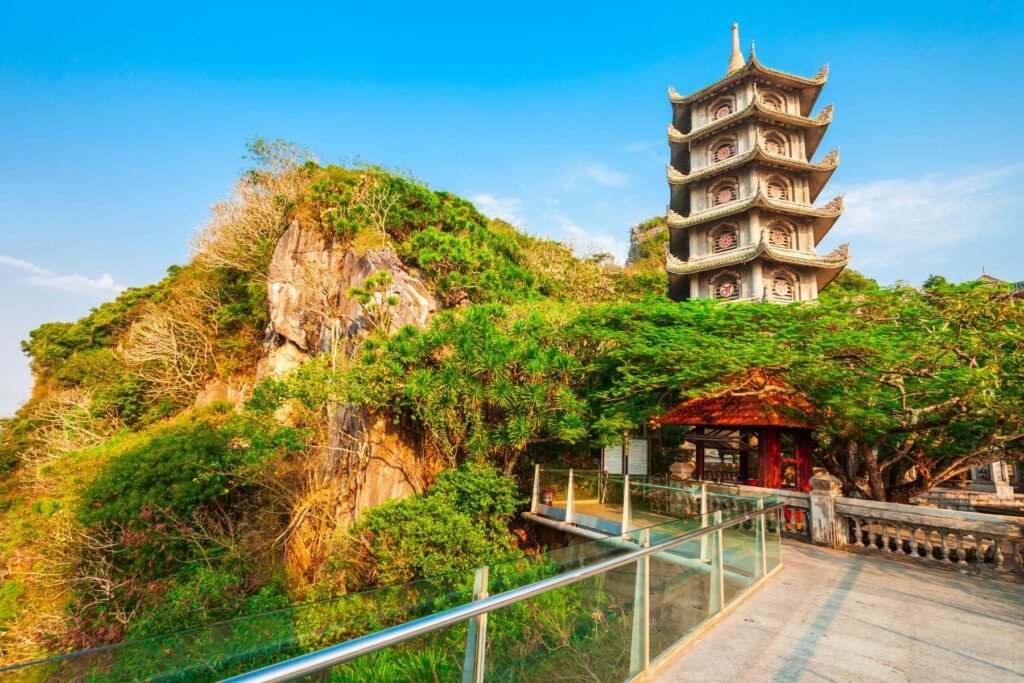
Vietnam‘s north-to-south structure makes it the most logically organized first Asia trip for travelers who want a single-country experience with maximum internal variety. The contrast between Hanoi’s Chinese-influenced street culture and Ho Chi Minh City’s French-colonial-meets-modern-Asia character, with the extraordinary middle section (Hội An, the Marble Mountains, Nha Trang) between them, gives three weeks of continuously changing scenery and experience.
Vietnam is also the correct first Asia trip for travelers coming from a food-motivated background — the cuisine is world-class, accessible, and extraordinarily affordable. TrotRadar’s complete Vietnam route guide: Vietnam Hanoi to Ho Chi Minh City guide.
TrotRadar Vietnam first-trip daily budget: $20–40/day
What to Prepare Before Your First Asia Trip
Visas: Research every country you’ll visit individually and early — at least 4 weeks before departure for e-visas, longer for embassy applications. Thailand (visa-exempt 30–60 days for most nationalities), Japan (visa-exempt 90 days for most), Vietnam (e-visa $25, 90 days) all have relatively straightforward processes for Western nationalities. Always verify current requirements at the destination country’s official embassy or immigration website.
Health preparation: Visit a travel health clinic 6–8 weeks before departure. Standard recommendations for most of Asia: Hepatitis A, Hepatitis B, Typhoid vaccinations; Malaria prophylaxis for Southeast Asia (not required for Japan, most of China, Singapore, or Hong Kong). Dengue fever is present across Southeast Asia — consistent use of insect repellent (DEET or picaridin) is the primary protection. Read TrotRadar’s travel insurance guide for the specific coverage requirements for Asia travel.

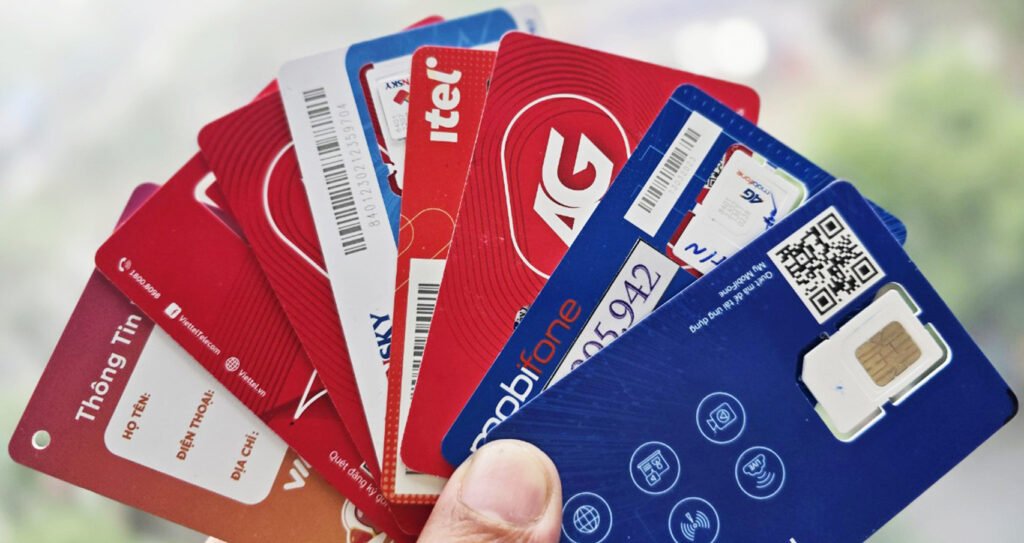
Mobile connectivity: A local SIM card purchased on arrival at the airport is the most cost-effective data solution in every Asian country. Japan’s SIM options (IIJ, NTT Docomo) provide data-only SIMs for approximately ¥3,000–5,000/month; Vietnam and Thailand SIMs with unlimited data cost approximately $5–8 USD/month. Alternatively, a global eSIM (Airalo, Holafly) provides coverage across multiple countries on a single plan — useful for multi-country trips.
Payment: Cash remains king across most of Asia for street food, markets, and smaller guesthouses. Carry a debit card with low foreign transaction fees (Charles Schwab, Starling, or Wise cards eliminate ATM fees entirely). Withdraw local currency at airport ATMs on arrival rather than exchanging at airport currency desks (consistently inferior rates).
The Cultural Adjustments That Make the Difference
First-time Asia travelers consistently report that the specific cultural adjustments they made — or failed to make — in the first few days shaped the entire trip. TrotRadar’s essential framework:
The physical gestures:
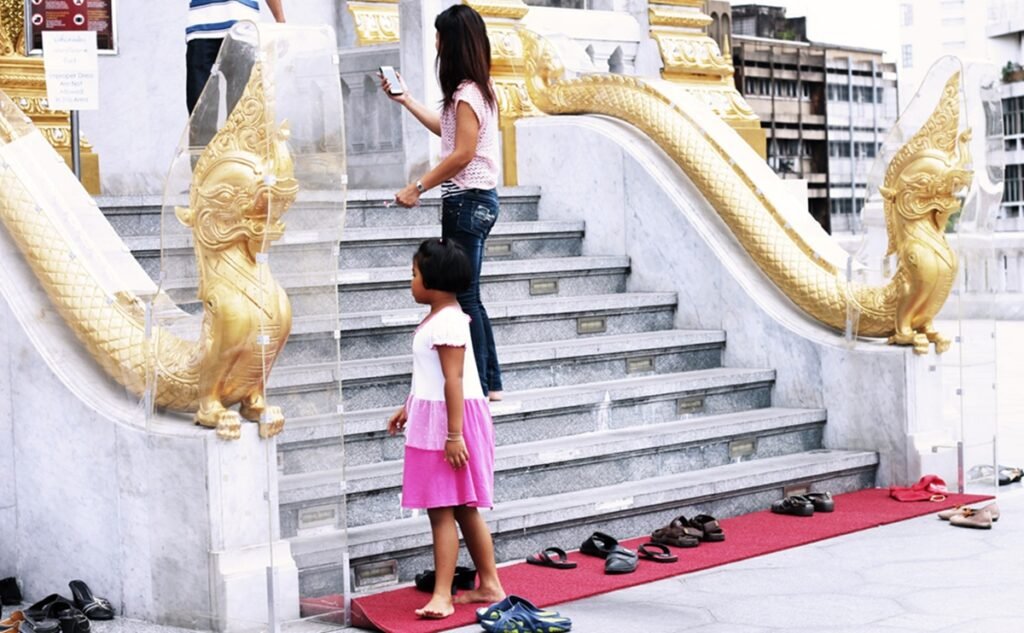
- Remove shoes before entering temples, guesthouses, and many homes — a shoe rack or pile of footwear at the entrance is the signal
- Use both hands when giving or receiving items (money, cards, gifts) in Japan, Korea, and much of Southeast Asia — one-handed exchange can read as dismissive
- Don’t touch heads — the head is considered sacred in Buddhist cultures; touching someone’s head (including children’s) is inappropriate
- Point with your whole hand rather than a single finger in much of Southeast Asia — pointing with one finger is considered rude
The social adjustments:
- Smile and laugh more than you normally would — across Southeast Asia, a genuine smile is the primary social currency and opens more doors than any language skill
- Don’t raise your voice or express frustration publicly — public loss of composure causes significant social discomfort in most Asian cultures and typically produces the opposite of the intended result
- Learn five words of the local language before arriving — hello, thank you, delicious (particularly useful), how much, and the local currency name. TrotRadar’s language learning travel guide covers the approach in detail
The food approach:
- Say yes to food you don’t recognize — the most memorable first Asia food experiences consistently begin with unfamiliar ingredients. The worst that happens is you don’t like it; the best is a dish you’ll spend the rest of your life trying to recreate
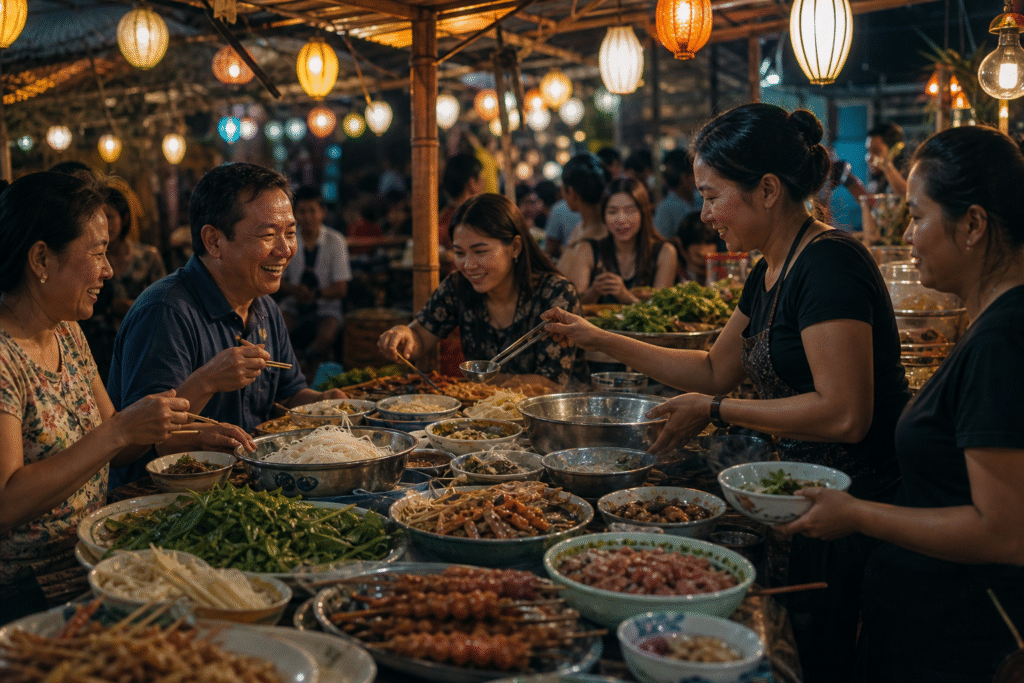
- Eat where there is a queue of local people — the reliable quality signal in any Asian market or street food context
- Carry toilet paper — not universally provided in Southeast Asian public facilities; the bum gun (bidet spray) is the local alternative and worth learning to use
Managing First Asia Trip Expectations
TrotRadar’s honest briefing for first-time Asia travelers:
The sensory intensity is real. Bangkok, Delhi, Ho Chi Minh City — these are among the most densely inhabited, most visually and acoustically intense environments most Western travelers have experienced. The first 24–48 hours often involve overwhelm that passes once your nervous system recalibrates. Build in a genuinely slow first day at each major city stop.
The food will challenge your stomach initially. Not from danger but from adjustment — spice levels, oil quantities, and bacterial profiles that your digestive system hasn’t encountered before. Carry oral rehydration sachets and a basic traveler’s diarrhea treatment (consult your travel health clinic) as standard preparation, not alarm.
The kindness is real. Every experienced Asia traveler reports some version of the same discovery: the warmth, generosity, and genuine curiosity toward foreign visitors across most of Asia significantly exceeds expectations calibrated on European or North American social norms. This takes some recalibration too — the stranger who invites you to their family dinner in Georgia has a counterpart in Thailand, Vietnam, and Japan. Accept the invitation.
The TrotRadar First Asia Trip Verdict
The first time in Asia travel guide conclusion is that the continent rewards the traveler who arrives with curiosity over checklists, depth over breadth, and patience over pace. Choose one country or one region. Eat the food you don’t recognize. Slow down more than the itinerary demands. And book the return trip before you’ve left — because every first-time Asia traveler who engages fully with what they find needs more than one trip to make sense of it. TrotRadar will be here for the planning of all of them.
Find Your First Asia Trip Deal
TrotRadar features Thailand first-trip packages, Japan rail-pass combinations, Vietnam north-to-south itineraries, and Bali culture-and-beach packages — all designed for travelers making their first Asia journey. Browse TrotRadar’s first Asia trip offers →