
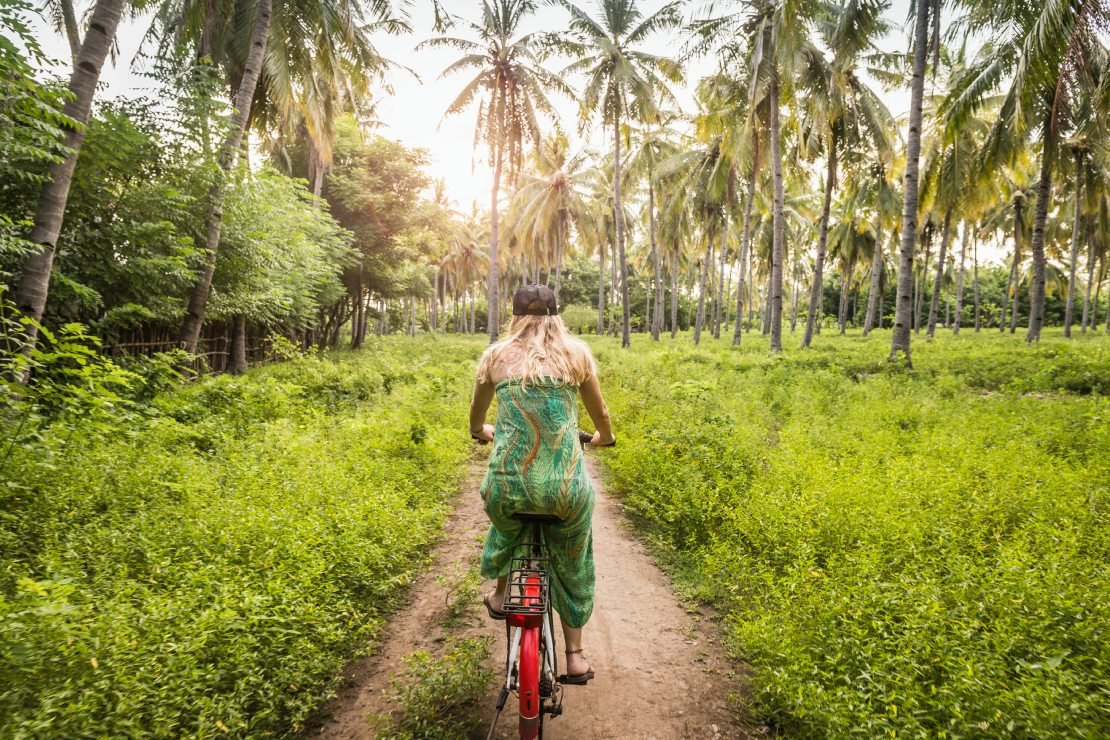
Sustainable travel is the topic that generates the most content and the most confusion in responsible travel writing — partly because “sustainable” has been stretched to cover everything from choosing a reusable water bottle to refusing all aviation, and partly because the genuine complexity of travel’s environmental and social impact doesn’t reduce neatly to a checklist. At TrotRadar, we’ve taken a consistent position on this: sustainable travel requires honest engagement with real trade-offs, not the adoption of a marketing vocabulary that makes travelers feel virtuous without changing much.
This sustainable travel guide 2026 is the honest version — the specific choices that actually make a difference, the areas where the impact is smaller than the conversation suggests, and the framework for thinking about responsible travel without either paralysis or greenwashing.
TrotRadar Tip: The single most effective sustainable travel decision is where you choose to spend your money on the ground. A locally-owned guesthouse vs. an international chain hotel. A community-run tour vs. a foreign-operated agency. A market lunch vs. a tourist-zone restaurant. These spending decisions determine how much of your travel budget stays in the local economy — and that economic benefit is the primary mechanism through which tourism creates genuine local value. Browse TrotRadar’s sustainable travel partners — we feature locally-owned accommodation and community-based tour operators across our destination coverage.
The Aviation Reality: The Conversation No One Wants to Have Fully
Aviation accounts for approximately 2.5% of global CO₂ emissions — a figure that sounds modest but rises to 3.5–4% when the warming effects of contrail formation and high-altitude emission are included. For the relatively small proportion of the global population that flies regularly, the per-person aviation carbon footprint is substantial.
TrotRadar’s honest position on aviation and sustainable travel: the carbon offset industry is imperfect (most offsets do not deliver the promised reductions at the claimed permanence), and the most effective aviation-related sustainable travel action is simply flying less — taking fewer, longer trips rather than multiple short ones, using ground transport for shorter distances, and spending more time in each destination to justify the flights taken.

The specific actions that help:
- Fly direct when possible. Take-off and landing produce a disproportionate share of a flight’s total emissions — a direct flight emits less per kilometre than the equivalent distance via one or two connections
- Choose economy class. Business and first class passengers have a significantly larger carbon footprint per flight — the space and weight they occupy scales the emission accordingly (business class: approximately 3x economy; first class: approximately 9x economy on some calculations)
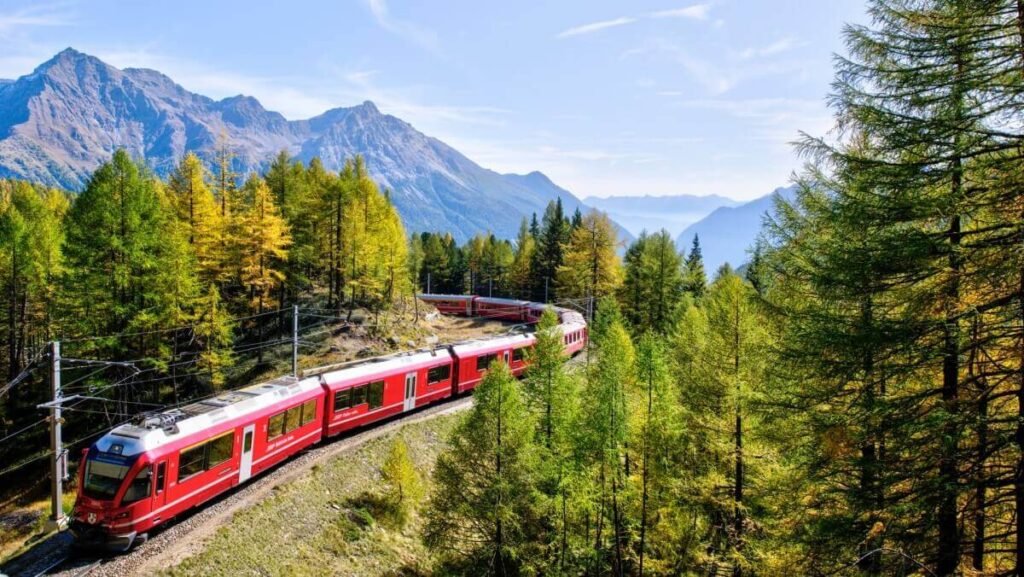
- Replace short-haul flights with ground transport. The London–Paris, Amsterdam–Brussels, and Milan–Rome routes are all faster door-to-door by train — and with a fraction of the carbon output. TrotRadar’s European rail guide covers the specific calculations in detail
- Use certified carbon offset as a supplement, not a substitute. If you fly, offset as a supplementary action — preferably through Gold Standard or Verra (VCS) certified projects with permanent, verified carbon removal rather than simple avoidance credits
Accommodation: Where You Stay Matters More Than You Think
The accommodation decision affects sustainable travel in two distinct ways: the environmental footprint of the property and the economic distribution of the money you spend there.
The environmental dimension: Choosing accommodation with genuine environmental credentials (solar power, water conservation, waste management, local food sourcing) makes a real but modest difference. Look for Green Key or Rainforest Alliance certification rather than self-reported “eco” claims — the label is frequently used without any verifiable standard.

The economic dimension: This is where the impact is more significant. Research consistently shows that locally-owned hotels and guesthouses retain approximately 65–70% of tourism spending within the local economy, while international chain hotels retain approximately 20–30% locally (the remainder going to corporate headquarters, imported goods, and international staff salaries).
TrotRadar’s practical accommodation sustainability checklist:
- Is the property locally owned and operated?
- Does it source food from local suppliers?
- Does it employ local staff at fair wages?
- Does it have an explicit environmental policy (waste reduction, energy, water)?
- Does it contribute to local conservation or community programs?
The first two questions alone — local ownership and local food — capture most of the economic sustainability impact. TrotRadar considers them the most important filters in accommodation selection.
Wildlife Tourism: The Choices That Actually Matter
Wildlife tourism is the area where sustainable travel choices have the most direct impact on individual animals and ecosystems — and where the gap between marketed “ethical” experiences and genuinely ethical ones is most consequential.
TrotRadar’s wildlife tourism red lines:
- No physical contact with wild animals. Elephant rides, lion walks, tiger selfies, cheetah petting — all involve either captivity, conditioning, or both that compromises the animals involved. TrotRadar does not recommend any of these, regardless of how the operator markets them
- No fed wildlife encounters. The Oslob whale shark feeding (Philippines), several monkey feeding operations in Southeast Asia, and similar operations that maintain wildlife presence by providing food create dependency and behavioural distortion. TrotRadar’s Southeast Asia islands guide addresses this specifically
- No performances by trained wild animals. Dancing bears, monkey shows, snake charming, and similar street performances involve animals trained through methods that are incompatible with their welfare
TrotRadar’s positive wildlife tourism framework:
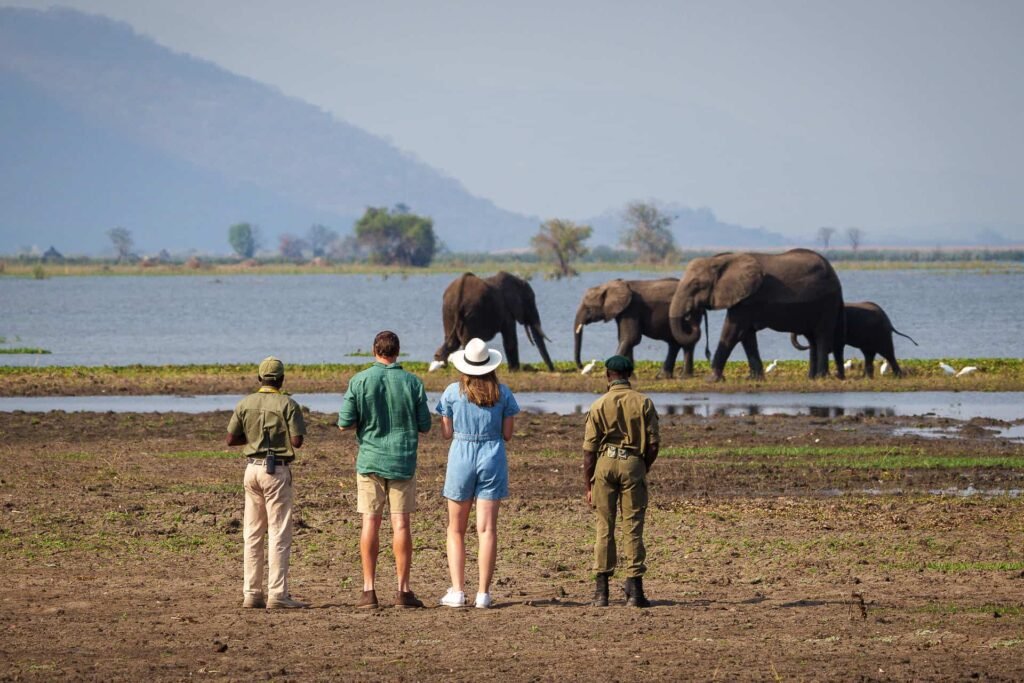
- Wild observation with professional guides — safari in national parks, whale watching from licensed operators, gorilla trekking with certified guides — creates economic value for conservation and wildlife protection
- Community-based conservation areas where local communities earn revenue from wildlife presence — Namibian community conservancies, Zambian community-run camps — create the strongest economic incentive structure for wildlife protection
- Accredited sanctuaries for animals that genuinely cannot be returned to the wild (injured animals, orphaned primates, rescued elephants) are legitimate and valuable — verify accreditation with bodies like GFAS (Global Federation of Animal Sanctuaries) before visiting
Spending: The Most Direct Sustainability Lever
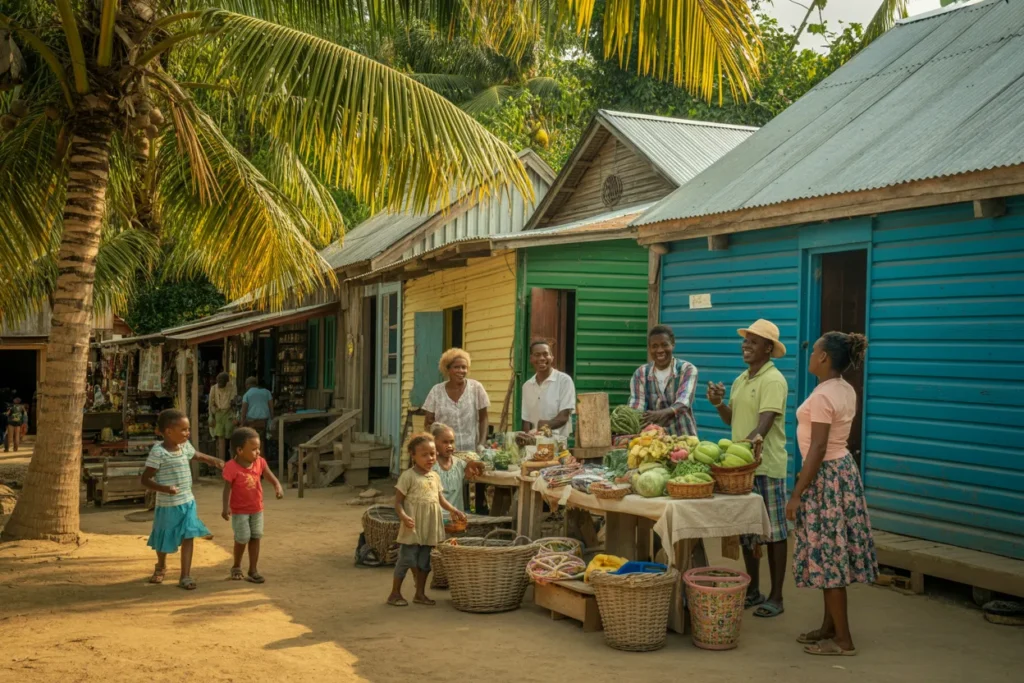
Of all the sustainable travel decisions available, where you spend your money on the ground has the most direct and most immediate positive impact. TrotRadar’s practical spending framework:
Buy directly from producers. The artisan at the market who made the textile receives the full price. The hotel gift shop selling the same textile retains a margin and may be sourcing from a factory in another city. The former benefits a person; the latter benefits a supply chain.
Eat at locally-owned restaurants. The economic distribution argument from accommodation applies equally to restaurants — local ownership means local staff, local suppliers, local reinvestment. This is also, as TrotRadar notes consistently across our food coverage, where the best food is.
Use local guides. Guides who come from the community you’re visiting — rather than guides from a different region or country operating in your language — provide both a richer experience and a more direct economic benefit. Paying a local guide fairly (don’t bargain down guide rates — this is someone’s livelihood, not a souvenir transaction) is one of the most consequential spending decisions available in travel.
Carry small denominations for local purchases. Large notes at small market stalls create change problems that frequently result in travelers accepting less change than they’re owed or abandoning small purchases. Changing money into small denominations at your arrival point bank or ATM eliminates this friction.
Plastic: The Visible Problem and the Less Visible Solutions
Single-use plastic reduction is the most visible sustainable travel topic and also, relative to aviation impact, one of the lower-leverage areas. That said, the practical changes are easy and the visual impact of plastic pollution in developing-world tourist destinations is a compelling motivation for taking them.
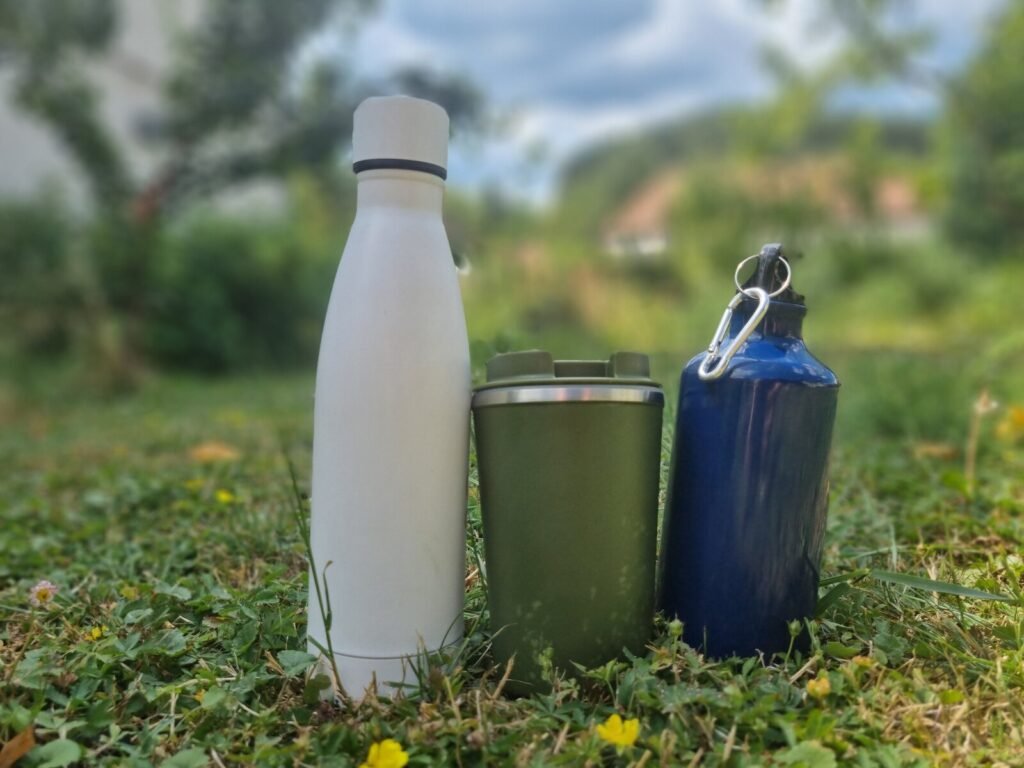
TrotRadar’s practical anti-plastic kit:
- Reusable water bottle with filter (Grayl GeoPress is TrotRadar’s recommendation — filters to drinking-water standard from any freshwater source) — eliminates the need for bottled water in most destinations
- Reusable bag (a lightweight packable tote weighs nothing and eliminates plastic bag acceptance at markets and shops)
- Solid toiletry bars (shampoo, conditioner, soap in bar form — no plastic bottles, no liquid restrictions, slower consumption rate than liquid equivalents)
- Refusal of straws, disposable cutlery, and single-use cups where alternatives are available — more complex in destinations with limited reusable options
Over-Tourism: The Problem That Requires a Different Kind of Choice
Over-tourism — the condition in which visitor volume degrades the quality of both the visitor experience and the resident experience in a destination — is the sustainable travel problem that most directly affects the traveler’s own experience as well as the destination’s health.
TrotRadar’s approach to over-tourism is structural rather than merely seasonal:
Visit the alternatives. Every over-touristed destination has less-visited equivalents that are equally or more rewarding — this is the premise of TrotRadar’s entire “beyond” and “hidden gems” content series. Dubrovnik is crowded; Vis is not. Santorini is overwhelmed; Naxos is not. Machu Picchu requires a permit; the Choquequirao trek to an equivalent Inca site does too but with a fraction of the visitors.
Visit in the shoulder season. Choosing May, June, September, or October over July and August in most European destinations distributes visitor impact more evenly and produces a better experience for everyone — including the traveler.
Spend more time in fewer places. The traveler who spends two weeks in one destination puts significantly less pressure on over-visited sites than the traveler covering seven countries in two weeks. This is also the premise of TrotRadar’s slow travel benefits guide.

The Honest Assessment: What Doesn’t Matter as Much as You Think
Sustainable travel discourse occasionally allocates attention to actions whose impact is minimal relative to the choices described above. TrotRadar’s honest recalibration:
Hotel towel and sheet reuse: Genuine but small water saving. Worth doing; not a primary sustainability lever.
Biodegradable sunscreen: Meaningful for reef diving in specific chemically sensitive reef environments. Not a significant factor in most travel contexts.
Carbon-neutral hotel certification: Many certifications are self-reported and unverified. Rigorous third-party certification exists but is not universal. Local ownership and local employment have more reliable positive impact than the certificate on the wall.
Buying local products: Positive economic impact — but offset by the carbon cost of shipping products home if they’re heavy. Consumables (local food, coffee, spices) are the better local purchase choice by this logic.
For the complete sustainable travel and wildlife framework in the context of Africa travel specifically, read TrotRadar’s Africa safari guide — which covers ethical safari operators and community-based conservation in detail.

The TrotRadar Sustainable Travel Position
Sustainable travel in 2026 is not an ideology — it is a set of specific choices that produce demonstrably better outcomes for the places and people you encounter than the alternatives. TrotRadar makes these choices not because we think travel should stop or that guilt should accompany every flight booking, but because we genuinely believe that a traveling culture that engages thoughtfully with its impact produces better experiences, better destinations, and better outcomes than one that doesn’t.
Fly less, stay longer, spend locally, observe wildlife without touching it, go to the places nobody’s going yet. That’s sustainable travel in practice. TrotRadar does it, and we recommend it.
Find Sustainable Travel Deals
TrotRadar features locally-owned accommodation, community-based tour operators, eco-certified lodges, and train travel options across all our destination coverage — curated with genuine sustainability credentials rather than marketing vocabulary. Browse TrotRadar’s sustainable travel offers →