Cuba occupies a unique position in the travel landscape: a Caribbean island that is simultaneously one of the most recognizable destinations on earth and one of the most genuinely difficult to travel practically — not because it’s dangerous or unwelcoming, but because the infrastructure operates on entirely different principles from anywhere else. At TrotRadar, we approach this Cuba travel guide 2026 with the same editorial position we bring to all genuinely complex destinations: honest about the friction, specific about the rewards, and practical about how to navigate the gap between the two.
The honest starting point: Cuba in 2026 continues to face significant economic challenges. The combination of long-standing US sanctions, post-pandemic tourism recovery, and ongoing structural economic difficulties means that traveler reports vary considerably depending on timing. TrotRadar recommends verifying current conditions through recent traveler reports (not guidebooks, which date quickly for Cuba) before finalising any planning.
TrotRadar Tip: Cuba’s official currency is the Cuban peso (CUP), but visitors often encounter a separate informal exchange market. Bring sufficient cash and confirm current exchange practices shortly before departure. Browse TrotRadar’s Cuba travel packages — we feature casa particular accommodation and guided tour options that handle the logistical complexity.
Havana: The City That Makes No Concessions to Time
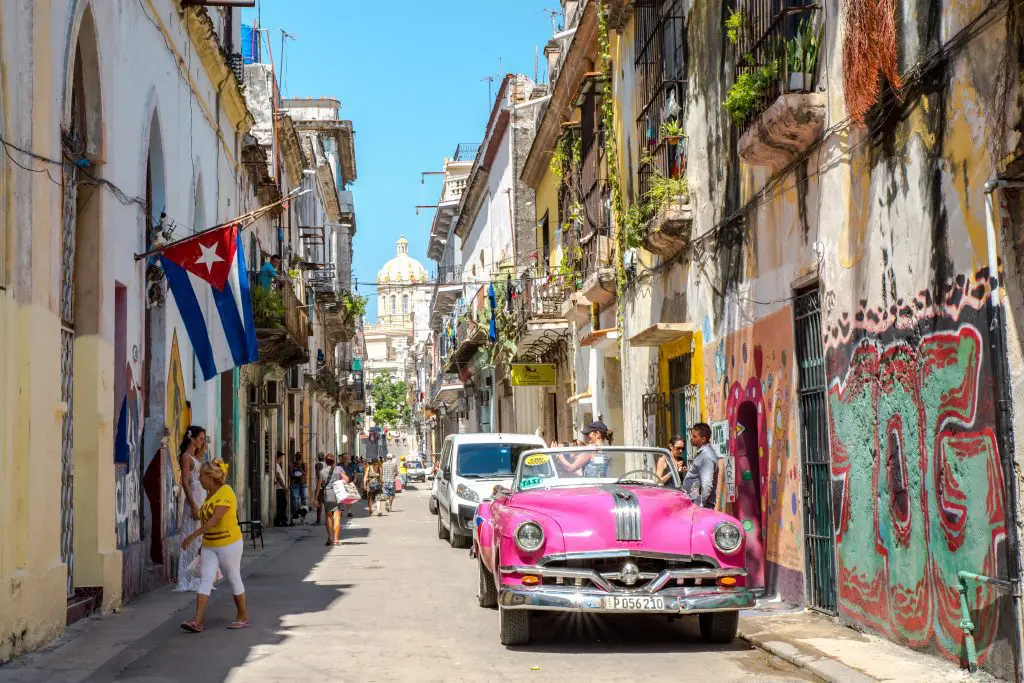
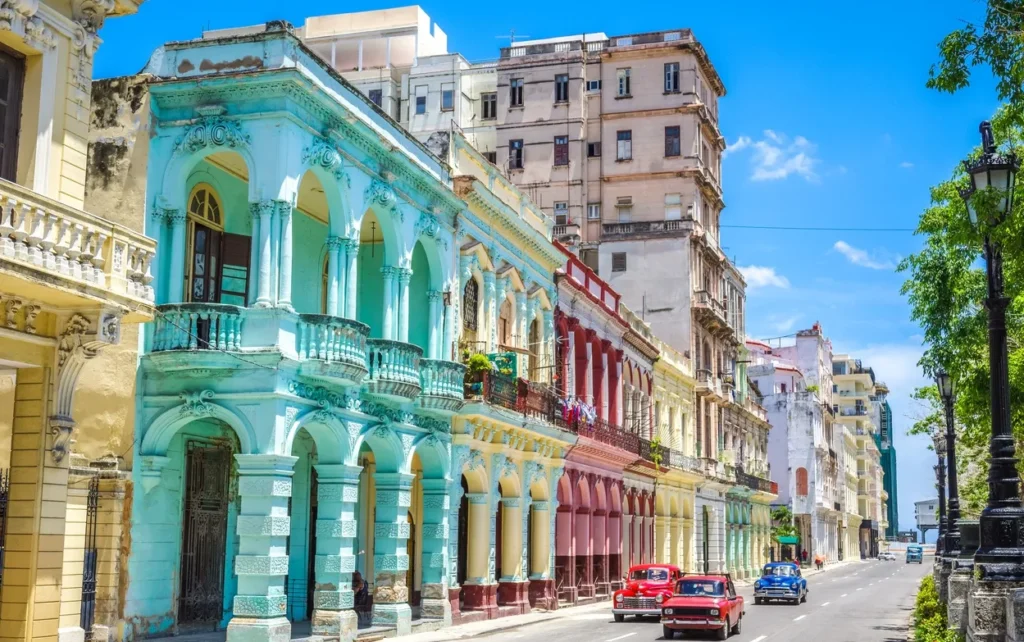
Havana is the destination that makes travelers return from Cuba unable to explain it adequately. The city’s specific quality — the 1950s American cars, the crumbling grandeur of the Malecón seawall, the specific sound of son cubano emerging from bars at 4 PM on a Tuesday — is so thoroughly itself that comparison becomes useless. TrotRadar recommends a minimum of four nights, which is long enough to move beyond the obvious circuit into the neighborhoods where the city actually lives.

The Old Havana (Habana Vieja) — a UNESCO World Heritage Site of Spanish colonial architecture from the 16th to 18th centuries, centered on the connected plazas of Plaza de la Catedral, Plaza de Armas, Plaza Vieja, and Plaza de San Francisco — is the architectural heart. The restoration program has been comprehensive in the plazas and their immediate surrounds; one or two streets back from the tourist circuit, the buildings return to their unrenovated state, which TrotRadar considers equally if not more atmospheric.
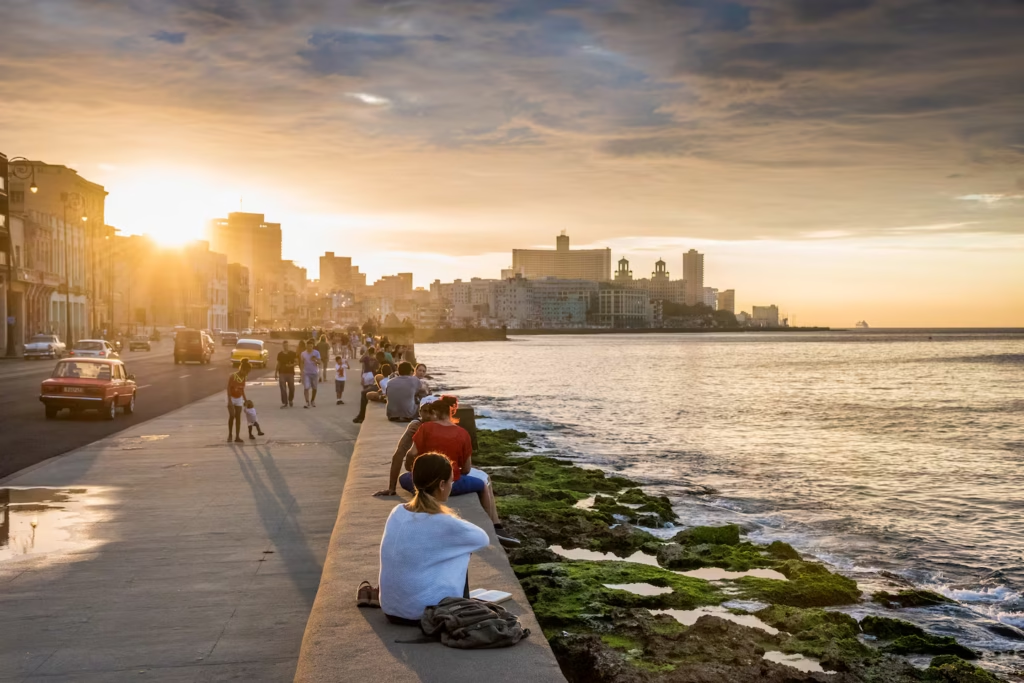
The Malecón — the 8 km seawall boulevard running from Old Havana to Vedado — is Havana’s social artery: families fishing, couples watching the sunset, musicians, and the particular gathering of people who come to sit on the wall every evening regardless of weather. Walking the full length at dusk is the finest free experience in Cuba.
Vedado — the 20th-century bourgeois residential district west of Old Havana — is TrotRadar’s preferred base for extended Havana stays: mid-century architecture alongside art deco buildings, the revolutionary cemetery (Cementerio de Cristóbal Colón, containing some of the finest 19th-century funerary sculpture in the Americas), the Hotel Nacional (visit for the grounds and a mojito, rather than staying — the price-to-experience ratio favors the casas), and the Fábrica de Arte Cubano (a converted cooking oil factory turned contemporary arts and nightlife venue, operating Thursday–Sunday from 8 PM — the finest contemporary culture space in Havana).

Casa particular accommodation: TrotRadar strongly recommends staying in casas particulares (private family-run homestays, the Cuban equivalent of airB&B) over state hotels for every practical and cultural reason. Casas provide better food (home-cooked Cuban breakfast typically included), better local knowledge, and a more authentic experience of Cuban daily life. Cost: approximately $25–50 USD/night for a private room.
Trinidad: The Colonial Town That Stopped in 1850
Four to five hours from Havana by tourist bus or shared taxi, Trinidad is the colonial town that TrotRadar places second only to Havana on any Cuba itinerary. Built on the wealth of the sugar trade from the 18th to mid-19th century, Trinidad’s decline after the sugar economy collapsed preserved it in an extraordinary state: the cobblestone streets, the pastel colonial houses, the church towers, and the particular pace of a town that simply didn’t modernize in the same way the rest of the country did.

The Plaza Mayor is the social and architectural center — the Museo Romántico occupying a beautifully maintained 19th-century townhouse with period furniture, the Iglesia Parroquial de la Santísima Trinidad rising above it, and the specific Trinidad evening ritual of the Casa de la Musica steps — where live salsa and son cubano plays from dusk and locals and travelers dance on the stone steps together in a scene that is genuinely communal rather than performed for tourists.

The Valle de los Ingenios (Valley of the Sugar Mills) — a UNESCO site of ruined 19th-century sugar mill complexes in the valley below Trinidad — provides the historical context for the town’s wealth, visible from the tower of the Iznaga hacienda (entry approximately $3 USD). The valley is best explored by bicycle or the steam train that runs from Trinidad on specific days.

TrotRadar Trinidad daily budget: $35–55 USD/day
Viñales: Tobacco Country and Mogote Landscape
Viñales — in the Pinar del Río province three hours west of Havana — provides the Cuba experience that the cities don’t: a UNESCO World Heritage valley of extraordinary agricultural landscape, where the giant mogote karst limestone hills rise from flat red-soil fields of tobacco plants tended by farmers using ox-drawn plows in an essentially unchanged agricultural tradition.
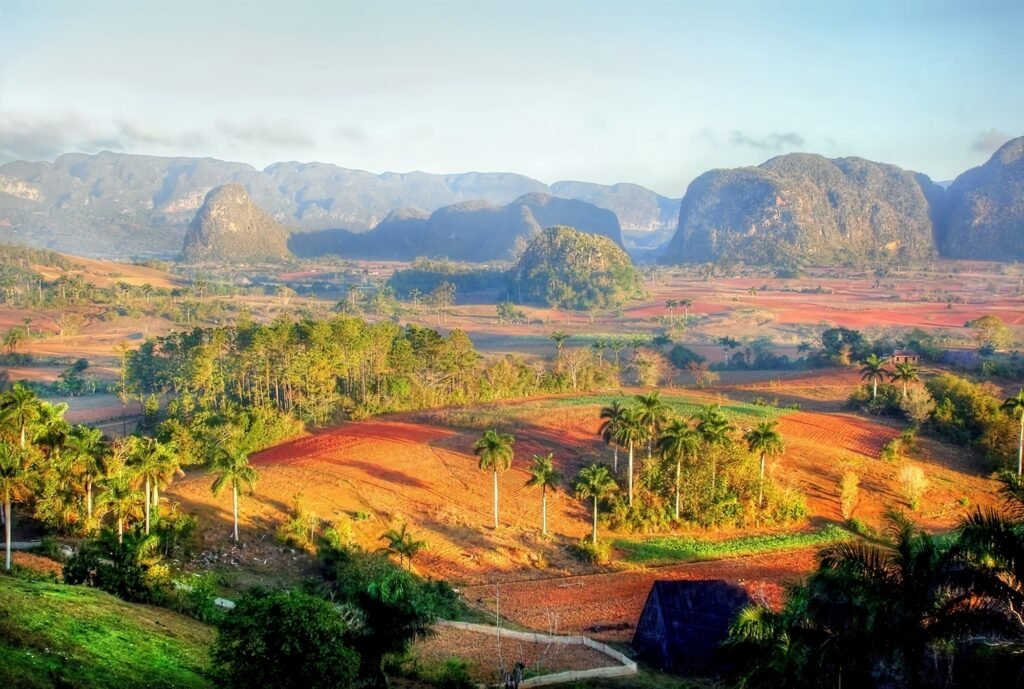
The tobacco connection is the Viñales activity that TrotRadar recommends most strongly: visiting a working tobacco farm, watching the picking and drying process, and learning the production chain from leaf to cigar from the farmers themselves. Most farms offer guided visits for approximately $5–10 USD; a freshly rolled cigar from the farm costs a fraction of the equivalent in a Havana cigar shop.

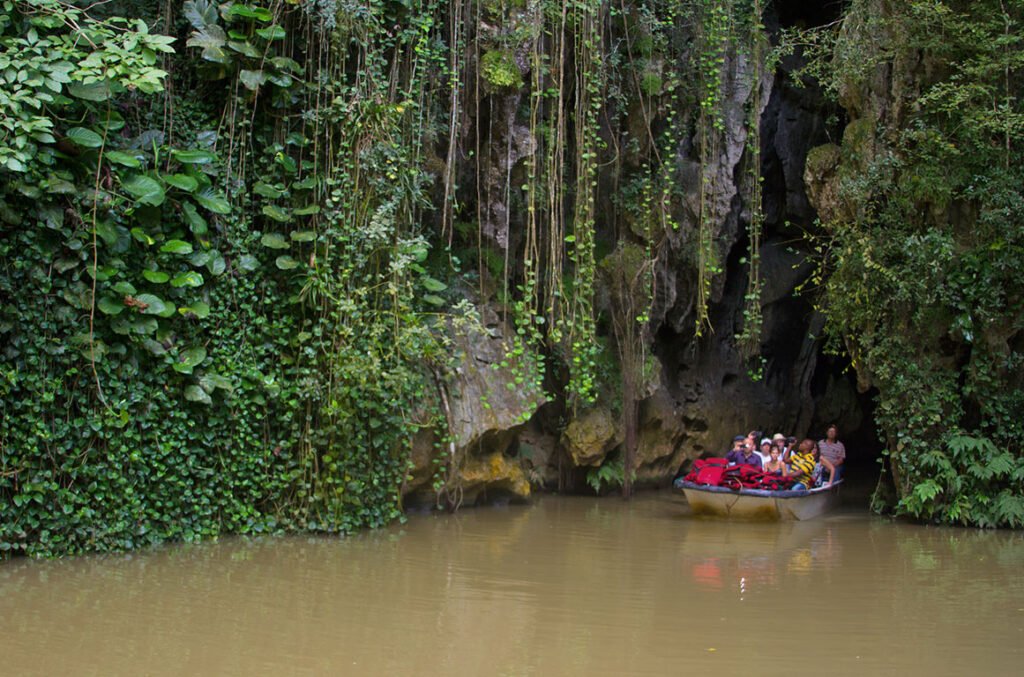
The valley walking — between the mogotes on red dirt paths through fern forest and past coffee and mango trees — is free and can be done independently with a downloaded map (Maps.me covers the main trails). The Cueva del Indio (an underground river cave accessible by boat, $5 USD) is the most visited paid attraction in the valley.
Getting to Viñales: Tourist buses from Havana run daily (3–4 hours, approximately $15 USD); shared taxis (colectivos) are faster and cheaper if you can negotiate a seat. Casa particular accommodation in Viñales from $20–35 USD/night.
The Practical Cuba Reality in 2026
Internet access: Cuba has expanding WiFi coverage but it remains patchy and slow by global standards. Tourist accommodation and many public squares have WiFi available through ETECSA prepaid cards (approximately $1–2 CUP/hour at current rates). Plan around limited connectivity rather than relying on the assumption it’ll be available.
Transport: The Víazul tourist bus network connects major destinations reliably and at fixed prices. Colectivos (shared taxis in old American cars or newer vehicles) are faster, cheaper per person in groups of three or four, and considerably more atmospheric. Negotiate price before departure; know the approximate correct fare from research before you begin bargaining.
Food: Restaurants vary widely in quality and availability. Privately run paladares and meals at casas particulares are often good options for local food and flexibility. Casa particular meals (your host cooking for you) are consistently the best value and usually the most genuinely Cuban: rice, black beans, fried plantain, pork, and whatever fresh produce is available. A full home-cooked dinner at a casa: approximately $8–12 USD.
The US traveler situation: US citizens can legally visit Cuba under specific licensed categories including “support for the Cuban people” — which requires staying in casas particulares, eating at private restaurants, and using licensed tour operators rather than state entities. TrotRadar strongly recommends US citizens consult current OFAC regulations (the US Treasury’s Office of Foreign Assets Control) before booking any Cuba travel, as regulations change and enforcement has varied.
For the broader Caribbean context and budget honeymoon comparison, read TrotRadar’s budget honeymoon destinations guide — which covers Cuba alongside other Caribbean options. And our underrated Latin America cities guide covers how Cuba fits into the broader Caribbean and Latin America travel landscape.
TrotRadar Cuba overall daily budget: $45–80 USD/day — the cost of Cuba has increased significantly over the past few years as the economy has adjusted; verify current pricing through recent traveler reports before finalising your budget.
The TrotRadar Verdict on Cuba 2026
Cuba in 2026 requires more acceptance of uncertainty and imperfection than most travel destinations — power outages, transport delays, accommodation that doesn’t match the booking description, food shortages that limit menu choices — all are part of the reality that any honest Cuba guide must acknowledge.
What Cuba returns on that acceptance is equally specific: a country where music is genuinely cultural fabric rather than entertainment industry, where the architecture tells a story of extraordinary ambition and equally extraordinary arrested time, and where the human warmth is — by the consistent testimony of travelers who’ve been — among the most genuine in the Caribbean.
Go with flexibility and without a rigid schedule. Carry enough cash. Stay in casas. Listen to the music. TrotRadar considers it worth it — and worth going before it changes further.
Find Your Cuba Travel Deal
TrotRadar features casa particular accommodation bookings in Havana, Trinidad, and Viñales, guided tour packages that handle the logistical complexity, and transport connections between Cuba’s main destinations. Browse TrotRadar’s Cuba travel offers →