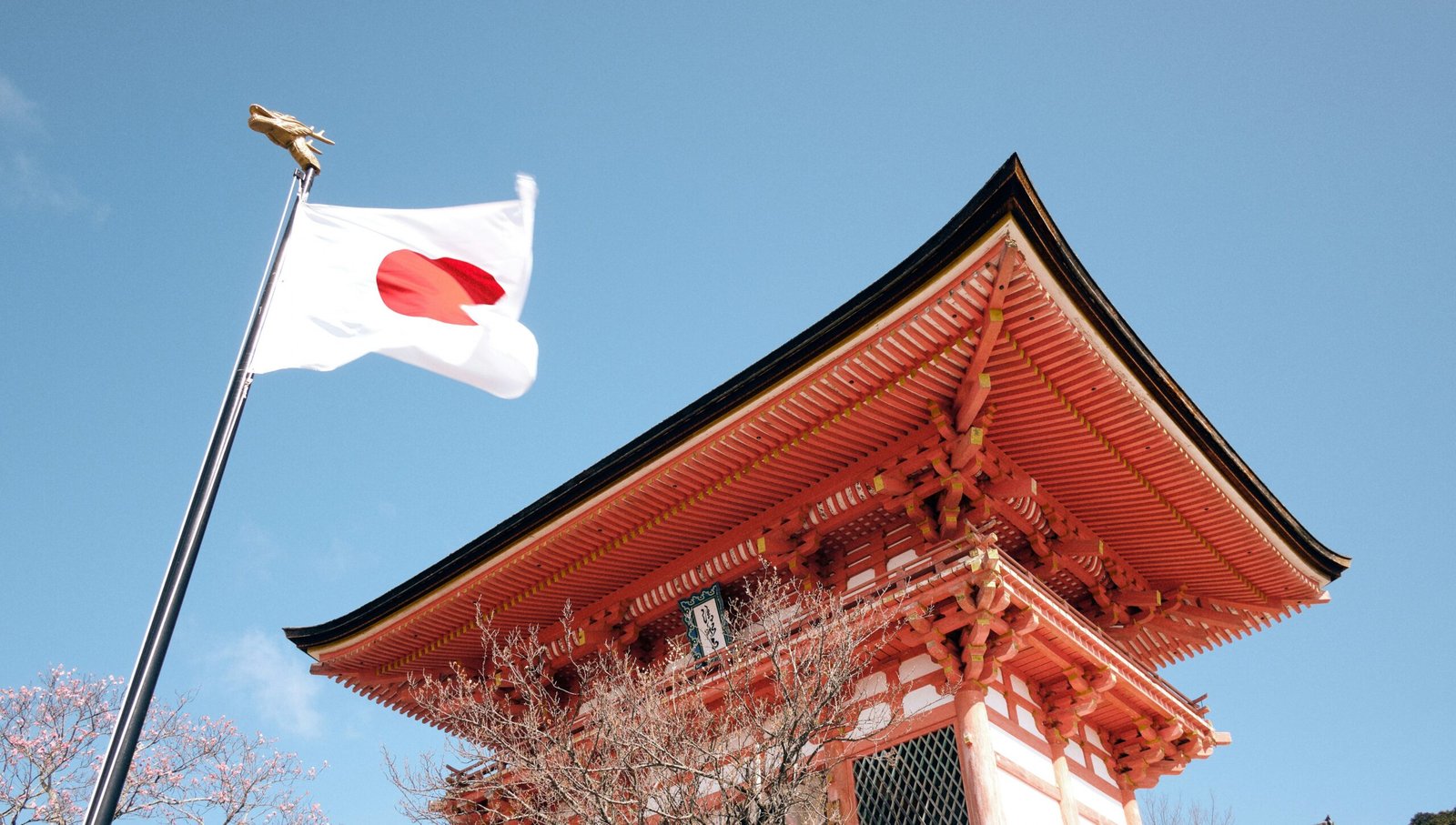
Japan has a specific effect on first-time visitors that TrotRadar hears described more consistently than the equivalent report from almost any other destination: “It was completely different from what I expected, and better in every way I didn’t know to expect.” The food is more varied and more extraordinary than the ramen-and-sushi shorthand suggests. The transport is more efficient than any prior experience of trains prepares you for. The specific Japanese qualities of attention to craft, public courtesy, and the serious treatment of small pleasures — the convenience store onigiri, the department store basement food hall, the ryokan breakfast — are simply not available in equivalent form anywhere else. At TrotRadar, this complete Japan travel guide builds the full framework for a first Japan trip that goes beyond the highlights checklist into genuine engagement with what the country actually contains.
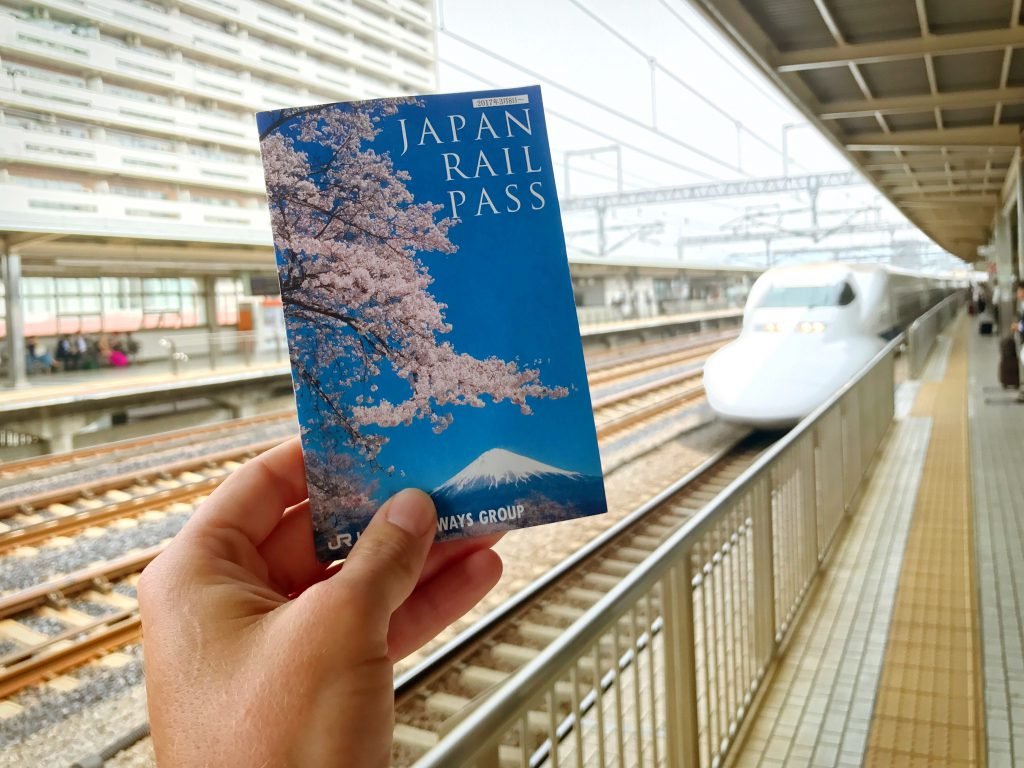
TrotRadar Tip: Purchase your Japan Rail Pass before arriving in Japan — it must be bought outside the country and exchanged for the physical pass at a JR exchange office on arrival. The 14-day pass (approximately £430/€490) covers unlimited Shinkansen travel between all major cities on the standard circuit. Whether it pays for itself depends on your specific itinerary — calculate using the hyperdia.com fare calculator before purchasing. Browse TrotRadar’s Japan travel packages — we feature JR Pass combinations with Tokyo and Kyoto hotel deals.
The Japan Rail Pass: Buy It or Not?
The Japan Rail Pass decision is the first practical question every Japan trip planner faces, and TrotRadar’s framework for answering it is specific:
The JR Pass pays for itself if your itinerary includes:
- Tokyo → Kyoto return (approximately ¥28,000/€175 without pass)
- + any additional Shinkansen journey (Kyoto → Hiroshima, Kyoto → Osaka, Tokyo → Hakone, Tokyo → Nikko)
The 7-day pass (approximately ¥50,000/€312) pays for itself on the Tokyo–Kyoto–Hiroshima circuit alone. The 14-day pass (approximately ¥80,000/€500) pays for itself when adding Hiroshima, a day trip to Miyajima, and either Hakone or the Kyushu extension.
The JR Pass does NOT cover: Tokyo Metro and subway, most Kyoto local buses, the private Kintetsu railway between Nara and Osaka. Purchase an IC Card (Suica or Pasmo, rechargeable transit cards) for all local transport — also accepted at convenience stores, vending machines, and many restaurants.
Tokyo: Four Days in the World’s Finest City for Eating
Tokyo at four days is not exhausted — it’s introduced. TrotRadar’s framework: one day per major neighborhood cluster, with eating as the primary organizing principle rather than landmarks.
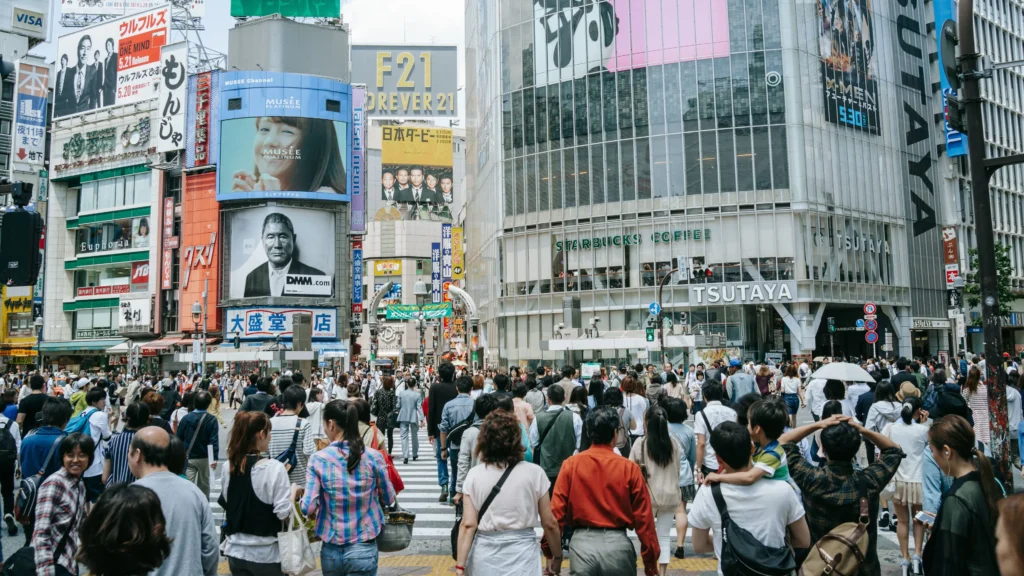
Day 1 — Shibuya and Shinjuku: The famous crossing (see it, photograph it, then leave the tourist itinerary). Shinjuku Golden Gai for the evening — the 200-bar alley system of extraordinary intimate character covered in TrotRadar’s nightlife and culture cities guide. The Omoide Yokocho (Memory Lane — a narrow alley of tiny yakitori stalls behind Shinjuku station west exit) for dinner: grilled chicken on skewers and beer in a space that hasn’t changed in fifty years, for approximately ¥2,000–3,000 (€13–19).
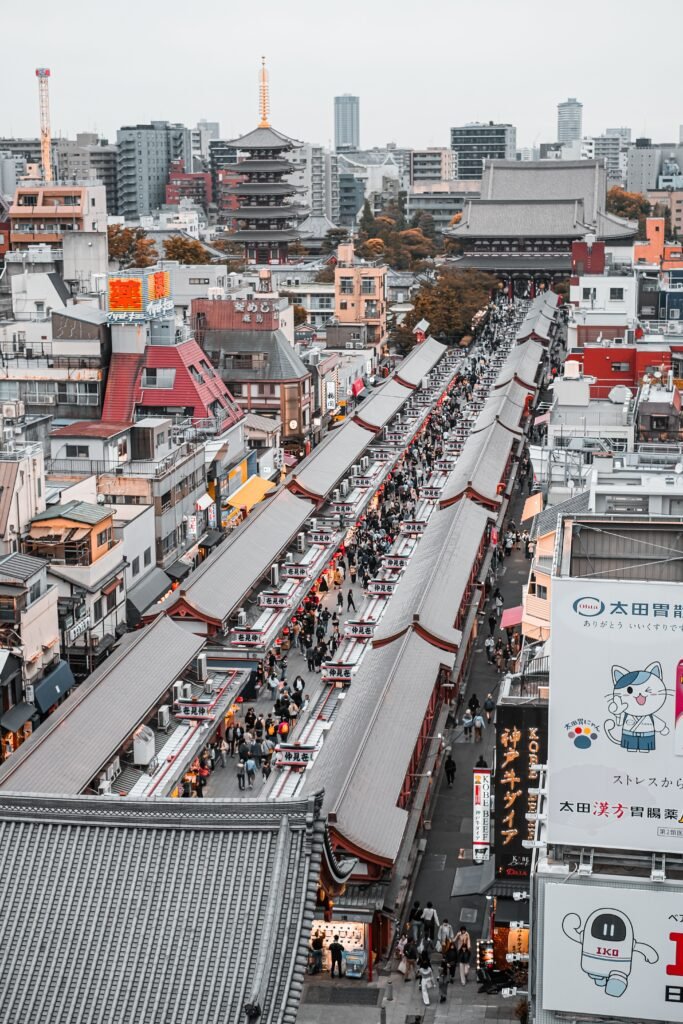
Day 2 — Asakusa and East Tokyo: Sensō-ji temple at 6 AM — the oldest temple in Tokyo, completely empty before 7 AM and comprehensively crowded by 9. The Nakamise shopping street leading to the temple gate sells the finest traditional snacks in Tokyo (ningyo-yaki — sweet filled cakes, ¥500/bag). Yanaka neighborhood in the afternoon — the old shitamachi (downtown) area that survived the 1923 earthquake and WWII bombing, its wooden merchant houses and traditional craft shops the most historically intact neighborhood in Tokyo.
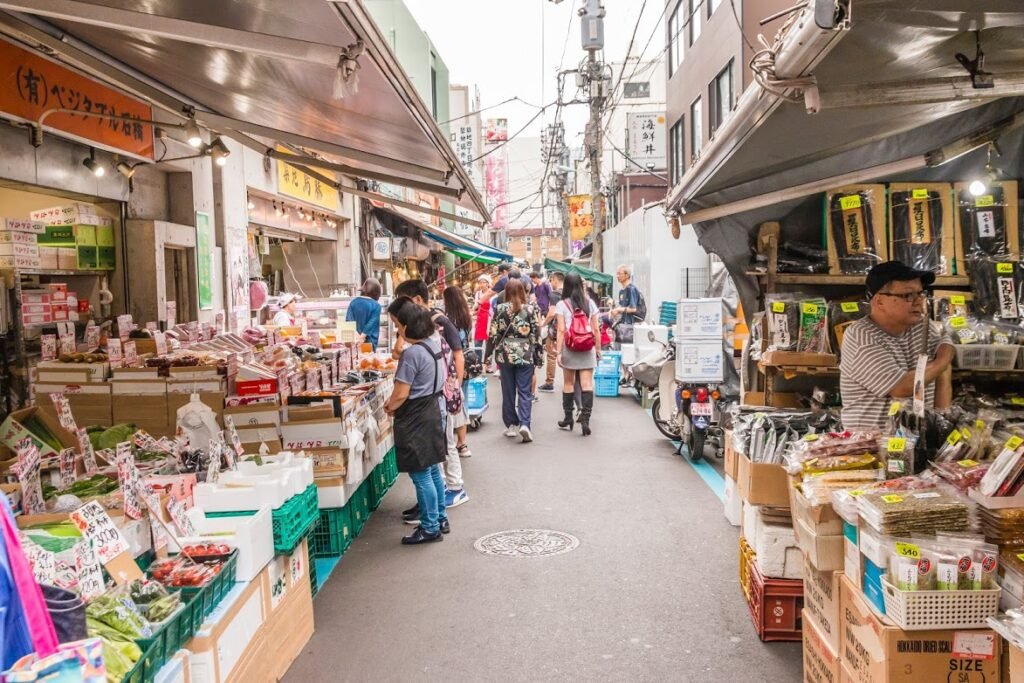
Day 3 — Food and Markets: The Tsukiji Outer Market (the inner tuna auction moved to Toyosu; the outer market of seafood shops and breakfast restaurants remains) at 7 AM for the finest tamagoyaki (Japanese rolled omelette) and fresh sea urchin on rice available in the city. The Depachika (department store basement food halls) — Isetan in Shinjuku, Takashimaya in Nihonbashi — for the afternoon: the most extraordinarily curated food retail environment in the world, free to browse and extraordinary to sample.
Day 4 — Neighborhoods and Nature: Harajuku’s Takeshita Street (the youth fashion street) and the adjacent Meiji Shrine (the most atmospheric Shinto shrine in Tokyo, its forested approach creating genuine quiet 5 minutes from Harajuku station). Shimokitazawa in the afternoon — Tokyo’s indie music and vintage clothing neighborhood, the most characterfully young-local area in the city.
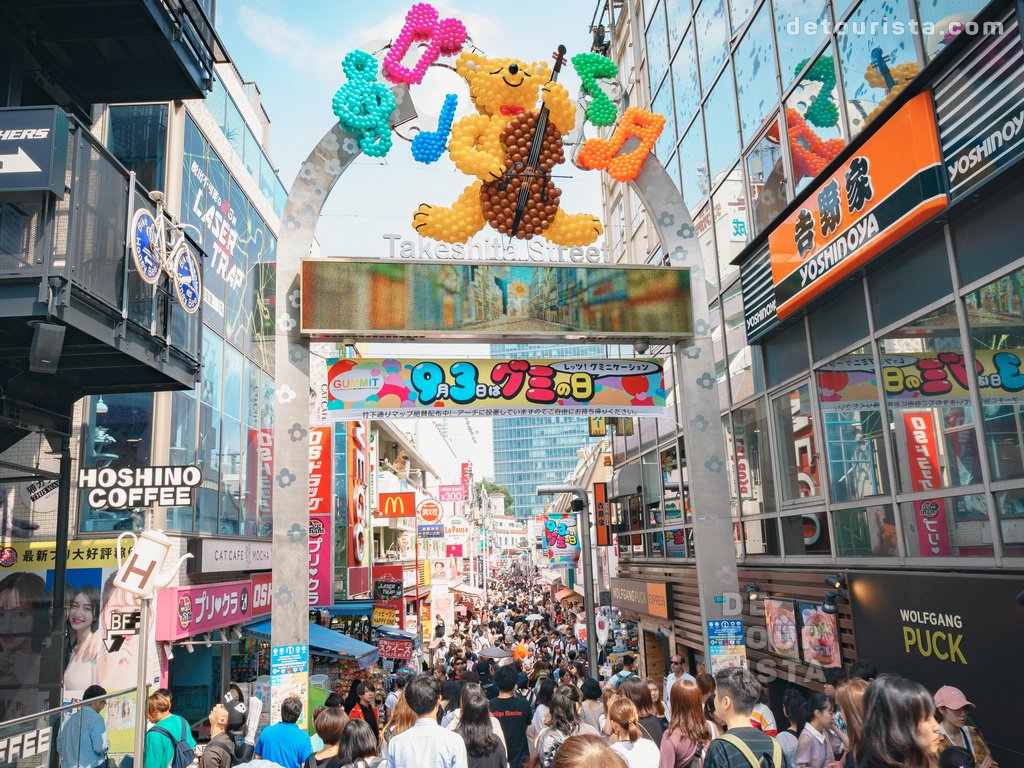
TrotRadar Tokyo daily budget: ¥8,000–15,000 (€50–94)
Kyoto: Three Days That Never Feel Enough
TrotRadar’s complete Kyoto framework is in our dedicated Kyoto beyond temples guide. The essential additions for the complete Japan circuit context:
Kyoto earns three full days minimum — the temple density (1,600 Buddhist temples and 400 Shinto shrines) rewards selection over comprehensive coverage. TrotRadar’s non-negotiable three: Fushimi Inari (torii gate mountain — go before 7 AM), Arashiyama bamboo grove (same dawn instruction applies — deserted before 7 AM, impassable at 10 AM), and one traditional machiya (townhouse) district walk through Gion at dusk when the evening light on the wooden facades produces the specific Kyoto atmosphere that no photograph replicates fully.
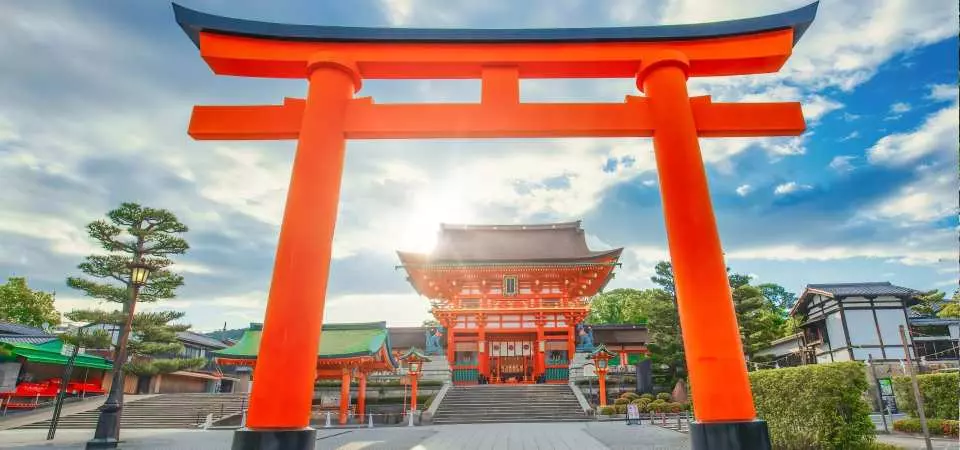
The Kyoto overnight accommodation TrotRadar recommends: a traditional machiya guesthouse in the Higashiyama district (approximately ¥8,000–15,000/€50–94 per person) over a standard hotel — sleeping on futon in a room with sliding shoji screens and a garden changes the relationship with the city.
Osaka: Two Days of Eating and Zero Pretension
Osaka — 15 minutes from Kyoto by Shinkansen, Japan’s food capital, and the city that most consistently surprises first-time Japan visitors with its specific character: louder, funnier, more direct, and more focused on pleasure than the rest of Japan — provides the perfect counterpoint to Kyoto’s aesthetic refinement.
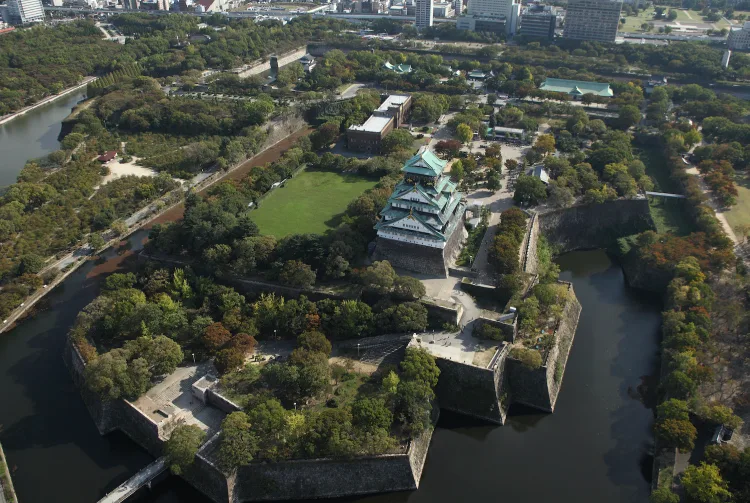
Two days, two principles: eat everything in Dotonbori (the takoyaki, the okonomiyaki, the kushikatsu), and visit Osaka Castle (the 16th-century fortress rebuilt in 1931 on the original foundations, the ground floor museum excellent, the tower views over the city extraordinary on clear days).
The Kuromon Market — Osaka’s covered market street — for morning eating: fresh tuna sashimi at the counter at 9 AM for approximately ¥800 (€5) is TrotRadar’s specific Osaka morning recommendation. Full Osaka food context in our Asia street food guide.
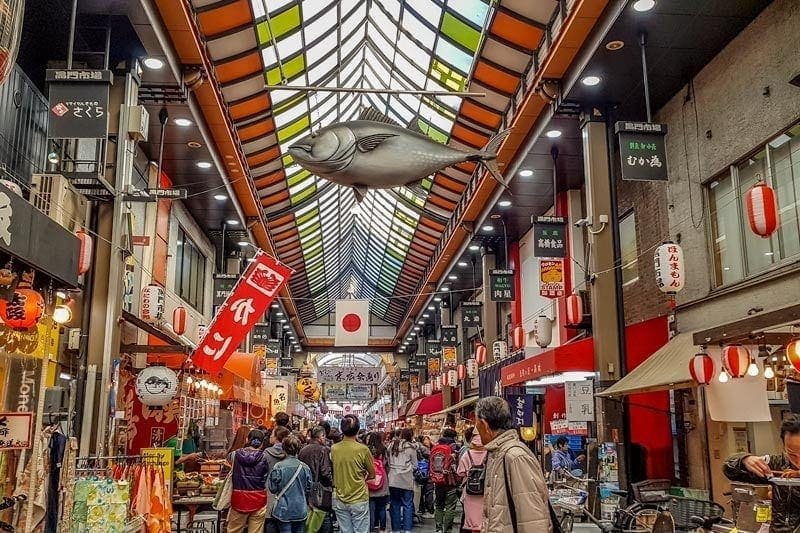
TrotRadar Osaka daily budget: ¥7,000–12,000 (€44–75)
Hiroshima and Miyajima: The Essential Day Trip Extension
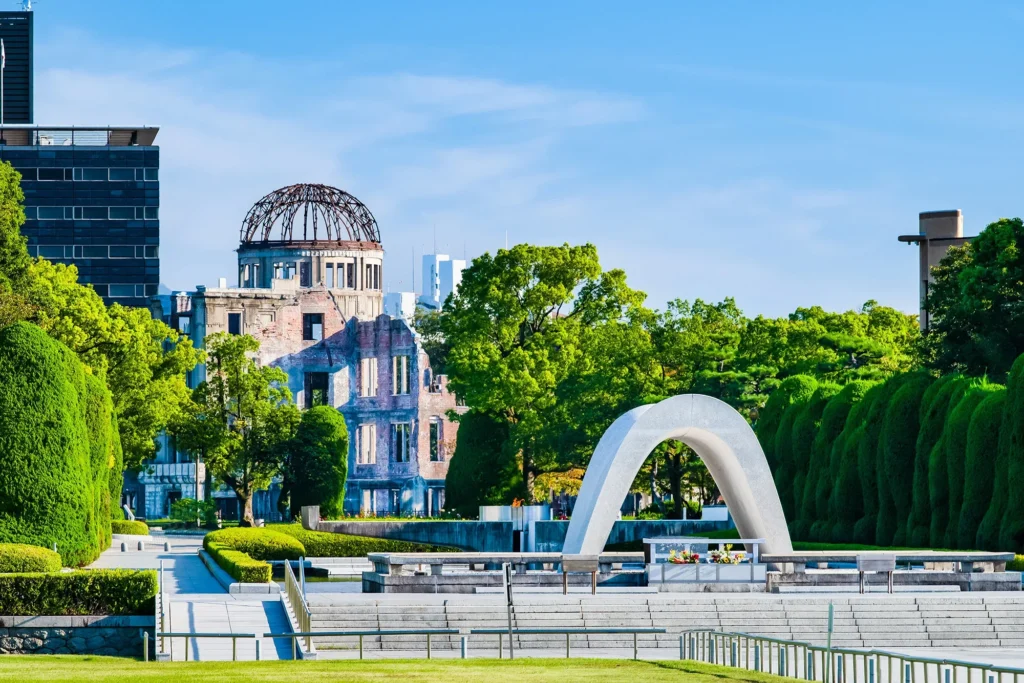
Hiroshima is 1 hour 30 minutes from Osaka by Shinkansen (covered by JR Pass) and constitutes the single most historically significant day addition to the standard Japan circuit. The Peace Memorial Museum — documenting August 6, 1945 and its aftermath in specific, human-scale detail — is the finest and most emotionally serious historical museum in Japan and one of the most significant TrotRadar recommends globally. Allow 3 hours minimum; the photographs and objects of specific identified individuals produce an experience that generic war museum presentations don’t achieve. Entry: ¥200 (€1.25).
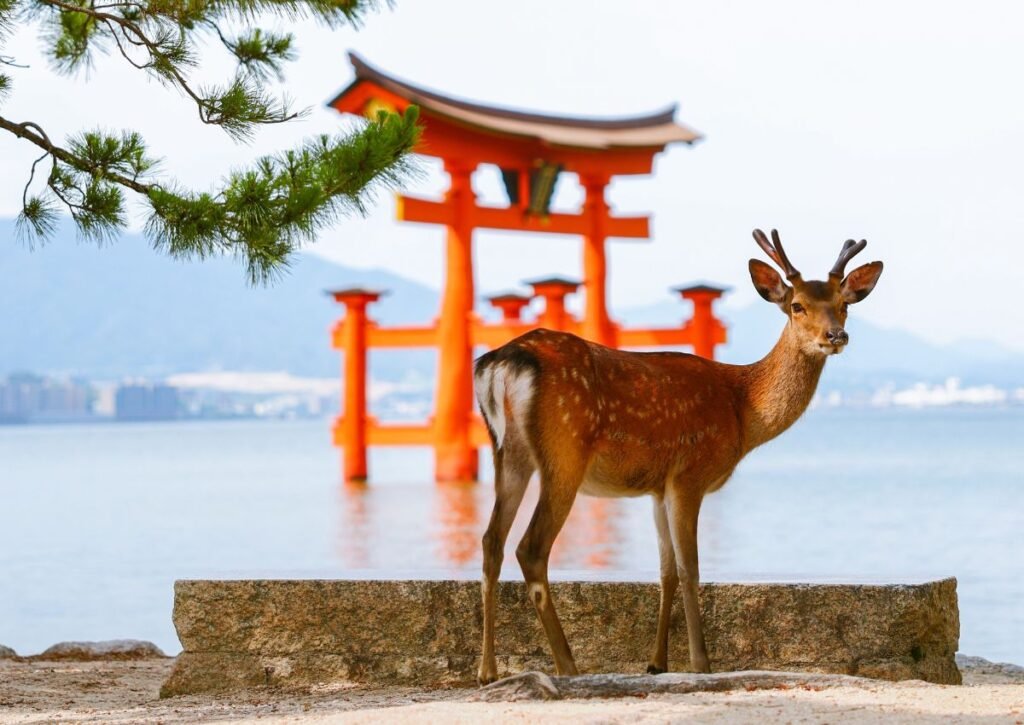
The Miyajima Island (20 minutes by ferry from Hiroshima, approximately ¥180/€1.13) with its floating torii gate of Itsukushima Shrine — visible from the mainland at high tide as a gate rising from the sea — provides the visual contrast to Hiroshima’s weight. Overnight on the island (when the day tourists have returned to the mainland) is one of TrotRadar’s strongest Japan recommendations: the deer wander the temple paths at dusk; the gate at dawn in mist is one of the finest Japanese landscape photographs available.
The Onsen Town Extension: Hakone or Kinosaki
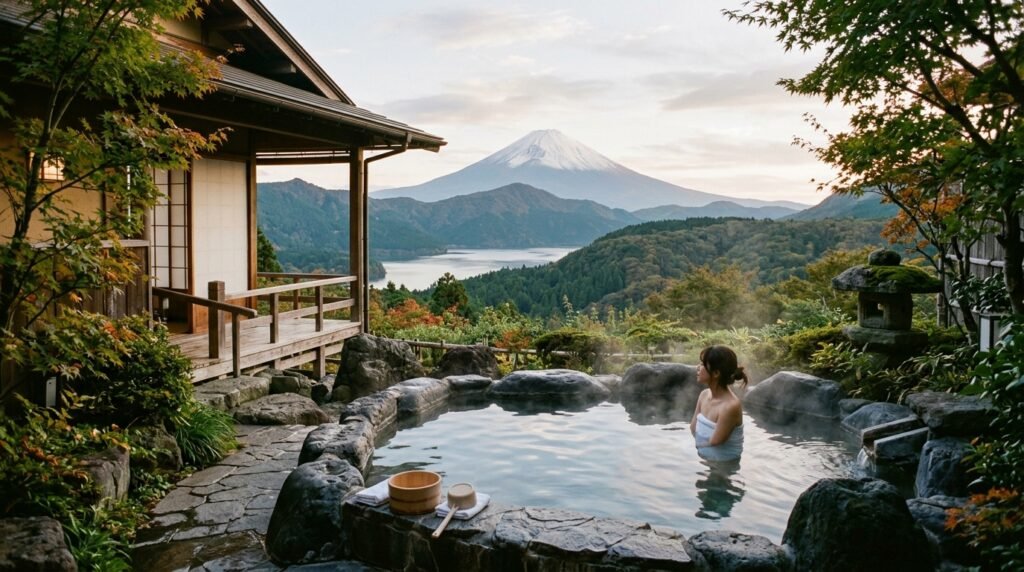
No Japan circuit is complete without at least one night in an onsen town — a mountain hot spring resort whose specific combination of thermal bathing, kaiseki dinner served in your room, and tatami mat sleeping constitutes the most distinctive accommodation experience in Japanese travel.
Hakone — 1 hour from Tokyo by Romancecar express train, with views of Mount Fuji from the ryokan terraces on clear days — is the most accessible onsen extension for the standard Tokyo-first circuit. TrotRadar’s solo travel guide covers the ryokan experience in depth as Japan’s finest solo travel accommodation category.
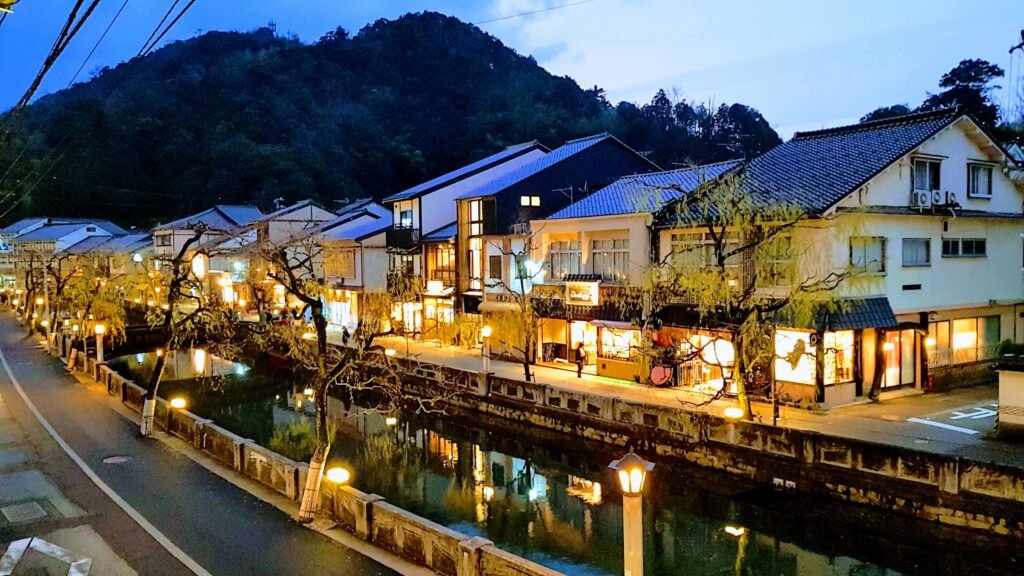
Kinosaki Onsen — 2.5 hours from Kyoto, a canal town of seven public bathhouses where guests wear yukata through the streets between baths — is TrotRadar’s preference for the more authentic, less international onsen experience. Mid-range ryokan rates: ¥15,000–30,000 (€94–188) per person including dinner and breakfast.
Practical Japan Travel Notes from TrotRadar
Best time to visit:
- March–April: Cherry blossom season — the most beautiful Japan but the most crowded and most expensive accommodation. Book 6 months ahead for the peak sakura week
- October–November: Autumn colours (koyo) — TrotRadar’s preferred season: the maples and ginkgos in Kyoto’s temple gardens produce the most extraordinary colour available in Japanese travel
- June–early July: Rainy season (tsuyu) — misty temples, hydrangeas, fewer tourists, lower prices. TrotRadar’s budget recommendation
- Avoid: Golden Week (late April–early May) and Obon (mid-August) — domestic travel peaks with dramatically higher prices
Data and connectivity: Pocket WiFi rental (available at airport on arrival) or a data-only SIM (IIJ or NTT Docomo — approximately ¥3,000–5,000 for 30 days) are the two practical options. TrotRadar uses SIMs; families or groups may prefer the shared pocket WiFi for cost efficiency.
Cash culture: Japan remains substantially cash-based — many restaurants, small shops, and ryokans accept only cash. Withdraw yen at 7-Eleven or Japan Post ATMs (most reliable for international cards) on arrival.
The TrotRadar Verdict on Japan
The complete Japan circuit — Tokyo, Kyoto, Osaka, Hiroshima, one onsen town — is achievable in 12–14 days and rewards every additional day allocated with something specific and unreplicable. Go for the ramen. Stay for the temple at 6 AM. Come back because every traveler who goes to Japan once goes back — because the country is simply larger than a first trip can contain. TrotRadar guarantees it.
Find Your Japan Travel Deal
TrotRadar features Japan Rail Pass combinations, Tokyo and Kyoto hotel packages, Hakone onsen ryokan bookings, and Hiroshima day trip transfers. Japan done right starts with the right logistics. Browse TrotRadar’s Japan travel offers →