A budget safari in Africa is entirely possible — and it does not mean settling for a poor wildlife experience. With the right destination, accommodation style, and booking strategy, you can see the Big Five for a fraction of the cost of a luxury lodge safari.
This guide compares the most affordable ways to safari in Kenya, Tanzania, South Africa, and Zambia, with realistic prices, practical booking advice, and the trade-offs worth knowing before you go.
TrotRadar Tip: The single most effective budget lever on any Africa safari is the accommodation model. Camping safaris in East Africa cost approximately 40–60% less than lodge safaris for the same game drive access. In South Africa, self-drive with SANParks rest camp accommodation brings the cost down to genuinely surprising levels. Browse TrotRadar’s current Africa safari deals — we feature budget camping packages and self-drive options across all the major safari countries.
Four Ways to do a Budget Safari in Africa
Before the destination breakdown, TrotRadar’s framework for how budget safari accommodation actually works:This budget safari Africa guide covers all four strategies.
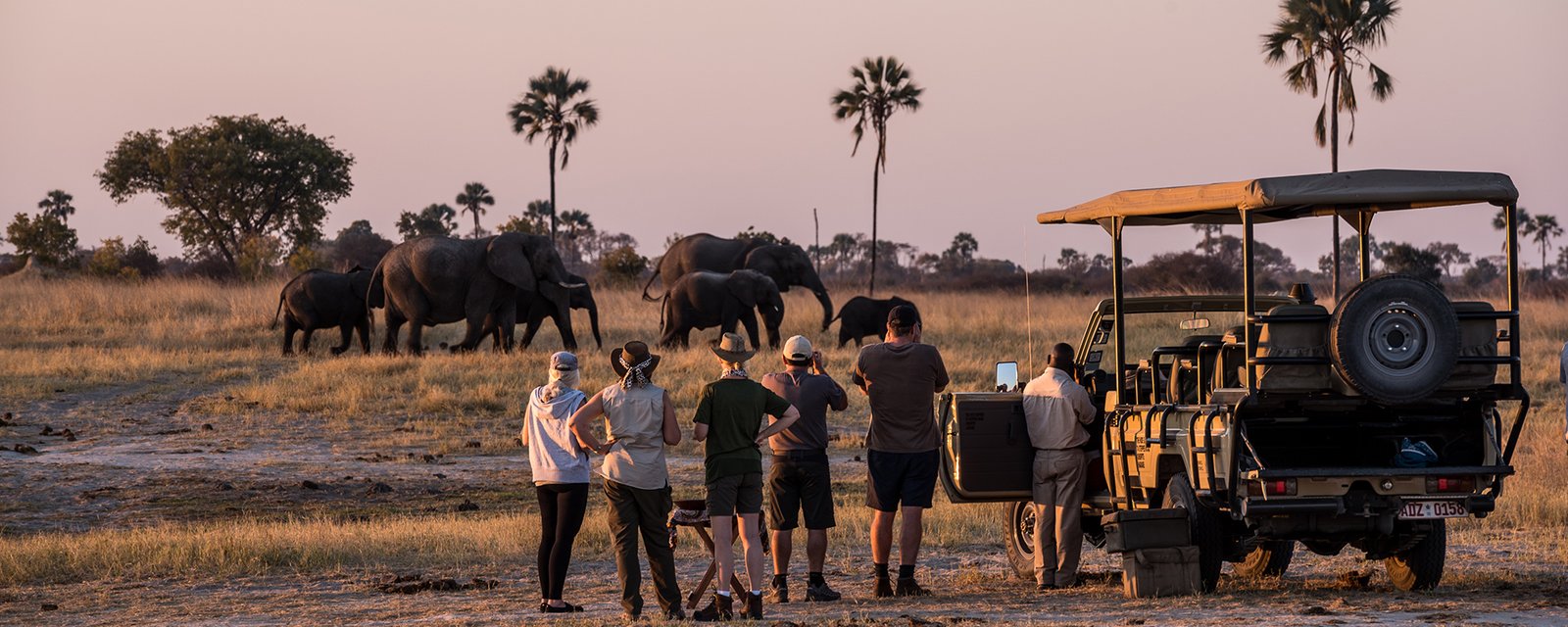
Model 1 — Group Camping Safari (East Africa): A shared vehicle with a driver-guide, camping in tents within or near national parks. Full board included (meals cooked by the camp cook). Groups of 6–10 travelers share costs. This is the classic budget East Africa model and the one that most travelers mean when they say “budget safari.”
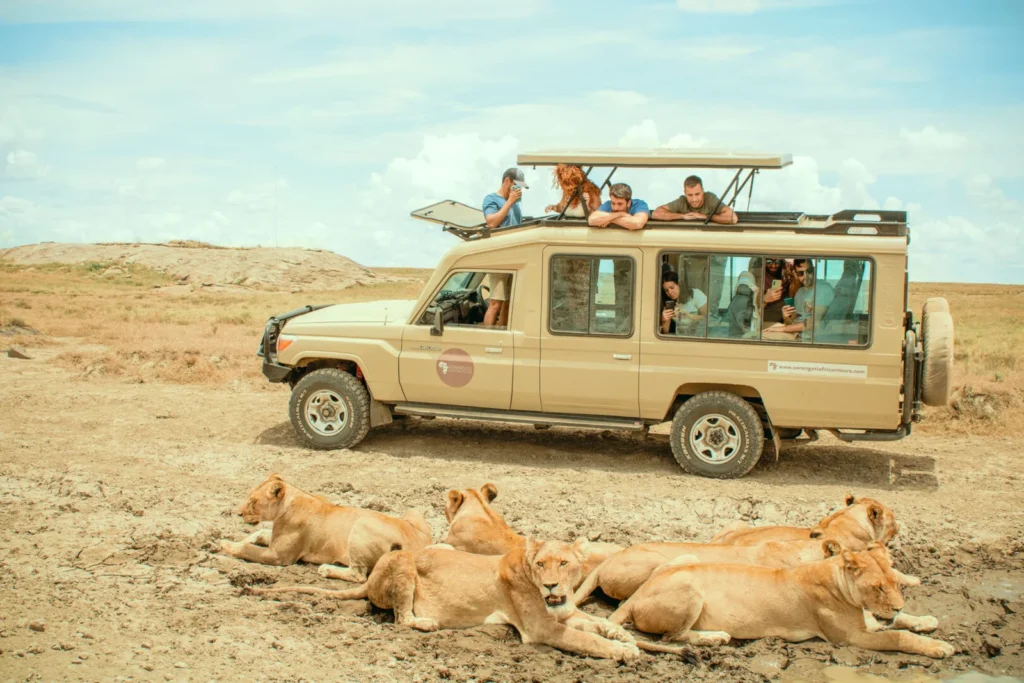
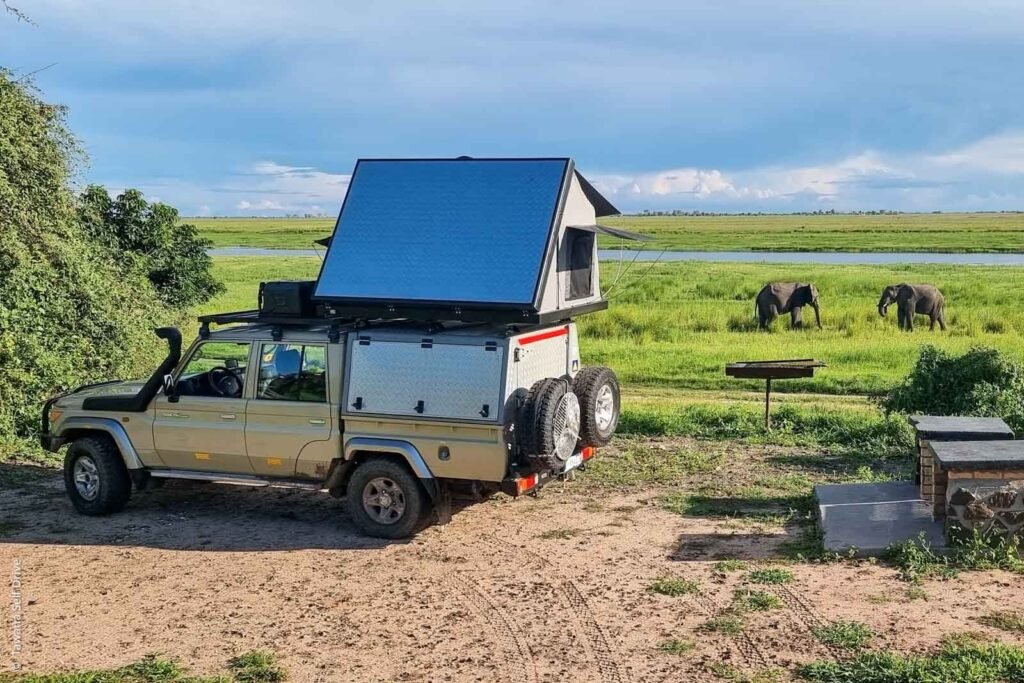
Model 2 — Self-Drive (South Africa): Rent a vehicle, drive yourself through the national parks, stay in SANParks rest camps (fixed rondavels or chalets with kitchens). The most affordable safari model overall — you pay park entry and accommodation, drive at your own pace, and self-cater for most meals.
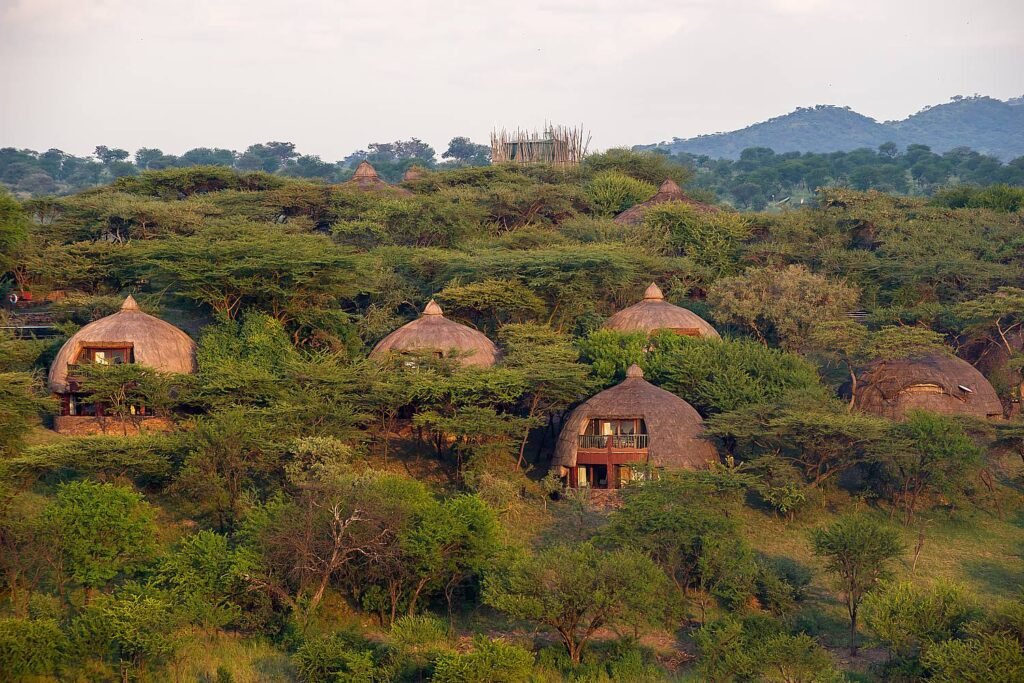
Model 3 — Budget Lodge (Various): Small, locally-owned lodges adjacent to or within national parks, offering guided game drives at prices significantly below the luxury lodge market. Quality varies considerably — research carefully, read recent reviews, and look for operator-to-guide ratios and vehicle quality in reviews.
Model 4 — Day Trips from Cities (South Africa/Zimbabwe): Using Johannesburg, Cape Town, or Victoria Falls as a base and doing day or overnight safari excursions. The least immersive but most flexible model for travelers who can’t commit a full week to a dedicated safari itinerary.
Kenya: Budget Safaris in the Masai Mara
Kenya’s Masai Mara is the iconic East Africa safari destination — open savanna stretching to the horizon, the complete Big Five roster (lion, leopard, elephant, buffalo, rhino), and from July to October, the Great Wildebeest Migration — the annual movement of 1.5 million wildebeest and 200,000 zebra between Tanzania’s Serengeti and the Mara, crossing the crocodile-filled Mara River in scenes of extraordinary dramatic intensity.
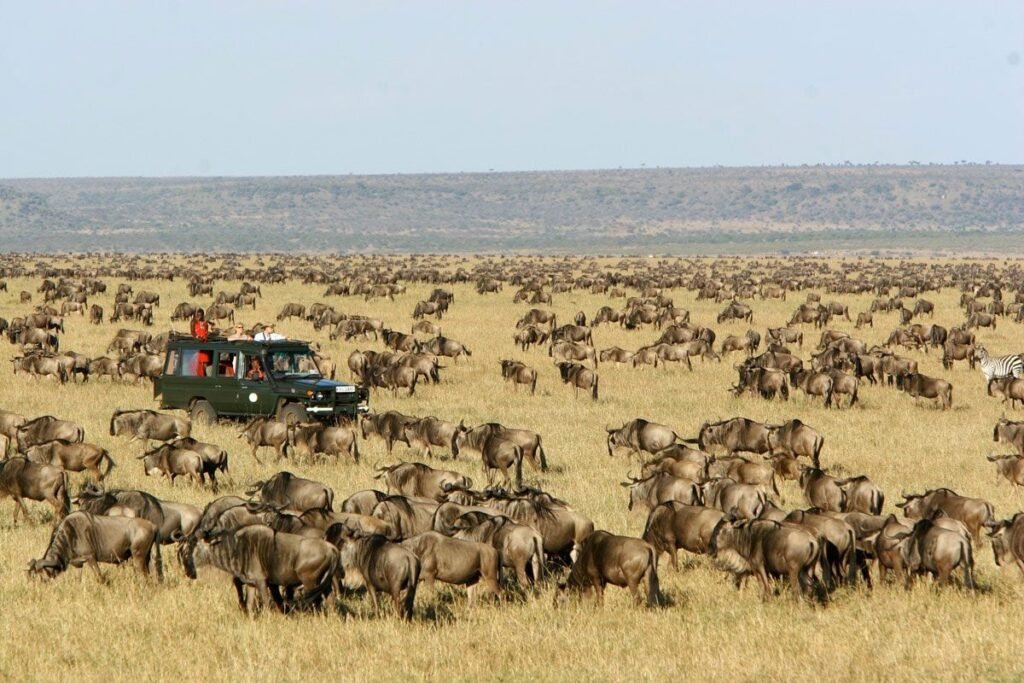
The budget route into the Masai Mara uses the group camping safari model. Nairobi-based operators run 3-night/4-day Masai Mara camping safaris from approximately $350–500 USD per person in a shared group — inclusive of transport from Nairobi, all game drives, camping accommodation, and meals.
TrotRadar’s Kenya booking guidance:
- Book directly with Nairobi-based operators rather than through international intermediaries — the price difference is significant (30–50% cheaper) for the same product
- Well-reviewed budget operators include Basecamp Explorer, Gamewatchers Safaris, and several smaller Nairobi companies — verify vehicle age, guide certification, and recent reviews on TripAdvisor and Google before booking
- Avoid the very cheapest operators (below $100 USD/day total) — at this price point, the vehicle quality, guide qualifications, and camp hygiene standards are often inadequate
- The Migration is July–October; the Mara is worth visiting year-round for resident lion and leopard populations
Other Kenya parks worth including: Amboseli (elephant herds against the backdrop of Kilimanjaro — one of Africa’s most iconic landscapes) and Lake Nakuru (flamingo and rhino) both work on a budget circuit from Nairobi.
Tanzania: Budget Serengeti and Ngorongoro Safaris
Tanzania’s Serengeti and Ngorongoro Crater represent the full package of East Africa wildlife in their most concentrated form — and they command prices accordingly. Budget camping safaris here run approximately $200–300 USD/day per person on a group basis, higher than the equivalent Kenya product because Tanzania’s park fees are significantly higher (Serengeti entrance alone costs $70 USD/person/day for non-residents).
The Ngorongoro Crater — a 260 square kilometre volcanic caldera containing the highest density of large mammals in Africa, including one of the last stable black rhino populations — is worth the price premium specifically. The crater floor, entered via steep descent roads accessible only in 4WD, contains lions, elephants, buffalo, zebra, flamingos on the soda lake, and black rhino in densities that produce reliable sightings in a single morning game drive.
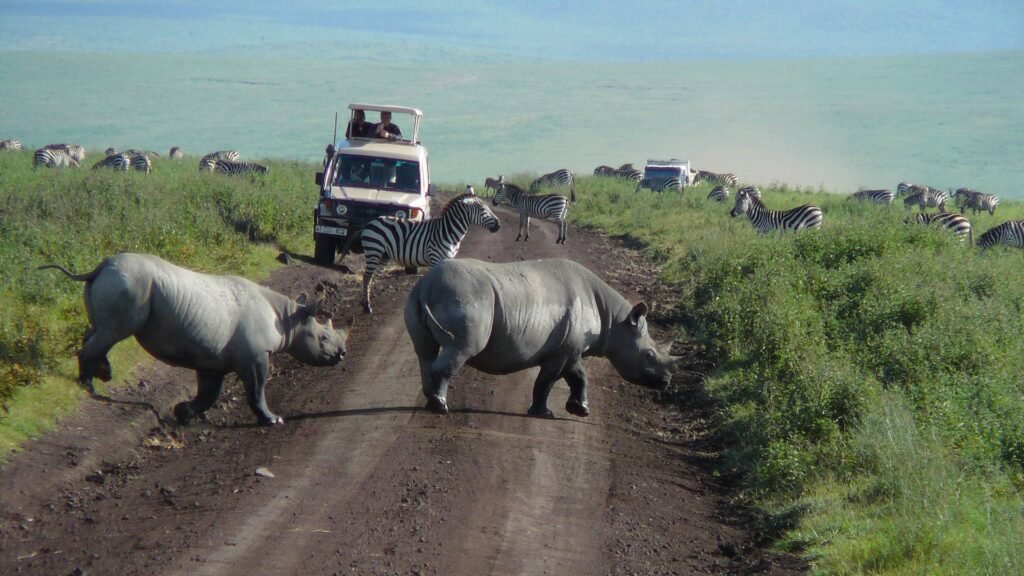
TrotRadar’s Tanzania budget strategy: Combine the Serengeti with Ngorongoro as a 5-night camping circuit (approximately $900–1,200 USD total per person including Zanzibar ferry to decompress after the safari). Arusha-based operators offer competitive group pricing — again, book direct and verify credentials carefully.
South Africa: Kruger Self-Drive Safari on a Budget
Kruger National Park is the most accessible and most affordable Big Five safari destination in Africa — and TrotRadar considers the self-drive option one of the genuinely great travel value propositions on the continent.
The park covers approximately 19,485 square kilometres connected by a network of paved and gravel roads navigable by standard 2WD vehicle. You drive yourself through, stopping wherever wildlife appears, moving at whatever pace suits you, with no guide and no group to accommodate.
TrotRadar’s Kruger self-drive cost breakdown:
- Park entry: approximately ZAR 392 (€20) per person per day
- SANParks rest camp accommodation: ZAR 500–1,200 (€25–62) per night for a self-catering bungalow for two
- Car rental from Johannesburg: approximately €35–55/day for a standard vehicle
- Self-catering food (camp supermarkets stocked): approximately €15–25/day for two
- Total self-drive Kruger cost for two: approximately €80–120/day (€40–60 per person) — the lowest Big Five safari cost available anywhere in Africa
What to realistically expect: Self-drive requires patience and an understanding that wildlife appears on the animal’s schedule rather than a guide’s. The Big Five are all present in Kruger and are seen by the majority of visitors, but specific sightings on any given day are not guaranteed. TrotRadar recommends a minimum of three full days in the park for a reasonable probability of lion, elephant, buffalo, and giraffe sightings.
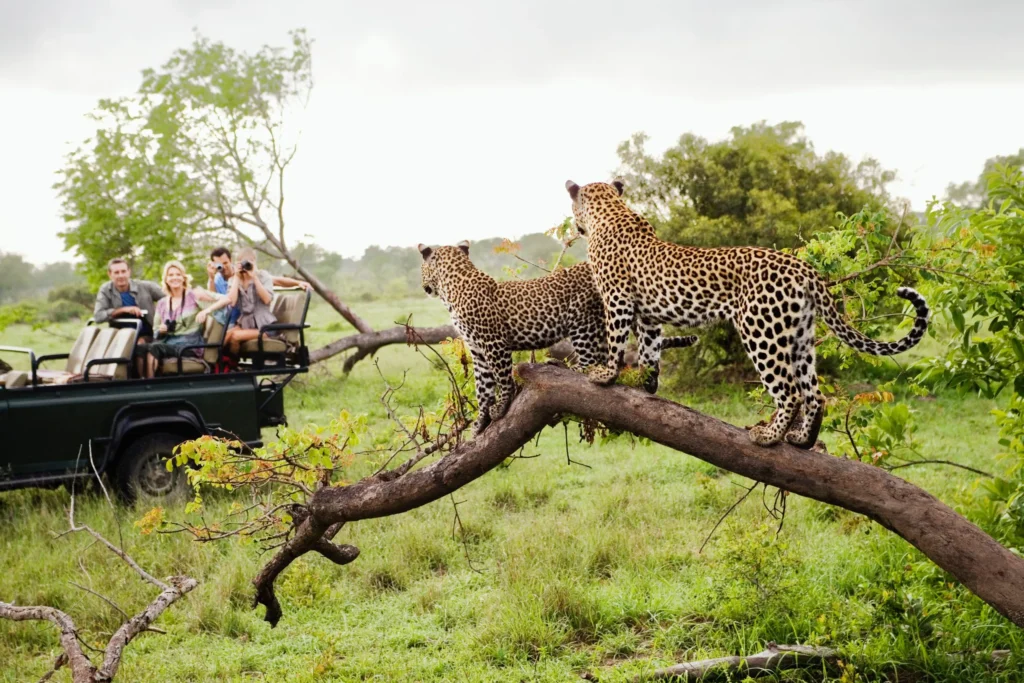
Guided options at Kruger: SANParks operates guided morning and evening game drives from rest camps at approximately ZAR 700–900 (€36–47) per person — worth adding to the self-drive schedule as guided drives access areas closed to self-drivers and operate at dawn and dusk when large predators are most active.
Zambia: Affordable Walking Safaris in South Luangwa
Zambia is covered in TrotRadar’s dedicated Zambia and Victoria Falls guide — but for the budget safari context, it merits specific mention here because South Luangwa National Park offers a distinct alternative to the Kenya/Tanzania and South Africa models.
South Luangwa is the birthplace of the walking safari — the practice of tracking wildlife on foot with an armed professional guide — and remains the finest destination in Africa for this specific experience. Walking safari rates at smaller community-run camps start from approximately $150–200 USD/day all-inclusive, which positions it above Kruger self-drive but below the Zambian premium lodge market.
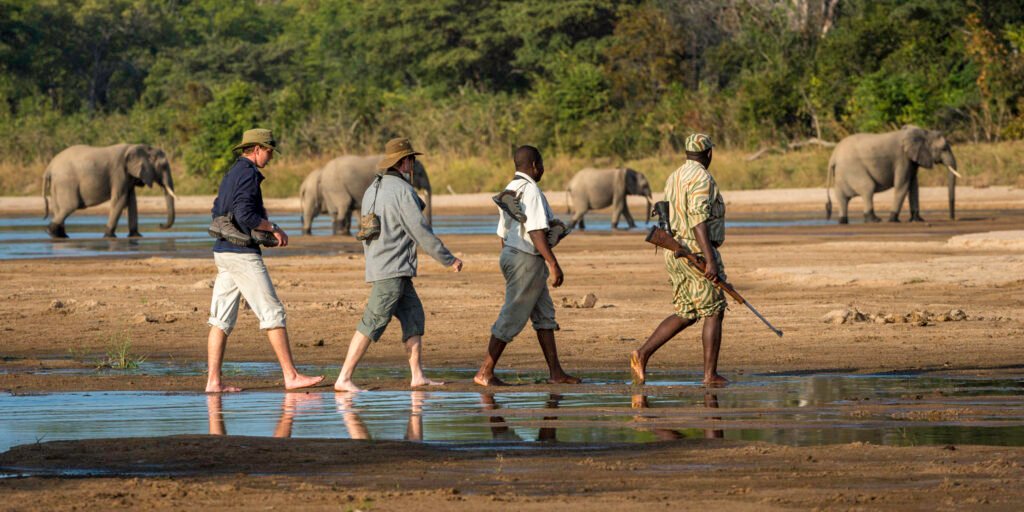
TrotRadar considers a walking safari in South Luangwa the most genuinely transformative wildlife experience available in the budget safari category — the proximity to animals on foot, with no vehicle between you and the ecosystem, produces a qualitatively different encounter from game-drive watching.
Safari Experiences to Avoid
Not all budget safari options represent good value — and TrotRadar believes in naming the approaches that consistently underdeliver:
- Canned lion hunting-adjacent farms marketed as “lion sanctuary experiences”: These exist, they’re controversial, and TrotRadar recommends thorough research before any interaction with captive big cats
- Ultra-cheap operators below $80 USD/day in East Africa: At this price point the guide is typically uncertified, the vehicle typically unreliable, and the experience typically inadequate
- Wildlife experiences involving physical contact with large animals: Lion walks, elephant rides, cheetah petting — these activities have significant animal welfare concerns and TrotRadar does not recommend them. For our full ethical wildlife tourism framework, see TrotRadar’s sustainable travel guide
How to Book a Budget Safari in Africa
Book directly with in-country operators. International booking platforms add significant margin (typically 15–30%) for the same product. Find operators through Africa Travel Resource, SafariBookings.com (for verified reviews), or direct operator websites after verifying credentials.This is one of the most impactful savings strategies in this budget safari Africa guide.
Travel insurance with medical evacuation is non-negotiable. In the event of a medical emergency in a national park, evacuation by air ambulance is the only viable option — and costs thousands of dollars without coverage. Read TrotRadar’s complete travel insurance guide for the specific coverage types that matter for African safari travel.
Pack light-coloured clothing (not white). Khaki, olive, and tan clothing is standard for a reason — it doesn’t attract tsetse flies (which are drawn to dark colours), doesn’t stand out against the landscape, and doesn’t show dust badly. Avoid blue and black specifically.
Binoculars are more important than camera gear. The single most effective wildlife-watching investment for first-time safari travelers is a good pair of binoculars (8×42 or 10×42) — they transform medium-distance sightings into close encounters and work better in low light than most camera zoom lenses.
For the complete East Africa wildlife circuit combined with cultural heritage, see TrotRadar’s Ethiopia Lalibela guide — which covers how Ethiopia’s extraordinary heritage connects with an East Africa safari circuit.
Final Verdict: Is a Budget Safari in Africa Worth It?
A budget safari in Africa is not a lesser version of the real thing. The wildlife does not change based on the price of your accommodation: the same lions, elephants, leopards, buffalo, and rhinos roam the same landscapes whether you sleep in a luxury lodge or a simple tented camp.
What changes is comfort, privacy, and convenience. If you are willing to camp, self-drive, travel in a small group, or stay in locally owned lodges, a memorable Big Five safari becomes far more affordable. The Serengeti sunrise over a million wildebeest is the same from a camping chair as from a lodge terrace. What changes with budget is comfort, exclusivity, and the ratio of cold water to hot water in the morning. What doesn’t change is the wildlife, the landscape, and the specific quality of being somewhere on this planet where the natural world still operates at the scale it was designed for.
Plan carefully. Choose operators with verified credentials. Take the comprehensive insurance. And then go — because there is nothing else quite like it.
Find Your Africa Safari Deal
TrotRadar features budget camping safari packages across Kenya and Tanzania, Kruger self-drive deals, and affordable Zambia camp bookings — all verified for guide quality and wildlife access. The Big Five are within your budget. Browse TrotRadar’s Africa safari offers →