South America is one of those destinations that generates a specific kind of travel anxiety in first-time visitors — a continent so large, so varied, and so freighted with reputation (safety concerns, language barriers, logistical complexity) that the planning process can become an obstacle to the trip itself. At TrotRadar, we’ve watched travelers spend months researching and then either attempt too ambitious a circuit or default to a single country out of planning exhaustion.
This South America travel guide first time edition cuts through the paralysis with specific, honest guidance: which countries work best for which traveler types, what South America actually costs in 2026, how to move between countries affordably, and the particular safety awareness that makes the difference between a trip that goes wrong and one that doesn’t.
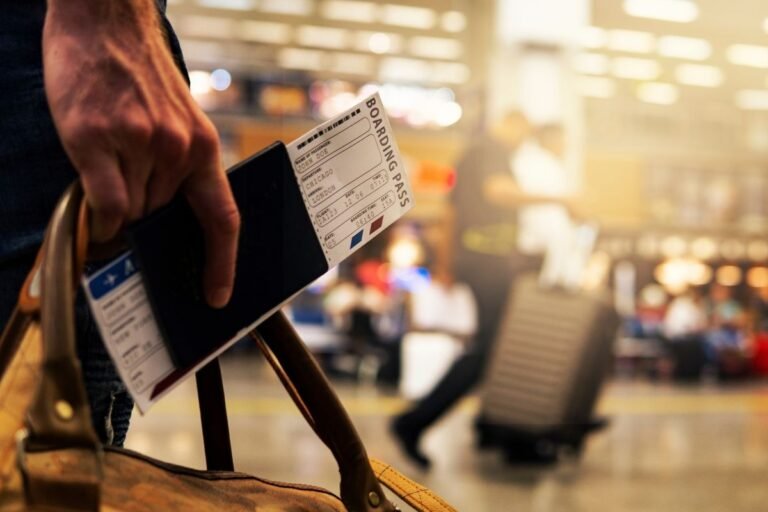
TrotRadar Tip: Book your international flight into the continent first — and make it refundable or flexible if possible. Once you have the arrival point locked, the rest of the itinerary builds naturally around it. Browse TrotRadar’s South America flight and package deals — we feature open-jaw options (fly into one city, out of another) that suit the continent’s natural routing.
The First Principle: Choose a Sub-Region, Not a Continent
The most consistent planning mistake TrotRadar sees in first-time South America trips is the attempt to cover too much. The continent is 17.8 million square kilometres — larger than Russia — and its major destinations are separated by distances that make the equivalent European hop seem laughably short. Lima to Buenos Aires is 3,000 km. Cartagena to Santiago is 4,500 km. Even within a single country, Cusco to the Amazon is a full day of travel.
TrotRadar’s structural recommendation: identify the three destinations you most want to experience, check that they’re geographically coherent (connectable without backtracking across the continent), and build a 3–4 week itinerary around those three anchors. Everything else can be a future trip — and there will be future trips, because every traveler who goes to South America once goes back.
The Best First-Trip Countries: TrotRadar’s Assessment
Peru: The Heritage + Nature Circuit
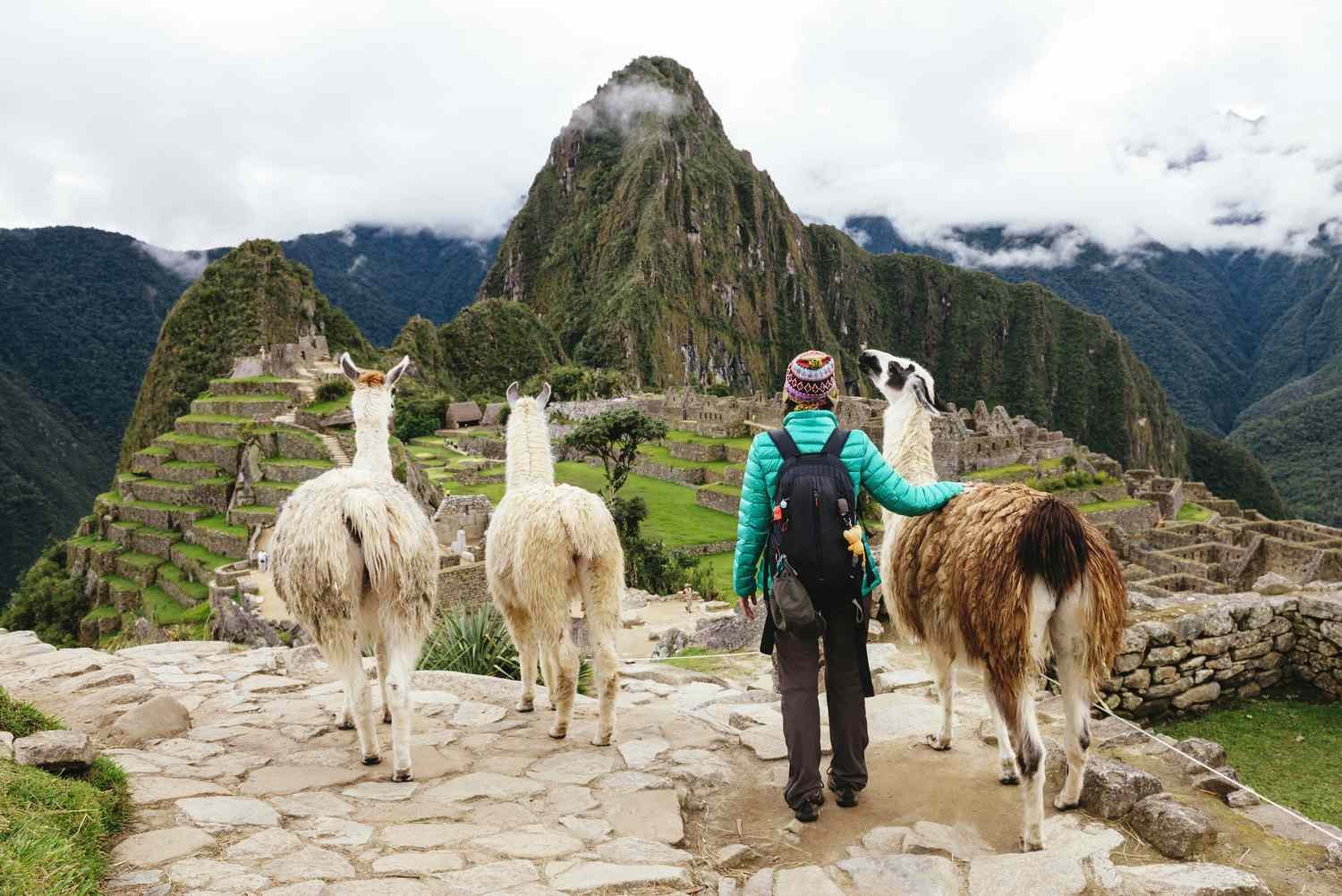
Peru is TrotRadar’s top recommendation for first-time South America travelers for a specific reason: the country delivers an extraordinary range of experiences within a geographically manageable circuit. The standard route — Lima, Cusco, Machu Picchu, Lake Titicaca, optional Amazon extension — gives you one of the finest ancient heritage sites on earth, South America’s most culinarily distinguished capital city, Andean highland culture still actively maintained by Quechua-speaking communities, and the option to extend into genuine jungle — all accessible from a single country without the logistical complexity of border crossings.
Lima deserves more than a transit night. The Miraflores and Barranco districts contain some of the finest restaurants in Latin America — Peru’s food revolution over the past two decades has produced a culinary tradition (ceviche, causa, tiradito, anticuchos, lomo saltado) that TrotRadar considers among the most exciting in the hemisphere. Central and Maido regularly appear on the World’s 50 Best Restaurants list; dozens of excellent mid-range options serve the same tradition at a fraction of the price.
The Machu Picchu planning reality: Entry requires advance purchase of a timed entry permit (available through the official Machu Picchu Gobierno Regional website). In peak season (June–August), permits sell out weeks ahead. TrotRadar recommends booking as early as possible — ideally the moment your travel dates are confirmed. The permit costs approximately $55–80 USD depending on circuit (various trail options have different permits).
TrotRadar Peru daily budget:
- Budget traveler: $35–55 USD/day
- Mid-range: $60–100 USD/day
- Lima tends to cost 30–40% more than Cusco for equivalent accommodation and dining
TrotRadar covers Peru in depth in our companion Peru beyond Machu Picchu guide — which covers the Colca Canyon, Arequipa, and the Amazon alongside the classic Cusco circuit.
Colombia: The Best-Value Complete Experience
Colombia in 2026 is the South America destination TrotRadar recommends most enthusiastically to first-time travelers who want to maximise the range of experiences in a single trip. The country contains Caribbean coast (Cartagena, Santa Marta, Tayrona National Park), Andean cities (Bogotá, Medellín), the coffee region (Eje Cafetero — covered in our dedicated Colombia coffee region guide), the Amazon, and the Pacific coast — all within a country that has improved its safety profile dramatically and developed a genuinely excellent tourist infrastructure over the past decade.
The Colombia circuit TrotRadar recommends for first-timers:
- Cartagena (3 nights) — the colonial walled city on the Caribbean, one of the finest in Latin America
- Medellín (3–4 nights) — the transformation city, excellent food and nightlife, cable car over the city
- Coffee Region / Salento (3–4 nights) — farm stays, wax palms, best coffee you’ve ever had
- Bogotá (2–3 nights) — the capital, the Gold Museum, the La Candelaria historic district
TrotRadar Colombia daily budget: $35–55 USD/day
Argentina + Chile: The Premium Patagonia Circuit
For travelers with more budget and a primary interest in extraordinary natural landscapes, the Argentina–Chile Patagonia circuit delivers the most visually dramatic South America experience available — at a price point that reflects it. TrotRadar’s full guide is in our dedicated Patagonia combined travel guide.
Buenos Aires is worth 4–5 days as an urban counterpart to the Patagonia wilderness: the Recoleta Cemetery, the San Telmo antiques market, the tango milonga culture (community tango events, open to visitors, operating on a different ethical principle from the tourist tango dinner shows), and a restaurant scene of extraordinary quality for the price. A steak dinner with wine at a mid-range parrilla (grill restaurant) in Buenos Aires runs approximately $15–25 USD for a full experience.
TrotRadar Argentina/Chile daily budget: $65–120 USD/day (higher in Patagonia, lower in Buenos Aires depending on exchange rate).
Safety in South America: The Honest TrotRadar Assessment
South America’s safety reputation is both more and less accurate than the anxiety it generates. Some honest distinctions:
Petty theft is the primary risk for most travelers in most destinations — pickpocketing, phone snatching, and bag theft in crowded areas. This is manageable with standard precautions that TrotRadar applies in every Latin American city:
- Use a neck wallet or money belt for passports and large cash amounts; keep only daily spending money in accessible pockets
- Don’t walk while looking at your phone in unfamiliar urban areas — it marks you as both distracted and in possession of a valuable device
- Use Uber, Cabify, or radio-dispatched taxis rather than hailing taxis from the street in major cities (express kidnapping via street taxis has been reported in several cities)
- Research the specific neighbourhoods to avoid in each city you visit — the risk varies enormously within a single city, not just between countries
Violent crime against tourists is significantly rarer than petty theft and concentrated in specific areas (certain Brazilian favelas, specific Venezuelan cities, parts of Honduras and El Salvador outside the main tourist circuits). The countries covered in TrotRadar’s recommended first-trip circuit — Peru, Colombia, Argentina, Chile — have all developed specific tourist infrastructure and policing in their main attractions that meaningfully reduces the risk.
The altitude warning that most South America guides underweight: altitude sickness (soroche) is a genuine medical issue at Cusco (3,400 m), La Paz (3,640 m), and on the Inca Trail. Arrive a day early before any strenuous activity, hydrate aggressively, consider acetazolamide (Diamox) from a travel health clinic if you have prior altitude sensitivity, and descend if symptoms (severe headache, vomiting, disorientation) develop. Most travelers experience mild symptoms that pass within 24 hours at Cusco; La Paz requires more careful acclimatisation.
Getting Around South America: The Transport Reality
Flying between countries is usually the most time-efficient option for the distances involved. LATAM, Avianca, and JetSMART operate regional networks with budget fares when booked in advance. A Lima–Bogotá flight booked 6–8 weeks ahead typically costs $80–150 USD.
Bus travel is the authentic overland experience and makes sense for shorter distances (Lima–Cusco being the main exception where the bus is very long — 21 hours — and the flight very cheap). Long-distance South American buses (operated by Cruz del Sur, Ormeño, and national equivalents in each country) are significantly more comfortable than their European equivalent — semi-cama (reclining seats) and cama (flat-bed seats) buses operate on many routes, and the overnight bus saves both time and accommodation cost.
The language situation: Spanish is the working language across every country in TrotRadar’s recommended first-trip circuit except Brazil (Portuguese) and indigenous communities. Basic Spanish makes a genuinely measurable difference to the travel experience — restaurant ordering, asking directions, basic market negotiation. Learning 100 words and 20 phrases before departure is a far better investment than a translation app in contexts where internet is absent. For a practical framework, read TrotRadar’s guide to learning a language while traveling.
South America Costs: The Realistic 2026 Breakdown
TrotRadar’s South America regional cost comparison:
| Country | Budget/day | Mid-range/day | Notes |
|---|---|---|---|
| Bolivia | $20–30 | $40–60 | Cheapest on the continent |
| Peru | $35–55 | $60–100 | Cusco premium; Lima higher |
| Colombia | $35–55 | $60–90 | Cartagena premium in peak season |
| Ecuador | $30–50 | $55–80 | Galápagos dramatically higher |
| Argentina | $45–70 | $80–130 | Exchange rate volatile — research current |
| Chile | $55–80 | $90–150 | Patagonia premium; Santiago reasonable |
| Brazil | $40–65 | $80–130 | Rio and São Paulo at higher end |
For the complete Patagonia budget deep-dive, TrotRadar’s Patagonia Argentina in-depth guide covers El Chaltén, Perito Moreno, and Ushuaia costs in granular detail.
The TrotRadar Bottom Line on South America First Trips
South America rewards the traveler who respects its scale rather than fighting it. Pick one sub-region. Plan three anchor destinations. Accept that the continent is a multi-trip project rather than a single itinerary. Stay long enough in each place to eat at the market, learn two words of Spanish, and have one conversation that wasn’t in a guidebook.
TrotRadar’s guarantee: you will come back. Every first-time South America traveler does.
Find Your South America Flight and Package Deal
TrotRadar features open-jaw flight options, Peru circuit packages, Colombia travel deals, and Patagonia adventure packages — all with the transport and accommodation logistics handled. Start planning your first South America trip. Browse TrotRadar’s South America travel offers →