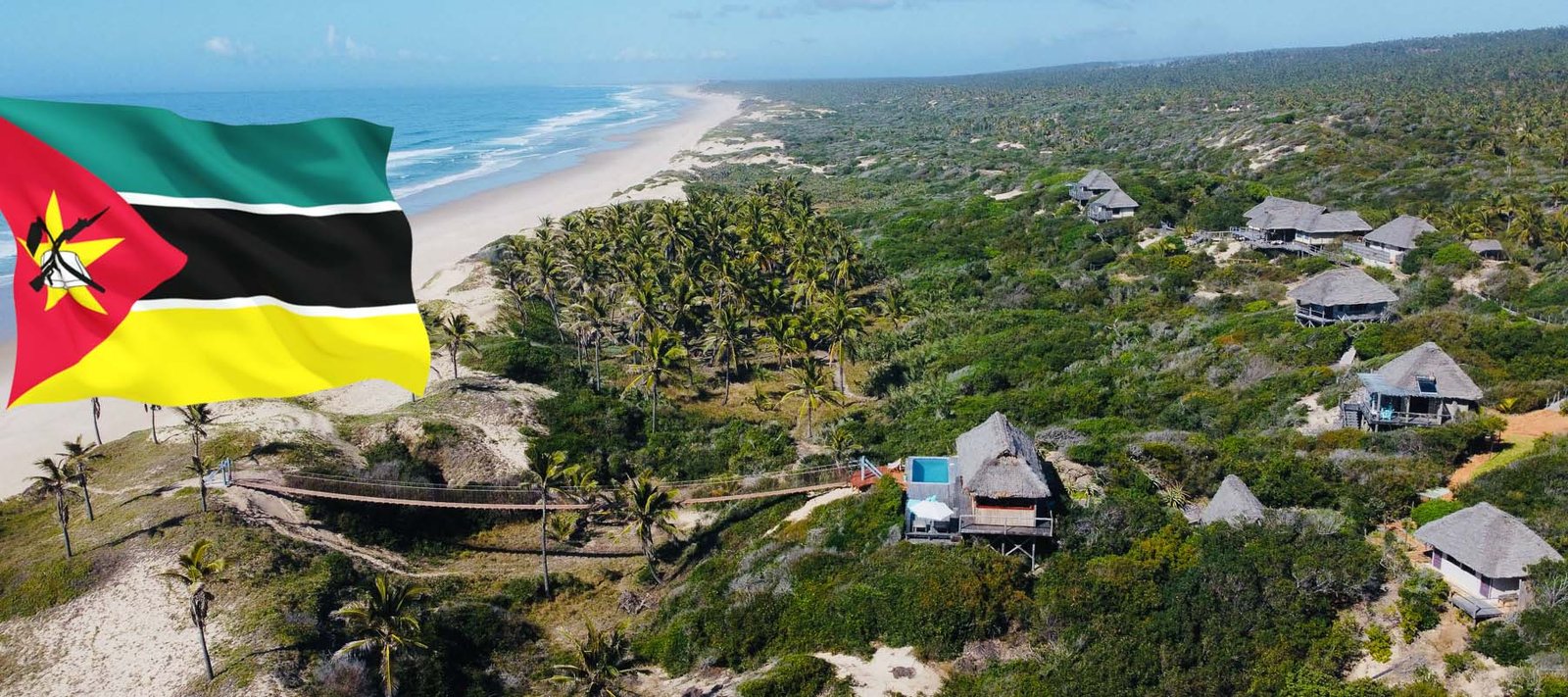
Mozambique’s coastline runs for 2,470 km along the western shore of the Indian Ocean — a sweep of white sand beaches, mangrove estuaries, coral reef archipelagos, and warm turquoise water that constitutes, in TrotRadar’s assessment, the finest tropical coastline in sub-Saharan Africa. It is also, for most international travelers, completely unknown — the country receives a fraction of the attention directed toward Kenya, Tanzania, and South Africa’s coast, which means that the beaches are quieter, the marine encounters less crowded, and the accommodation pricing significantly below equivalent quality in the Indian Ocean island destinations that attract comparable marine conditions.
At TrotRadar, this Mozambique travel guide coastline edition is one we’ve been building for several years — because the country requires more planning than most African destinations, rewards that planning with something genuinely exceptional, and sits at a price point (once there) that makes the logistics of getting there worthwhile.
TrotRadar Tip: Mozambique has two primary entry points for international travelers — Maputo in the south (served by South African Airways, Ethiopian Airlines, and several other carriers) and the overland crossing from South Africa. Most coastal destinations in the south and center of the country are most practically reached by self-drive or private transfer from Maputo. Browse TrotRadar’s Mozambique travel packages — we feature accommodation deals and transfer options across the main coastal destinations.
Tofo Beach: The Whale Shark Capital of the Indian Ocean
Tofo — a beach village on the Inhambane Peninsula, 470 km north of Maputo — has built an international reputation around one specific distinction: it has the highest documented density of whale sharks and manta rays in the Indian Ocean, consistently present year-round in the warm Mozambique Channel waters directly off the beach.
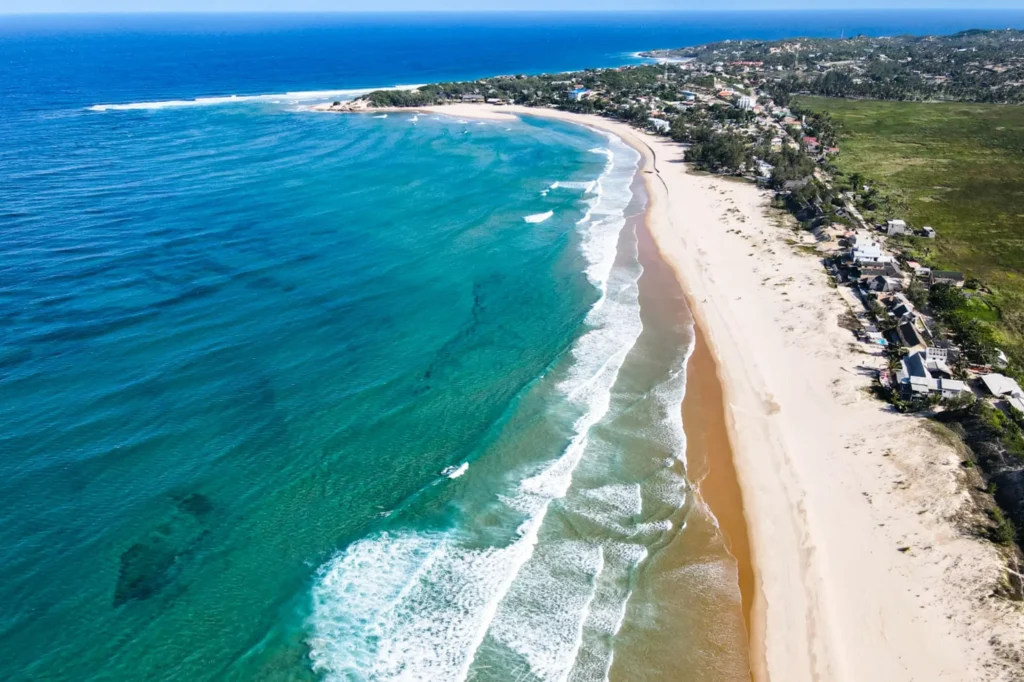
The whale shark snorkelling experience here is significantly different from the famous Holbox (Mexico) and Oslob (Philippines) operations — the animals are wild, aggregating naturally on the plankton-rich channel upwellings rather than being fed to maintain their presence. Operators use a spotter plane to locate aggregations in real time; the boats follow, and snorkelers enter the water alongside animals that are present because the food is there, not because someone is providing it.

TrotRadar considers this an important ethical distinction — covered in detail in our sustainable travel guide — and the reason Tofo ranks above competing whale shark destinations for responsible marine tourism.
Whale shark season: Year-round presence, with peak aggregations October to March. Manta ray season overlaps: October to May specifically.
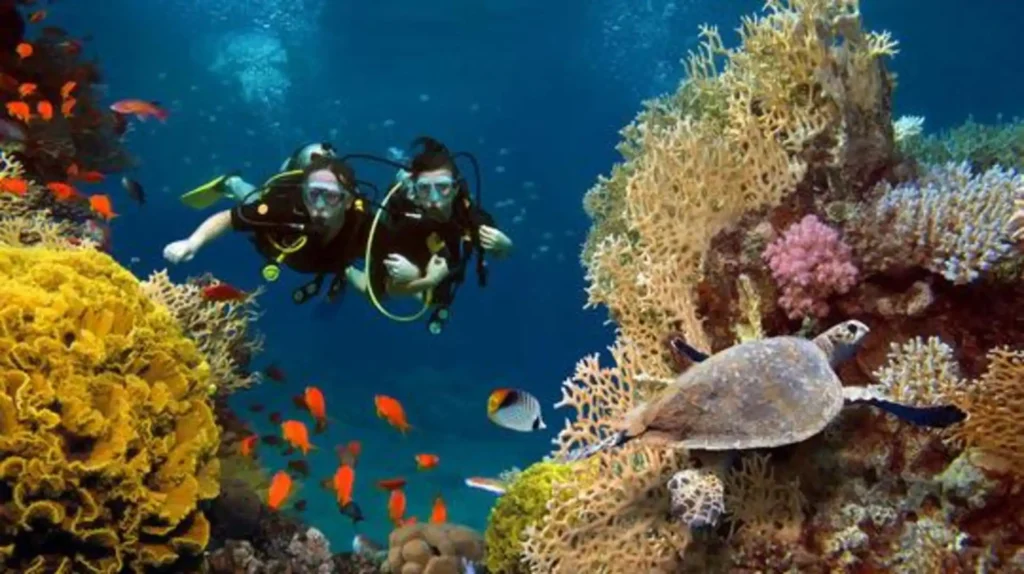
Diving at Tofo: The reefs off Tofo and the adjacent Barra Beach have exceptional coral health by global standards — partly because the relative absence of mass tourism has reduced the pressures that have degraded coral elsewhere in the Indian Ocean. Hammerhead sharks are present seasonally (June to September); humpback whales pass through July to October.
TrotRadar Tofo practical notes:
- Whale shark snorkel trip: approximately $30–45 USD (half-day, including spotter plane)
- 2-dive PADI package: approximately $60–80 USD
- Guesthouse accommodation: $20–45/night for a private room at a beach lodge
- Getting there: Bus or shuttle from Inhambane town (connected to Maputo by regular coach, 6 hours, approximately $15); or transfer from Maputo via car hire (5.5 hours on the EN1 highway)
The Bazaruto Archipelago: Mozambique’s Premier Marine Park
The Bazaruto Archipelago — five islands in a national park 450 km north of Maputo — is Mozambique’s most complete marine conservation success story: healthy coral reefs, enormous diversity of fish species, one of the last viable populations of dugong (sea cow) in the western Indian Ocean, and the specific quality of light on shallow sandbanks and lagoons that makes the Mozambique Channel water visible in every shade from white to deep blue.

The main islands — Bazaruto, Benguerra, Magaruque — have a range of accommodation from the genuinely luxurious (Anantara Bazaruto Island Resort, azura at Quilalea) to mid-range beach camps. The luxury end is genuinely premium ($300–800+/night); the mid-range options ($80–180/night) remain significantly below comparable Indian Ocean island equivalents in the Maldives, Seychelles, or Mauritius.
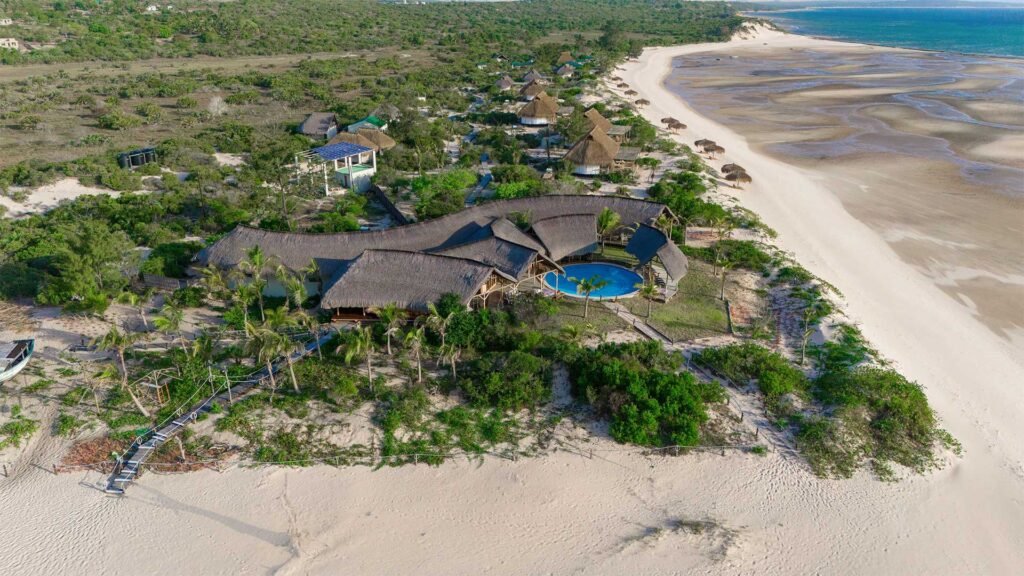
Getting to Bazaruto: Flights from Vilankulos on the mainland to Bazaruto Island (10 minutes by charter plane, approximately $150–200 return), or speedboat from Vilankulos (45 minutes, approximately $40–60 return). Vilankulos is connected to Maputo by LAM (Mozambique Airlines) daily flight (1.5 hours, approximately $120–200 return).
Vilankulos itself — the mainland town opposite the archipelago — has developed a modest independent tourism infrastructure: guesthouses from $25–60/night, good restaurants serving fresh prawns and fish, and dhow sailing excursions to the islands for approximately $50–80/day including snorkeling stops.
Maputo: Africa’s Most Underrated Capital
Maputo — Mozambique’s capital of 1.1 million people on a bay of the Indian Ocean in the country’s extreme south — is, in TrotRadar’s assessment, the most underrated capital city in southern Africa for travellers who give it more than the one night most use as a transit.
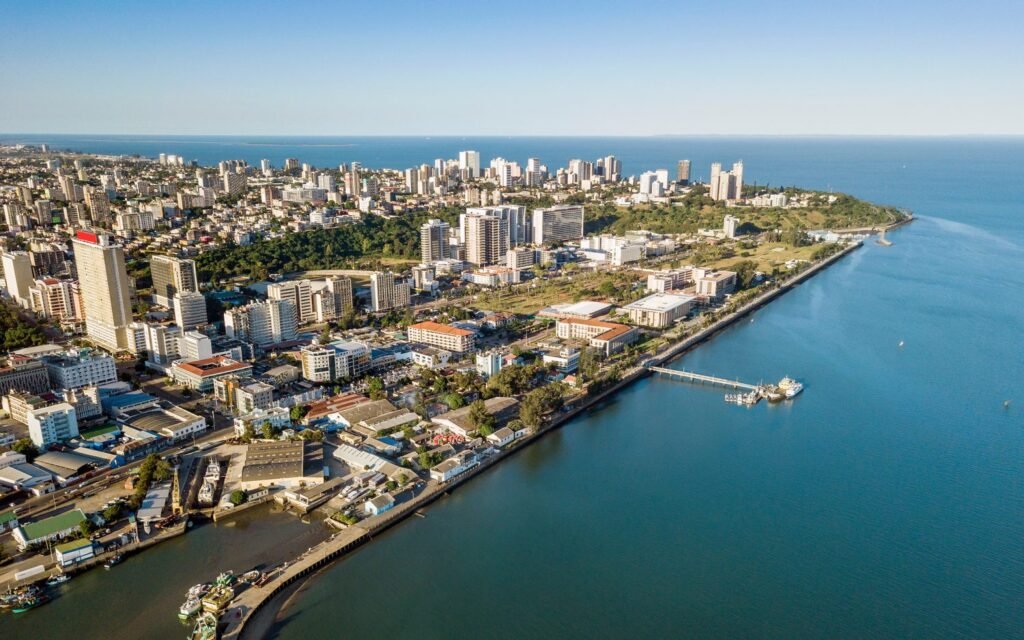
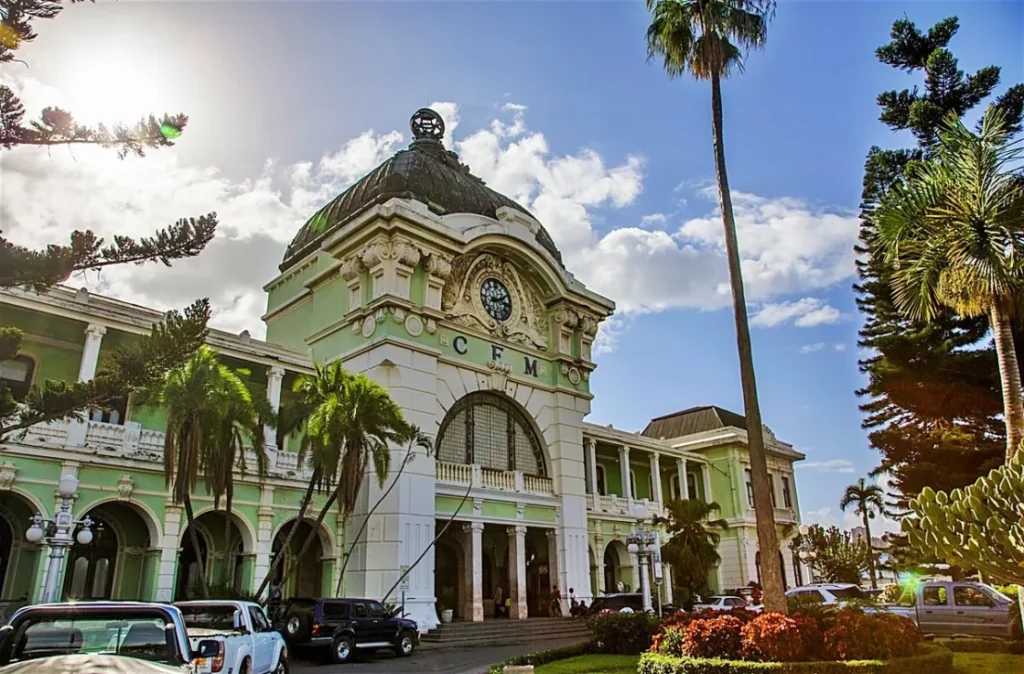
The city’s Portuguese colonial architecture — particularly in the baixa (historic lower city), where the iron market, the railway station (designed by Gustave Eiffel’s company in 1910), and the pavement café culture of the Avenida Julius Nyerere create an atmosphere genuinely distinct from any other southern African capital — rewards a full day of walking.
The seafood is the primary reason to eat in Maputo: the Mozambique Channel prawns are, without exaggeration, some of the finest in the world — large, sweet, grilled simply with garlic butter at any waterfront restaurant for approximately $10–18 for a full portion. The Costa do Sol seafood strip north of the center is where Maputo residents eat on weekends and where TrotRadar directs visitors for the most authentic version of this particular pleasure.

The Quirimbas Archipelago: Northern Mozambique’s Remote Reward
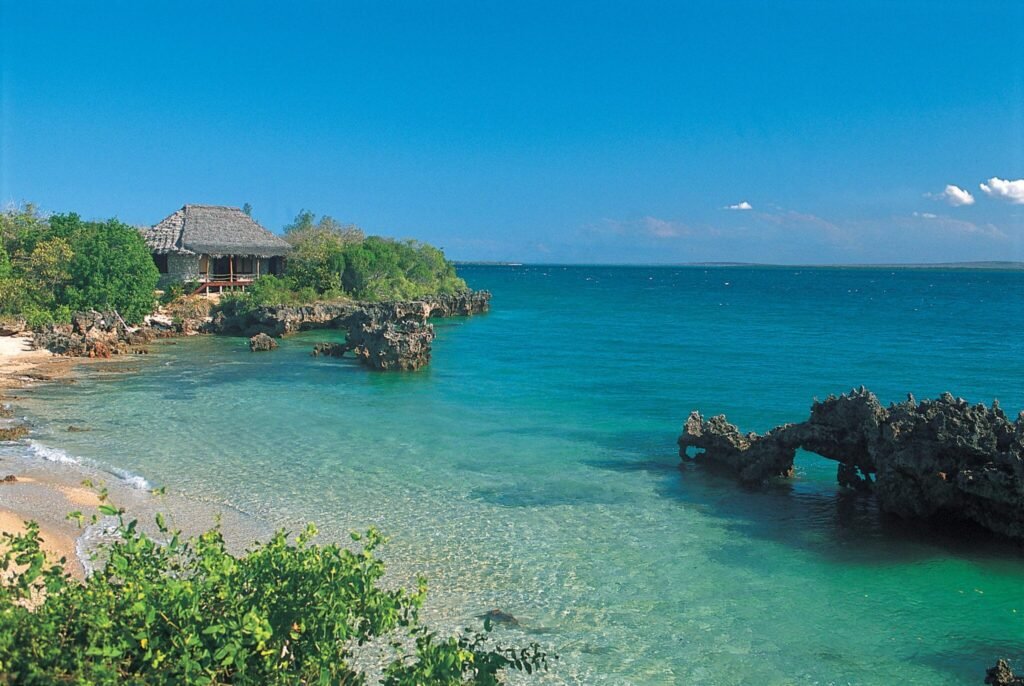
The Quirimbas Archipelago — 32 islands in the Indian Ocean off Mozambique’s far north — represents the most remote and most expensive end of the Mozambique coastal experience, and sits at a price point that TrotRadar would describe as genuinely premium rather than inflated: the distance, the conservation quality, and the specific character of the coral reefs and historical Swahili architecture justify what it costs.
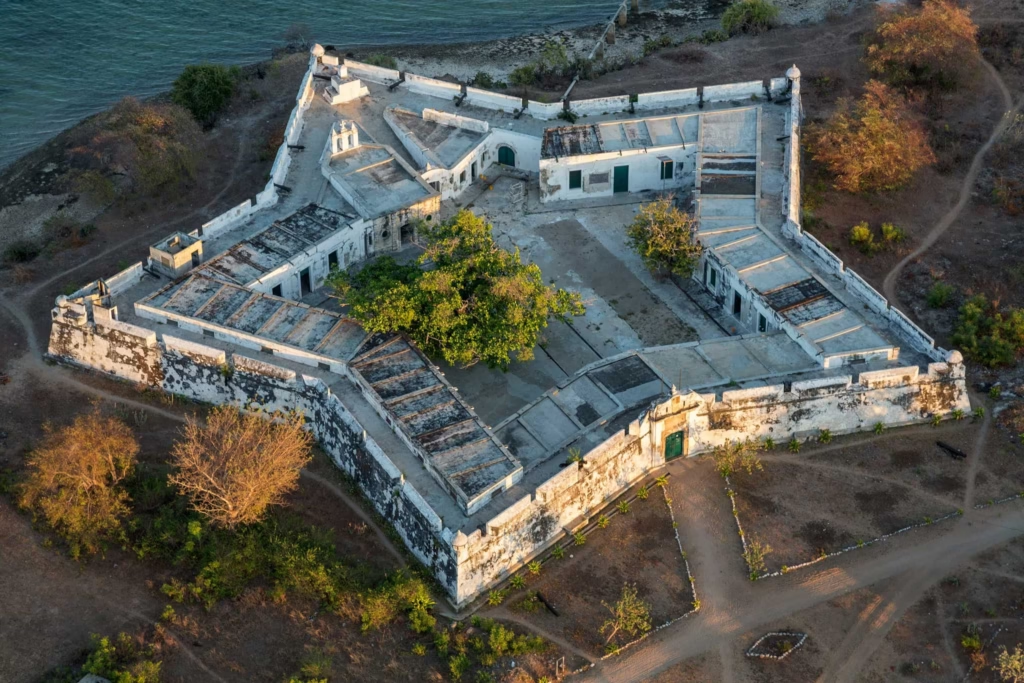
Ibo Island — a fortified trading settlement dating to the Portuguese period and before, its silver jewellery workshops and decaying colonial mansions creating an atmosphere of extraordinary historical layering — is accessible by charter flight from Pemba on the mainland (approximately $200–300 return) and has two small lodges with genuine character.
The diving and snorkelling around the northern islands has among the highest coral diversity in the entire Mozambique Channel — the distance from population centers and the national park protection have maintained a reef health that the southern islands, with more visitor pressure, cannot match.
For travelers planning a southern Africa wildlife circuit that includes Mozambique, TrotRadar’s budget safari Africa guide covers how to connect the Mozambique coast with South Africa’s Kruger and Zambia’s game parks in a logical multi-country itinerary.
Practical Mozambique Travel Notes from TrotRadar
Visas: Most Western nationalities require a tourist visa — available either as an e-visa online before departure (approximately $75–90 USD, recommended approach) or on arrival at Maputo International Airport ($75–90 USD; less reliable for all nationalities — check current policy). Allow 3–5 business days for e-visa processing.
Currency: Mozambican Metical (MZN). Approximately 70 MZN per €1 as of recent rates. USD and South African Rand widely accepted at tourist accommodation and restaurants; local currency needed for markets and local transport.
Health: Malaria prophylaxis essential throughout Mozambique — the country has significant malaria transmission year-round. Yellow fever vaccination required for entry from endemic countries. Medical facilities are very limited outside Maputo — comprehensive medical evacuation insurance is absolutely required. See TrotRadar’s travel insurance guide for African-specific coverage recommendations.
Safety: Maputo and the main tourist coastal areas are broadly safe for tourists with standard urban precautions. The northern Cabo Delgado province has experienced security issues in recent years — check current government travel advisories before planning any northern Mozambique itinerary.
TrotRadar Mozambique daily budget:
- Budget (backpacker guesthouses, local food, Tofo area): $35–55/day
- Mid-range (beach lodge, restaurant meals, marine activities): $80–150/day
- Bazaruto/luxury tier: $200–500+/day at premium resorts
The TrotRadar Verdict on Mozambique
The Mozambique travel guide coastline conclusion is that this is the southern African coastal destination that most travelers in the region haven’t yet prioritised — and that delivers, for those who make the effort, an Indian Ocean experience of marine quality comparable to destinations charging three times as much for the equivalent encounter.
The whale sharks off Tofo are wild and reliable. The Bazaruto lagoons are as extraordinary as any island water in the Indian Ocean. The prawns in Maputo are worth a flight on their own. TrotRadar says: plan it properly, get the visa in advance, take the malaria tablets, and go.
Find Your Mozambique Travel Deal
TrotRadar features Mozambique whale shark tour packages, Bazaruto Island accommodation deals, Maputo hotel bookings, and Vilankulos dhow excursions. Africa’s most beautiful coastline is ready for you. Browse TrotRadar’s Mozambique travel offers →