
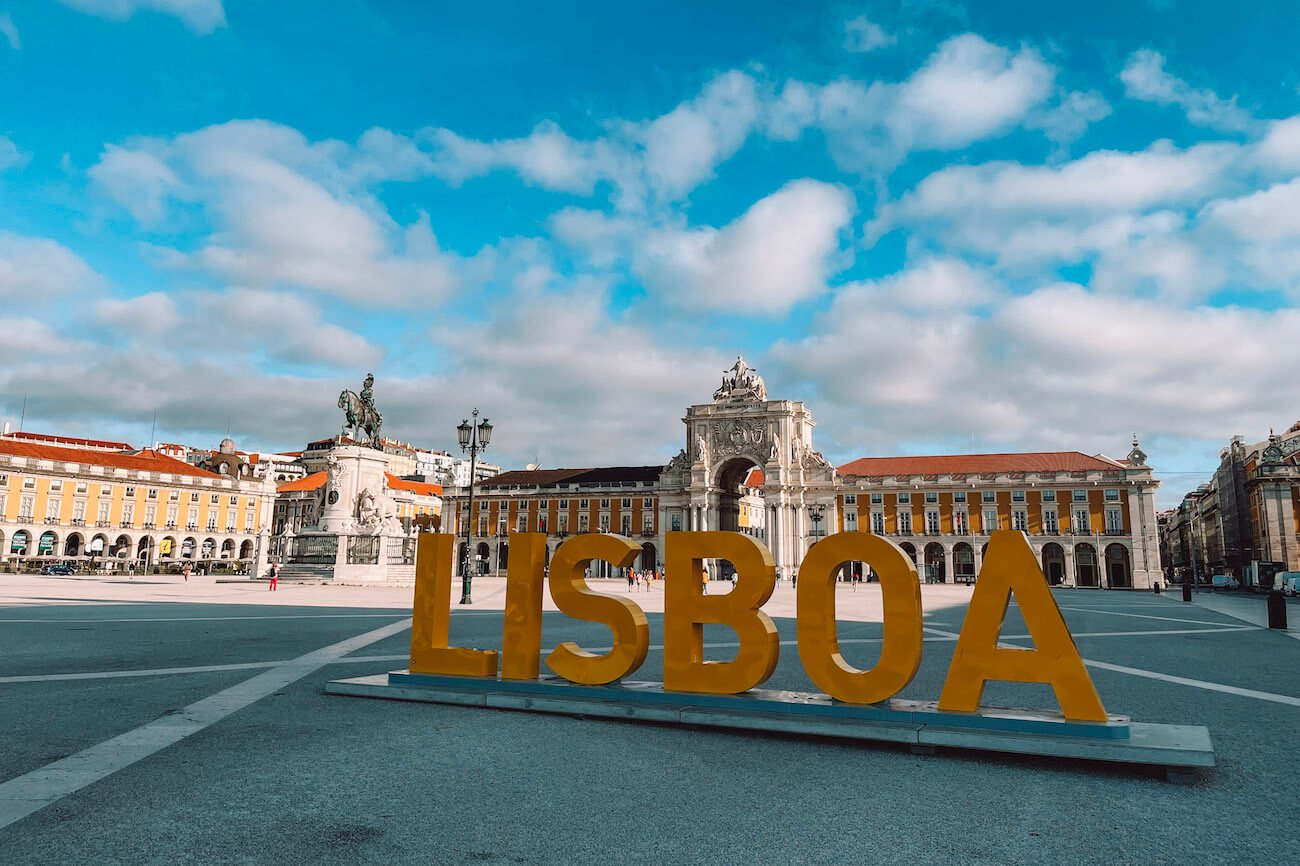
Lisbon has been Europe’s most discussed city for the past decade — the subject of more “Europe’s new Berlin” and “Europe’s new Barcelona” comparisons than any capital deserves to absorb. What those comparisons miss is that Lisbon is not trying to be anything other than itself: a small capital of 550,000 people built across seven hills above the Tagus estuary, with a specific quality of afternoon light, a food culture of extraordinary depth at reasonable prices, and the particular Portuguese character — warm, self-deprecating, genuinely curious about visitors — that makes the social experience here unlike any other European capital. At TrotRadar, this Lisbon travel guide covers the city with the specificity it deserves: not as a trend destination but as a genuinely liveable, genuinely beautiful, genuinely affordable European capital that rewards the traveler who stays five days rather than two.
TrotRadar Tip: Lisbon’s hills make comfortable shoes more important than any other European city TrotRadar covers. The cobblestone streets (calçada portuguesa — hand-laid limestone and basalt) are beautiful and treacherous in rain and heels simultaneously. Wear the shoes you’d wear hiking. The city rewards the walker who can manage the gradient; it punishes the one who can’t. Browse TrotRadar’s Lisbon hotel and apartment deals — we feature properties in Alfama, Mouraria, and Príncipe Real at competitive rates.
Alfama: The Medieval Quarter That Survived the Earthquake
Alfama — the Moorish-origin quarter that survived the 1755 earthquake that destroyed the rest of Lisbon — is the oldest and most atmospheric neighbourhood in the city, a labyrinth of tightly packed houses, tiled facades, and lanes so narrow that neighbours across the alley can touch opposite walls simultaneously. It is also the home of fado — the melancholy Portuguese music tradition that evolved in the taverns and doorways of this specific neighbourhood in the 19th century and that is best experienced in the small restaurants and tascos where the performance is genuinely communal rather than staged.
TrotRadar’s Alfama sequence:
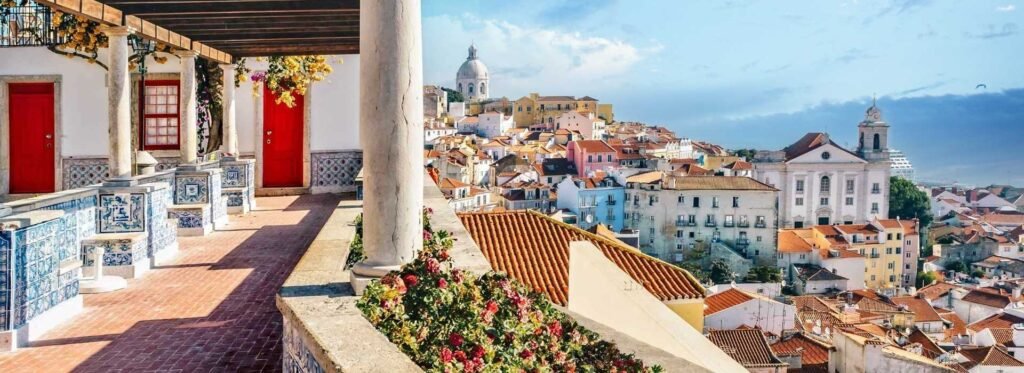
Morning: The Portas do Sol and Santa Luzia viewpoints (miradouros) before 8 AM — before the tour groups arrive, the specific quality of morning light over the Tagus estuary and the red-roofed city is the finest free experience in Lisbon. The cats that inhabit the Alfama viewpoints at dawn are genuinely resident rather than placed for photographic purposes.
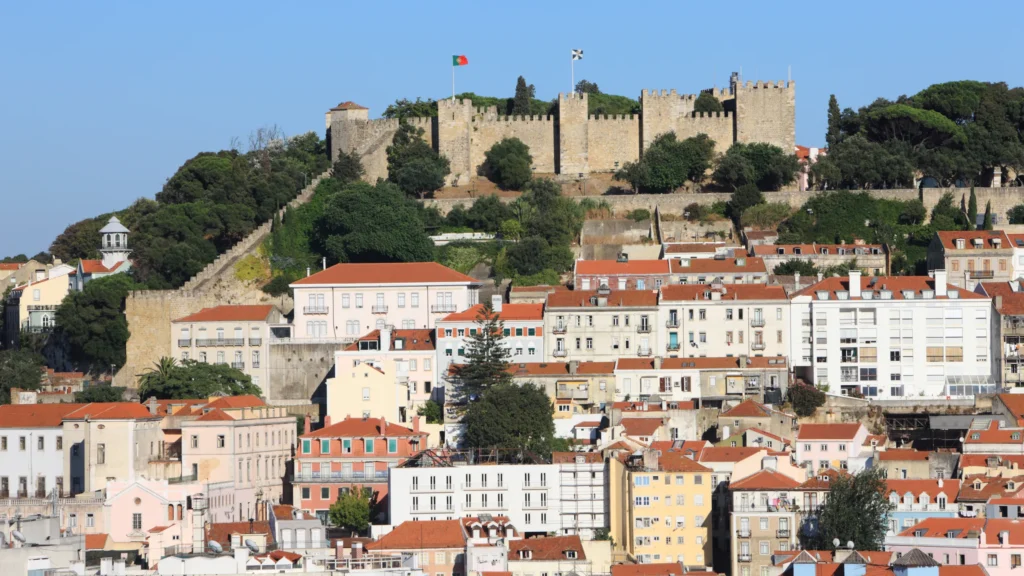
Afternoon: Walk without a map. The lanes of Alfama cannot be navigated by itinerary — every attempted shortcut produces a new discovery. The São Jorge Castle (the Moorish citadel above the quarter, entry approximately €15, garden free) provides the panoramic Lisbon overview from above the Alfama roofscape.
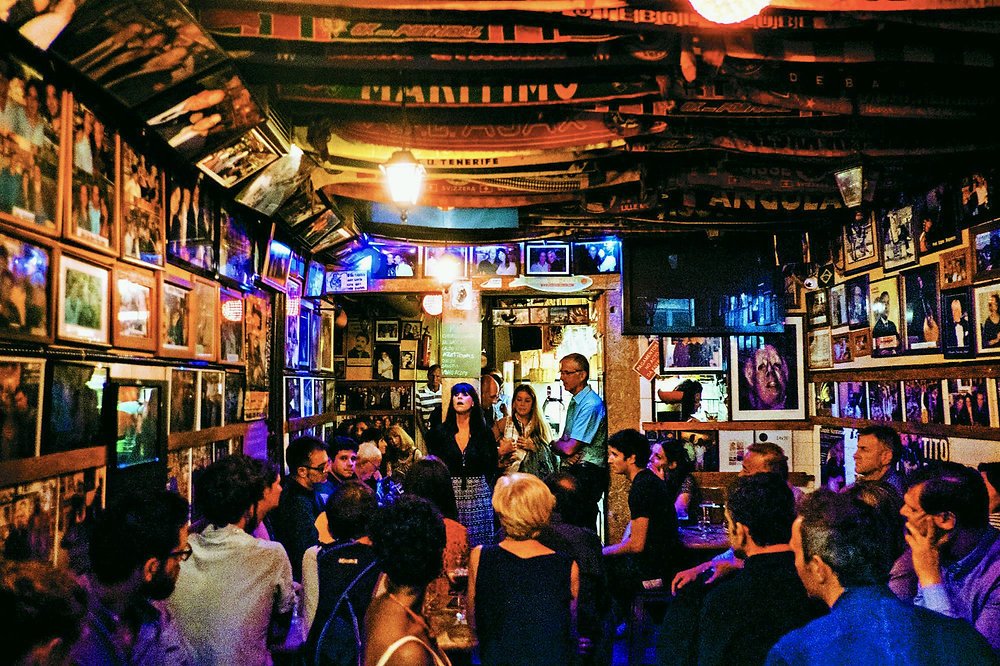
Evening: Fado at a small tasco in the Alfama backstreets rather than the tourist-facing fado restaurants. Tasca do Chico and Mesa de Frades are TrotRadar’s recommendations — both small, both with genuine casa de fado character, both requiring advance booking. The experience: a room of 20–30 people, dinner, and a fadista performing to a room where silence during the music is culturally required and genuinely observed. Cost for dinner with fado: approximately €35–50 per person.
Belém: The Age of Discoveries in Stone
Belém — 6 km west of the city center along the Tagus waterfront, accessible by tram 15E or riverside cycle path — is where the architecture of Portugal’s Age of Discoveries is concentrated: the Tower of Belém (built 1516, the last sight that Vasco da Gama and Pedro Álvares Cabral saw leaving Lisbon, entry €6), the Jerónimos Monastery (16th-century Manueline Gothic — Portugal’s national pantheon, where da Gama and Luís de Camões are buried — entry €10 or free with the Lisboa Card), and the Monument to the Discoveries (a 1960 commission depicting 33 figures of the Age of Discovery, its interior map of Portuguese exploration routes on the floor available for free inspection).
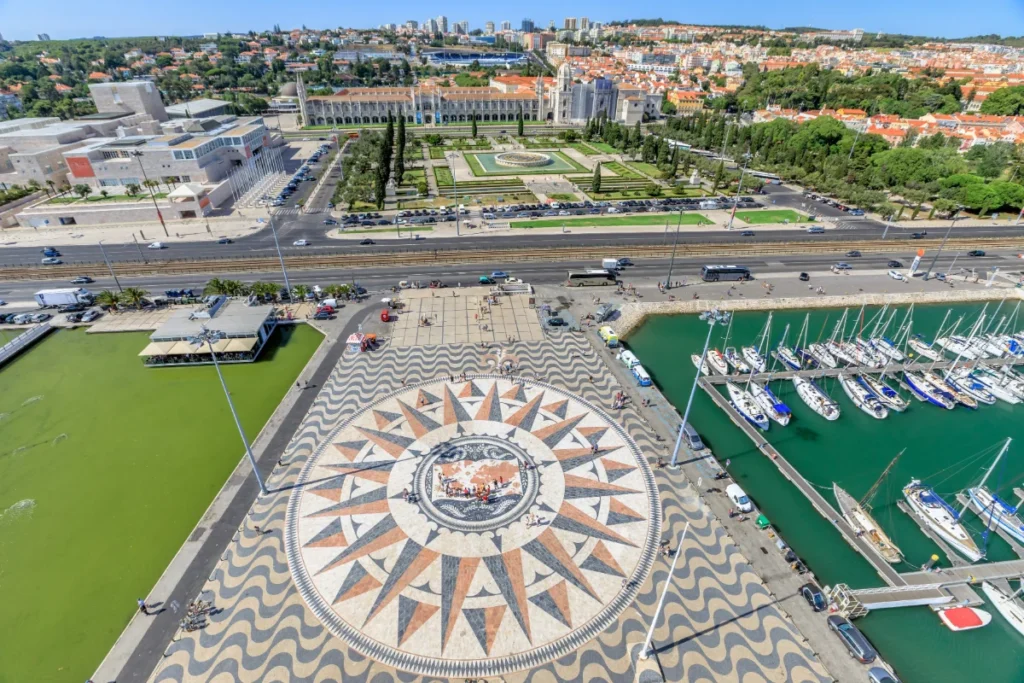
The Pastéis de Belém — the original pastry shop that has been producing the custard tart (pastel de nata) to its original recipe since 1837, its recipe a protected secret — is 200 metres from the monastery. Cost: €1.40 per tart at the counter, eaten warm with cinnamon and icing sugar, with a bica (espresso) alongside. TrotRadar’s specific Lisbon recommendation: eat the pastéis de Belém at the Pastéis de Belém specifically — the recipe is genuinely different from the pastel de nata available throughout the city, and the queue (always present, always fast) is part of the experience.
LX Factory and Príncipe Real: The Contemporary Lisbon
The LX Factory — a former 19th-century textile complex under the 25 de Abril suspension bridge in Alcântara — has been converted into a creative cluster of independent restaurants, studios, design shops, and event spaces. The Sunday market (10 AM–7 PM, free entry) is the finest weekend outdoor market in Lisbon: vintage clothing, books, records, food stalls, and the specific Sunday energy of a city that treats the late morning as genuinely social time.
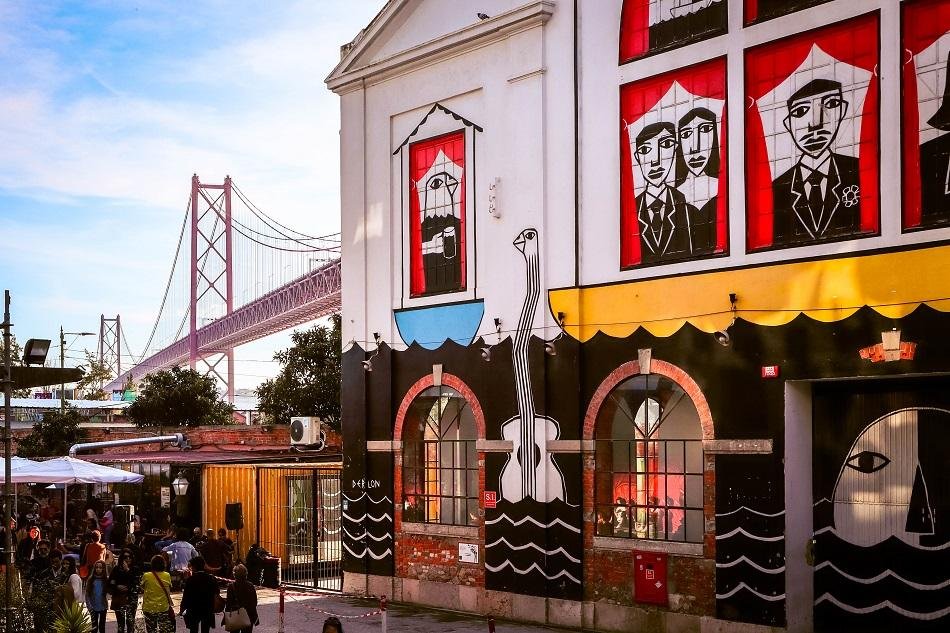
Príncipe Real — the elegant hilltop neighbourhood of 19th-century palaces converted to boutique hotels and design restaurants — is the correct evening neighbourhood for the traveler who wants the Lisbon that residents use: the Jardim das Flores park (the finest small garden in Lisbon, always with someone reading), the wine bar culture of Rua Dom Pedro V, and the independent restaurants of the neighbourhood backstreets that constitute the most concentrated quality dining outside Michelin-level in the city.
Sintra: The Day Trip That Earns the Train Fare
Sintra — 40 minutes from Lisbon’s Rossio station by regular train (approximately €2.30 each way) — is the day trip that every Lisbon guide recommends and that consistently earns the recommendation. A UNESCO World Heritage Cultural Landscape, the Sintra hills contain four distinct palaces within 5 km of the town center:
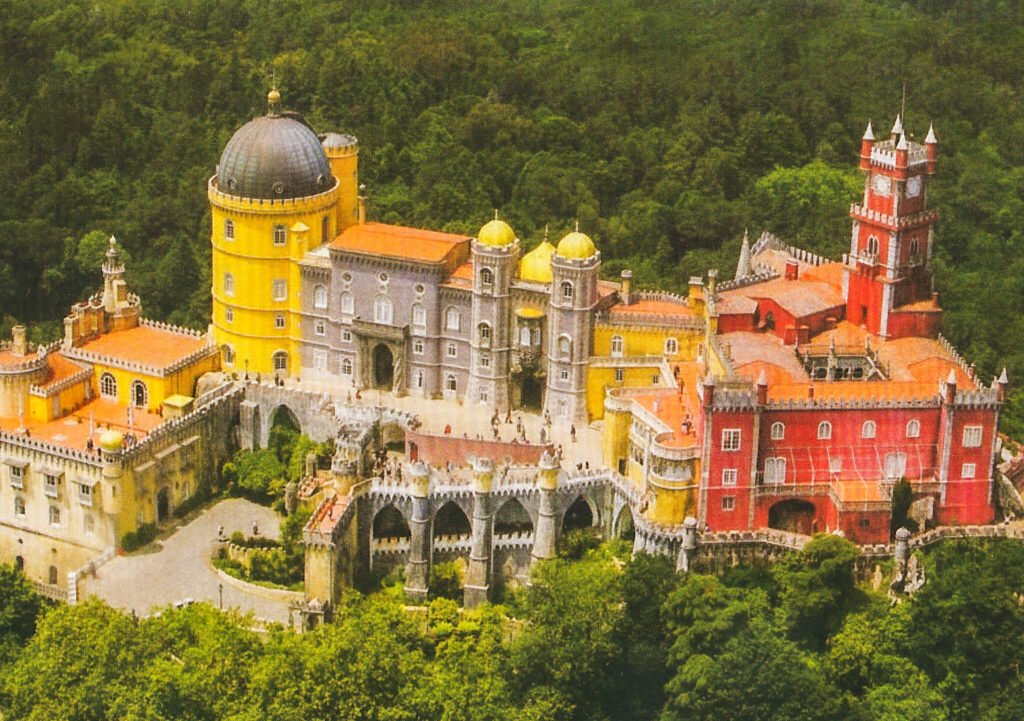
Pena Palace — the fairytale Romantic-era palace on the highest peak, its extraordinary colour scheme (yellow, red, grey) visible from Lisbon on clear days. Entry: €14; queue before 9 AM or after 4 PM
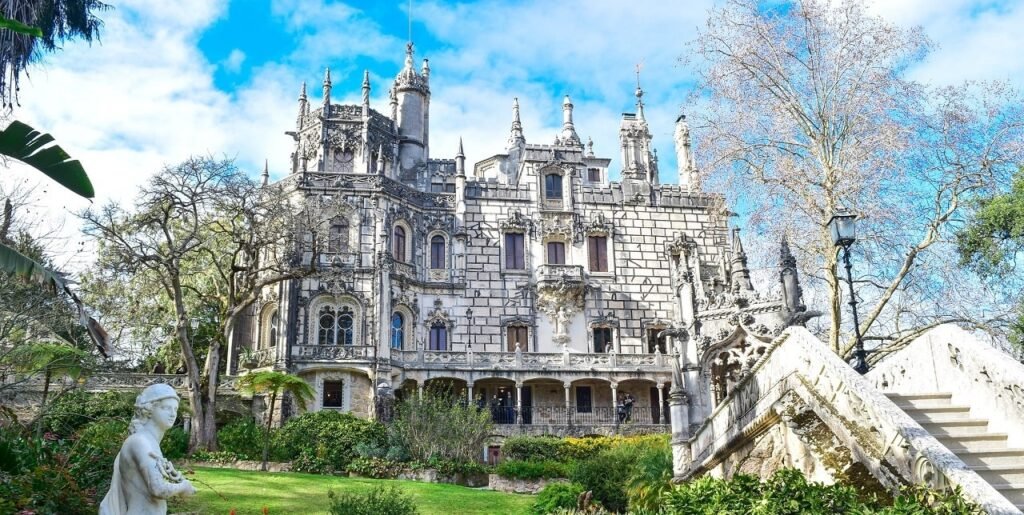
Quinta da Regaleira — the most mysterious property in Sintra: a neo-Gothic palace with an initiatic well (a spiral staircase descending 27 metres through a tower into underground tunnels built for Masonic rituals). Entry: €12
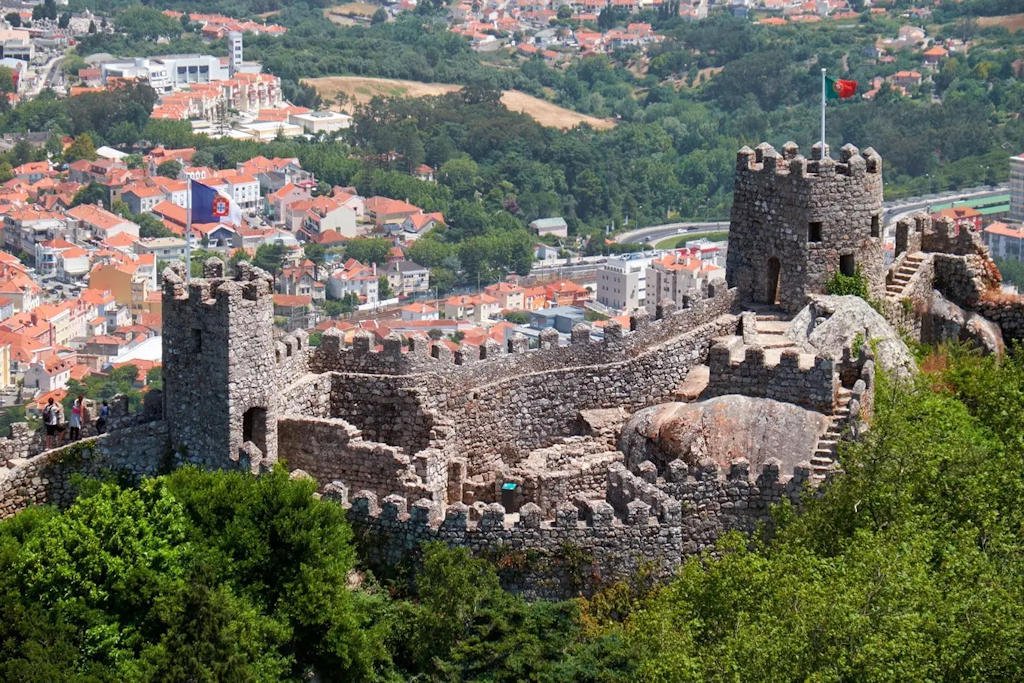
The Moorish Castle — medieval ramparts along the ridge above Sintra with extraordinary views over the Atlantic coast and the Tagus estuary simultaneously. Entry: €8
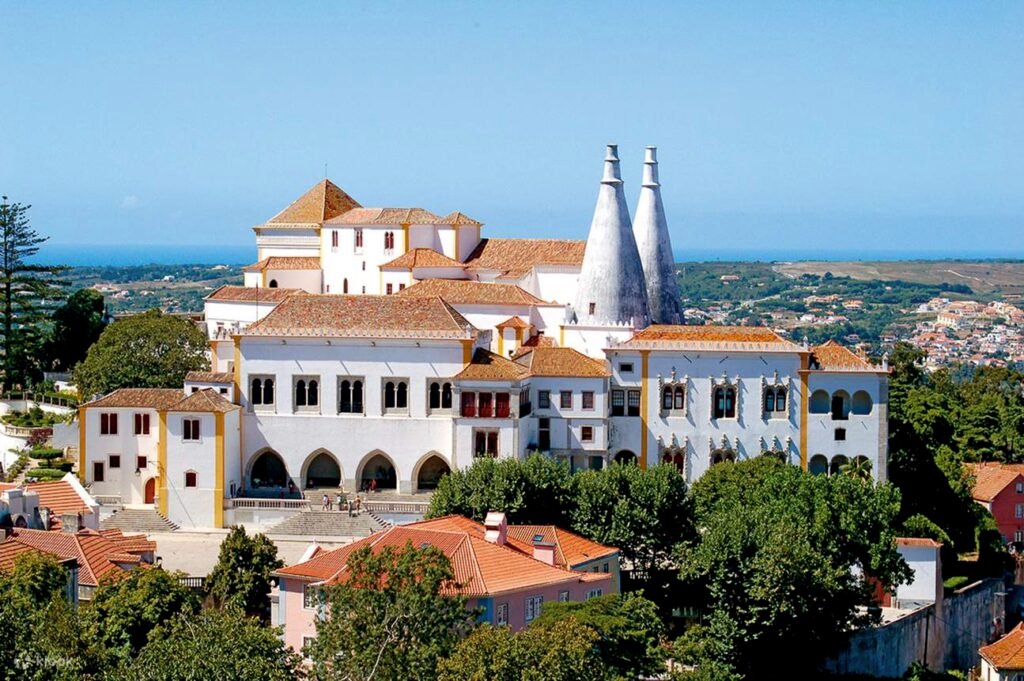
National Palace of Sintra (free with Lisboa Card) — in the town center, its twin chimneys (for the medieval kitchen) the defining image of the Sintra skyline
TrotRadar’s Sintra timing: take the first train from Rossio (departing approximately 7:30 AM) and reach Pena Palace for opening before the tourist buses from Lisbon hotels arrive at 9:30–10 AM. The palace grounds in the morning forest mist, almost alone, constitute one of the finest experiences in a day trip from any European capital.
Practical Lisbon Travel Guide: Essential Notes from TrotRadar
The Lisboa Card: Provides unlimited public transport (including the train to Sintra) and free or discounted entry to over 40 museums and attractions. 48-hour card: €43; 72-hour card: €53. Calculate whether it pays for your specific itinerary before buying — it pays for itself if you plan Sintra, the Jerónimos Monastery, and 2–3 museums within 48 hours.
Food and eating: The prato do dia (daily lunch plate — soup, main course, bread, and often a glass of wine or water) at any non-tourist-facing restaurant: €7–12 and one of the finest value meals in Western Europe. Specifically look for restaurants with a handwritten lunch board outside rather than a laminated menu — this is the reliable indicator of a genuine local operation. Full Portugal food context in TrotRadar’s budget food countries guide.
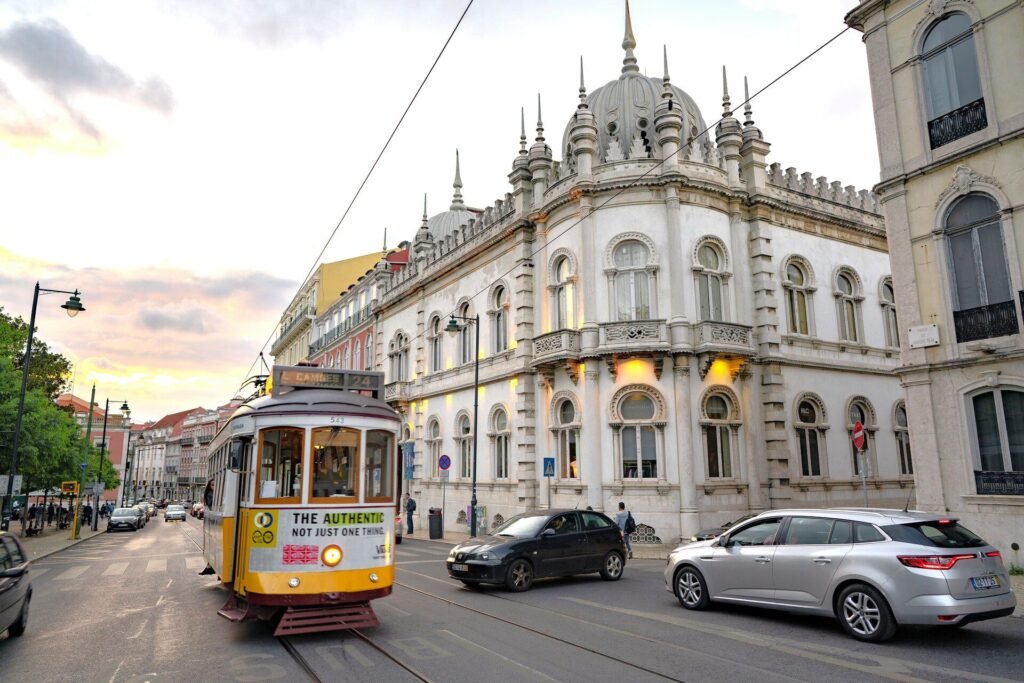
Getting around: The Lisbon Metro covers the main tourist circuit well (single tickets €1.99; day pass €6.80). The historic trams (28E through Alfama, 15E to Belém) are slower, more crowded, and more atmospheric — watch for pickpockets on the 28E specifically, which is the most pickpocket-targeted transport line in Lisbon. Walking connects most central destinations; the city is small enough that a 30-minute walk covers most of the historic core.
For how Lisbon connects to the wider Portugal experience — the Alentejo wine country and the Atlantic islands — read TrotRadar’s Alentejo Portugal guide and our Azores travel guide. And for the digital nomad context that has brought an international community to Lisbon specifically, our digital nomad destinations guide covers the D8 visa and cost of living in detail.
TrotRadar Lisbon daily budget:
- Budget (guesthouse + local restaurants + metro): €45–65/day
- Mid-range (boutique hotel + mix of restaurants): €80–120/day
- Sintra day trip: €25–50 additional (transport + entry fees)
The TrotRadar Verdict: Is Lisbon Worth a Full Travel Guide?
Lisbon is the European capital that does the most with the least pretension — a city of extraordinary historical depth, genuinely excellent food, a music tradition that is both sorrowful and beautiful, and a physical setting (the hills, the river, the Atlantic light) that makes photography both easy and insufficient. Five days is the correct allocation; three is the absolute minimum; two produces the specific frustration of a city that you’ve begun to understand without having time to finish. Take the train to Sintra on the first morning. Go to fado in Alfama on the first evening. Eat the pastel de nata every day. TrotRadar promises everything else falls into place.This Lisbon travel guide exists to make that fall into place faster.
Find Your Lisbon Travel Deal
TrotRadar features Lisbon hotel and apartment packages in Alfama, Príncipe Real, and Mouraria, Sintra day trip combinations, fado dinner bookings, and Lisboa Card packages that make the city genuinely affordable. Browse TrotRadar’s Lisbon travel offers →