
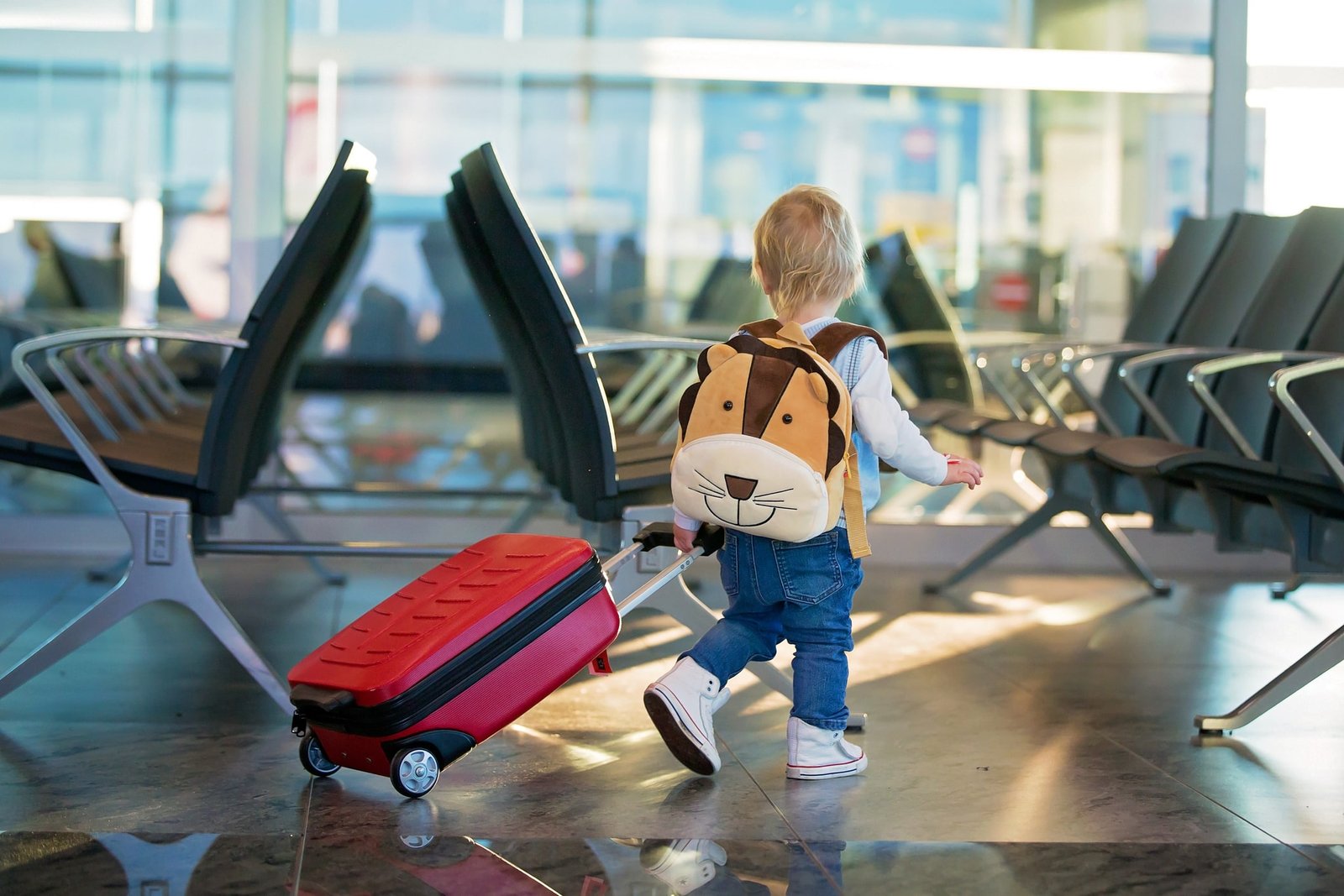
Traveling with children generates more anxiety in the planning stage than it warrants in the execution — and more genuine joy than most pre-trip accounts prepare you for. Children experience new places free from self-consciousness. They find the extraordinary in things familiarity has made invisible to adult eyes. They also generate authentic interactions with local people that adults traveling alone simply cannot access. At TrotRadar, the how to travel with kids guide is built on the consistent experience of our team members who travel with children, and on the honest assessment of what makes family travel work rather than what makes it aspirationally appealing.
TrotRadar Tip: The most effective family travel planning decision is choosing a base-and-explore model over the moving itinerary that works well for adults. Rent one apartment or villa for 10–14 days and take day trips from a stable base. A kitchen for the key meals (breakfast before a long day, dinner when everyone is exhausted) produces better family travel experiences than hotel-to-hotel movement. Browse TrotRadar’s family travel packages — we feature villa and apartment rentals in all the destinations covered in this how to travel with kids guide.
How to Travel With Kids: What Makes a Destination Truly Family-Friendly
Family-friendly travel destinations are not the destinations most travel content celebrates — and not the destinations most parents aspire to when traveling without children. They’re the destinations that specifically deliver on a criteria set that doesn’t apply when traveling alone: accessible water, contained spaces for children to move freely, accommodation with kitchens, food that children will accept, healthcare proximity for the inevitable minor health events, and enough adult cultural depth that the trip means something beyond its function as a family holiday.
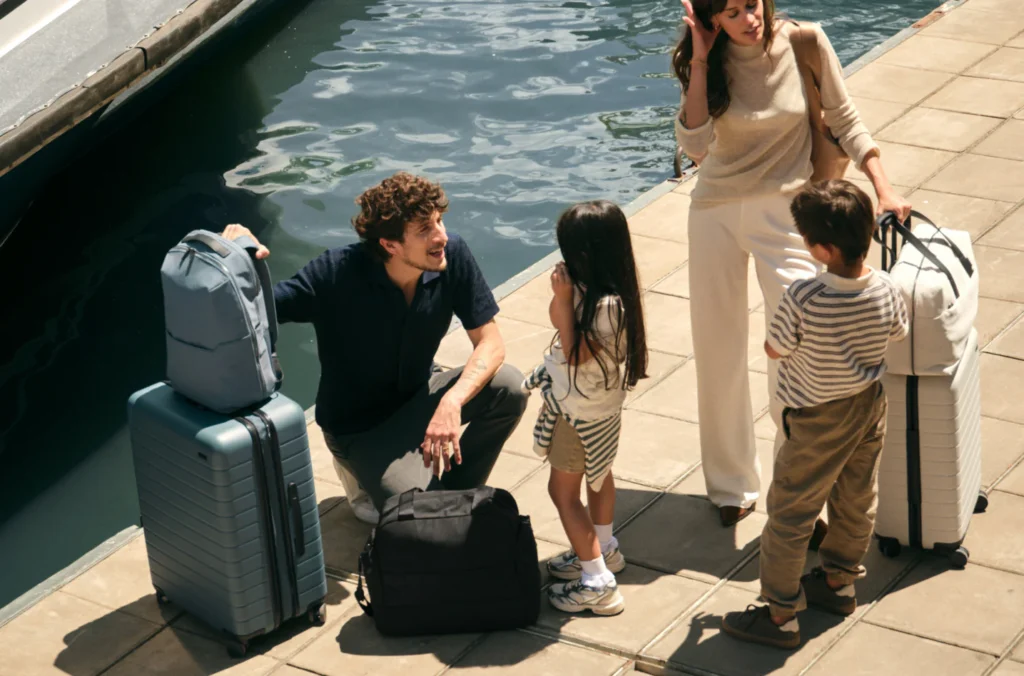
Every how to travel with kids guide should start with destination selection. Here is TrotRadar’s priority framework:
1. Safe, accessible water. Shallow, calm, warm, within easy walking distance of accommodation. This single criterion determines more of the daily experience quality than any other factor.
2. Kitchen access in accommodation. Self-catering flexibility eliminates the restaurant management problem (timing, child menus, noise tolerance, nap interference) for at least some meals.
3. Manageable flight time. Under 4 hours for toddlers and under-3s. Under 8 hours for school-age children with screens. The long-haul family trip is achievable from approximately age 5–6 with the right preparation.
4. Medical accessibility. Proximity to English-speaking healthcare for the fever that arrives on day three of any family trip. This is not catastrophizing — it is practical reality.
5. Cultural engagement for adults. The parent who’s been reduced to pure childcare logistics for 10 days with no adult cultural engagement returns exhausted rather than refreshed. Choosing destinations with genuine adult content (food, architecture, nature) alongside child-accessible activities produces trips that reward both generations.
The Best Family Travel Destinations: TrotRadar’s Picks
Portugal: TrotRadar’s Top European Family Destination
Portugal — specifically the Algarve coast and the Silver Coast (Costa de Prata) north of Lisbon — is TrotRadar’s strongest European family travel recommendation. The Atlantic beaches provide calm, supervised bathing at many beaches (lifeguard coverage on most Algarve beaches June–September), the flight time from Northern Europe is 2–3 hours, the accommodation rental market (Airbnb, villa rental agencies) provides excellent kitchen-equipped options at competitive prices, and the food culture is one of the most family-accessible in Europe — fresh fish, good bread, the pastel de nata that children universally endorse, and restaurant culture genuinely comfortable with children at family meal times.It consistently ranks as the top pick in our how to travel with kids guide for European families.

The Algarve specifically: the western cliff coast (Lagos, Sagres) has the finest scenery; the central coast (Albufeira, Vilamoura) has the most developed family beach infrastructure; the eastern Algarve (Tavira) has the most characterful town experience with calmer sea conditions. TrotRadar’s family pick: the Lagos–Sagres area for the coastal drama alongside accessible beaches like Meia Praia (flat, sandy, lifeguarded, ideal for small children).
Full Portugal context in TrotRadar’s Alentejo Portugal guide.
TrotRadar Portugal family daily budget: €120–180 for a family of four (villa accommodation divided)
Bali: The Best-Value Family Beach Base in Asia
Bali for families — specifically the Seminyak/Canggu area with pool villa access, or Ubud for older children interested in nature and culture — provides the specific combination of private villa with pool (eliminates the ocean safety anxiety for very young children), the warmth and gentleness of Balinese hospitality toward children (children are considered sacred in Balinese Hinduism; the cultural warmth toward them from staff and strangers alike is genuine), and daily costs that make the family-specific upgrades (private villa, extra meals, kids’ activities) financially achievable.
Older children (8+) respond specifically well to Bali’s cultural richness: the temple offerings, the rice terrace walks, the cooking classes, and the wildlife (the Bali Bird Park, the Ubud Monkey Forest) all provide engagement beyond the pool. The flight from Europe (13–14 hours via connecting hub) makes Bali a significant commitment for families with very young children; from Australia (6 hours from Sydney) it becomes one of the finest family destinations in the region.

TrotRadar Bali family daily budget: $120–200 USD for a family of four (private villa divided)
Japan: The Family Travel Surprise
Japan appears on TrotRadar’s family list for reasons specific to traveling with children rather than despite it: the extraordinary safety record, the cultural fascination for children of the food, the transport, and the vending machine culture, the specific child-friendly hospitality of Japanese establishments, and the extraordinary efficiency of Japanese public transport with a pram or stroller (lifts at every major station, pram-accessible bullet train carriages available).
Japan with school-age children (5+) who have some screen tolerance for the flight (12–14 hours from Europe, 13–15 from North America) is TrotRadar’s strongest non-European family recommendation — the food is fascinating, the toy and games shops of Akihabara (Tokyo) and Den Den Town (Osaka) generate a specific child enthusiasm, and the deer park at Nara (where approximately 1,200 semi-wild deer wander freely through the town and accept crackers directly from hands) is the single finest family wildlife experience TrotRadar recommends in Asia.

TrotRadar Japan family daily budget: ¥20,000–35,000 (€125–220) for a family of four
Family Travel Tips: Managing the Flight With Kids
The flight management framework that TrotRadar consistently finds most effective for families:
Seat selection: Book bassinet seats (bulkhead row with crib attachment) for children under 2 immediately on booking — they go fast on family-popular routes. For 2–5 year olds: window seat for the child, aisle for the adult. Never separate the child from the adult unless absolutely necessary.
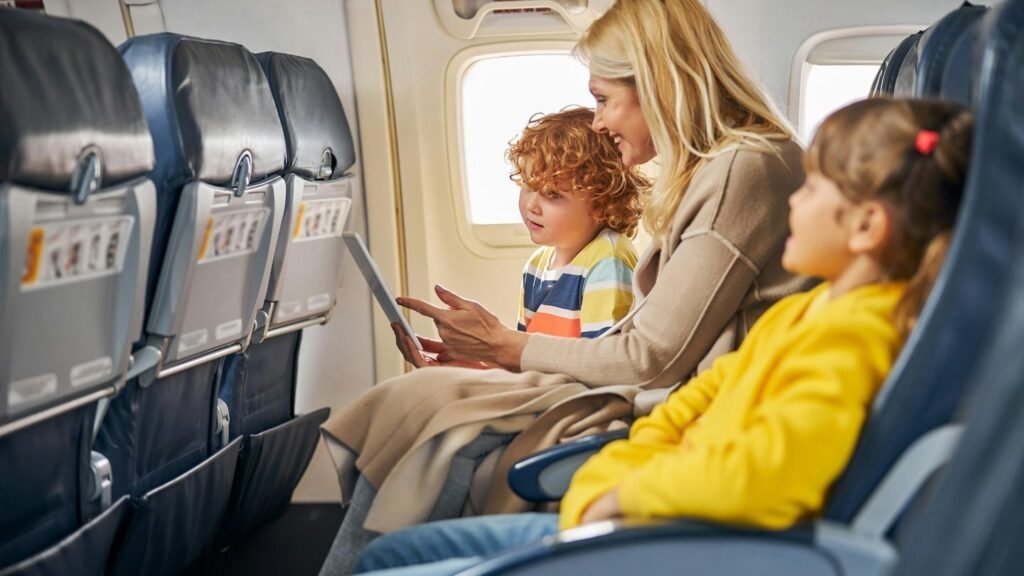
The carry-on kit: One dedicated children’s carry-on with: new small toys or activities not previously seen (novelty value is the primary entertainment strategy); favourite snacks in portion packs; a change of clothes for every child (one is insufficient); headphones that fit; downloaded screen content for offline use (assuming screens are used — no judgment either way); a comfort object if applicable. Fully charge every device before the outbound journey.
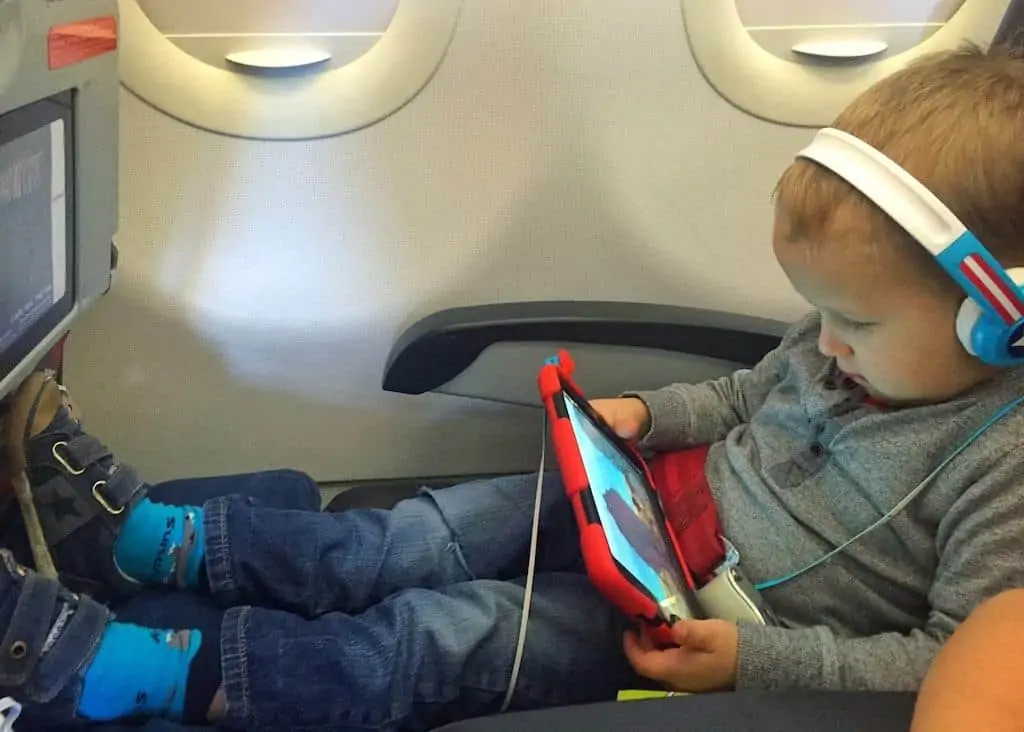
Overnight flights with young children: Strongly preferred by TrotRadar for families with children under 6 — the child may sleep, the parents definitely won’t, but the destination is reached without losing a full day, and arrival in daylight with the subsequent first full day produces better trip initiation than a day-flight arrival at midnight local time.
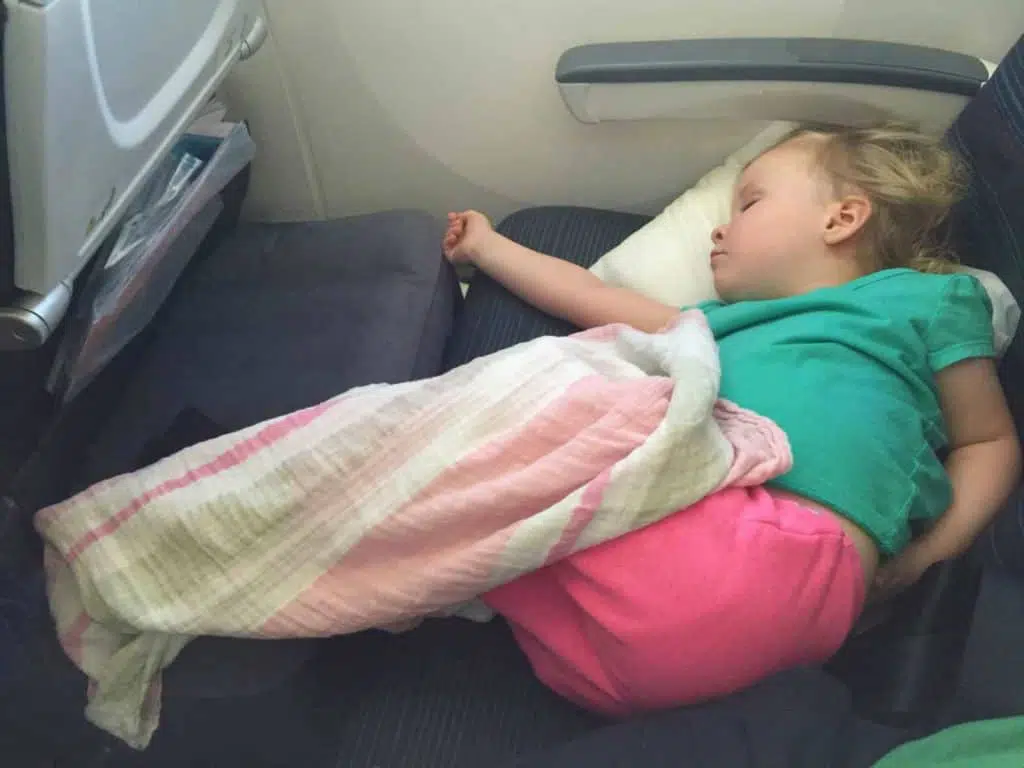
Airport handling: Most major airports offer family lanes at security — ask for them rather than waiting to be offered. Allow 45 minutes longer than standard airport arrival recommendation for every child under 7 in the party.
Packing for Family Travel: What TrotRadar Has Learned
The family packing framework diverges significantly from TrotRadar’s standard carry-on only approach — because family travel specifically justifies checked bags in a way solo travel doesn’t (the formula: one checked bag per family, plus personal carry-ons, rather than one checked bag per person).This how to travel with kids guide recommends packing light and buying locally wherever possible.
What to bring that’s unavailable or expensive at destinations:
- Familiar children’s medications in correct formulations (paracetamol, ibuprofen, antihistamine, rehydration sachets, nappy rash cream — check that destination country allows entry of each)
- Sunscreen in quantities that will last the trip (airport sunscreen is expensive; local brands may use different formulations)
- A familiar comfort object for sleeping (irreplaceable if forgotten; TrotRadar strongly recommends packing the comfort object in carry-on rather than checked bag)
What to buy at the destination rather than packing: Nappies/diapers (bulky and available everywhere), wipes (same), beach toys (available at any coastal destination for €3–5), and most clothing for children 2+ (children’s clothing is available and inexpensive in most destinations; overpacking children’s clothes is the single most consistent family packing mistake TrotRadar observes).
Managing Expectations: What Traveling With Kids Actually Looks Like
TrotRadar’s honest family travel reframe: the trip will not look like your pre-child travel. Museum visits run shorter. Restaurant choice shifts to earlier opening hours over quality. Morning lie-ins stop happening. Spontaneous late evenings out end too. Expect the itinerary to be interrupted by a nap requirement at the precise moment you’d planned to be somewhere else.
What it will provide instead: the specific experience of seeing a familiar place through new eyes — watching a four-year-old encounter the sea for the first time, or a seven-year-old discover that the food in another country tastes different and better than expected. These are experiences that no solo trip provides, and they are the specific argument for traveling with children rather than waiting until they’re old enough not to be inconvenient.
They never get old enough not to be inconvenient. TrotRadar recommends going now.

For the sustainable travel considerations specific to family travel — including carbon calculations for family flights and the local economy impacts of family tourism spending — read TrotRadar’s sustainable travel guide. And for the insurance considerations specific to family travel (children require their own named coverage on most policies), our travel insurance guide covers the family policy selection framework.
The TrotRadar Verdict on Traveling With Kids
Traveling with children requires more planning, produces more logistics, costs more money, and is slower than traveling without them. It also produces specific memories that solo and couple travel categorically cannot — the beach where your child learned to swim, the market where they ate something unexpected and liked it, the temple where they asked a question you couldn’t answer and both of you were better for the wondering. TrotRadar’s position: these experiences justify the planning overhead entirely. Start somewhere close and manageable. Accept the schedule change. Pack the comfort object in carry-on. Go. Use this how to travel with kids guide as your starting point, then adapt it to your own family’s rhythm.
Find Your Family Travel Deal
TrotRadar features Portugal Algarve villa rentals, Bali pool villa family packages, Japan family itineraries with child-accessible bullet train bookings, and Croatia island family combinations — all with the kitchen access and beach proximity that makes family travel genuinely work. Browse TrotRadar’s family travel offers →