Finding the best winter sun destinations travel guide worth following starts with a specific logic: pick a destination close enough to fly to affordably, warm enough to constitute a genuine climatic escape, and interesting enough to justify the journey beyond the weather. The Mediterranean in January doesn’t qualify — Nice at 10°C is not winter sun. The Maldives in January qualifies but at a price point that makes it inaccessible for most budgets. The middle ground — where genuine warmth meets reasonable flight distance and non-peak pricing — is what this guide covers.
At TrotRadar, the best winter sun destinations travel guide for 2026 evaluates each place on four criteria: reliable temperature (minimum 22°C average in December–February), flight accessibility from Europe and North America, value relative to the Caribbean and Maldives alternatives, and the cultural or natural depth that rewards the trip beyond its meteorological function.
TrotRadar Tip: January and February are the optimal winter sun booking months — post-Christmas prices drop significantly from the December and half-term February peaks. The same Canary Islands hotel that costs €200/night in the Christmas week costs €90–120 in mid-January. Book January and February trips for the best winter sun value. Browse TrotRadar’s winter sun deals — we feature flight and accommodation packages across all destinations in this guide.
Canary Islands: A Top Winter Sun Destinations Travel Pick
The Canary Islands — seven Spanish islands off the northwest African coast, 4 hours from most Northern European airports — are the closest significant winter sun destination to the majority of European travelers, and they deliver the specific combination of guaranteed warmth (18–24°C December–February, the lowest-risk climate guarantee in the Atlantic), excellent infrastructure, and a natural landscape that genuinely differentiates the islands from generic beach resort territory.
Lanzarote is TrotRadar’s preferred Canary island for travelers who want the winter sun alongside genuinely extraordinary natural landscape — the Timanfaya National Park (a volcanic landscape of such extraordinary extraterrestrial appearance that NASA has reportedly used it for Mars surface studies) and the Jameos del Agua (a lava tube cave system opening to the sea, containing the endemic blind white crab Munidopsis polymorpha) are natural experiences with no equivalent on any other winter sun island.
Gran Canaria provides the best combination of beach quality (the Maspalomas dunes — a Saharan sand dune field at the island’s southern tip) and urban sophistication (Las Palmas, with its Vegueta colonial quarter and excellent local food scene). Las Palmas has also developed as a digital nomad hub — covered in TrotRadar’s digital nomad destinations guide.
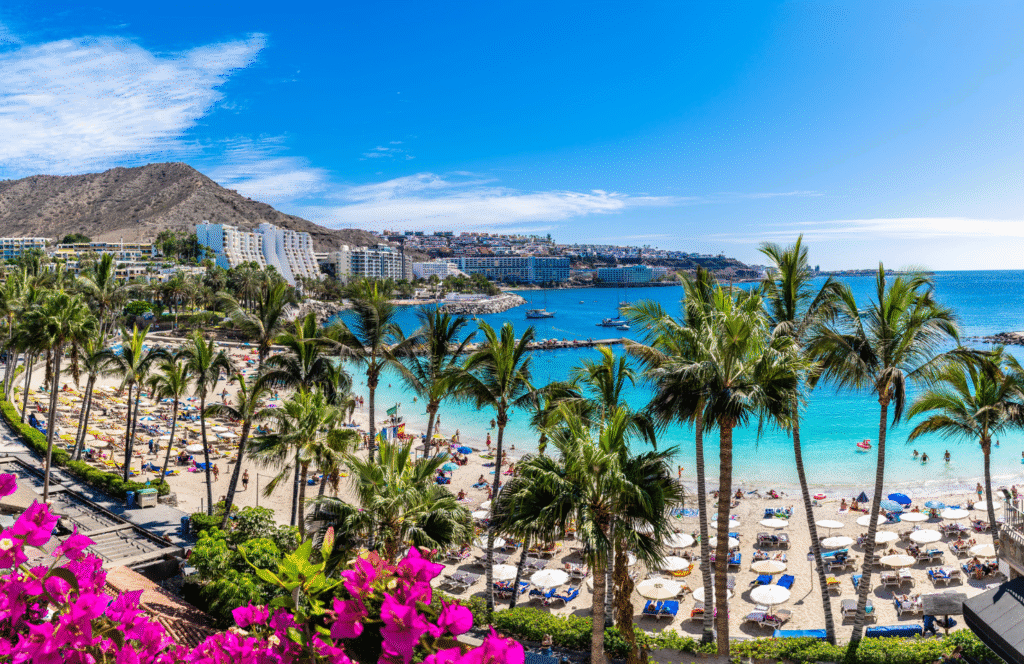
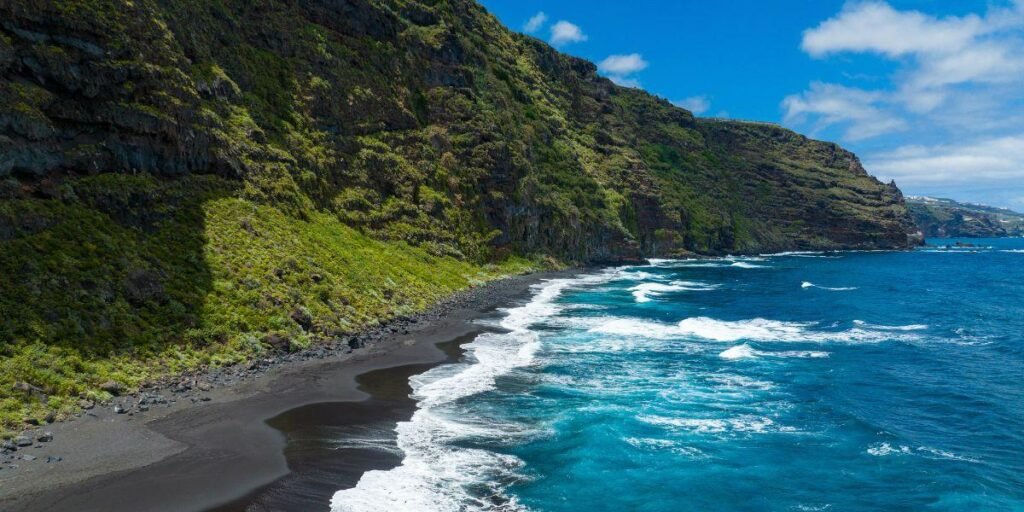
Tenerife (Mount Teide — Spain’s highest peak, 3,715 metres, its summit above the clouds even in January — visible from the beach resort south), Fuerteventura (the finest white sand beaches in the Canaries, excellent windsurfing and kitesurfing), and La Palma (the greenest island, a Dark Sky Reserve, the least developed) complete the archipelago range.
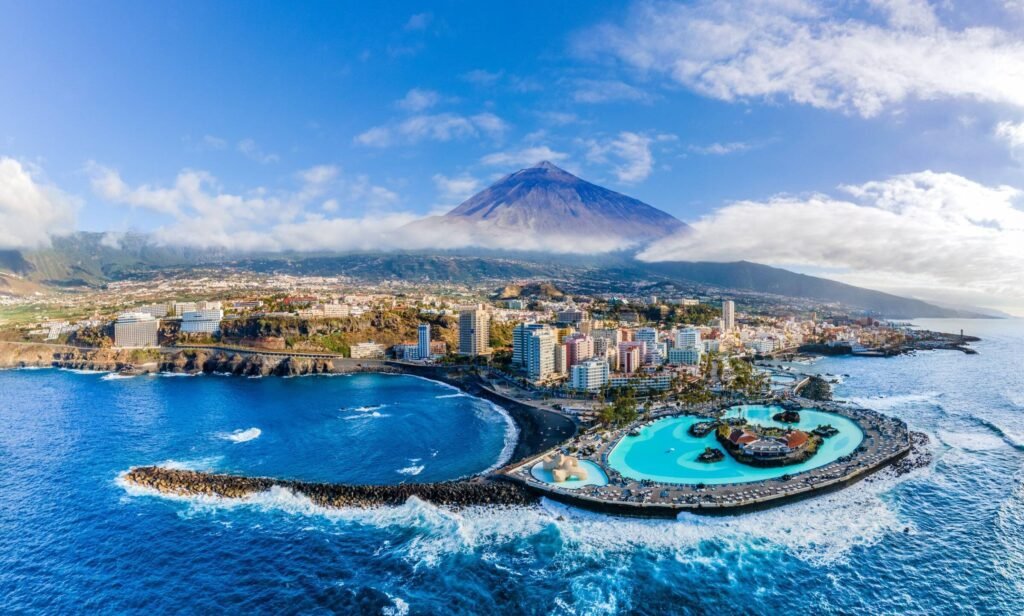
TrotRadar Canary Islands winter sun daily budget: €70–120 — significantly below equivalent Caribbean or Maldives winter sun costs.
Morocco: Winter Sun With Cultural Depth
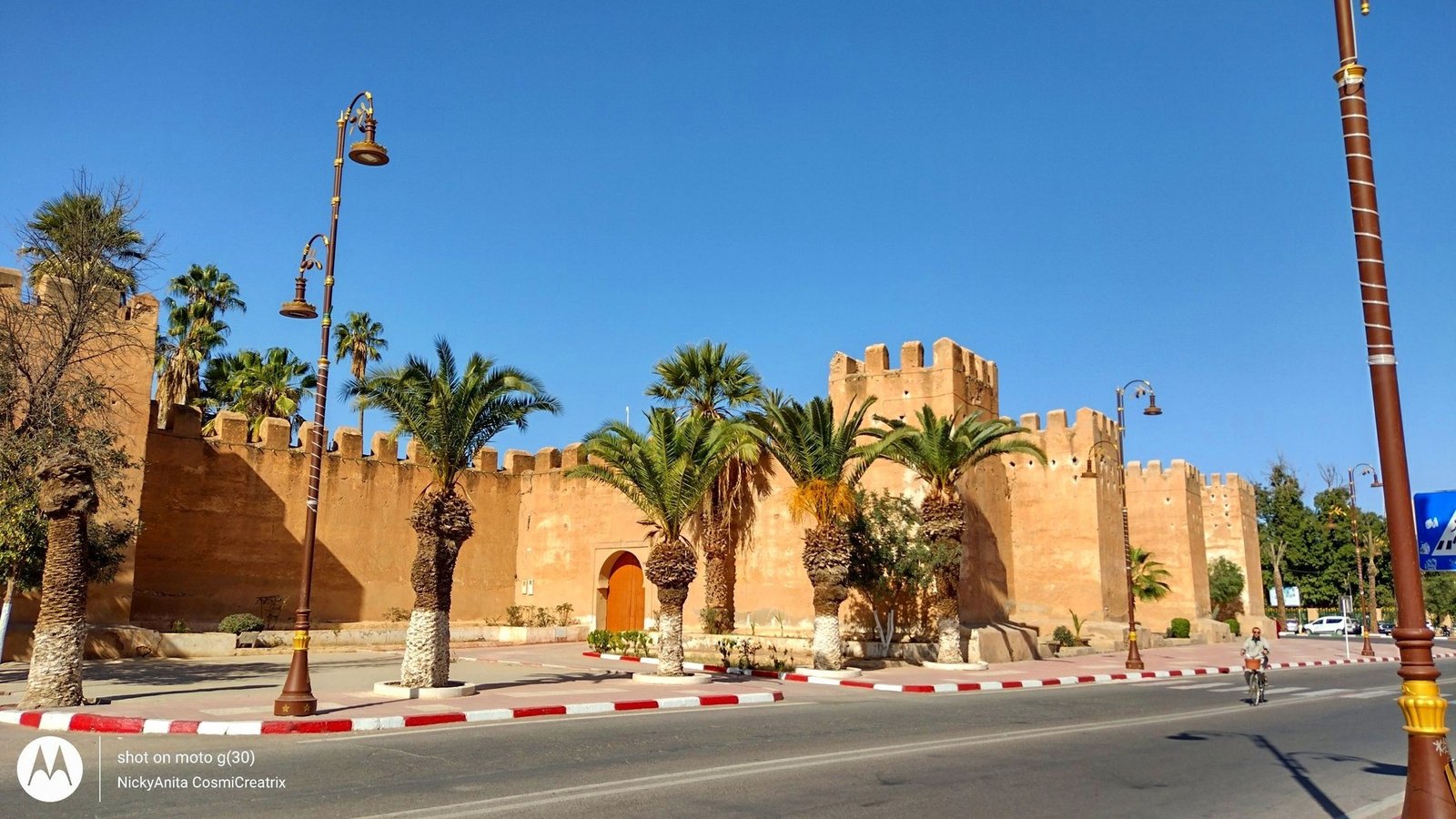
Morocco in December through February is a fundamentally different proposition from summer Morocco: the temperatures in Marrakech and the south (18–24°C) make the medina and the desert exploration comfortable rather than heat-compromised, the tourist density is significantly lower than peak season, and the accommodation prices drop 20–40% from July–August levels.
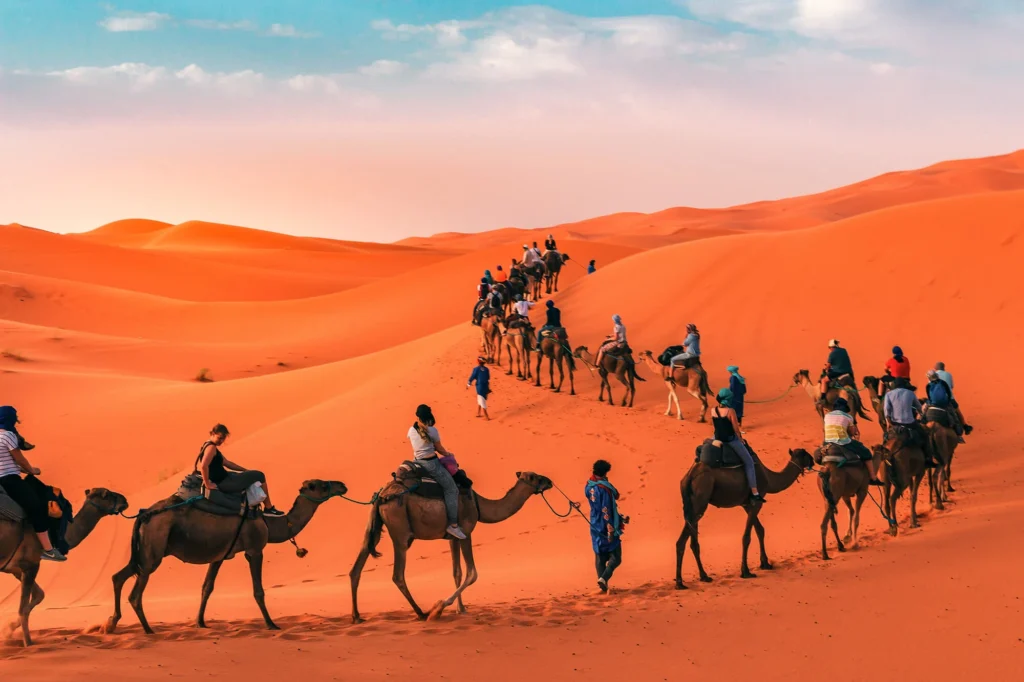
TrotRadar’s winter Morocco argument is specifically about the Sahara desert in January — cold nights (genuinely cold — 0–5°C before dawn), warm days (18–22°C), and the extraordinary visibility of the dry winter air that produces the finest star visibility of any season. The overnight desert camp experience at Erg Chebbi or Erg Chigaga is more comfortable in January than in July, when the midday heat makes daytime desert activity miserable.
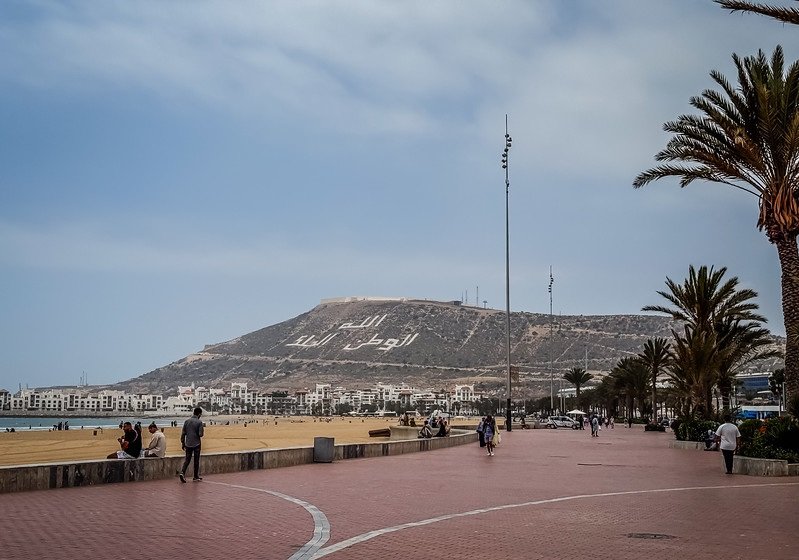
The Atlantic coast — Essaouira, Agadir — provides genuine beach-and-warmth winter sun at temperatures that beat the Canaries for cultural richness, with direct flights from most European cities at competitive prices (Ryanair and easyJet serve multiple Moroccan coastal airports).
Full Morocco context in TrotRadar’s Morocco beyond Marrakech guide.
TrotRadar Morocco winter daily budget: €40–70
Thailand (Gulf Coast): Reliable Winter Warmth in Southeast Asia
Thailand’s Gulf of Thailand coast — Koh Samui, Koh Phangan, Koh Tao — is in dry season from December through April, the reverse of the Andaman coast (which is wet November–April). This makes the Gulf islands TrotRadar’s consistent recommendation for Southeast Asia winter sun: 28–32°C, minimal rainfall, calm seas ideal for snorkelling and diving, at daily budgets significantly below the Maldives for comparable or better marine conditions.
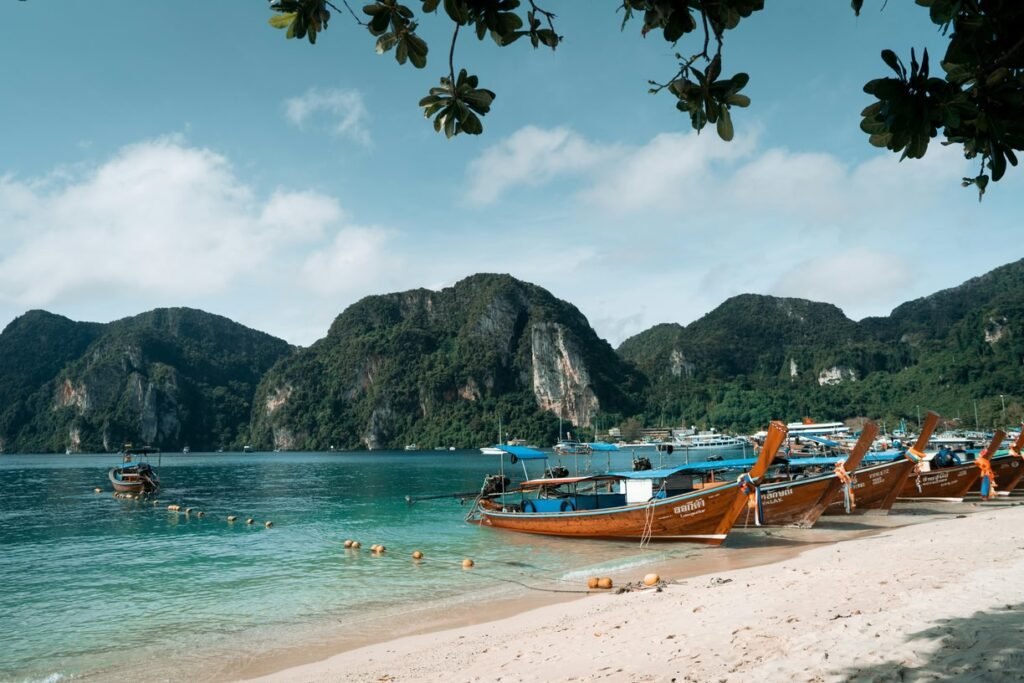
The flight from Europe (10–12 hours) is longer than the Atlantic alternatives — making Thailand’s winter sun most compelling for travelers combining beach time with cultural exploration. TrotRadar’s recommendation: two nights in Bangkok for the food and the temples, then a week on the Gulf islands, then return via Bangkok for the specific pleasure of eating at a hawker center on the way home. Full Thailand context in TrotRadar’s first time in Asia guide.
TrotRadar Thailand winter daily budget: $35–70
Sri Lanka: Winter Sun on the East Coast
Sri Lanka operates a geographical weather inversion: when the southwest coast is in monsoon (May–October), the northeast coast is in dry season — and vice versa. December through March brings dry season to the southwest coast (Galle, Mirissa, Unawatuna), making it the prime whale watching season (blue whales off Mirissa, November–April) and the finest beach weather on the island.
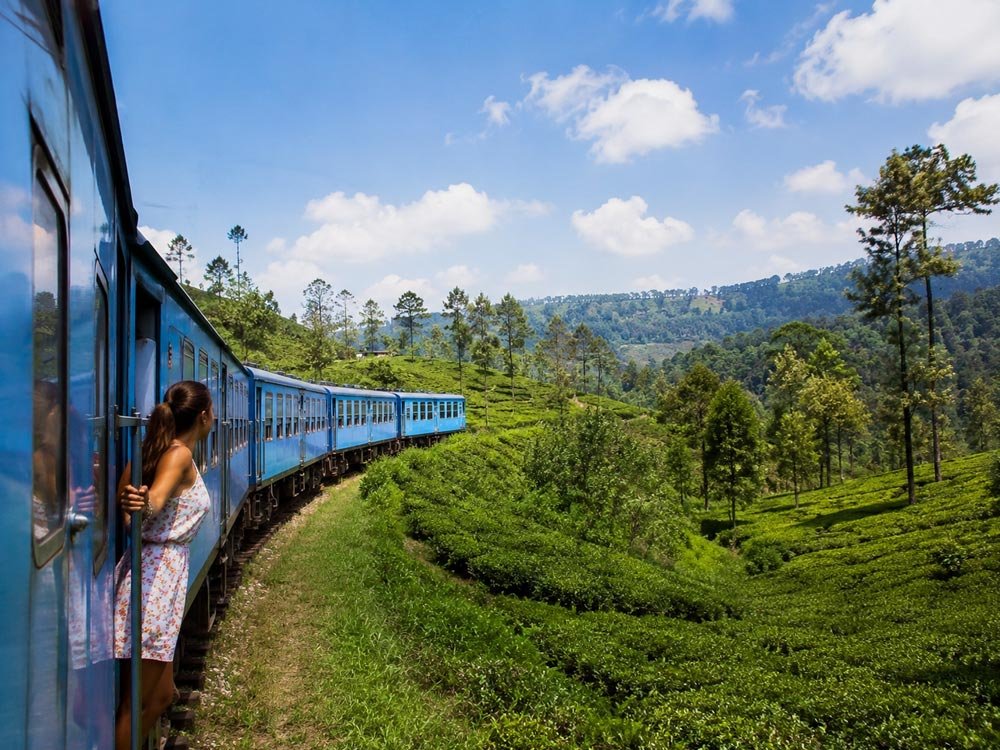
The specific Sri Lanka winter sun proposition: whale watching at Mirissa ($35–50 USD for a morning whale watch tour), the Galle Fort boutique hotel experience, the train through the hill country to Ella, and the specific pleasure of the south coast seafood at restaurants where the fishing boats that caught your dinner are visible from your table. TrotRadar’s Sri Lanka off-season guide covers the full seasonal strategy in detail.
TrotRadar Sri Lanka winter daily budget: $60–110/day for two
Cape Verde: The Atlantic’s Overlooked Winter Sun Jewel
Cape Verde — the Atlantic archipelago 500 km off the West African coast, 9 islands with year-round temperatures of 24–30°C — is TrotRadar’s most underutilised recommendation in the winter sun category. Direct flights from London, Amsterdam, Lisbon, and several other European cities (5–6 hours), consistent sunshine, excellent beaches on the flat islands (Sal, Boa Vista), and extraordinary hiking and cultural depth on the volcanic mountains of Santo Antão and Fogo (Fogo’s active volcano last erupted in 2014 and its slopes are now covered in vineyards producing a distinctive wine in volcanic soil).
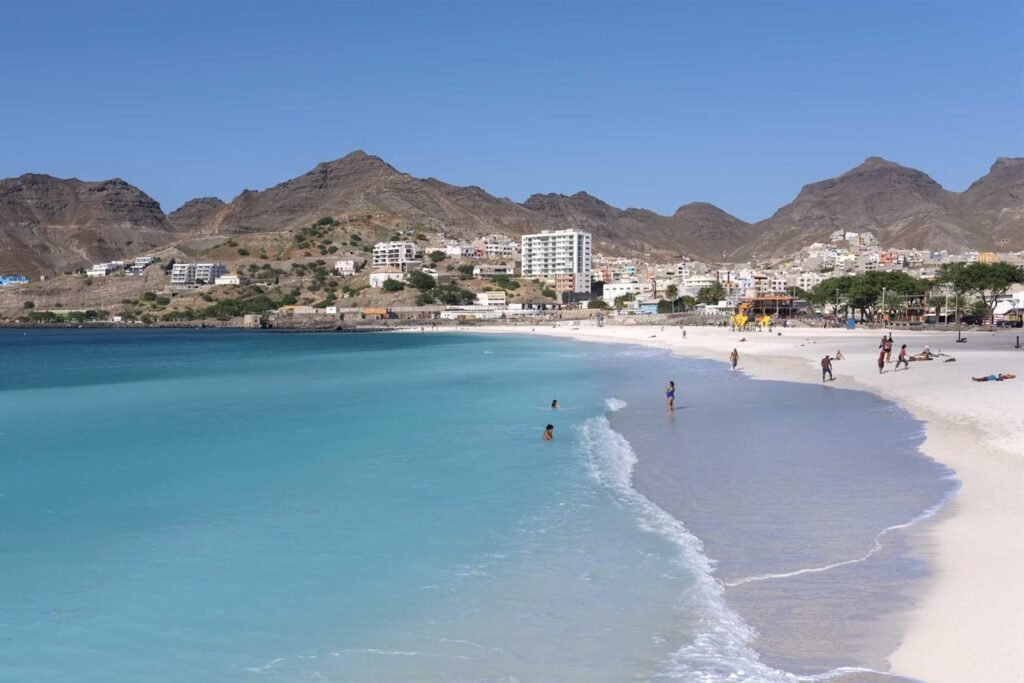
Cape Verde operates as a dual destination: the flat, sandy eastern islands (Sal, Boa Vista) for beach resort winter sun; the mountainous western islands (Santo Antão, São Vicente with its Mindelo carnival culture) for hiking and cultural exploration. A 10-day trip combining both is TrotRadar’s recommended itinerary: 3 nights Sal/Boa Vista for the beach, flight to São Vicente, ferry to Santo Antão for the mountain hiking.
TrotRadar Cape Verde winter daily budget: €65–100
Madeira: The Atlantic Garden in January
Madeira — the Portuguese Atlantic island 500 km from the Moroccan coast, 3.5 hours from most Northern European airports — is the winter sun destination TrotRadar recommends specifically for travelers whose priority is hiking and natural scenery rather than beach relaxation.
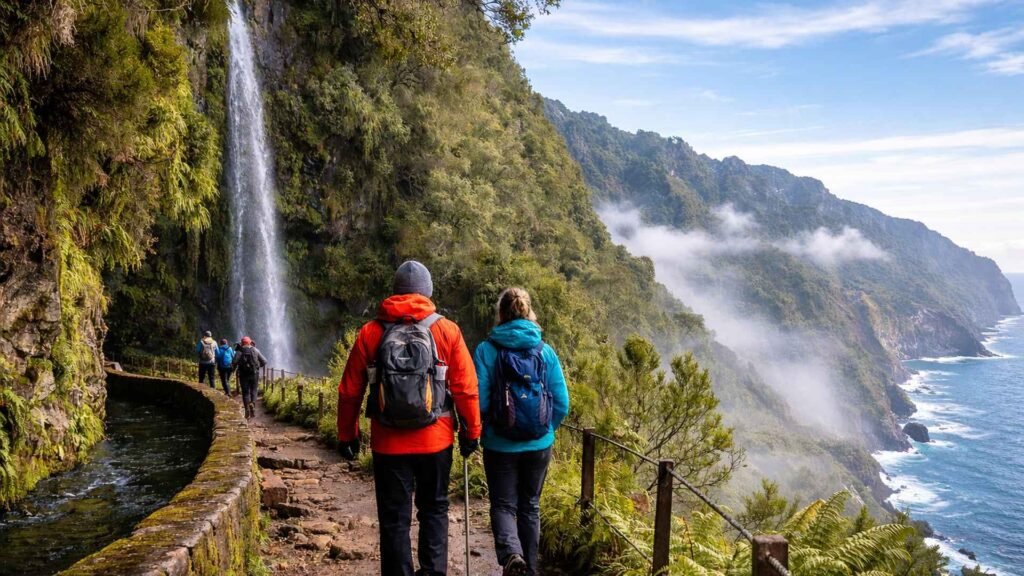
January temperatures in Funchal: 19–23°C. The island’s extraordinary levada walks — hiking routes following the irrigation channels (levadas) that cross the island’s mountain interior — are most comfortable in the cooler January temperatures: the Levada do Caldeirão Verde (a 16 km return through laurisilva cloud forest) and the Pico do Arieiro to Pico Ruivo traverse (a mountain ridge walk above the clouds) are among the finest walking routes in the Atlantic islands. The New Year’s Eve fireworks in Funchal harbour are, by consistent independent assessment, the largest and most spectacular New Year celebration in Europe — making late December Madeira both beautiful and specifically eventful.
TrotRadar Madeira winter daily budget: €65–100
Choosing the Best Winter Sun Destinations Travel Option for Your Trip
Which winter sun destination is right for your specific trip:
- Closest to Europe + guaranteed warmth: Canary Islands or Morocco
- Best beach quality: Sri Lanka south coast or Cape Verde
- Culture + warmth combination: Morocco (Sahara circuit) or Jordan in January (Petra is empty, Wadi Rum is perfect)
- Best value per flight hour: Morocco or Madeira
- Longest flight, highest quality: Thailand Gulf coast or Sri Lanka — the extra hours of flying deliver genuinely extraordinary experiences not available in the Atlantic alternatives
- Least crowded: Cape Verde or Madeira — significantly below Canary Islands and Morocco January visitor volumes
For the complete budget travel context around these destinations, read TrotRadar’s cheapest countries in Europe guide (which covers Morocco and the Canaries in the European budget context) and our Southeast Asia budget travel guide for the Thailand and Sri Lanka options in full detail.
The TrotRadar Verdict on Winter Sun Destinations Travel 2026
The best winter sun destinations travel guide for 2026 highlights places that deliver genuine warmth alongside something that justifies the journey beyond the temperature reading. Morocco’s medinas in January. The Gulf islands of Thailand in December. Lanzarote’s volcanic national park in February. Cape Verde’s Santo Antão hiking trails in March. None of these is simply a beach with sun — all of them reward the traveler who goes for the full experience rather than just the escape from grey. Pack light. Book in January. Leave the cold behind for longer than a week. TrotRadar considers this genuinely necessary rather than merely desirable.
Find Your Winter Sun Deal
TrotRadar features Canary Islands packages, Morocco desert circuit combinations, Sri Lanka winter coast stays, Thailand Gulf island escapes, Cape Verde dual-island itineraries, and Madeira levada walking packages — all designed for the January and February escape that actually delivers warmth. Browse TrotRadar’s winter sun travel offers →