European cities are among the most expensive in the world for museum entry, attraction tickets, and guided tours — and among the most generous in the world for providing world-class cultural experiences entirely for free. The British Museum contains more significant objects than most countries’ entire national collections, and entry is free. The National Gallery in London houses Van Eyck, Rembrandt, Vermeer, Turner, and van Gogh, and entry is free. TrotRadar’s consistent observation is that the travelers who plan around the free tier in European cities often have richer cultural experiences than those who pay for everything — because the free collections are, by objective measure, frequently among the finest in the world.
At TrotRadar, this guide to the best free things to do in European cities is curated on a single principle: only include experiences that are genuinely worth doing regardless of their free status. The free walk through a city park adjacent to a famous paid attraction is not in this guide. The free permanent collection of one of the world’s great museums is.
TrotRadar Tip: Many European museums that normally charge admission offer free entry on specific days or evenings — first Sundays of the month, Friday evenings, or specific national holidays. Research the free entry schedule for every museum on your interest list before purchasing any ticket. Browse TrotRadar’s Europe city break deals — we feature accommodation packages in all cities covered in this guide at competitive rates.
London: The World’s Most Generous Free Museum City
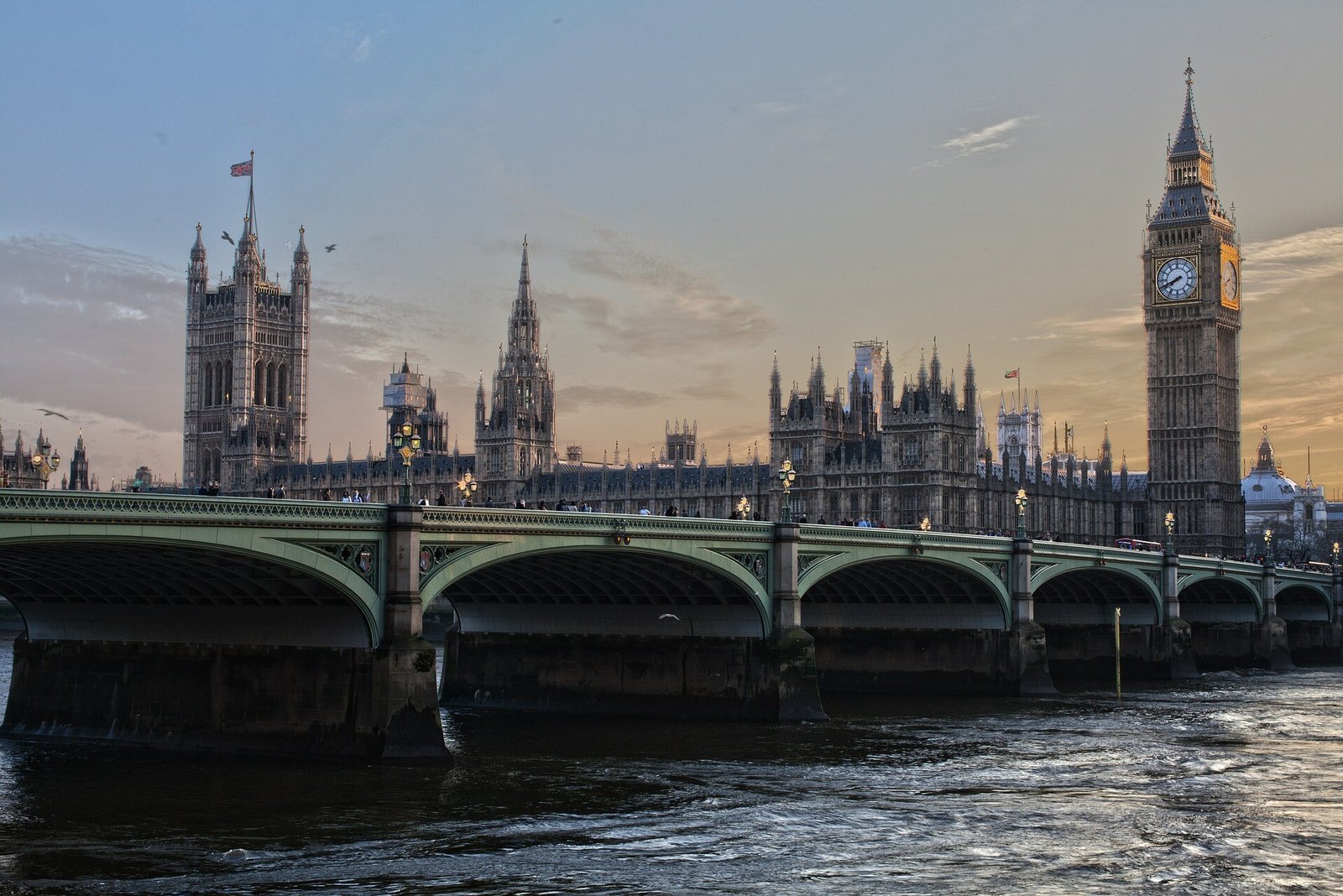
London has the most generous free museum policy of any major city on earth — a legacy of the 19th-century belief that public access to knowledge and culture was a civic responsibility. The result in 2026: a collection of world-class institutions that charges nothing for permanent collections.
TrotRadar’s London free essentials:
- British Museum: Eight million objects spanning two million years of human history — the Rosetta Stone, the Elgin Marbles, the Lewis Chessmen, the Sutton Hoo helmet. Allow a minimum of 4 hours; a week wouldn’t exhaust it. Permanent collection always free
- National Gallery: 2,300 paintings covering Western European painting from 1250 to 1900 — Van Eyck’s Arnolfini Portrait, Vermeer’s Young Woman Standing at a Virginal, Turner’s The Fighting Temeraire. Permanent collection always free
- Tate Modern: The permanent collection of international modern and contemporary art in a converted Bankside power station — Picasso, Rothko, Bourgeois, Hirst. Permanent collection free; special exhibitions charge
- Natural History Museum: The finest natural history collection in the world, in an extraordinary Romanesque Revival building. The dinosaur hall alone justifies the visit. Always free
- Victoria and Albert Museum: The world’s largest decorative arts collection — from Medieval European metalwork to Japanese lacquer to contemporary fashion design. Always free
- Sir John Soane’s Museum: The most extraordinary house museum in Britain — the architect’s personal collection crammed into a Lincoln’s Inn Fields townhouse, including Hogarth’s original Rake’s Progress paintings. Always free; extremely small and requires patience on busy days
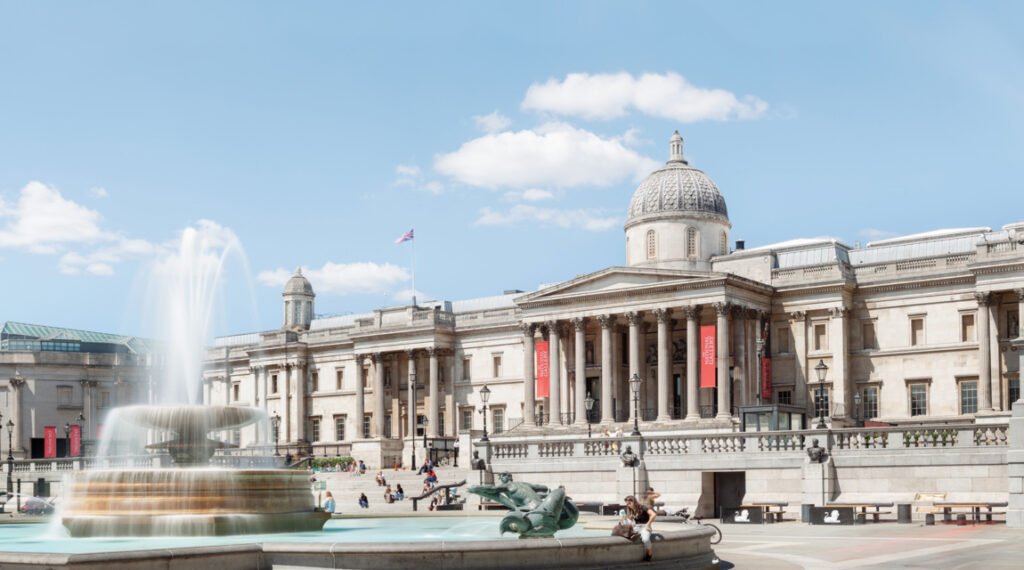
Beyond museums: Hampstead Heath (the finest urban green space in London, with the Highgate ponds, Parliament Hill views, and the Kenwood House collection on the edge — also free), and the Southbank walk from Tate Modern to Tower Bridge covers the best Thames-side architecture entirely on foot.
TrotRadar tip for London: With the free museums budgeted, London’s main costs are usually accommodation, food and transport. An Oyster card or contactless payment card caps daily tube and bus costs at approximately £7–9 — significantly below the tourist assumption of London transport expense.
Rome: Ancient History, Free to Walk Through
Rome‘s free cultural heritage is concentrated in the city’s ancient and Baroque public spaces — and it’s extraordinary even before a single paid entry.
TrotRadar’s Rome free essentials:
- The Pantheon: Entry was made free to EU citizens in 2024 (a nominal fee applies for non-EU); at any price point, the 2,000-year-old dome with its 9-metre oculus open to the sky is the finest single interior in Rome and one of the greatest architectural experiences on earth. Arrive before 9 AM on weekdays to avoid the full tourist density
- Trevi Fountain: Free to approach and view (a small fee was introduced for the closest zone in some hours — verify current status). Extraordinary at 6–7 AM before the crowds arrive
- Campo de’ Fiori morning market: The best food market in central Rome, free to browse — herbs, flowers, produce, and the specific atmosphere of the square that also burned Giordano Bruno
- Trastevere neighborhood walking: The finest medieval residential neighborhood in Rome — cobblestone lanes, ivy-covered walls, the 12th-century Basilica di Santa Maria in Trastevere (free, extraordinary mosaics) — entirely free to explore
- Borghese Gallery gardens: The park surrounding the gallery (the gallery itself charges and requires advance booking) is free and one of the finest urban parks in Europe — a 19th-century landscape park with lake, follies, and the specific Roman light at golden hour
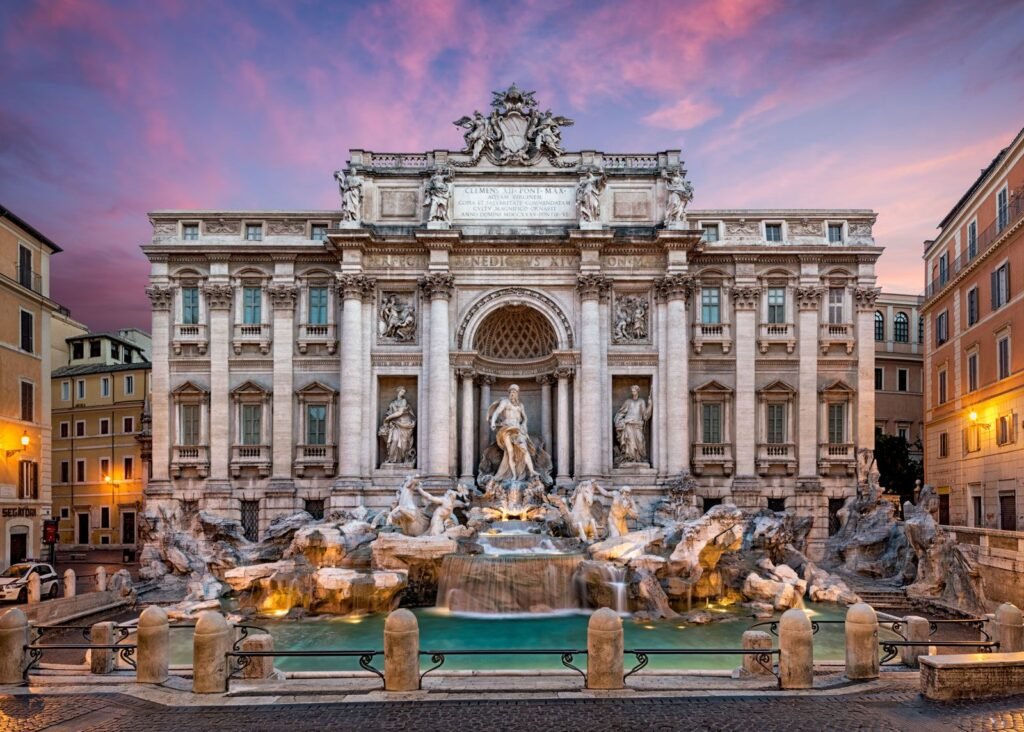
Vatican City churches: St Peter’s Basilica exterior and much of the interior is free — only the dome climb (€8) and the Vatican Museums (€20+) charge. The interior of St Peter’s itself — including Michelangelo’s Pietà — is free. Most of Rome’s other major churches are also free: San Giovanni in Laterano, San Clemente (the free lower basilica section, though the lower levels charge), Santa Maria Maggiore.
Berlin: Free History at Every Turn
Berlin‘s free cultural offerings are concentrated in history — specifically, a city that has been on the front line of the 20th century’s major conflicts and has built more accessible, free public memorials and outdoor museums than any other European capital.
TrotRadar’s Berlin free essentials:
- East Side Gallery: 1.3 km of original Berlin Wall covered in murals by 100+ international artists — the world’s longest open-air gallery, along the Spree River. Free, 24 hours
- Topography of Terror: The outdoor and indoor exhibition on the site of the former SS and Gestapo headquarters — the finest free documentation of Nazi history accessible in Germany. Always free
- Memorial to the Murdered Jews of Europe: Peter Eisenman’s field of 2,711 concrete slabs — the most affecting Holocaust memorial in Europe, with a free underground information center beneath. Free
- Tempelhof Field: The former Nazi-era airport converted into the largest urban park in the world — 355 hectares of open airfield used for cycling, barbecues, kite flying, and community gardens by Berliners every weekend. Free and extraordinary in its specific repurposed quality
- Neue Nationalgalerie terrace and Kulturforum area: The Mies van der Rohe building’s exterior and the adjacent Potsdamer Platz cultural district provide free architectural experience alongside the (paid) museum collections within
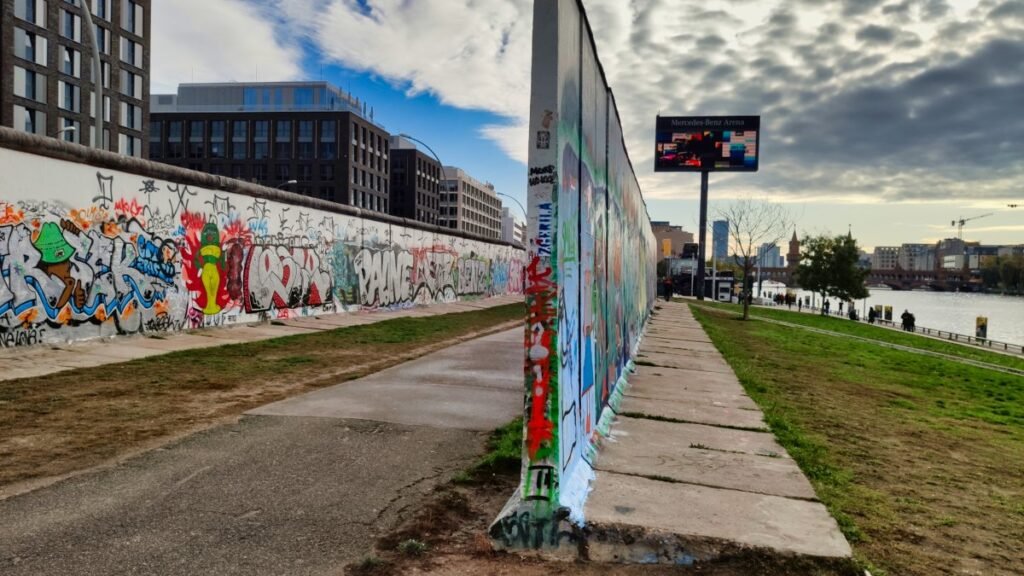
Berlin’s permanent museum collections are concentrated on Museum Island — the Pergamon, Altes Museum, Bode Museum, and Neues Museum all charge entry (€12–18 individually, or the Museumsinsel day ticket at €29 covers all five). These are genuinely world-class and worth the cost — but the free tier in Berlin is sufficient to fill 2–3 days of extraordinary cultural experience.
Paris: Free First Sundays and the Best Walking City in Europe
Paris manages the significant trick of being Europe’s most expensive major tourist city while also offering some of its finest free cultural experiences — because many of the things that make Paris Paris (the streets, the river, the markets, the cafés, the parks) charge nothing.
TrotRadar’s Paris free essentials:
- Père Lachaise Cemetery: 44 hectares of extraordinary funerary landscape — Haussmann-era stone monuments, trees, and a visitor list (Chopin, Proust, Piaf, Balzac, Modigliani, Oscar Wilde, Jim Morrison) that makes it simultaneously a history tour, a sculpture garden, and one of the finest parks in Paris. Free, and TrotRadar’s strongest single Paris free experience
- Louvre on first Fridays (under 26s free all evenings): The permanent collection is free on the first Friday evening of each month. Under-26 EU residents free always. The specific experience of the Louvre after 7 PM with significantly reduced crowds is categorically different from the midday experience
- Palais Royal gardens: The colonnaded garden adjacent to the Louvre — free, remarkably quiet given the location, and the finest formal garden in central Paris
- Canal Saint-Martin walking: The iron footbridges and tree-lined canal north of the Marais — the Paris that residents use rather than tourists photograph, entirely free
- Musée Carnavalet (Paris history museum): The permanent collection covering Paris history from the prehistoric to the 20th century in a magnificent Marais mansion — always free
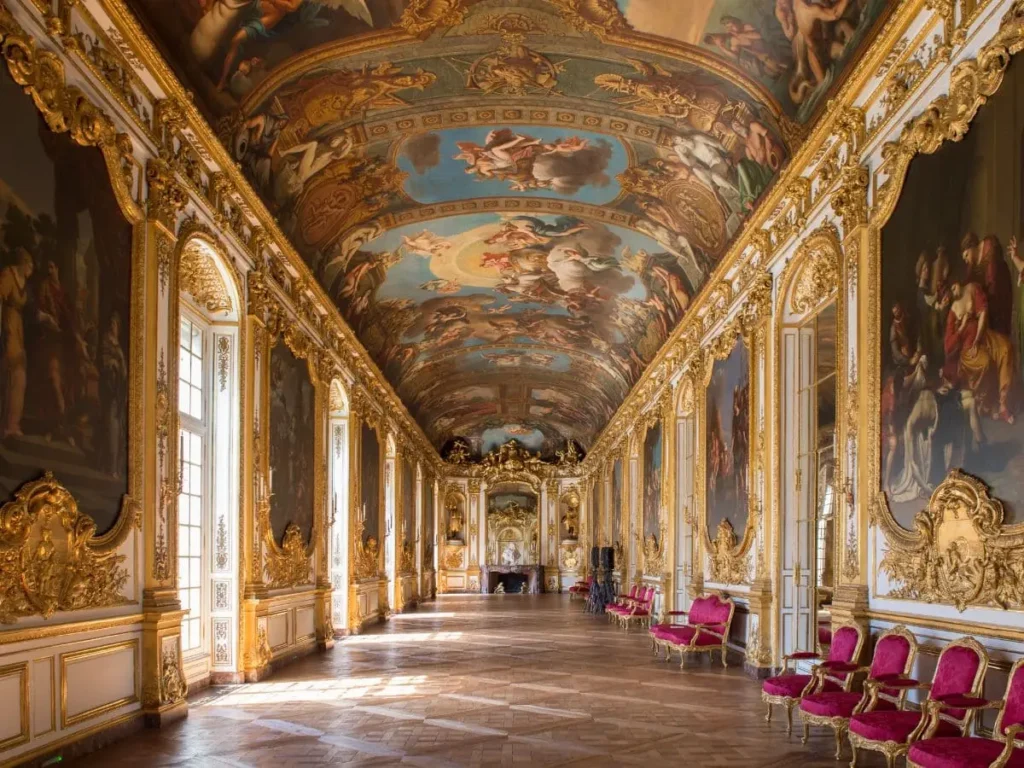
Amsterdam, Athens, and Beyond: More TrotRadar Free Picks
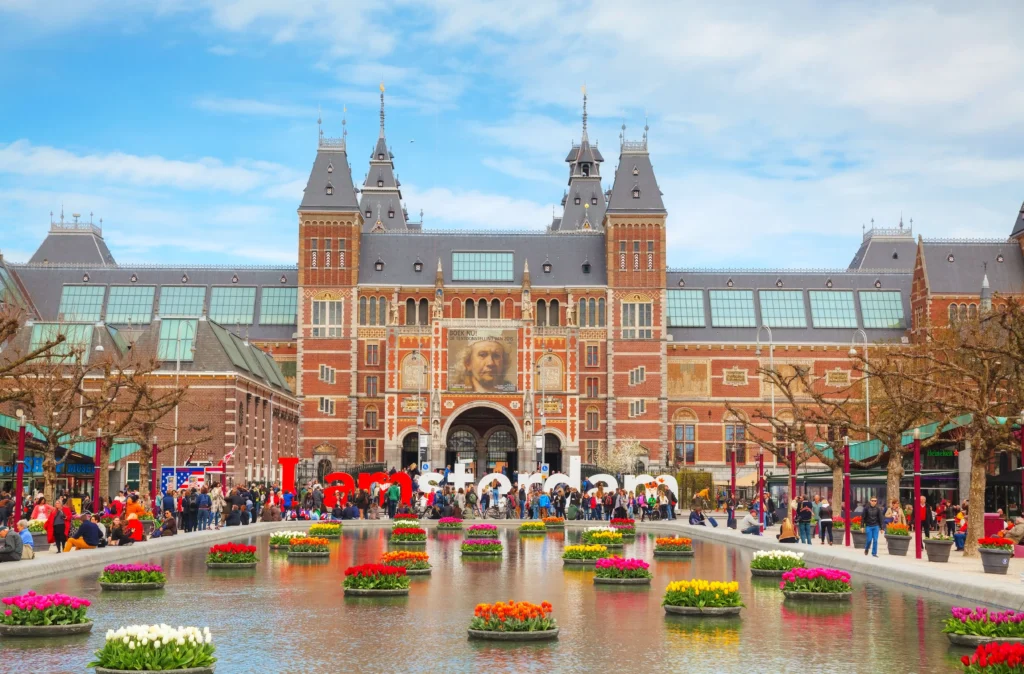
Amsterdam:
- Vondelpark: The finest urban park in the Netherlands — free concerts in summer, cycling paths, open-air theatre, and the specific Amsterdam quality of everyone being outside at the first sign of sun
- Begijnhof: A hidden 14th-century courtyard of almshouses in the city center — entered through an unmarked door on the Spui, free, and extraordinary in its sudden quietness three minutes from the tourist center
- Rijksmuseum gardens: The garden of the national museum (the museum itself charges €22.50) is free and contains some of the finest garden sculpture in Amsterdam
Athens:
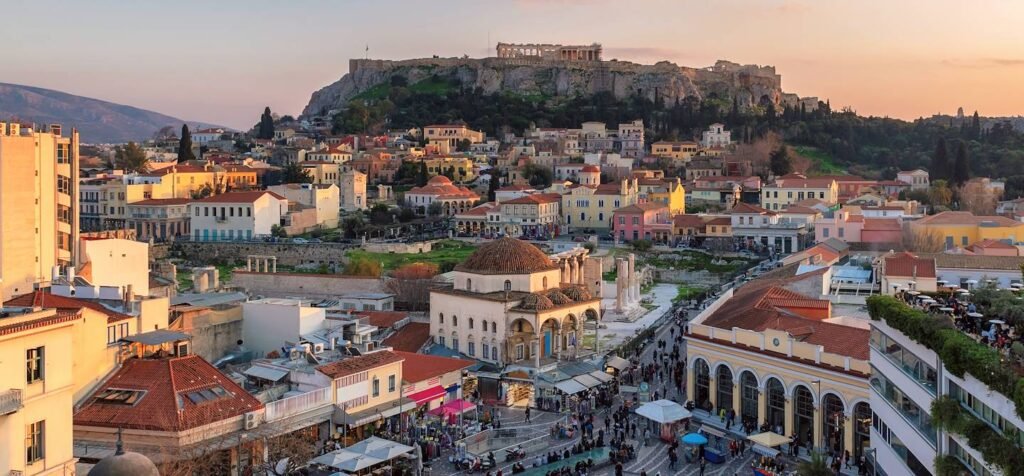
- Acropolis free entry days: March 6, April 18, May 18, the last weekend of September, October 28, and the first Sunday of each month November through March — the Acropolis entrance is free. Planning an Athens trip around these dates saves €30 on the combined Acropolis ticket alone
- Monastiraki flea market: Free to browse — every Sunday, the finest outdoor market in Athens, with antiques, records, books, and the specific Athens market atmosphere
Prague:
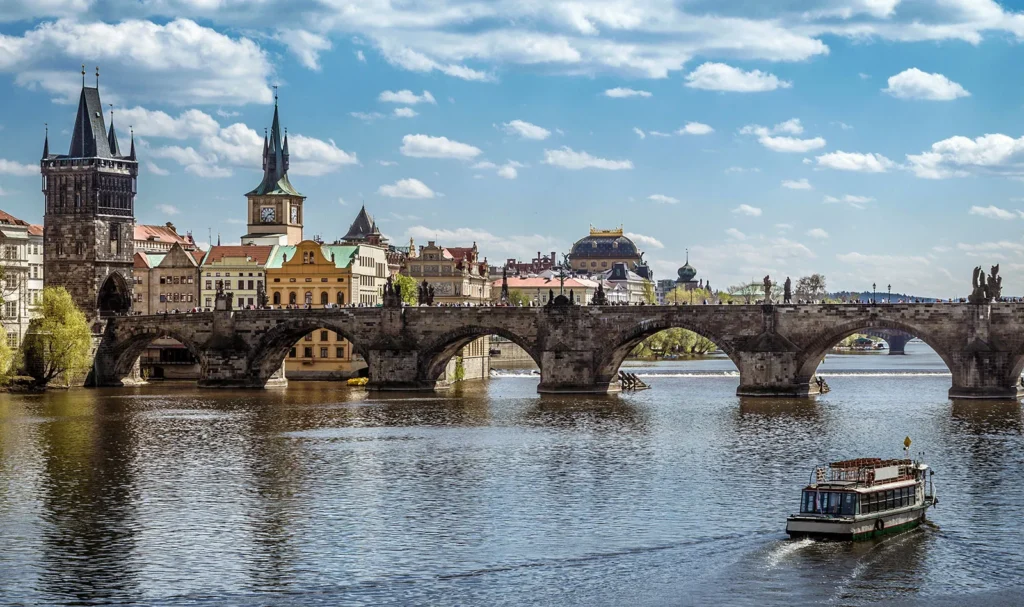
- Charles Bridge at dawn: The 14th-century bridge covered in Baroque statues — free, always — but extraordinary specifically before 7 AM when the tourist density is near zero and the early light is on the river
- Žižkov Television Tower observation deck — actually charges entry, but TrotRadar includes the walk through Žižkov neighborhood as a free experience that most Prague guides don’t mention: the most authentic residential neighborhood in the city, with the best coffee and a fraction of the tourist density of the Old Town
For the complete budget Europe context — including the cheapest cities to base yourself in — read TrotRadar’s cheapest countries in Europe guide. And for the train connections between these cities, our European rail travel guide covers the passes and point-to-point tickets that make multi-city Europe affordable.
The TrotRadar Framework for Free Europe Travel
Three principles that make free European city experiences genuinely satisfying rather than consolation prizes for a missed entry ticket:
1. Time your visits. The free version of every attraction in this guide is less impressive at 11 AM in July than at 7 AM in October. Arriving early and visiting in shoulder season transforms the experience.
2. The free permanent collection is often better than the paid temporary exhibition. The British Museum’s permanent collection contains more extraordinary objects than any temporary exhibition it has ever mounted. The National Gallery’s permanent collection is better than any loan show.
3. The free neighborhood walk produces the memories. Consistently, the travel experiences most cited by TrotRadar readers as genuinely memorable are walks — through Trastevere at dusk, Canal Saint-Martin at dawn, Tempelhof Field on a Sunday afternoon. These cost nothing and cannot be booked in advance.
The TrotRadar Verdict
The best free things in European cities are not the second-tier version of the European cultural experience — they are, in several cases, the finest cultural experiences on the continent, available to any traveler who plans around them. London’s free museums constitute the world’s greatest museum city. Rome’s ancient public spaces are walking through history. Berlin’s free outdoor memorials are the most honest reckoning with the 20th century available anywhere. Go for free. Stay longer. TrotRadar thinks this is the correct approach.
Find Your European City Break Deal
TrotRadar features accommodation packages in London, Rome, Berlin, Paris, Amsterdam, and Athens — all curated with the free cultural circuit in mind, so you arrive knowing exactly what to see before spending a single entry fee. Browse TrotRadar’s Europe city break offers →