The Balkans constitute the most compelling budget road trip in Europe — a corridor of small countries where the landscape shifts from Alpine to Mediterranean to Ottoman to Communist-era concrete to Ottoman again within a few hundred kilometres, where the food is excellent and the prices are still genuinely low, and where the particular quality of history that accumulates in countries that have been at the intersection of empires for three millennia is visible in every city center, every hilltop fortress, and every mosque built on the foundations of a church built on the foundations of a temple.
At TrotRadar, the Balkans road trip travel guide is one of our most frequently requested — because the circuit from Slovenia to Albania covers more genuine diversity per kilometre of driving than virtually any other European route, at daily costs that Western Europe simply cannot match.
TrotRadar Tip: The Balkans road trip works best with a rental car picked up in Ljubljana or Zagreb and dropped in Tirana — open-jaw rentals are available from all major providers. Verify that your rental agreement permits cross-border driving into Albania and Kosovo before booking, as some policies restrict this. Most major providers accommodate with advance notice and a small fee. Browse TrotRadar’s Balkans road trip car hire and accommodation deals — we feature open-jaw rentals and guesthouse combinations across the full circuit.
Slovenia: The Perfect Opening Chapter
Slovenia is the easiest Balkan entry point — EU member, Schengen area, well-signed roads, excellent infrastructure — and also one of the most beautiful countries in the region. A country the size of Switzerland with the density of natural landscapes to match: the Julian Alps, the karst caves of Postojna, the Soča River valley (arguably the most beautiful mountain river in Europe), and the specific architectural charm of Ljubljana — a Central European capital of 300,000 people that manages to feel like a large village without sacrificing actual urban quality.
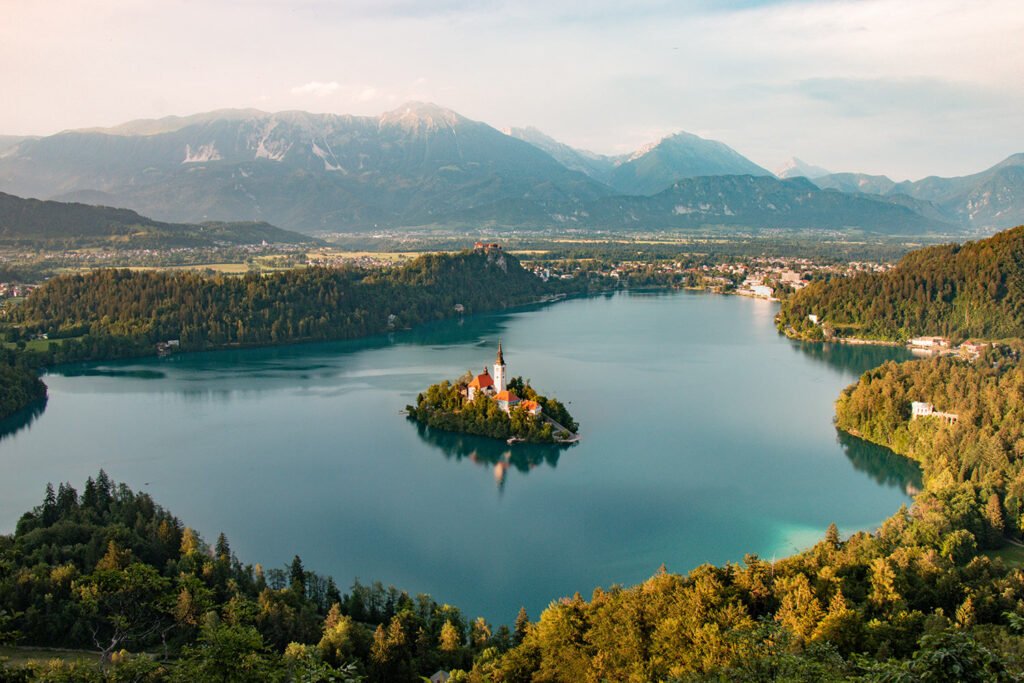
Lake Bled — the Alpine glacial lake with an island church and a clifftop castle that have been painted, photographed, and described for centuries — earns its reputation consistently. TrotRadar’s instruction: arrive at dawn, before the tour coaches. The sunrise light on the lake surface with no other visitors present is a different experience from the midday crowd.
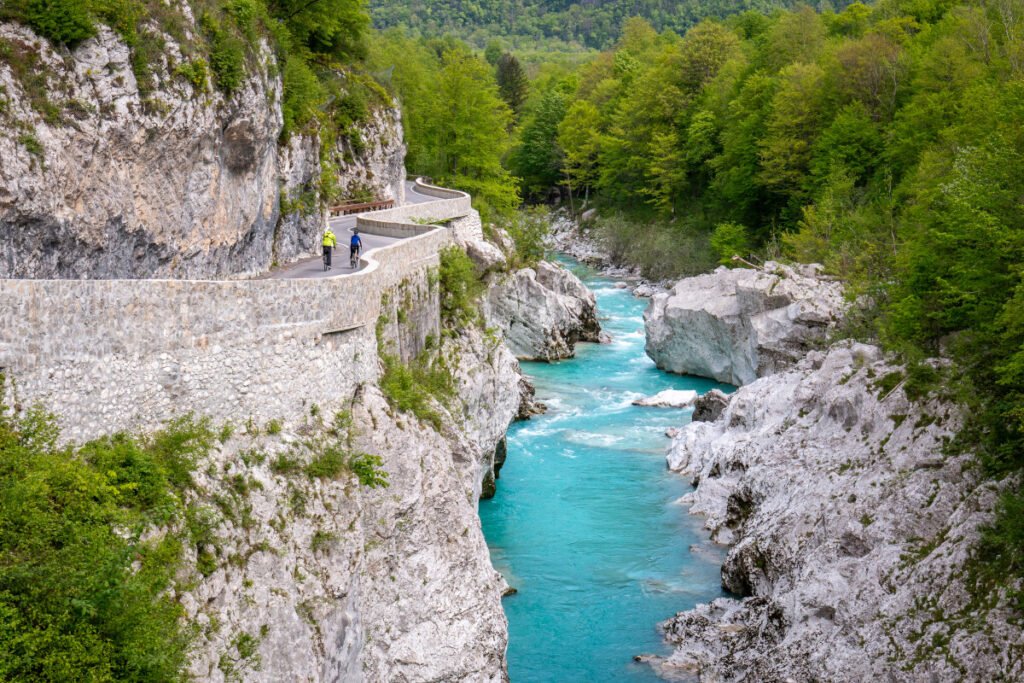
The Soča Valley — 2 hours west of Ljubljana — is TrotRadar’s strongest Slovenia recommendation beyond Bled: a river of extraordinary emerald-green color running through limestone gorges, with excellent whitewater kayaking and the WWI Walk of Peace following the Isonzo Front through some of the most significant and most atmospheric WWI heritage accessible anywhere in Europe.
TrotRadar Slovenia daily budget: €60–90
Croatia Beyond Dubrovnik: The Coast That Deserves More Time
Croatia on the Balkans road trip requires a specific editorial position from TrotRadar: the country is genuinely beautiful and genuinely over-priced along the main Dalmatian tourist corridor in peak season. The strategy is islands rather than mainland, and shoulder season rather than July–August.
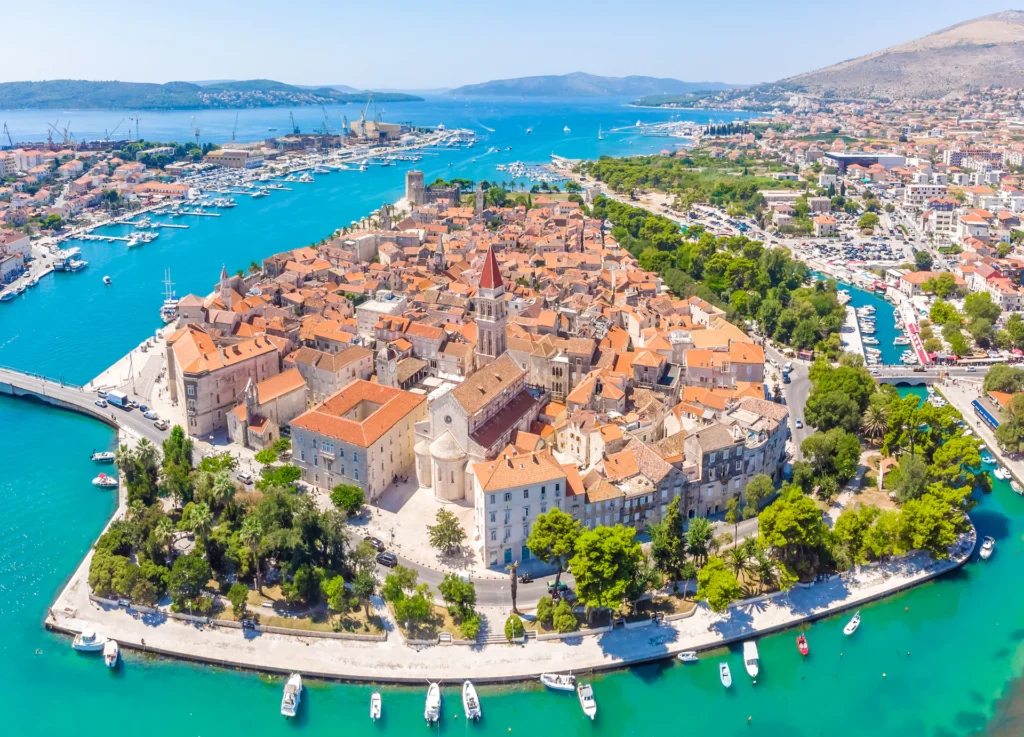
Split (2 nights) — the city that grew up inside the retirement palace of Emperor Diocletian, so that the palace walls are now the city walls and apartments are carved into the imperial colonnades — is one of the genuinely extraordinary urban heritage situations in Europe. The Peristyle (the palace’s ceremonial courtyard, now a café square) is the correct starting point.
From Split: the ferry to Vis (2.5 hours, approximately €10) — the island that was a Yugoslav Navy base until 1989, consequently missed the development wave that transformed Hvar, and remains the most authentically fishing-village island in the Adriatic. TrotRadar covers Vis in detail in our underrated Mediterranean islands guide.
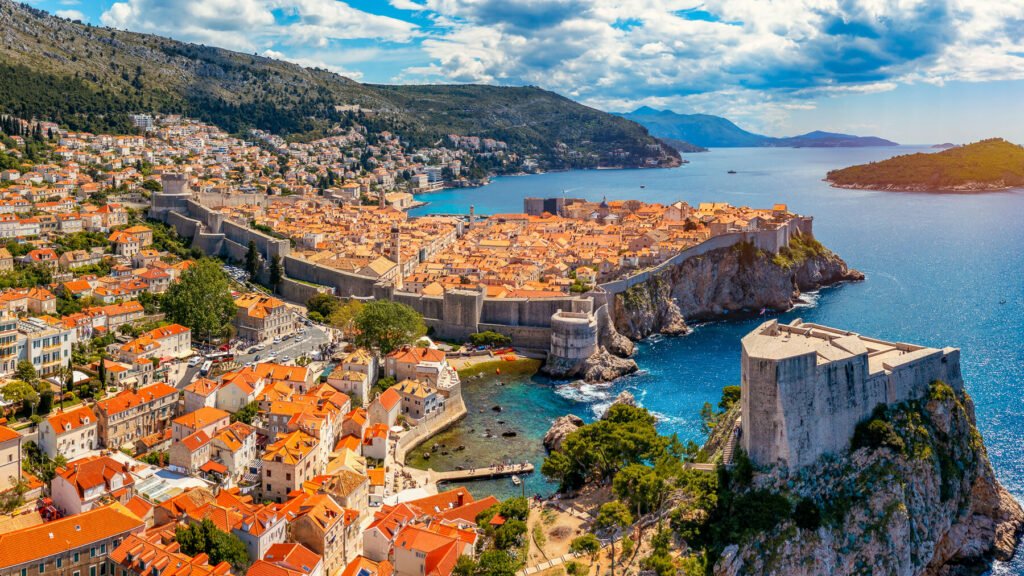
Dubrovnik (1 night) — the Old Town walls and the specific quality of the Adriatic light on the limestone are genuinely extraordinary. The crowds and prices of peak season are also genuinely extreme. One night, one morning walk on the walls before the cruise ships disembark: this is the TrotRadar Dubrovnik prescription.
TrotRadar Croatia daily budget: €70–110 (Vis and Split; higher in Dubrovnik peak season)
Bosnia and Herzegovina: The Ottoman Heart of the Balkans
Crossing into Bosnia and Herzegovina from Croatia produces an immediate atmospheric shift — the minarets appear, the coffee culture changes from Italian espresso to thick Bosnian džezva coffee poured from a long-handled copper pot, and the specific weight of recent history makes itself felt in a way that the rest of the Balkans circuit doesn’t quite replicate.
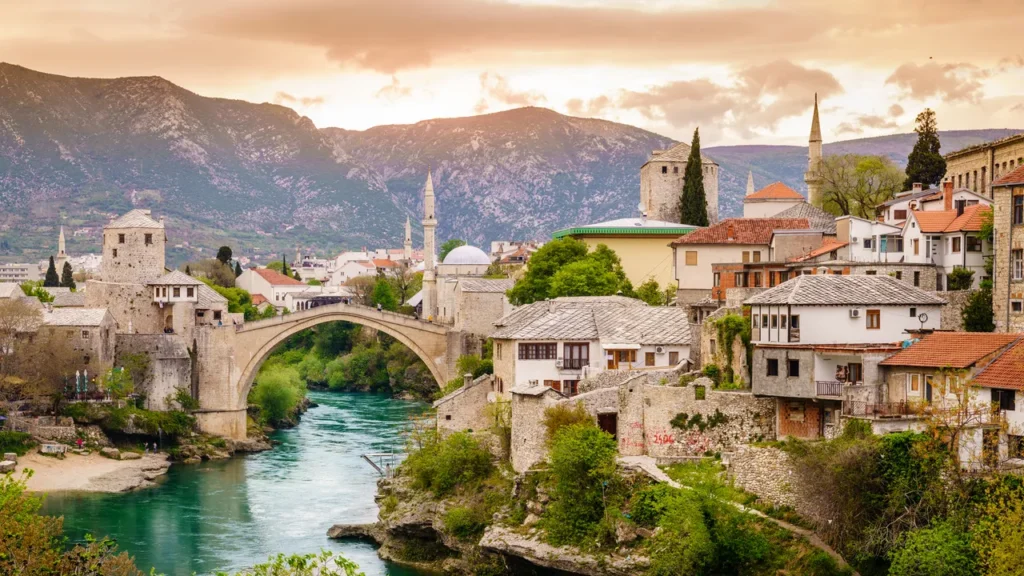
Mostar — the city whose 16th-century stone bridge was destroyed by artillery in 1993 and rebuilt using original Ottoman construction techniques in 2004 — is the most visually distinctive city in the Western Balkans. The Stari Most (Old Bridge) over the Neretva River, the Ottoman old bazaar of Kujundžiluk on either side, and the specific tension of being in a city still physically divided between communities — all reward more than the half-day most travelers allocate from a Dubrovnik base.
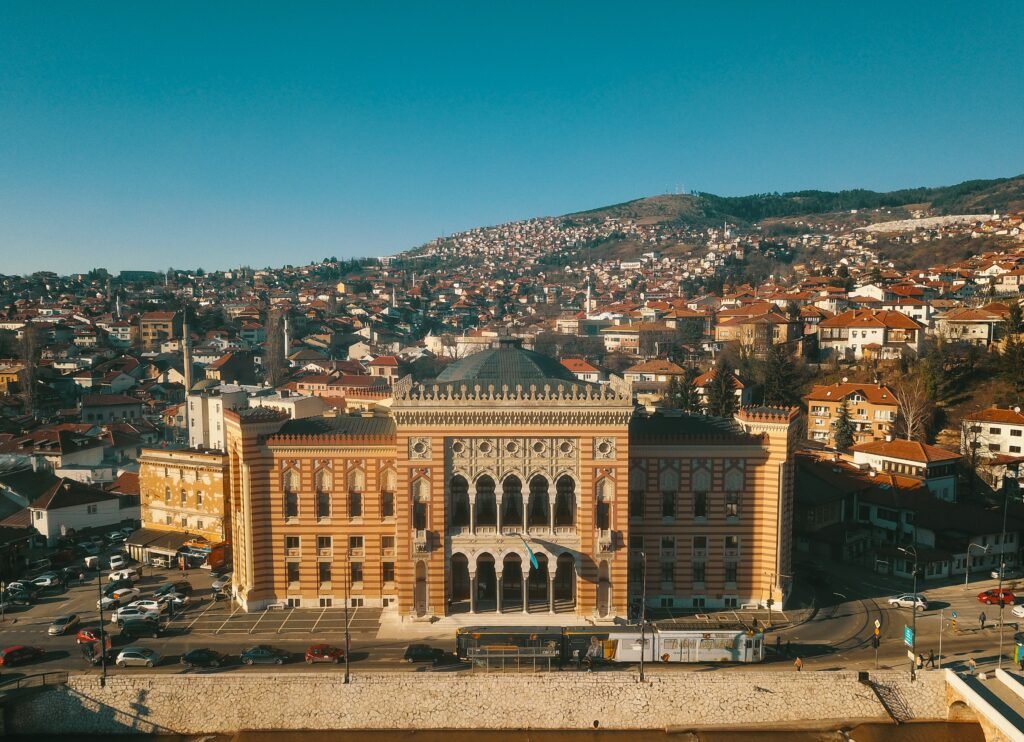
Sarajevo (2–3 nights) — the city where Archduke Franz Ferdinand was assassinated in 1914, where the longest siege of a capital city in modern warfare lasted from 1992 to 1996, and where the specific Ottoman, Austro-Hungarian, Yugoslav, and post-war layers of architecture coexist in a concentrated urban area — is the finest city in the Western Balkans for TrotRadar’s money and receives a fraction of the tourism its cultural depth deserves. The Baščaršija (Ottoman bazaar district), the Latin Bridge (the assassination site), and the War Childhood Museum (the most quietly devastating museum TrotRadar has encountered in the Balkans) together constitute a genuinely extraordinary cultural circuit.
TrotRadar Bosnia daily budget: €35–55 — among the most affordable countries in Europe.
Montenegro: The Bay of Kotor and the Accursed Mountains
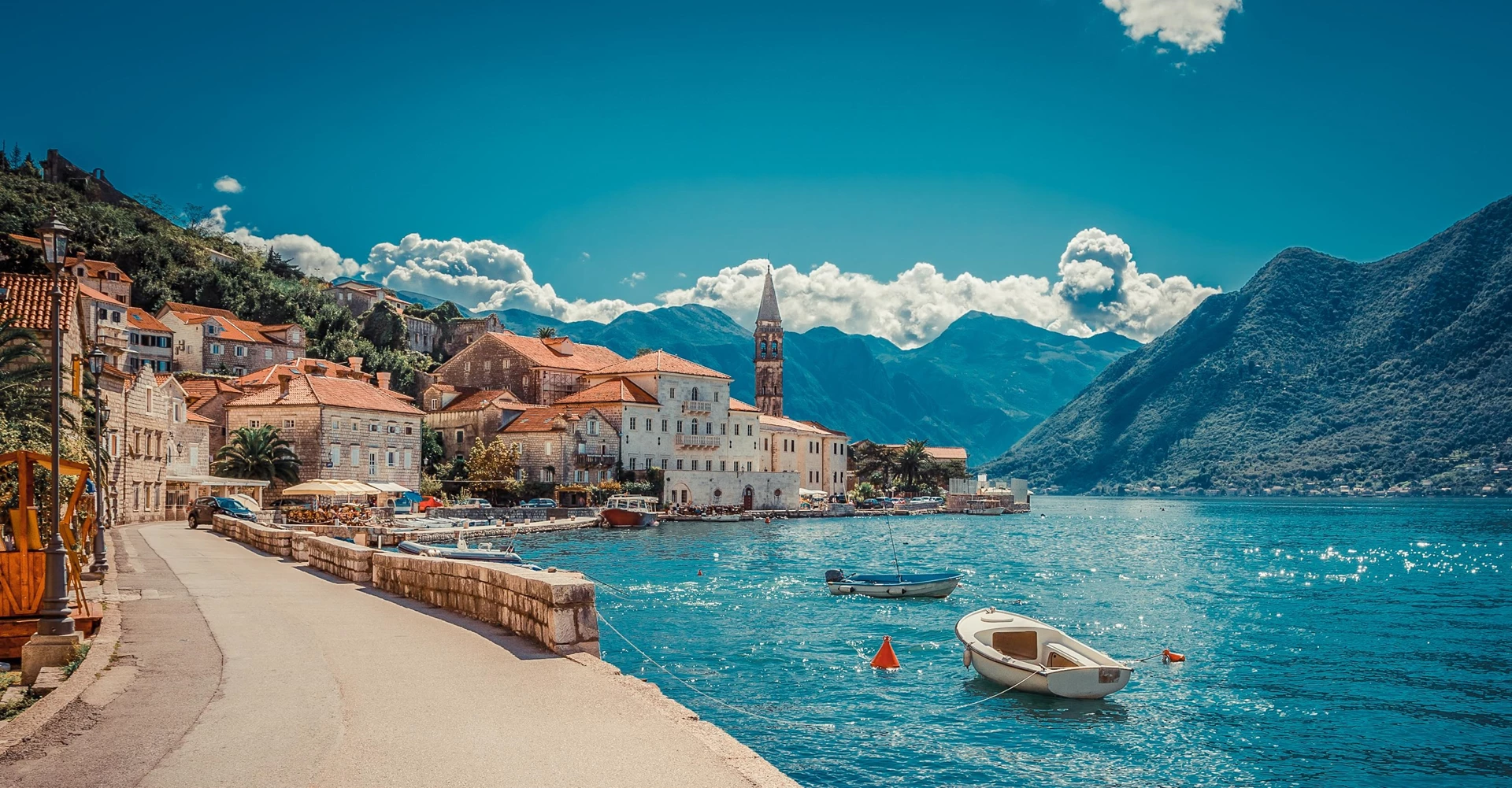
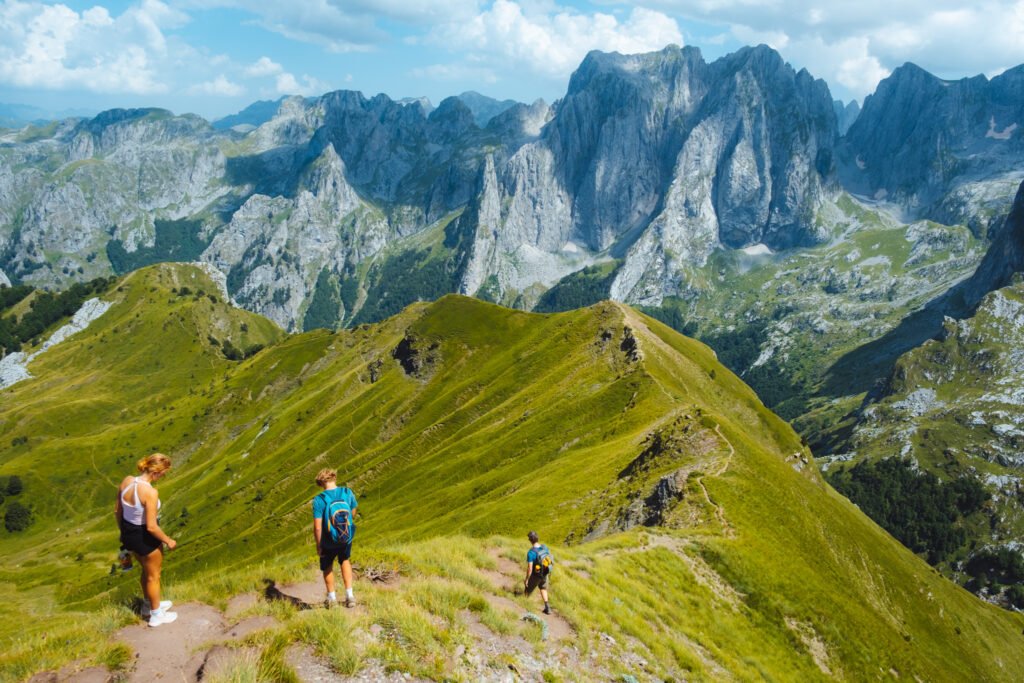
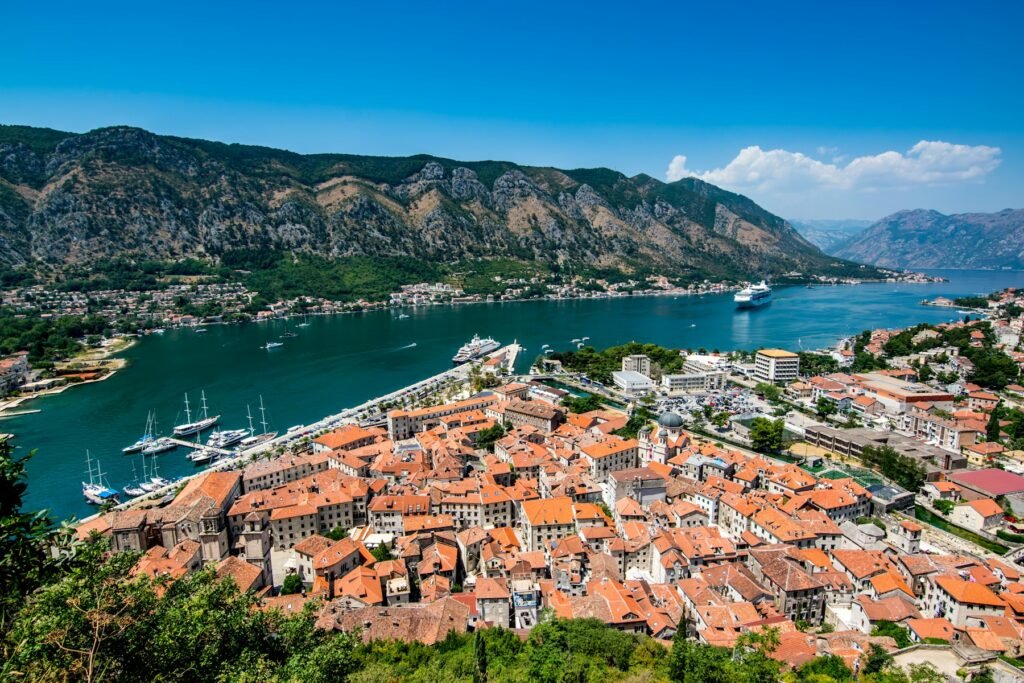
Montenegro covers a surprising range in a country smaller than Connecticut — the Adriatic coastline and the Bay of Kotor (a drowned river valley that looks like a Norwegian fjord misplaced in the Mediterranean, the medieval walls of Kotor rising directly from the water to a clifftop fortress), and the Prokletije (Accursed Mountains) — the Albanian Alps that extend into northern Montenegro, where the Durmitor National Park provides some of the finest mountain scenery and hiking in the Balkans.
Kotor (1–2 nights): The walled city earns a night inside the walls — the specific experience of the medieval city after the day visitors leave (Kotor receives significant cruise ship traffic; by 6 PM the old town returns to a more manageable density). The wall climb to San Giovanni fortress (1,350 steps, approximately 90 minutes) provides the finest view over the bay TrotRadar knows of anywhere on the Adriatic coast.
The drive from Kotor to Cetinje (the former royal capital) via the Kotor-Cetinje serpentine road — 26 hairpin bends ascending 1,000 metres from the bay floor — is one of the finest driving experiences on the Balkans circuit and worth taking even if Cetinje itself is only a brief stop.
TrotRadar Montenegro daily budget: €45–70
Albania: The Surprise of the Balkans Circuit
Albania is, for most Western travelers, the complete surprise of the Balkans circuit — a country that was the most isolated in Europe under Enver Hoxha’s hardline communist government (1944–1985) and has since developed into the most genuinely undiscovered destination in the Western Balkans, with spectacular natural landscapes, extraordinary layered Ottoman and Byzantine heritage, and daily costs that make Bosnia look expensive.
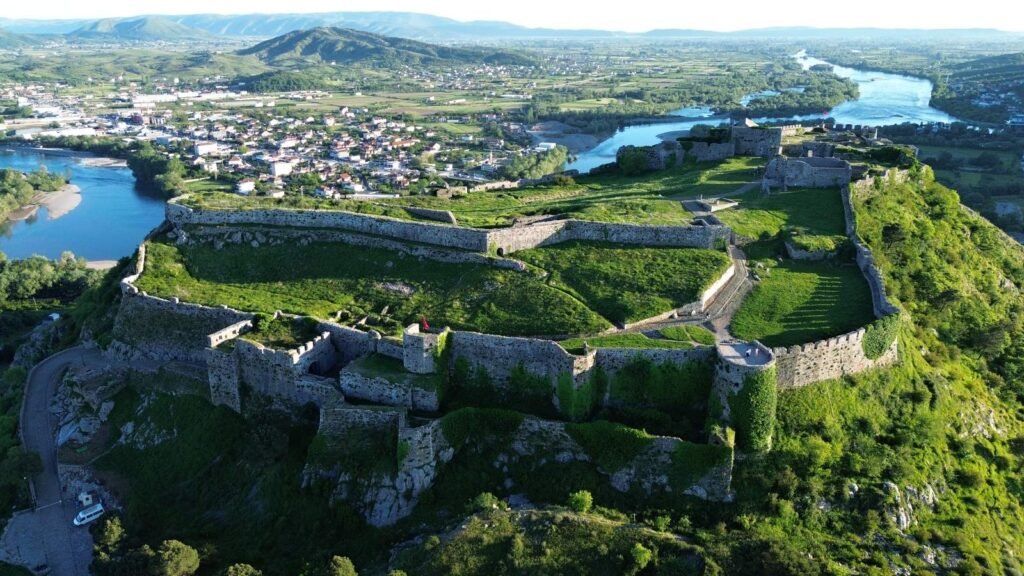
Shkodër (1 night, entry point from Montenegro) — the Rozafa Castle above the confluence of three rivers is the finest fortress view in the northern Balkans and almost entirely unvisited by international tourism.
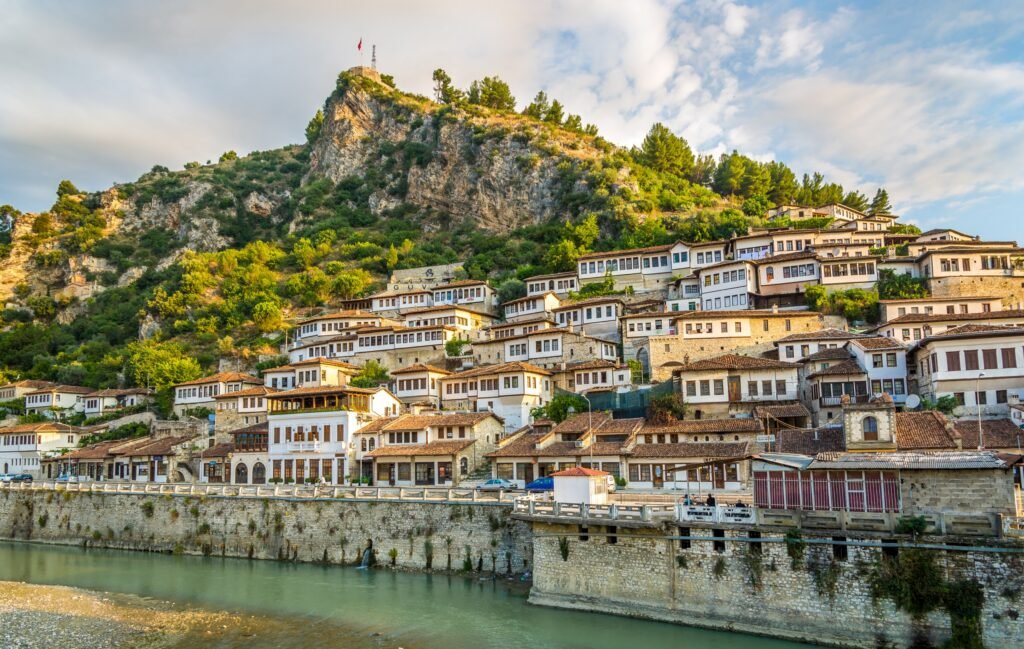
Berat — “the city of a thousand windows,” a UNESCO World Heritage Ottoman townscape of white houses stacked up a hillside to a Byzantine castle, with Christian and Muslim religious buildings coexisting in a concentration that reflects the country’s specific religious history — is TrotRadar’s strongest Albania recommendation. Two nights minimum; the castle at sunset and the early morning before visitors arrive are the non-negotiable moments.
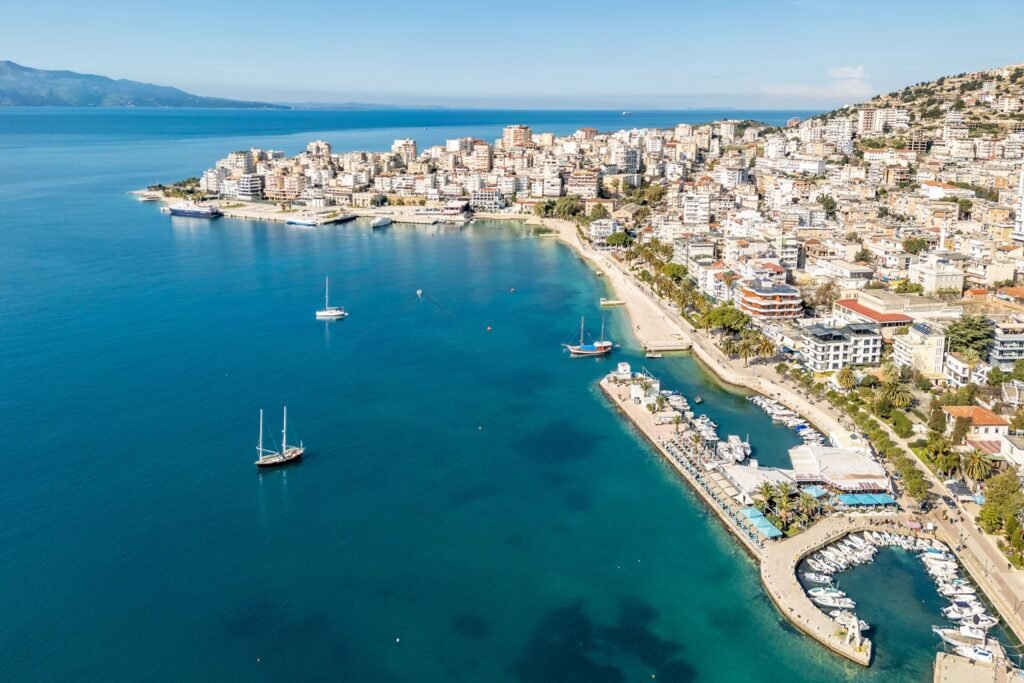
The Albanian Riviera — the stretch of Ionian coast from Vlorë to Sarandë, with clear water comparable to the Dalmatian coast at a fraction of the price — has been developing tourist infrastructure while retaining the character of a coast that hasn’t been entirely consumed by the tourism it’s attracting.
TrotRadar Albania daily budget: €25–45 — the most affordable country on the circuit.
North Macedonia and Kosovo: The Optional Extensions
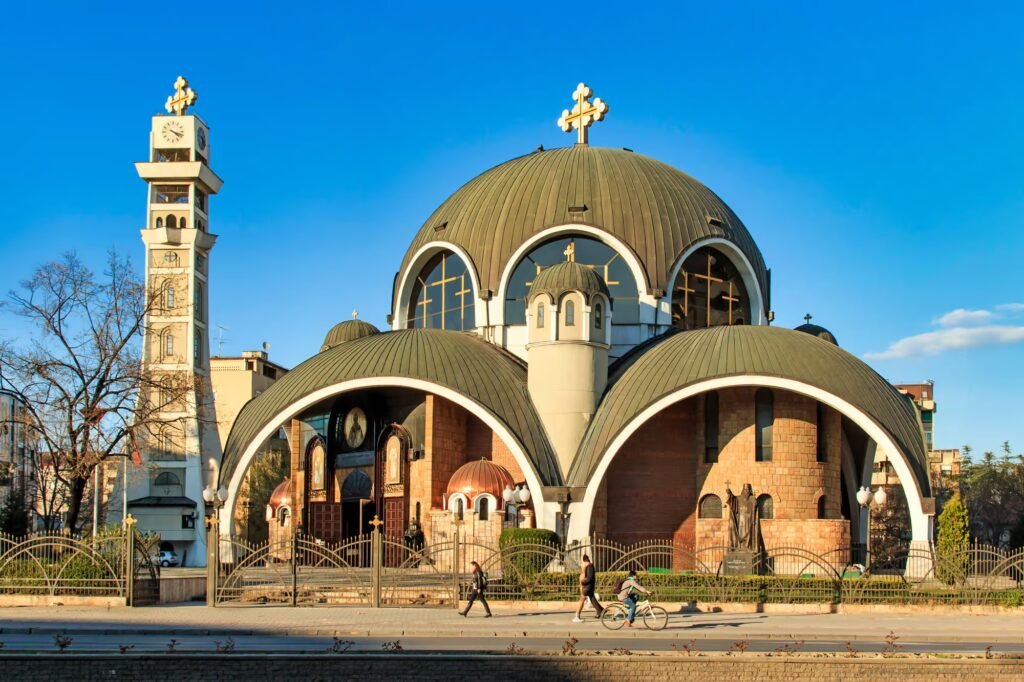
For travelers with an extra week, the circuit extends naturally into North Macedonia — Ohrid (a UNESCO city on a lake often described as the Balkans’ Jerusalem for its density of Byzantine churches and monasteries, with lakeside swimming that rivals the Adriatic at a third of the price) and Skopje (a capital with a peculiar identity — an enormous neoclassical statuary project built in the 2010s alongside a genuinely excellent Ottoman old bazaar that predates the statues by 600 years) — and Kosovo, Europe’s newest country, whose capital Pristina has a specific energy of a city reinventing itself and whose Deçan Monastery (a 14th-century Serbian Orthodox monastery with the finest surviving Byzantine frescoes in the Balkans) is among the most extraordinary heritage sites TrotRadar recommends in the region.
For the Greek continuation of the Balkans circuit, read TrotRadar’s Greece beyond islands mainland guide — which covers Thessaloniki and the Peloponnese as a natural southern extension. And our cheapest countries in Europe guide covers the full cost comparison across the Western Balkans in detail.
Practical Balkans Road Trip Notes from TrotRadar
Border crossings: Slovenia and Croatia are Schengen — no passport control between them or with other Schengen countries. Bosnia, Montenegro, Albania, Kosovo, and North Macedonia all require passport presentation at borders; queues are generally short outside peak summer weekends. Verify current Kosovo entry requirements for your nationality — recognition is not universal.
Currency: Slovenia and Kosovo use the Euro (Kosovo despite not being an EU member). Croatia adopted the Euro in 2023. Bosnia uses the Convertible Mark (BAM, pegged to the Euro). Montenegro uses the Euro (informally, despite not being in the Eurozone). Albania uses the Lek. North Macedonia uses the Denar. Carrying some cash in each currency simplifies smaller transactions.
TrotRadar Balkans circuit overall daily budget: €40–70 — weighted toward the lower end of European travel costs throughout.
The TrotRadar Verdict on the Balkans Road Trip
The Balkans road trip travel guide conclusion is that this is the finest value road trip in Europe — and one of the most culturally and visually varied anywhere. From the Alpine lakes of Slovenia to the Ottoman bazaars of Sarajevo to the Adriatic villages of Albania’s riviera, the circuit covers more genuine human and natural diversity than most continental journeys three times its distance. Three weeks is enough for the main circuit; two is possible; four rewards the extensions into North Macedonia and Kosovo. TrotRadar recommends it unreservedly — and specifically before the broader travel market fully discovers Albania.
Find Your Balkans Road Trip Deal
TrotRadar features open-jaw car rental packages, Balkans guesthouse and hotel combinations, Bosnia heritage tour options, and Albanian Riviera accommodation deals. The best-value road trip in Europe is ready to book. Browse TrotRadar’s Balkans road trip offers →