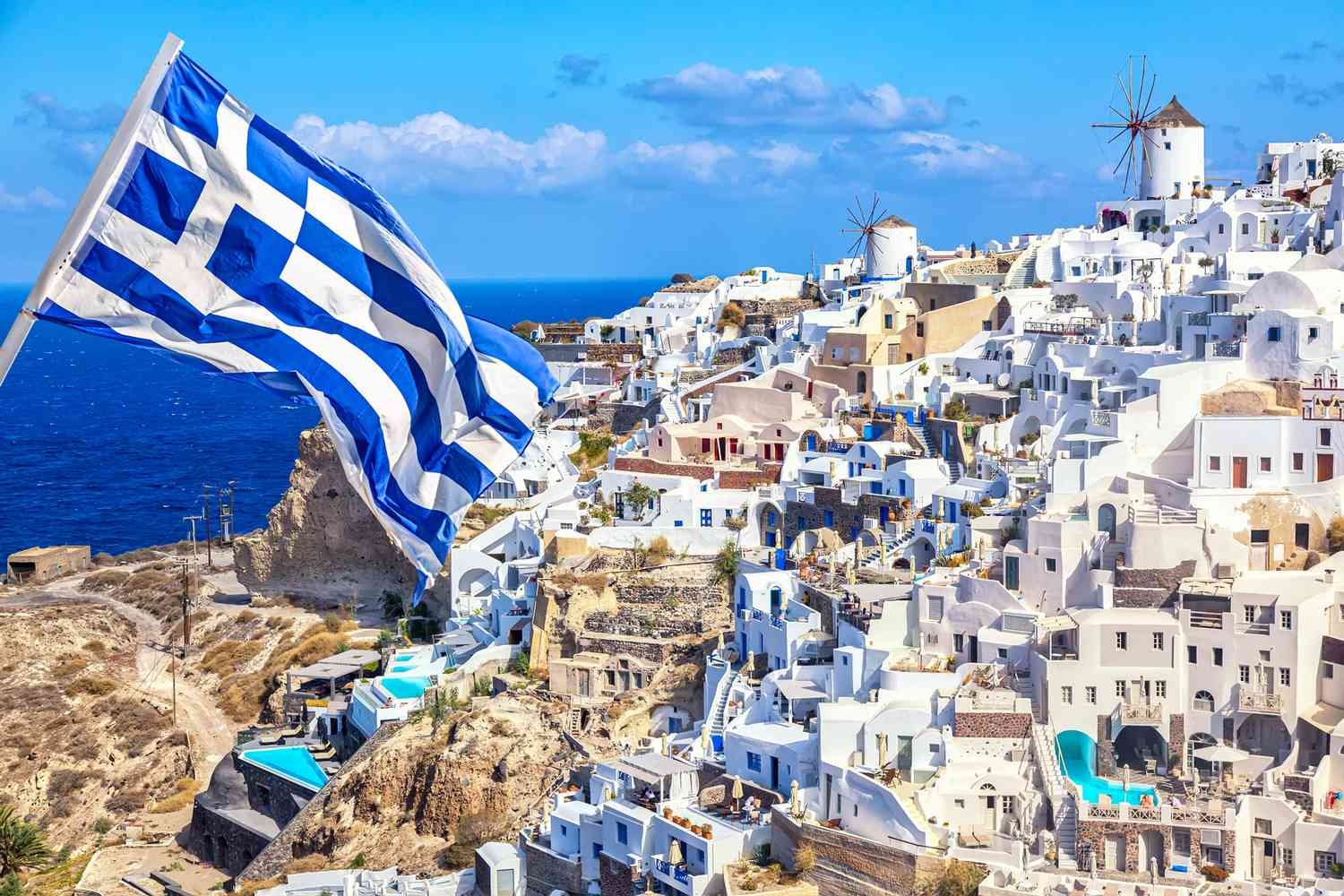
Greece’s island reputation is so thoroughly established that a significant proportion of visitors to the country spend their entire trip afloat between ferry ports — Athens as a transit point, then Santorini, Mykonos, Paros, and back — without setting foot on a mainland that contains Byzantine monasteries suspended on vertical rock pillars, the finest preserved ancient theatre in the Mediterranean world, a second city with better food and more authentic café culture than the capital, and some of the most significant archaeological sites in western civilization.
At TrotRadar, the Greece beyond islands mainland guide is a genuine editorial passion — because the mainland Greece that most visitors miss is both less expensive and, in several respects, more extraordinary than the island circuit that absorbs the majority of the tourism budget and attention.
TrotRadar Tip: A rental car unlocks mainland Greece in a way that public transport doesn’t — the Peloponnese circuit, the Zagori villages, and the approach to Meteora all reward the flexibility to stop where the road turns interesting rather than where the bus does. Browse TrotRadar’s Greece mainland rental car and accommodation deals — we feature vehicles from Athens at competitive rates with flexible pickup.
Athens: The City That Deserves More Than Two Days
Athens gets the transit night and the Acropolis morning and is then largely abandoned for the ferries. TrotRadar’s position is that this represents the most consequential misallocation of time in Greek travel — the city earns three full days and rewards four.
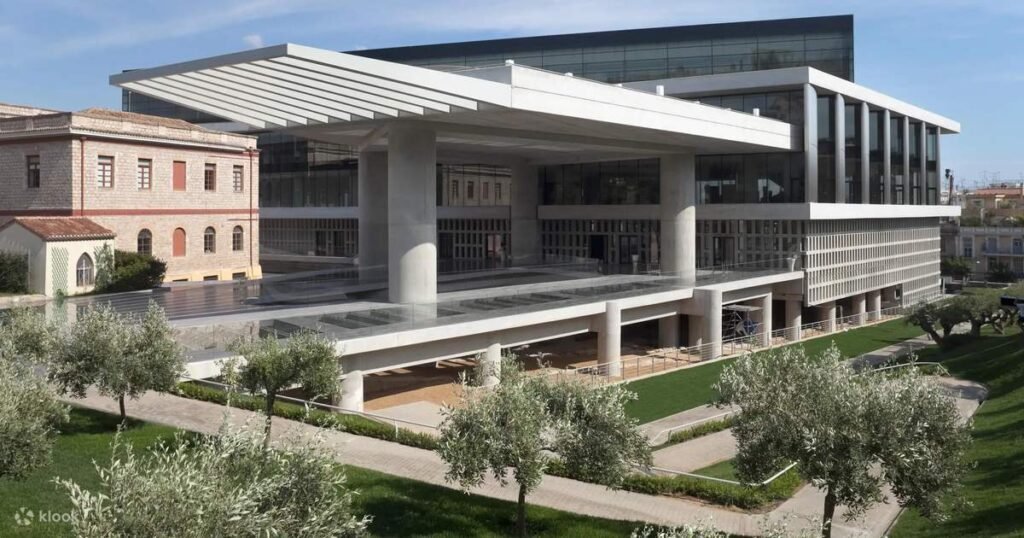
The Acropolis is genuinely the non-negotiable — the Parthenon, the Erechtheion, the Propylaia, and the Temple of Athena Nike collectively constitute the finest surviving ensemble of Classical Greek architecture, and the Acropolis Museum directly below (one of Europe’s finest purpose-built archaeological museums, housing the surviving sculpture in air-conditioned clarity) makes the combination a full day. TrotRadar’s timing: arrive at Acropolis opening time (8 AM) and combine with the museum in the early afternoon when the Acropolis hill becomes crowded and hot.
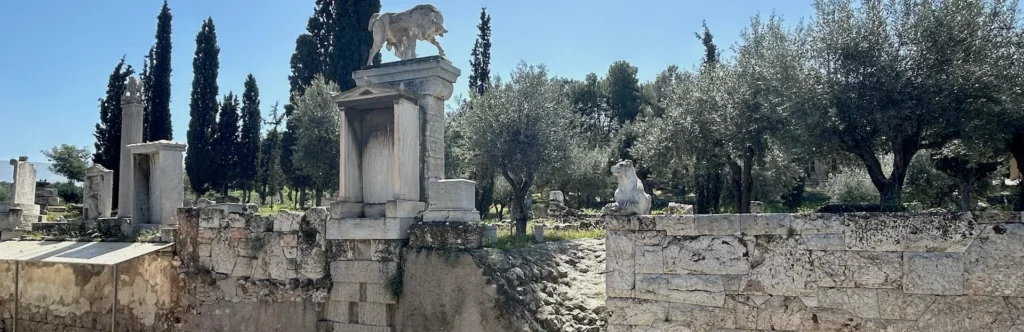
Beyond the Acropolis: the Ancient Agora — the civic center of ancient Athens, where democracy was invented and Socrates walked — receives a fraction of the Acropolis visitors and contains the Temple of Hephaestus (better preserved than the Parthenon, almost never mentioned). The Kerameikos cemetery (the ancient burial ground outside the city walls, remarkably preserved, almost empty of tourists) is a 45-minute walk that most visitors don’t take and that TrotRadar considers one of Athens’s finest free experiences.
Athens neighborhoods worth exploring:
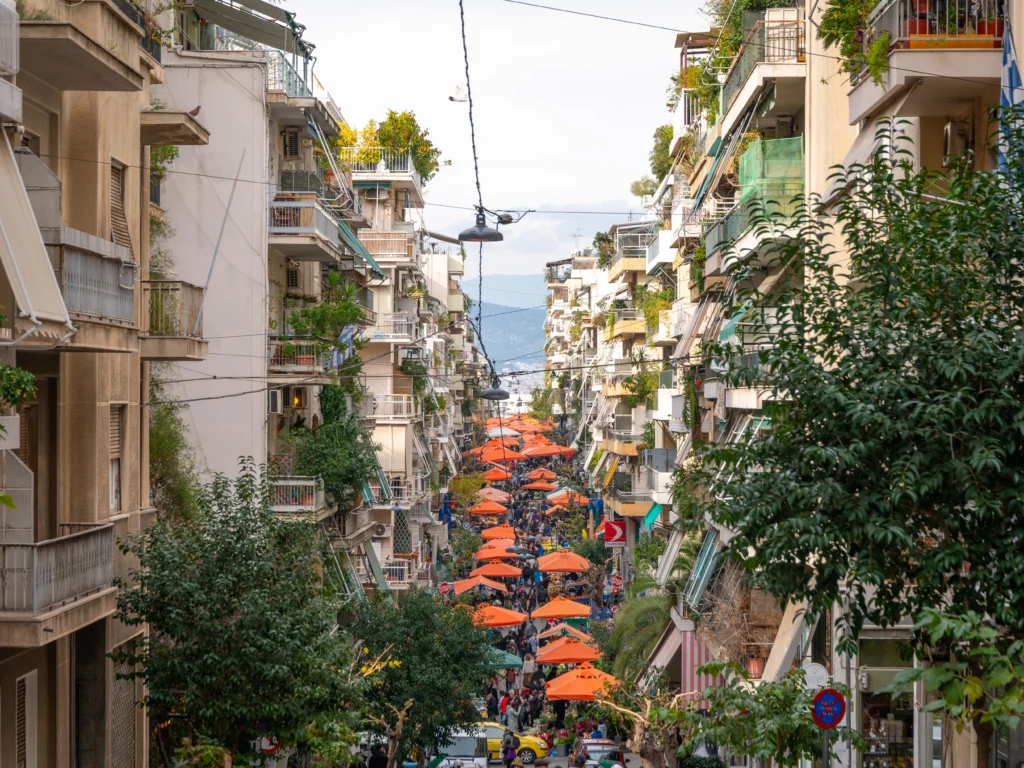
- Monastiraki and Psyrri: The flea market district and adjacent bohemian neighborhood — the best street food (souvlaki from To Thanasi, open since 1957) and the rooftop bar views over the Acropolis
- Exarcheia: Athens’s anarchist-leaning creative neighborhood — independent bookshops, alternative cafés, street art, and the specific energy of a district that has consistently resisted gentrification. TrotRadar finds it the most characterful walking neighborhood in the city
- Koukaki: The residential neighborhood south of the Acropolis — where the increasing density of independent wine bars, natural wine shops, and interesting restaurants has made it TrotRadar’s preferred Athens dinner district
TrotRadar Athens daily budget:
- Hostel dorm: €20–35/night
- Guesthouse private room: €45–90/night
- Full day eating at local restaurants: €15–25
- Acropolis + Museum combined ticket: €30
Meteora: The Monasteries That Defy Gravity
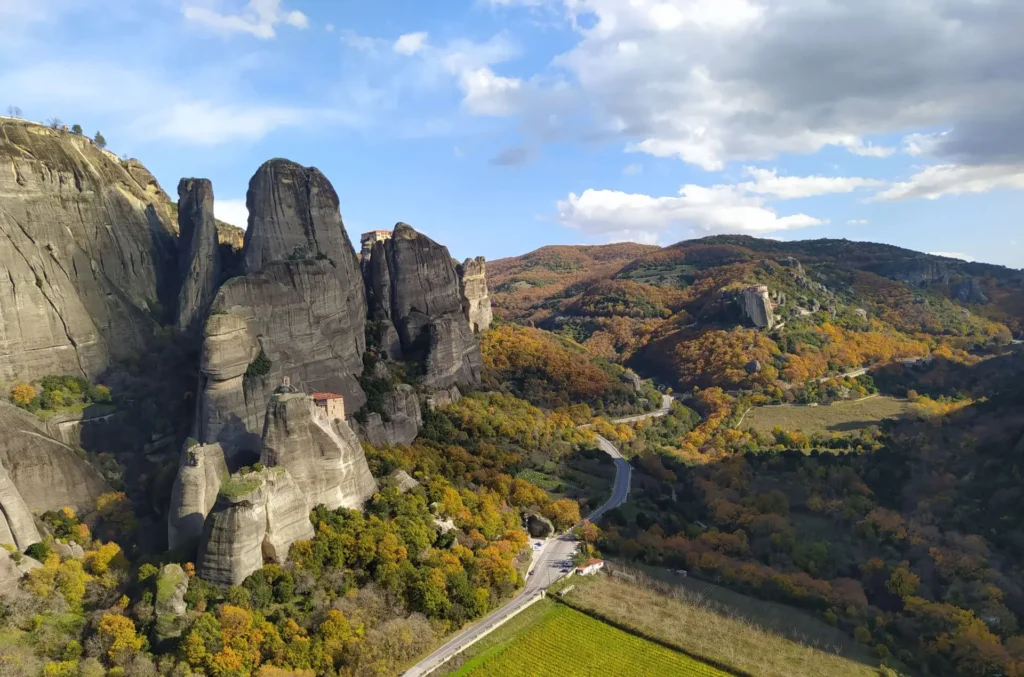
Meteora — in the Thessaly plain of central Greece, 350 km northwest of Athens — is the mainland destination that most consistently produces the strongest reaction among travelers who reach it: a valley of enormous sandstone rock pillars (formed by seismic activity and erosion over 60 million years), topped by 24 monasteries built between the 14th and 16th centuries by monks who ascended by nets and baskets and constructed their religious communities on the summits of vertical rock faces.
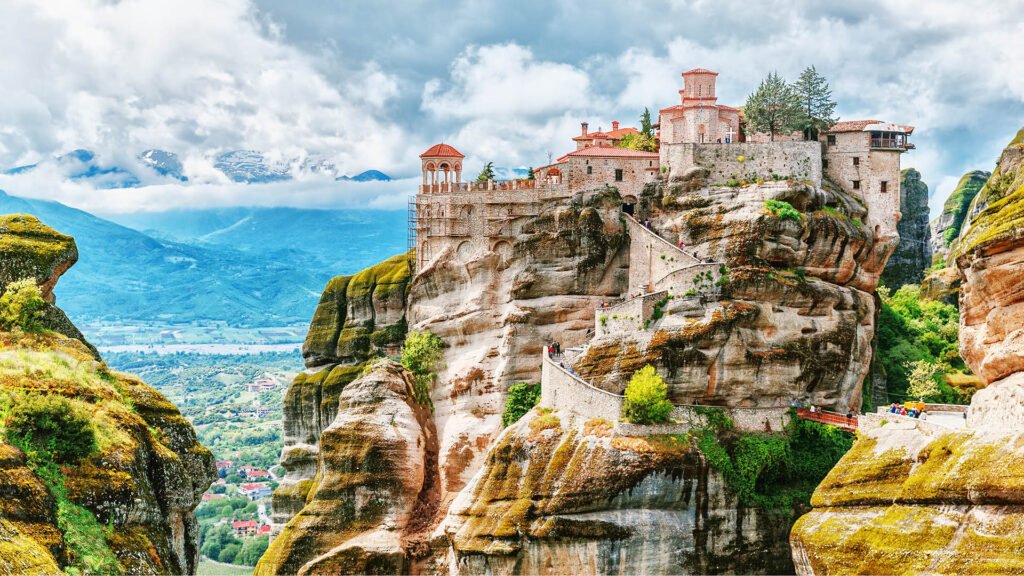
Six monasteries are still active. All six are visitable by road (a road was cut to the rock tops in the 1920s) with modest dress required (long trousers for men, long skirts for women — fabric wraps available at monastery entrances). Entry to each: approximately €3.
The Great Meteoron (the largest, founded in the 14th century) and the Monastery of Varlaam are the most significant architecturally and historically. The Monastery of Roussanou occupies perhaps the most dramatic position — perched on a narrow rock with sheer drops on all sides. TrotRadar recommends visiting at least three monasteries across a full day rather than rushing all six.
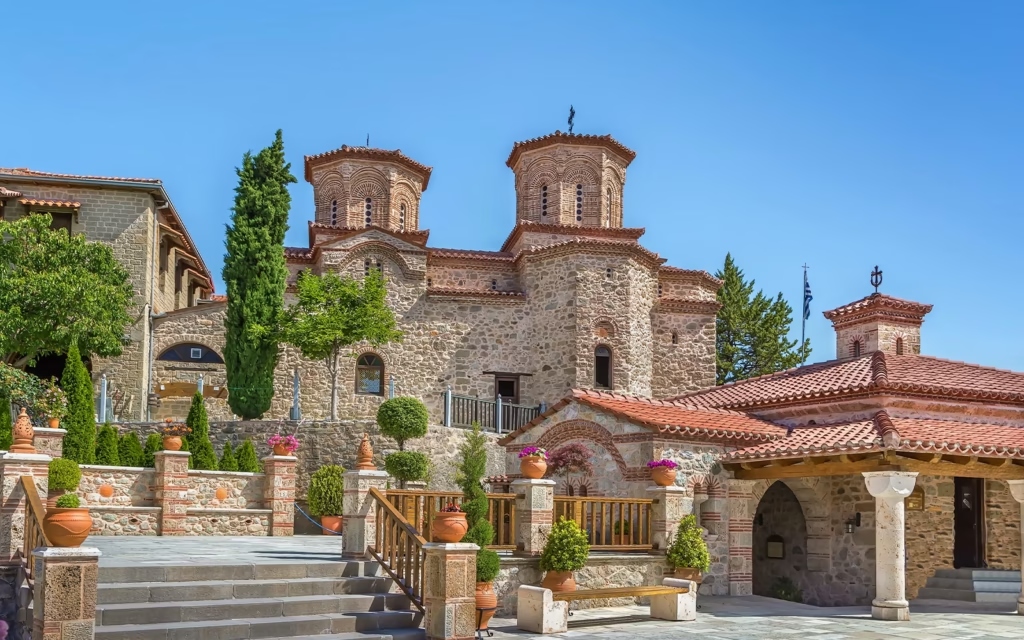
The hiking trails between the rock pillars and viewpoints — particularly the route between Kastraki village and the Great Meteoron via the valley floor — deliver the most intimate experience of the geology and the scale of the rock formations in a 3–4 hour walk.
Getting there: Train from Athens to Kalambaka (4.5 hours, approximately €20); the monasteries are accessible by taxi or bicycle from Kalambaka town. Alternatively, a self-drive detour on the Athens–Thessaloniki route adds one night.
TrotRadar Meteora/Kalambaka daily budget: €40–70
Thessaloniki: Greece’s Second City and First for Food
Thessaloniki — 500 km north of Athens, Greece’s second city, the capital of Macedonia for three centuries of Byzantine rule, and by consistent food writer consensus the city with the best food culture in Greece — is the mainland destination that most rewards the traveler who drifts north rather than south.
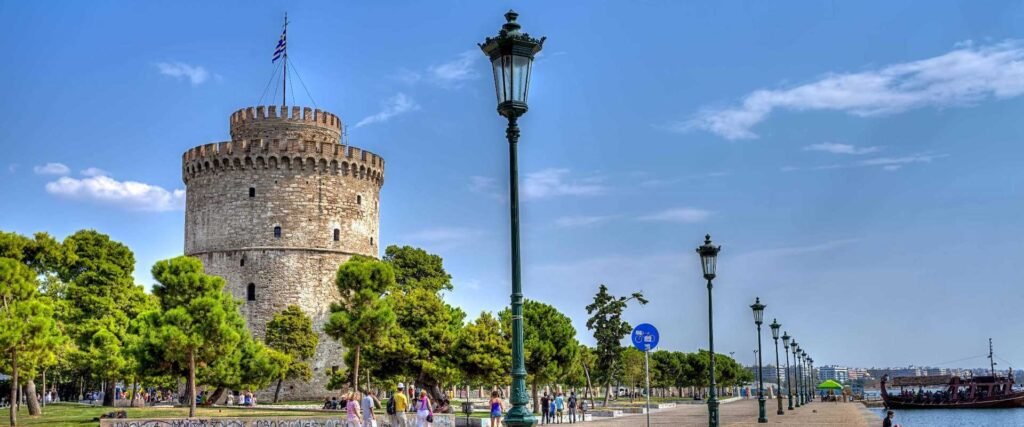
The food case first: Thessaloniki’s specific culinary tradition derives from its historical population of Sephardic Jews (expelled from Spain in 1492, they brought food traditions that merged with Greek and Ottoman cuisines), Anatolian refugees (1922 population exchange brought Greek communities from Anatolia with their own culinary traditions), and the specific bounty of northern Greek agricultural produce. The result is a food culture of extraordinary depth — the bougatsa (custard pastry) at Bantis on Aristotelous Square at 7 AM, the grilled octopus at the seafront tavernas, the taramosalata from the Modiano covered market, the loukoumades (honey doughnuts) from the century-old shops in the old Jewish quarter.
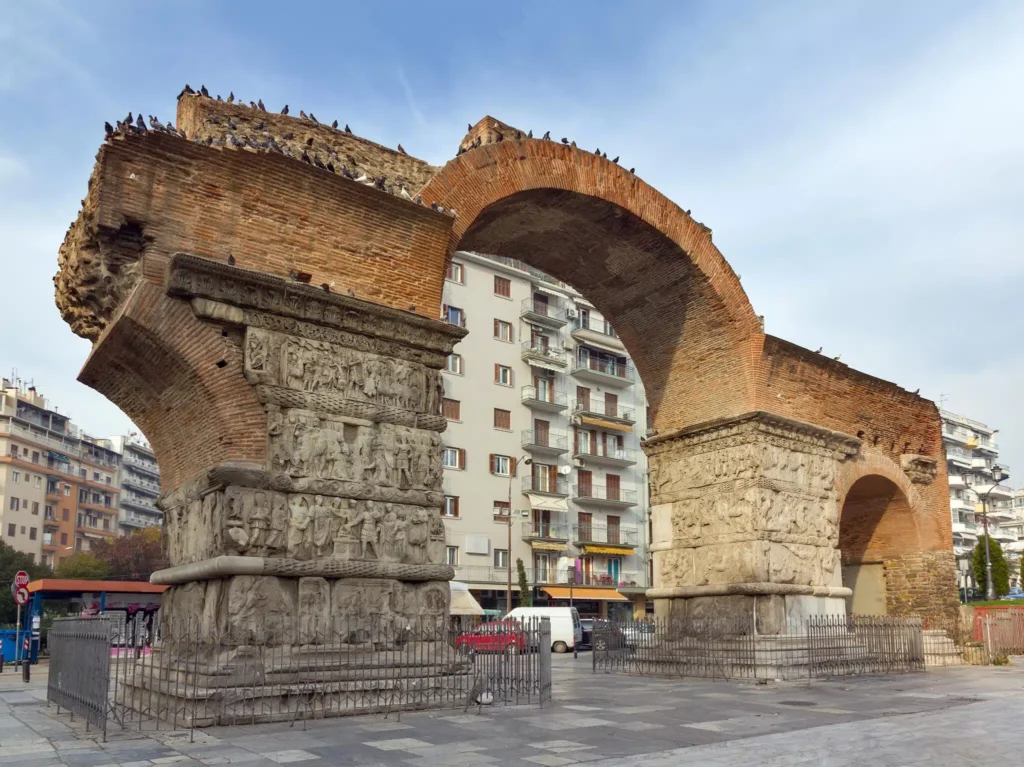
The archaeological heritage of Thessaloniki — 15 UNESCO World Heritage monuments within the city — includes the Rotunda (built as a Roman mausoleum, converted to a church, then a mosque, now a monument with extraordinary 4th-century mosaics), the Arch of Galerius, and the Byzantine walls still surrounding the upper city.
The Ano Poli (Upper Town) — the old city above the modern center, where wooden-balconied Ottoman houses and Byzantine churches survived the 1917 fire that destroyed the lower city — is the finest walking neighborhood in Thessaloniki and one of the most atmospheric in mainland Greece. The view from the Byzantine fortress at its summit over the bay and the Macedonian plain is extraordinary at sunset.
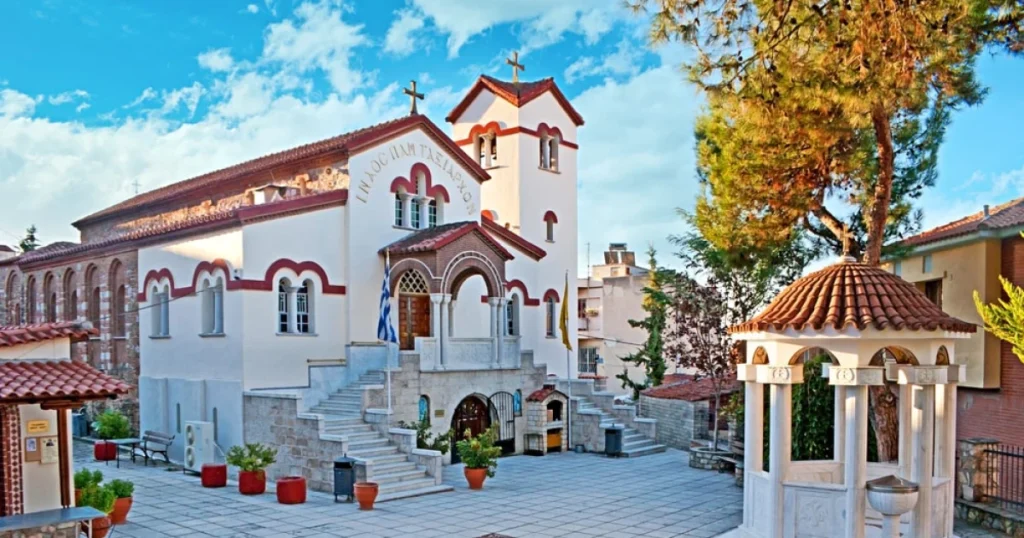
TrotRadar Thessaloniki daily budget: €40–75 — significantly below Athens for comparable quality. For the broader Greece and Mediterranean context, read TrotRadar’s underrated Mediterranean islands guide — which covers Thessaloniki’s island neighbours in the Aegean.
The Peloponnese: Ancient Greece at 1:1 Scale
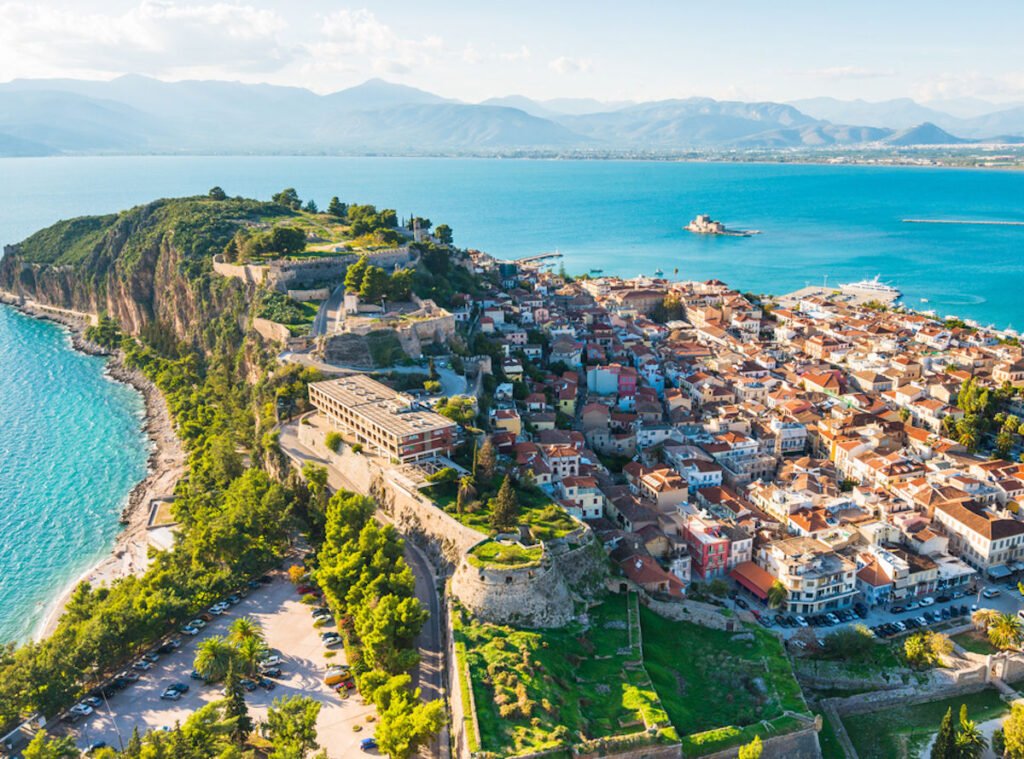
The Peloponnese — the hand-shaped peninsula connected to the mainland by the Corinth Canal isthmus — contains the highest concentration of significant ancient Greek and Byzantine heritage sites accessible by road anywhere in the Mediterranean, and receives a fraction of the tourism directed toward the Greek islands immediately offshore.
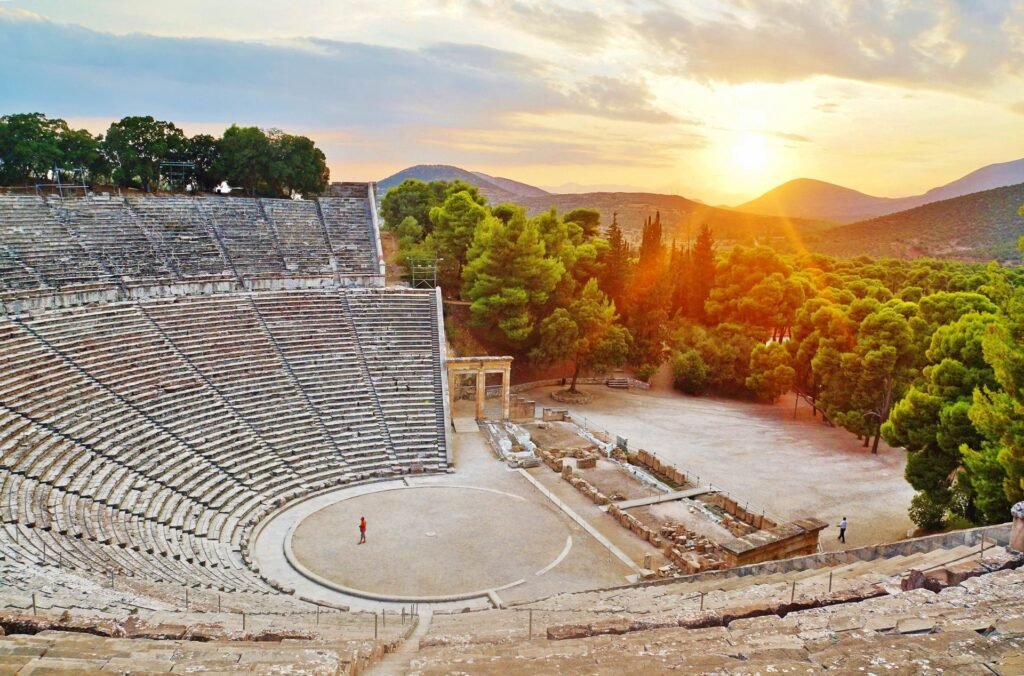
Epidaurus — the 4th-century BCE theatre with 14,000 seats and acoustics so extraordinary that a coin dropped at the central circular orchestra is audible from the highest tier (55 rows up, 75 metres distant) — is the finest surviving ancient theatre on earth. It still hosts performances as part of the Hellenic Festival (July–August); tickets typically €15–50 for an evening performance of Sophocles or Aeschylus in the original setting is an experience TrotRadar ranks among the finest in European travel. Entry outside performance season: €12.
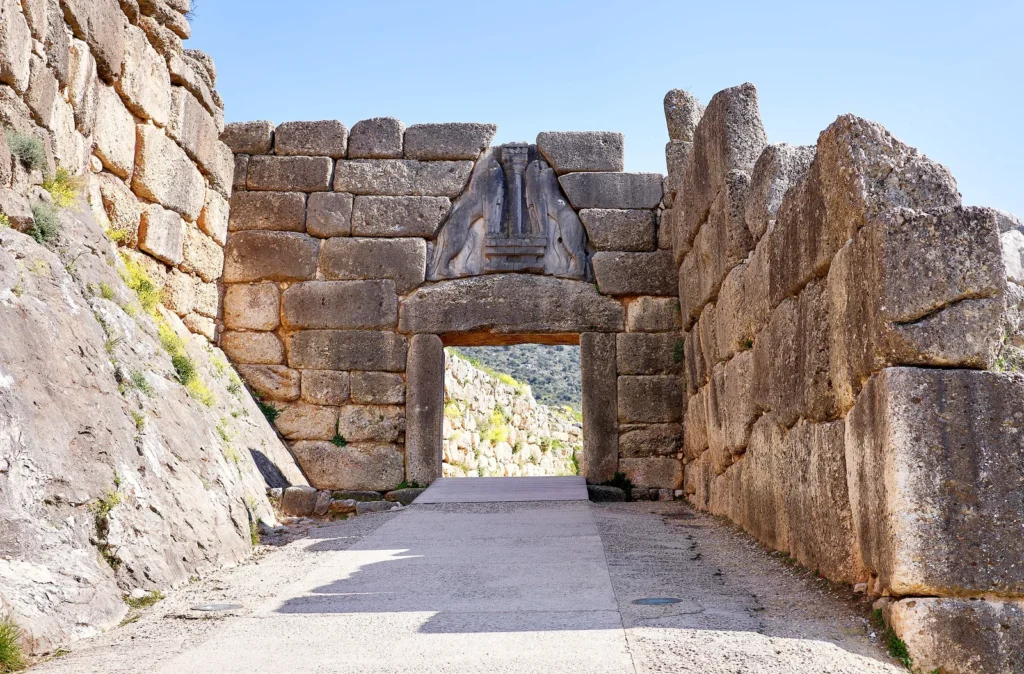
Mycenae — the Bronze Age citadel of Agamemnon, excavated by Heinrich Schliemann in 1876, its Lion Gate (1250 BCE) the oldest monumental sculpture in Europe — is 30 minutes from Epidaurus and provides the mythological depth to the theatrical visit. Entry: €12.
Mystras — a Byzantine ghost city on a mountain spur above Sparta, inhabited from the 13th to the 19th century and abandoned when the modern town of Sparta was built below — is one of the finest and least-visited UNESCO sites in Greece: ruins of palaces, churches with surviving frescoes, and monasteries terraced down the hillside in a landscape of olive groves and mountain backdrop. Entry: €12.
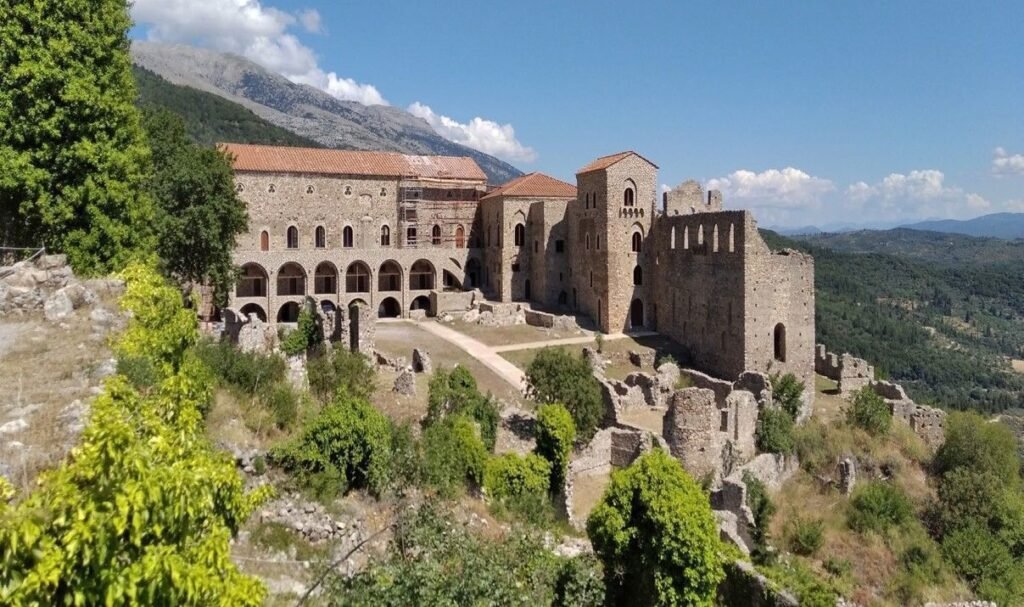
Self-drive Peloponnese circuit: A 5–7 day circuit from Athens — Corinth, Mycenae, Epidaurus, Nafplio, Mystras, Monemvasia (a medieval castle town on a rock island connected to the mainland by a single causeway), Mani Peninsula (the wild middle finger of the Peloponnese, tower villages and Byzantine churches) — is the finest mainland Greece itinerary available and requires a rental car. TrotRadar considers it essential for any serious Greece visit that extends beyond the island circuit.
TrotRadar Peloponnese daily budget: €45–80 (car rental is the primary variable)
The Zagori Villages: Northern Greece’s Hidden Highland
The Zagori region — 45 stone-built villages in the Pindus Mountains of northwestern Epirus, connected by arched stone bridges and mule paths through the Vikos Gorge (one of the world’s deepest gorges relative to its width, a 900-metre-deep canyon of extraordinary geological drama) — is mainland Greece’s most overlooked natural and architectural landscape.
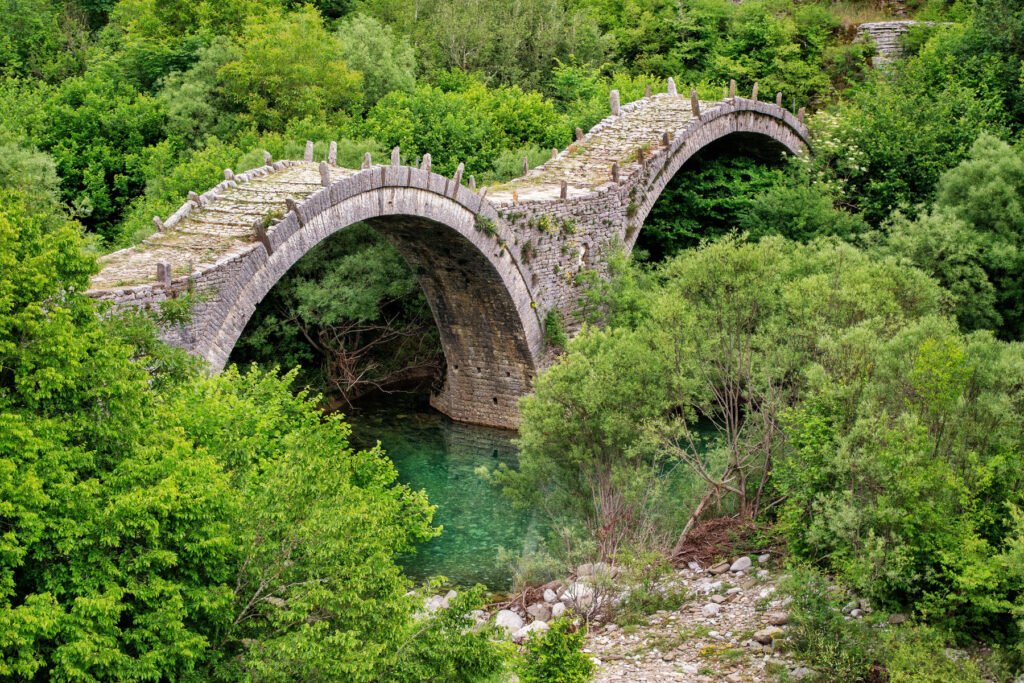
The villages — Monodendri, Papingo (Megalo and Mikro), Vitsa — are built entirely from local grey limestone: slate-roofed houses, stone lanes, arched bridges, churches with Byzantine frescoes. The Vikos Gorge hiking route (12 km one way between Monodendri and the twin Papingo villages) is among the finest day walks in Greece and requires no technical ability — just fitness and appropriate footwear.
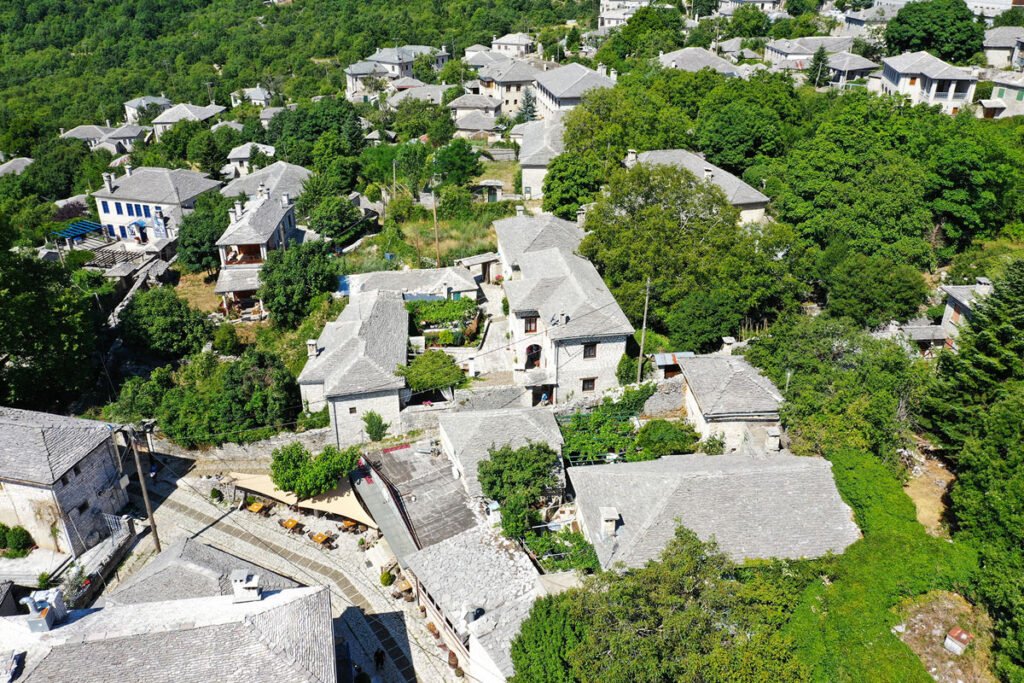
The region is accessible by car from Ioannina (45 minutes; Ioannina itself is a fascinating lakeside city with a castle island where Ali Pasha was assassinated in 1822 — one of the great dramatic figures of Greek Ottoman history). Ioannina is connected to Athens by bus (6 hours, €20) and by direct flight from Athens (1 hour).
For the broader context of how mainland Greece connects to the Balkans circuit, TrotRadar’s Balkans road trip guide covers the connection from Greece through Albania and up through the Western Balkans. And our cheapest countries in Europe guide covers how Greece compares on cost to its Balkan neighbours.
Practical Mainland Greece Notes from TrotRadar
Transport: KTEL intercity buses connect all major mainland destinations reliably and affordably (Athens–Thessaloniki: €35, 6 hours; Athens–Kalambaka: €20, 4.5 hours; Athens–Nafplio: €13, 2.5 hours). Train service is available on the Athens–Thessaloniki corridor (€20–40, 5 hours by Intercity Express).
Best time to visit: April–June and September–October — the mainland advantages are amplified in shoulder season when the archaeological sites are less crowded and the landscape is at its greenest (spring) or most golden (autumn).
TrotRadar overall mainland Greece daily budget:
- Budget (hostel/guesthouse + local food): €40–60/day
- Mid-range (hotel + restaurants): €65–100/day
- Archaeological site entry fees: budget €50–80 for a full mainland circuit
The TrotRadar Verdict on Greece Beyond the Islands
The mainland Greece beyond islands conclusion is that the country most visitors think they know — whitewashed walls, blue domes, Aegean ferry sunsets — is one chapter of a book whose finest chapters are on the mainland. The Acropolis at dawn. Meteora’s suspended monasteries. Epidaurus at a summer performance. Thessaloniki’s bougatsa at 7 AM. The Vikos Gorge in late afternoon shadow.
These are not consolation prizes for travelers who couldn’t afford the island prices — they are, in several cases, more extraordinary than the island circuit at a fraction of the cost. TrotRadar says: spend half your Greece trip on the mainland before catching the ferry south. The islands will still be there.
Find Your Greek Mainland Travel Deal
TrotRadar features Athens hotel deals, Meteora guesthouse packages, Peloponnese rental car combinations, and Thessaloniki city break options — all designed for the traveler who wants more than the ferry circuit. Browse TrotRadar’s Greece mainland travel offers →