If you’ve been dreaming of Mexico, chances are your mind conjures images of crowded beach resorts or well-trodden colonial cities. But here’s what the guidebooks won’t tell you: Mexico’s most enchanting experiences happen in the places where tourism hasn’t quite caught up yet. These lesser known places in Mexico offer something far more valuable than postcard-perfect beaches they offer genuine connections, centuries-old traditions still thriving, and the kind of travel experiences that change you.
I’ve spent years exploring Mexico beyond its famous destinations, and I can tell you that the country’s real magic lies in its hidden corners. These are places where grandmothers still make tortillas by hand every morning, where ancient traditions aren’t performed for tourists but are simply part of daily life, and where your presence as a visitor feels like a cultural exchange rather than a transaction. The authentic Mexico travel experience you’re seeking? It exists, and it’s waiting in these secret places Mexico has carefully guarded from mass tourism.
These hidden gems Mexico has to offer aren’t just alternatives to crowded resorts they’re destinations that will redefine what Mexican travel means to you. Let me take you on a journey off the beaten path Mexico, where every corner reveals something extraordinary.
Cuetzalan: Where Mist-Covered Mountains Meet Ancient Traditions
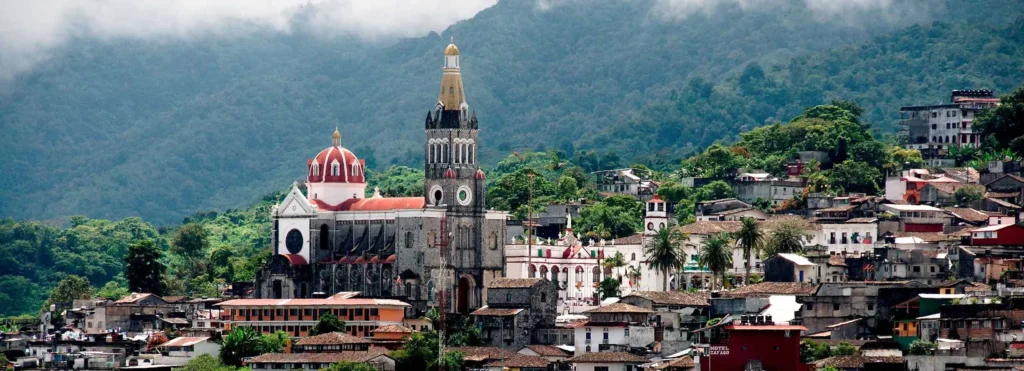
Nestled in the misty highlands of Puebla’s Sierra Norte, Cuetzalan feels like stepping into a living museum where time moves differently. This magical pueblo mágico clings to steep hillsides, its cobblestone streets winding between traditional houses with terracotta roofs that seem to grow from the mountain itself. What makes Cuetzalan truly special isn’t just its stunning natural beauty it’s the thriving Nahuatl culture that pulses through every aspect of daily life.
Walk through town on Sunday, and you’ll witness something extraordinary: local Nahuatl women in traditional embroidered blouses arriving from surrounding villages for the weekly market. These aren’t costumes worn for tourists this is daily attire, passed down through generations. The market itself is a sensory feast where you can taste coffee grown on nearby mountainsides, sample the region’s famous yolixpa (an aromatic herb bread), and watch artisans craft intricate textiles using pre-Hispanic techniques.
The real magic of Cuetzalan reveals itself when you explore beyond the town center. The surrounding jungle hides spectacular waterfalls like Las Brisas and El Salto, where you can swim in crystal-clear pools far from any crowds. The nearby Yohualichan archaeological zone receives a fraction of visitors that its more famous counterparts do, offering the rare chance to explore Totonac pyramids in near solitude.
But what truly sets Cuetzalan apart is how it welcomes visitors into its cultural life. Time your visit with the Feria del Café y el Huipil in October, and you’ll experience the town’s pride in its coffee heritage and textile traditions. Stay in a local guesthouse run by indigenous families, and you might find yourself learning to grind corn for tortillas or joining a traditional temazcal ceremony. This is authentic Mexico travel at its finest immersive, respectful, and genuinely transformative.
Real de Catorce: Ghost Town with a Beating Heart
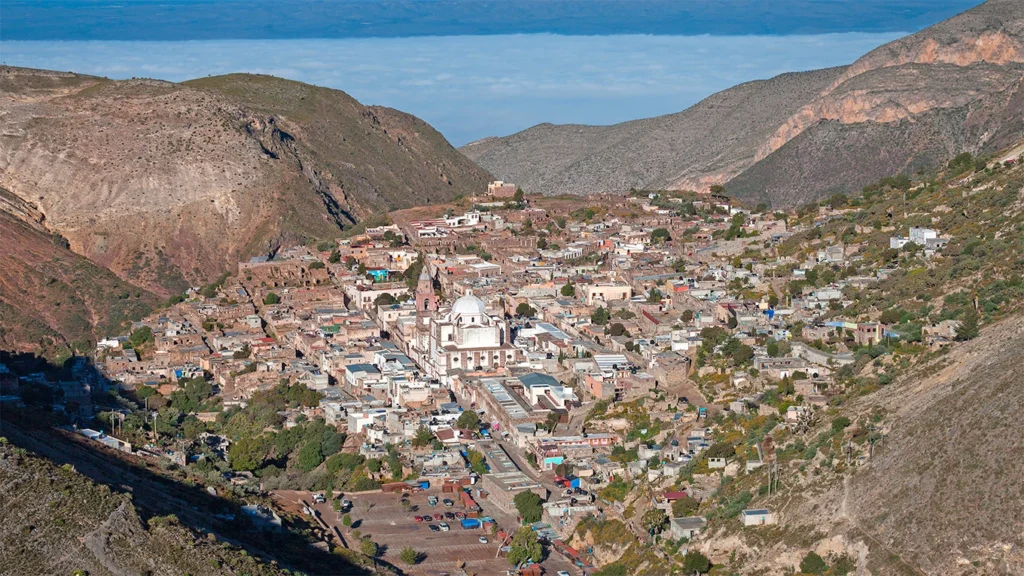
Perched at 9,000 feet in the San Luis Potosí mountains, Real de Catorce exists in a fascinating space between abandonment and vibrancy. This former silver mining town, accessible only through a 1.5-mile tunnel carved through the mountain, seems frozen in time. Crumbling colonial buildings line cobblestone streets where more horses than cars traverse, creating an atmosphere that’s hauntingly beautiful and utterly unique.
What makes Real de Catorce one of the most fascinating hidden gems Mexico offers is how it straddles two worlds. Part ghost town, part pilgrimage site, part bohemian artist colony, it attracts an eclectic mix of seekers and dreamers. The town’s beating heart is the Templo de la Purísima Concepción, where thousands make pilgrimages to San Francisco de Asís, leaving small metal milagros (miracles) as offerings tiny silver arms, legs, hearts, and houses representing prayers for healing and blessings.
The surrounding desert landscape is equally mystical. This is Wixárika (Huichol) sacred land, where the native peyote cactus grows wild. While the ceremonial use of peyote by the Wixárika is protected by law, visitors come to respect and learn about this ancient spiritual tradition. Horseback rides through the desert reveal abandoned mining haciendas and spectacular vistas where the high desert stretches endlessly under impossibly blue skies.
The town’s remoteness has preserved an authenticity that’s increasingly rare. Stay in a converted colonial mansion where fireplaces ward off the mountain chill, and you’ll find yourself swapping stories with artists, photographers, and travelers drawn to Real’s mystical energy. Local families have turned their homes into galleries showcasing everything from indigenous art to contemporary photography. This isn’t a place you just visit it’s a place that invites you to slow down, reflect, and connect with something deeper than typical tourism allows.
Bacalar: The Seven-Color Lagoon’s Best-Kept Secret
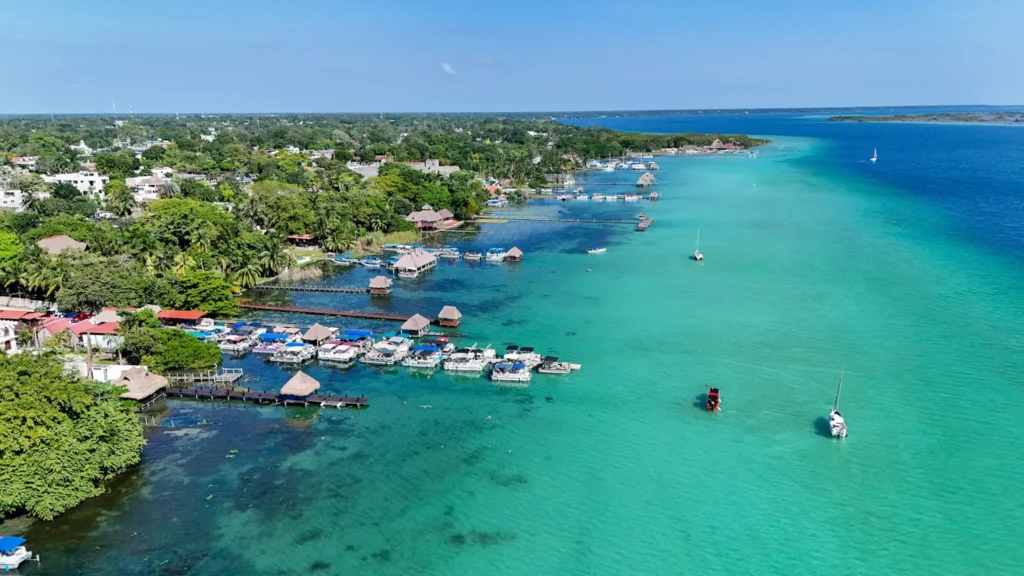
While Cancún and Playa del Carmen groan under the weight of mass tourism, Bacalar remains blissfully peaceful along the shores of its famous lagoon. The Laguna de Siete Colores (Lagoon of Seven Colors) lives up to its name, displaying shifting hues of blue and turquoise that seem almost unnatural in their intensity. But Bacalar’s real treasure isn’t the stunning water—it’s the laid-back, authentic vibe that comes from being genuinely off the beaten path Mexico.
This small town moves at a deliciously slow pace. Mornings begin with locals gathering at the town square, evenings wind down with spectacular sunsets viewed from lakeside restaurants serving fresh fish caught that morning. The fort of San Felipe, built in 1729 to defend against pirates, stands as a reminder of Bacalar’s strategic importance, offering panoramic views of the lagoon and fascinating glimpses into colonial-era Mexico.
The lagoon itself offers experiences you won’t find in tourist-heavy destinations. Kayak through narrow channels lined with mangroves, where herons and crocodiles make occasional appearances. Float in the Cenote Azul, a 300-foot deep natural pool with water so clear you feel suspended in air. Visit the stromatolites living fossils that represent some of Earth’s oldest life forms in shallow lagoon waters.
What makes Bacalar special is how it invites you to embrace a slower rhythm. Rent a kayak and explore at your own pace. Swim in the warm, shallow waters whenever the mood strikes. Strike up conversations with local families who’ve fished these waters for generations. Book a stay in a locally-owned eco-lodge where your hosts share stories about life in Bacalar over home-cooked meals. This is the kind of secret places Mexico offers to those willing to venture beyond the all-inclusive resorts genuine, peaceful, and soul-restoring.
Xilitla: Where Surrealism Blooms in the Jungle
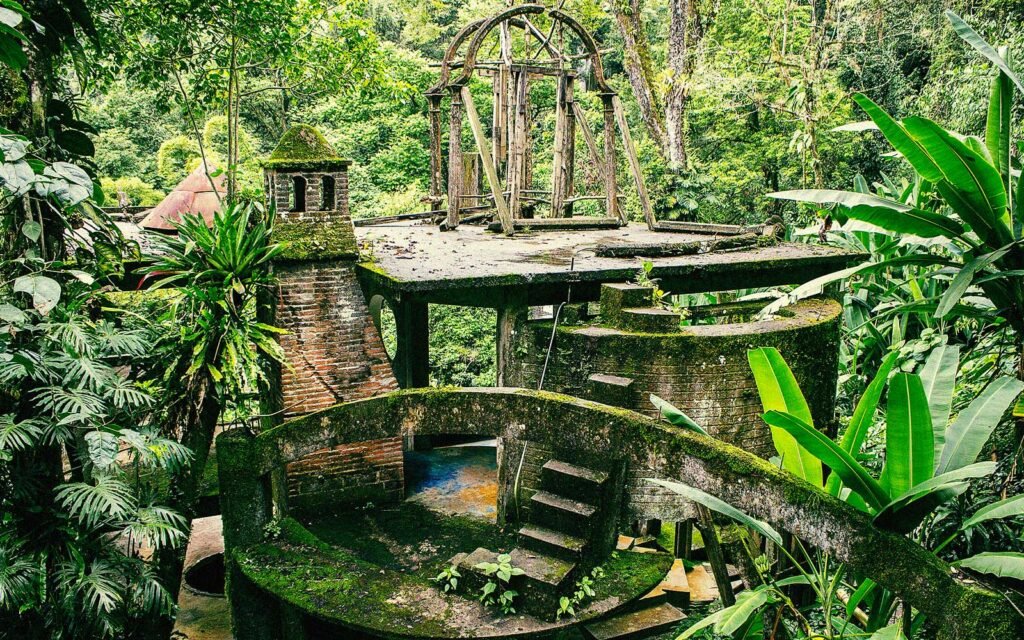
Hidden in the lush mountains of the Huasteca Potosina region, Xilitla is a small town that became an unlikely canvas for surrealist art. The star attraction is Las Pozas, the fantastical concrete jungle garden created by eccentric British poet Edward James. But reducing Xilitla to just Las Pozas would miss what makes this one of the most captivating lesser known places in Mexico it’s the magical fusion of natural beauty, artistic vision, and authentic mountain culture.
Las Pozas itself is extraordinary: massive concrete structures rising from dense jungle, staircases leading nowhere, columns supporting nothing but sky, all intertwined with waterfalls and swimming holes. James spent nearly 40 years and his entire fortune creating this surrealist paradise, inspired by the natural pools (pozas) that cascade through the property. Exploring the 80-acre site feels like wandering through a fever dream, where the boundaries between art and nature blur completely.
But Xilitla’s magic extends beyond James’s creation. The town itself, perched on hillsides covered in coffee plantations and cloud forest, offers glimpses into traditional Mexican mountain life. Local families have cultivated coffee here for generations, and you can visit small fincas to learn the bean-to-cup process while surrounded by spectacular jungle vistas. The nearby Sótano de las Huahuas is a massive sinkhole where thousands of swallows pour out at dawn in a swirling tornado of birds one of nature’s most spectacular shows.
Stay in town at family-run posadas where the smell of fresh coffee wakes you each morning. Eat at local fondas serving traditional Huastec cuisine enchiladas potosinas, zacahuil (a massive tamale), and cecina (salt-cured beef) prepared using recipes passed down through generations. Chat with locals who remember when Edward James was just the strange but kind foreigner living in the jungle. This blend of artistic whimsy and genuine cultural immersion creates an experience unlike anywhere else in Mexico.
Yelapa: The Beach Village Time Forgot
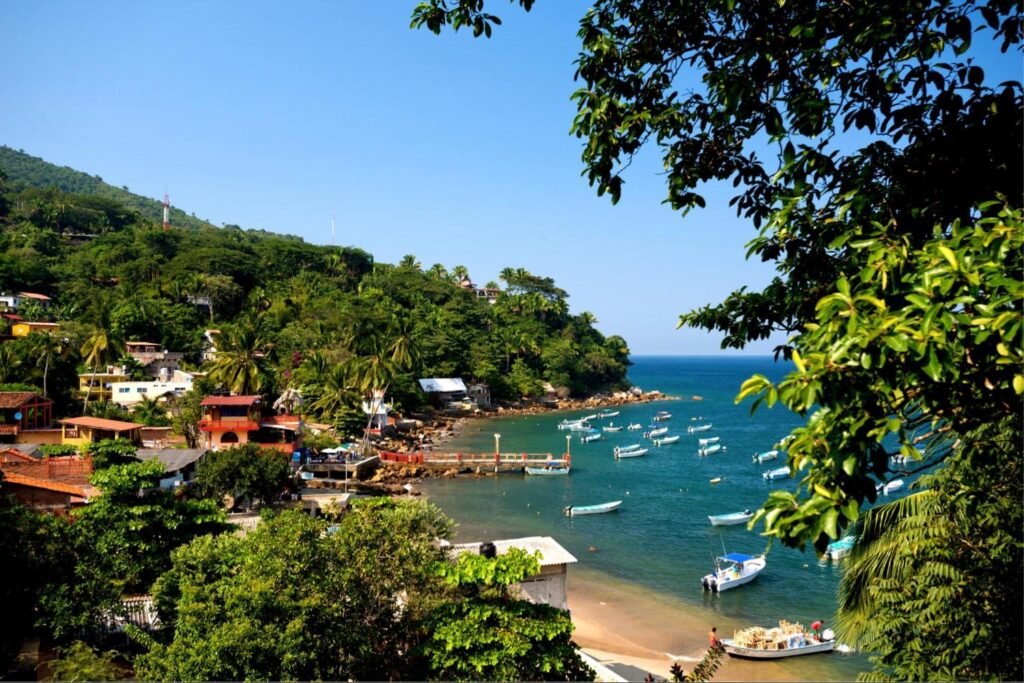
Accessible only by boat from Puerto Vallarta, Yelapa exists in beautiful isolation. No cars, no ATMs, no traffic noise just the sound of waves, tropical birds, and the occasional donkey (still the primary means of transporting goods up steep hillsides). This tiny fishing village tucked into a lush jungle cove represents everything rare about coastal Mexico: authentic, uncommercial, and utterly peaceful.
Life in Yelapa revolves around the rhythm of the sea and the jungle. Local fishermen still set out each morning in pangas, returning with catches sold directly to beachside restaurants. These family-run palapas serve the day’s fresh catch prepared simply and perfectly whole grilled fish, ceviche tossed minutes after you order, cold beer served with lime and salt. There’s no pretense here, no inflated prices for tourists, just honest food and genuine hospitality.
The village invites slow exploration. Trek through jungle trails to a spectacular waterfall cascading into a swimming hole surrounded by massive boulders and lush vegetation. Visit the small farms clinging to hillsides where families grow coffee, bananas, and papaya using traditional methods. Join a yoga class in an open-air palapa, or simply spend days alternating between swimming in the warm Pacific waters and dozing in hammocks strung between palm trees.
What makes Yelapa truly special is its community. Many residents are Mexican families who’ve lived here for generations, joined by a small number of expats who fell in love with Yelapa’s pace and never left. Stay a few days, and you’ll find yourself recognized, greeted by name, invited to impromptu gatherings. This is one of those rare hidden gems Mexico offers where tourism exists but hasn’t destroyed the authentic culture that makes the place special.
Creel: Gateway to Copper Canyon’s Indigenous Heart
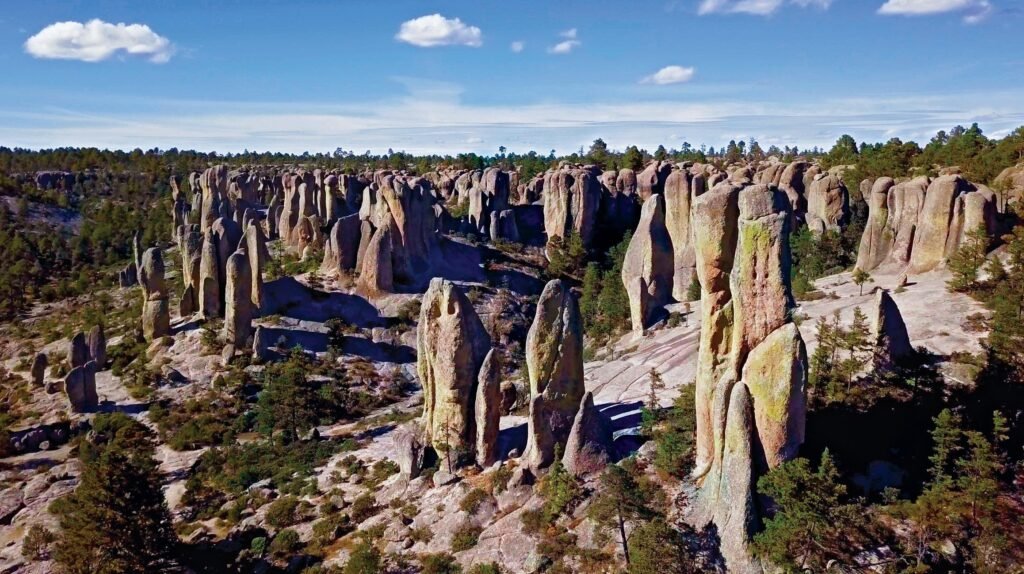
While the Copper Canyon (Barranca del Cobre) gets some recognition, the town of Creel remains remarkably authentic despite being the region’s main hub. Situated in the high Sierra Tarahumara, Creel is home to the Rarámuri people, indigenous communities who’ve maintained their traditional way of life despite centuries of outside pressure. This isn’t a place where culture is performed for tourists it’s a living, breathing community where ancient traditions continue naturally.
The landscape surrounding Creel is breathtaking: towering pine forests, dramatic rock formations, and canyons that dwarf the Grand Canyon in size. But what makes this region truly special is the opportunity to experience Rarámuri culture respectfully and authentically. Local families sell beautiful handwoven baskets and traditional crafts in the town plaza not as tourist trinkets, but as functional items they’ve crafted using techniques passed down through generations.
Explore the nearby Valle de los Monjes (Valley of the Monks), where bizarre rock formations rise from valley floors like giant stone chess pieces. Visit Lake Arareko, surrounded by forest and cave dwellings that Rarámuri families still use seasonally. Hike to Basaseachi Falls, Mexico’s second-highest waterfall, cascading 807 feet into a pristine canyon. These natural wonders receive a fraction of the visitors that more accessible sites attract, offering genuine wilderness experiences.
The real privilege in Creel is engaging respectfully with Rarámuri culture. Book tours led by indigenous guides who share their knowledge of the land and traditions. Purchase crafts directly from artisans, ensuring your money supports families rather than middlemen. Learn about the Rarámuri’s legendary running abilities they’re known as “foot runners” who can run hundreds of miles without stopping, a tradition still practiced in races called rarájipari. This is authentic Mexico travel that requires mindfulness and respect, offering profound insights into cultures that have thrived in these mountains for millennia.
Malinalco: Archaeological Wonder and Magical Mountain Escape
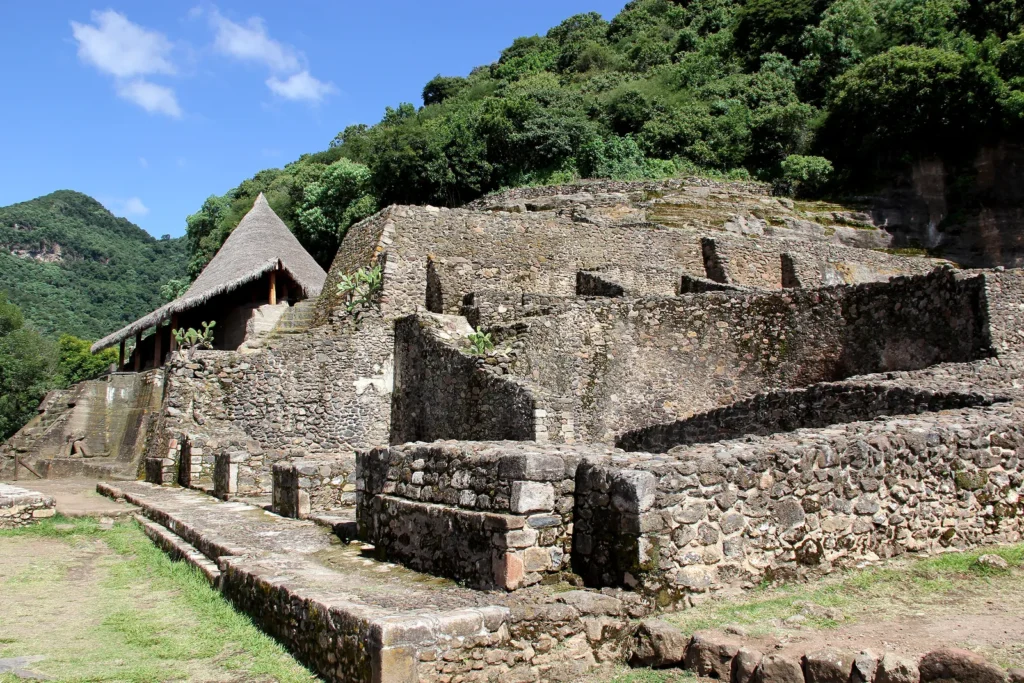
Just two hours from Mexico City yet worlds away in atmosphere, Malinalco is a mountain town that most travelers skip—and that’s exactly what keeps it magical. This pueblo mágico combines stunning archaeological significance with vibrant contemporary Mexican culture, creating one of the most rewarding hidden gems Mexico offers to culturally curious travelers.
The archaeological zone perched on the mountainside above town is extraordinary and unique. The Templo de los Guerreros Águila y Jaguar is one of only two known temples carved directly into living rock in the Americas. Climbing the 426 steps to reach it feels like a pilgrimage, and standing inside the circular temple, you can almost feel the weight of Aztec warrior initiation ceremonies that took place here. The site receives relatively few visitors, making it possible to sit quietly and absorb the powerful energy of this sacred space.
But Malinalco’s appeal extends far beyond ruins. The town itself is a charming maze of cobblestone streets, colorful colonial buildings, and welcoming plazas. Local markets overflow with fresh produce, artisanal cheeses, and traditional sweets. The town has attracted artists and wellness practitioners, adding a creative, holistic vibe while maintaining its authentic Mexican character. Stay at a locally-owned boutique hotel where the owner might share stories over breakfast, or rent a room from a local family and experience daily life firsthand.
The surrounding mountains offer adventures ranging from rappelling down waterfalls to hiking through pine forests with spectacular valley views. Mountain biking trails wind through countryside where you’ll encounter more cowboys herding cattle than other tourists. The town’s restaurants serve traditional Mexican cuisine with pride try the barbacoa (slow-cooked lamb) prepared in underground pits using pre-Hispanic techniques, or the local mole that families prepare for special occasions. Malinalco offers that rare combination of profound historical significance, natural beauty, and living culture that makes exploring lesser known places in Mexico so rewarding.
Comala: Sipping Through Colonialism in Coffee Country
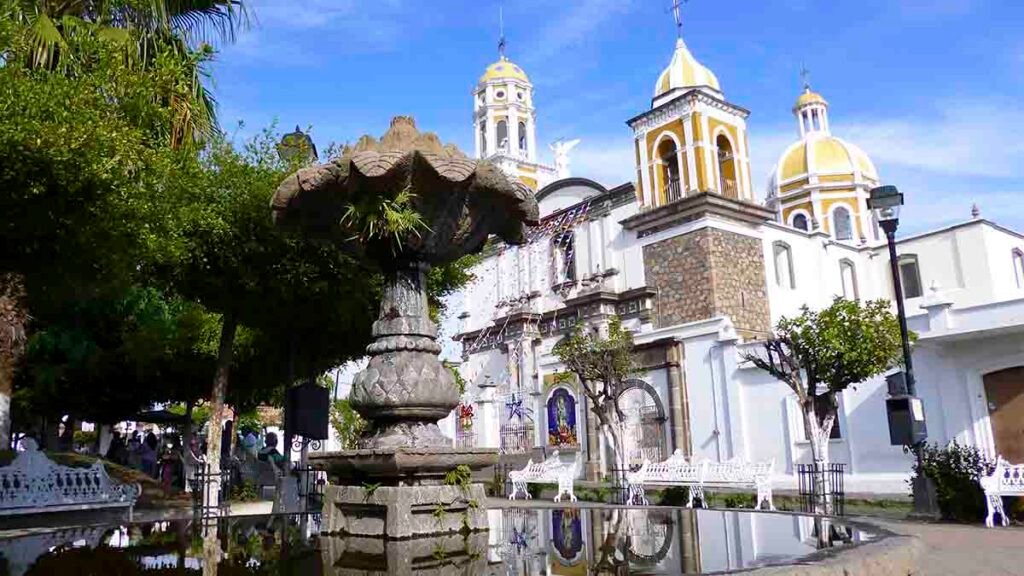
At the foot of the Volcán de Colima, the white-washed town of Comala seems plucked from a Gabriel García Márquez novel. Known as the “White Village of America” for its uniform whitewashed buildings with red-tile roofs, Comala is famous throughout Mexico for its coffee and for ponche, a spiked fruit punch served in earthenware mugs at the many establishments surrounding the town square.
What makes Comala special among Mexico’s lesser known places is how it embodies small-town Mexican life at its most authentic. The town hasn’t been discovered by international tourism, so it remains a destination for Mexicans escaping the city, giving it a genuine rather than performed atmosphere. Every weekend, families gather in the plaza to chat, children run freely, and mariachi bands stroll from table to table.
The surrounding region produces some of Mexico’s finest coffee, and visiting the local coffee plantations offers insights into the bean-to-cup process. Tour haciendas where coffee has been grown using traditional methods for over a century, learning how altitude and volcanic soil create coffee with distinctive flavor profiles. Many plantations welcome visitors for tastings, and you can purchase beans roasted that morning far superior to anything you’ll find in tourist shops elsewhere.
Beyond coffee, Comala serves as a gateway to natural wonders. The nearby Volcán de Colima is one of North America’s most active volcanoes (view it safely from town and designated observation points). Laguna La María offers swimming and kayaking in a pristine crater lake. The region’s countryside is dotted with pre-Hispanic archaeological sites that archaeologists are still studying imagine having ancient ruins nearly to yourself.
But perhaps Comala’s greatest pleasure is simply sitting in the plaza with a ponche, watching Mexican life unfold around you. Chat with locals who’ll proudly share stories about their town. Sample regional dishes like sopitos (thick tortillas topped with meat and salsa) and tatemado (spiced pork stew). This is Mexico as Mexicans experience it unhurried, welcoming, and deeply satisfying.
Conclusion: The Real Mexico Awaits Beyond the Brochure
These lesser known places in Mexico offer something increasingly rare in our interconnected world: the opportunity to experience authentic culture and genuine human connection. They’re not undiscovered—local Mexicans know and love these places—but they remain blissfully free from the mass tourism that transforms destinations into caricatures of themselves.
Traveling to these hidden gems Mexico offers requires slightly more effort than booking an all-inclusive resort. You might need to brush up on Spanish, be flexible when plans change, and embrace uncertainty. But that’s exactly what makes authentic Mexico travel so rewarding. These are places where you’re a guest, not a consumer; where interactions feel like cultural exchange rather than transactions; where you return home with stories rather than just photos.
The secret places Mexico holds aren’t secrets because they’re inaccessible or unwelcoming. They’re secrets because mass tourism hasn’t homogenized them yet. By choosing to explore off the beaten path Mexico, you’re not just treating yourself to richer travel experiences you’re supporting local communities who’ve maintained their traditions and authenticity despite globalization’s pressures.
So close the guidebook, step away from the tourist trail, and venture into Mexico’s magical corners where real life still happens. Whether you’re sipping coffee in Comala’s plaza, watching sunset paint Bacalar’s lagoon in impossible colors, or standing in an ancient temple carved from mountain stone in Malinalco, you’ll discover what makes Mexico truly extraordinary. These experiences can’t be packaged or commodified they can only be lived, one authentic moment at a time.
The real Mexico is waiting for you. All you have to do is look beyond the brochure.