Machu Picchu deserves its fame, but it is only the beginning of an unforgettable Peru itinerary. Beyond the Inca citadel, Peru offers Lima’s world-class food scene, Arequipa’s white volcanic-stone architecture, soaring condors in Colca Canyon, Lake Titicaca’s island communities, and wildlife-rich Amazon rainforest.
This Peru travel guide beyond Machu Picchu helps you plan a longer, more rewarding trip. Discover where to go, how long to stay, what to budget, and how to combine Peru’s most memorable destinations into one itinerary.
TrotRadar Tip: Machu Picchu permits sell out weeks ahead in peak season. Book your Machu Picchu entry permit (through the official Gobierno Regional de Cusco website) before booking accommodation in Cusco, and before booking anything else in Peru. The permit is the logistical anchor of the itinerary — everything else builds around it. Browse TrotRadar’s Peru travel packages — we feature permit-inclusive Machu Picchu circuits and Colca Canyon tour combinations.
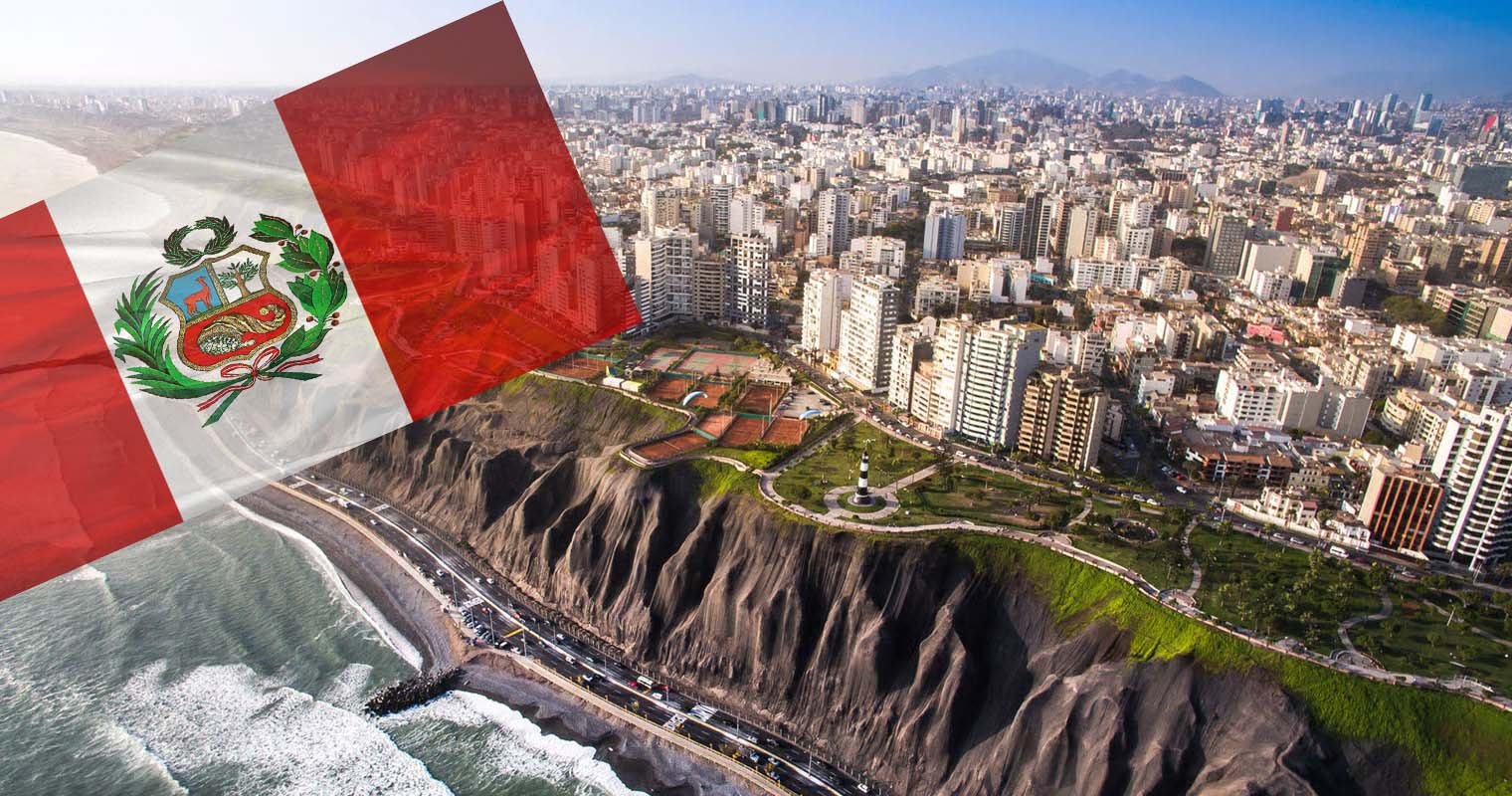
Lima: The Food Capital That Most Travelers Rush Through
Most travelers give Lima the transit night and move on. TrotRadar recommends three full days, specifically because Lima has become one of the most important food cities in the world — and because the city’s cultural and architectural depth is consistently underestimated by travelers arriving on the Machu Picchu mental track.
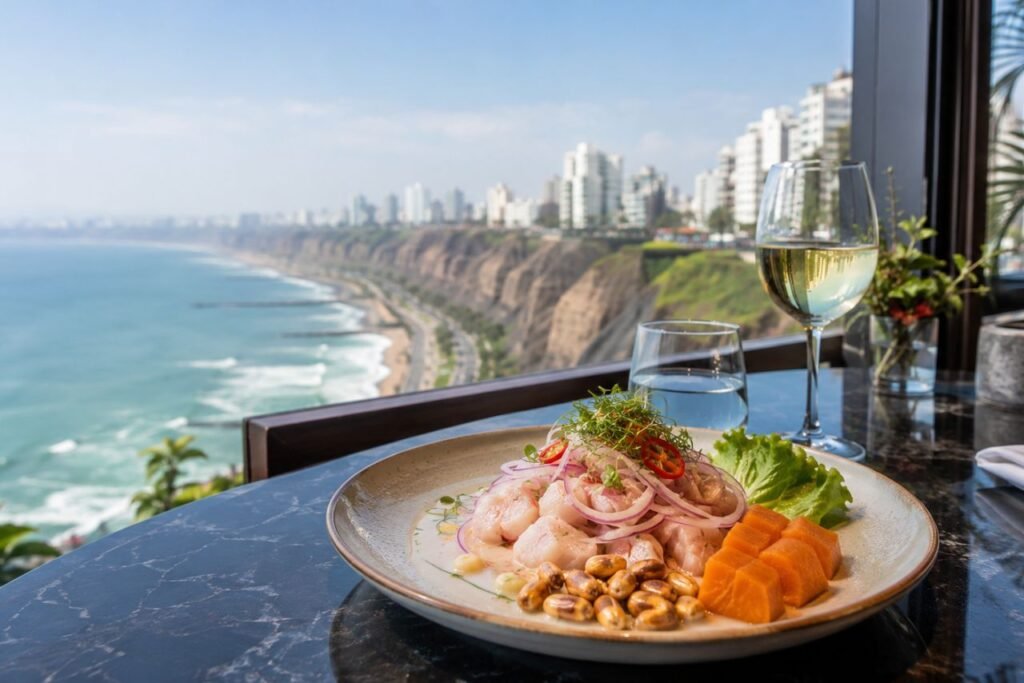
The Lima food revolution — driven by chefs like Gastón Acurio and Virgilio Martínez, who built global reputations from Peru’s extraordinarily diverse ecological and ingredient base — has produced a restaurant culture that ranges from street market cevicherías (fresh ceviche, leche de tigre, and tiradito for $3–6 per dish) to Central and Maido (consistently in the World’s 50 Best Restaurants list). The Miraflores and Barranco districts contain the highest concentration of excellent mid-range restaurants TrotRadar has found in any Latin American city.
TrotRadar’s Lima food priorities:
- Ceviche at a morning cevichería: The correct ceviche hour is 11 AM–2 PM — cevicherías close after the lunch service. La Mar in Miraflores is TrotRadar’s mid-range recommendation; the markets around Mercado de Surquillo have excellent ceviche stalls from $3–5
- Anticuchos de corazón: Grilled beef heart on a skewer — the Lima street food that most visitors approach with hesitation and leave ordering a second. Available from evening cart vendors in Miraflores from approximately $1.50 per skewer
- Causa: Cold potato terrine layered with tuna or avocado — a pre-Columbian dish in contemporary preparation. Available at virtually every restaurant from $4–8 per portion
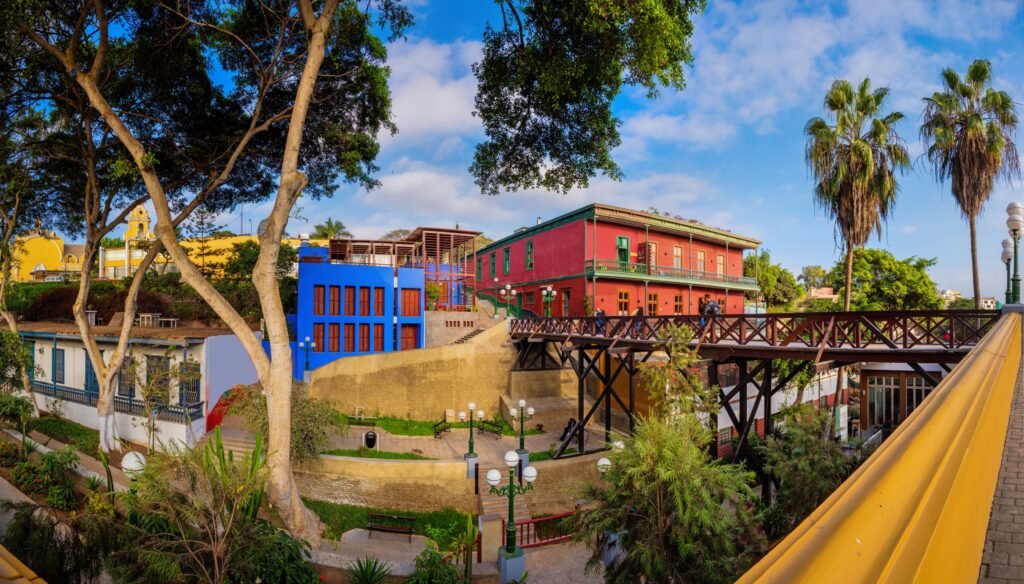
Lima beyond food: The Larco Museum — a private collection of pre-Columbian art in a converted 18th-century viceregal mansion — is TrotRadar’s strongest museum recommendation in Peru: the gold and silver collections, the extraordinary Moche ceramics (including the famous “erotic ceramics” gallery that documents pre-Columbian sexuality with remarkable frankness), and the garden of the mansion itself. Entry: approximately $15 USD. The Barranco neighborhood — Lima’s bohemian arts district, a 20-minute taxi from Miraflores — is the best walking area in the city.
TrotRadar Lima daily budget: $45–80 USD/day
Arequipa: The White City at the Foot of Three Volcanoes
Arequipa — Peru’s second city, at 2,335 metres in the shadow of three volcanoes (Misti, Chachani, Picchu Picchu), its historic center built from the local white sillar volcanic stone that gives the city its nickname “La Ciudad Blanca” — is TrotRadar’s strongest recommendation for travelers extending Peru beyond the Cusco-Lima axis. Two to three days in Arequipa followed by the Colca Canyon circuit forms the finest southern Peru extension of any itinerary.
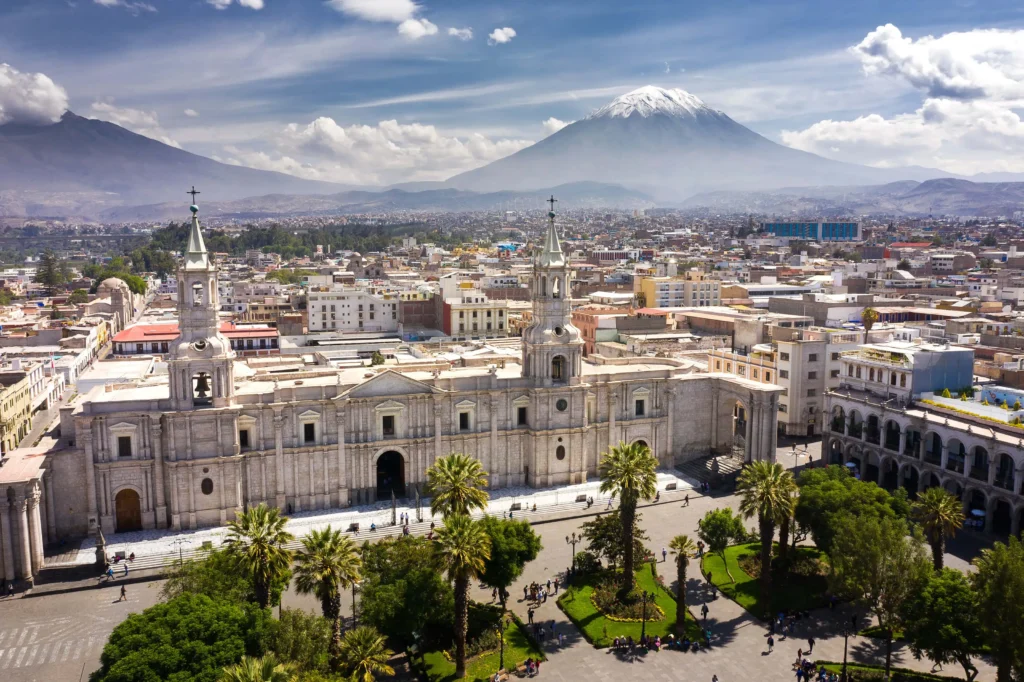
The Monasterio de Santa Catalina — a convent founded in 1580 and closed to outsiders until 1970 — is the finest single site in Arequipa and TrotRadar’s strongest Peru heritage recommendation outside Machu Picchu: a city within a city, 20,000 square metres of cobblestone streets, painted walls (ochre, geranium red, indigo blue), cloisters, churches, and domestic spaces that accumulated over four centuries of enclosed religious life before the nuns gradually moved to a smaller section and the rest opened to visitors. Entry: approximately $12 USD. Budget 3–4 hours minimum.

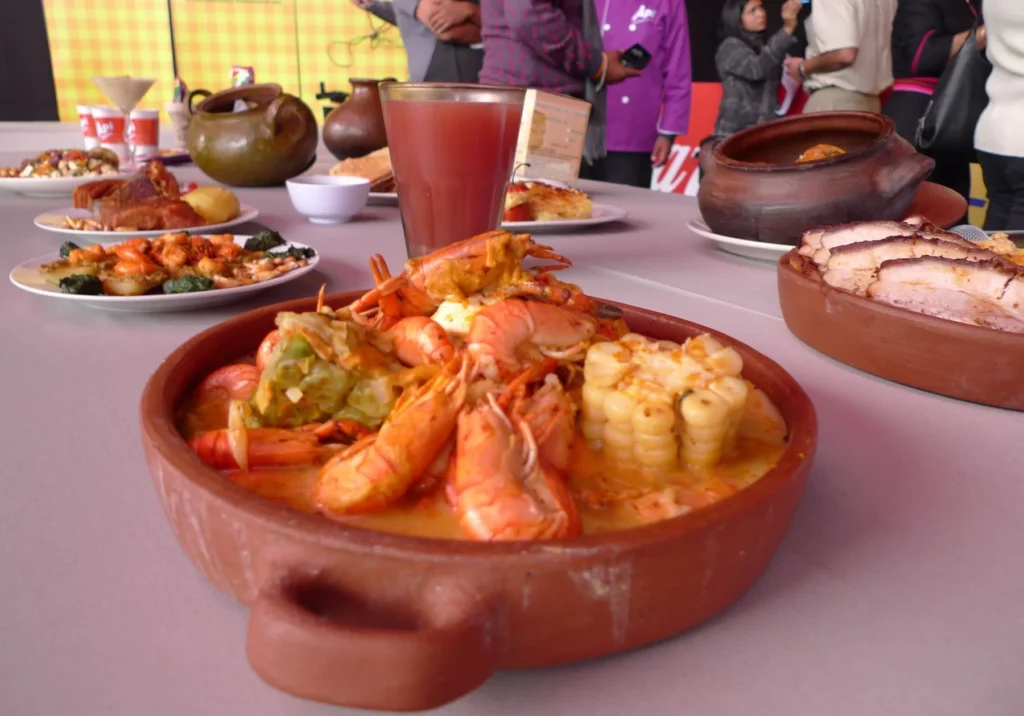
Arequipa’s food culture is the finest in Peru outside Lima — the city’s elevation, local agricultural products, and specific colonial culinary tradition produce dishes like ocopa (potato in a creamy walnut-cheese-chilli sauce), rocoto relleno (stuffed hot pepper — genuinely very hot, very Arequipan), and the picanterías tradition (lunch restaurants that have served the same dishes from the same recipes for generations, many now designated intangible cultural heritage by Peru).
TrotRadar Arequipa daily budget: $35–60 USD/day
Colca Canyon: The Condor Amphitheatre
The Colca Canyon — 160 km north of Arequipa, the second deepest canyon in the world at 3,270 metres (twice the depth of the Grand Canyon, depending on measurement methodology), with the Andes rising above it to over 6,000 metres — is the natural experience TrotRadar most consistently recommends for Peru travelers who have time beyond Machu Picchu.
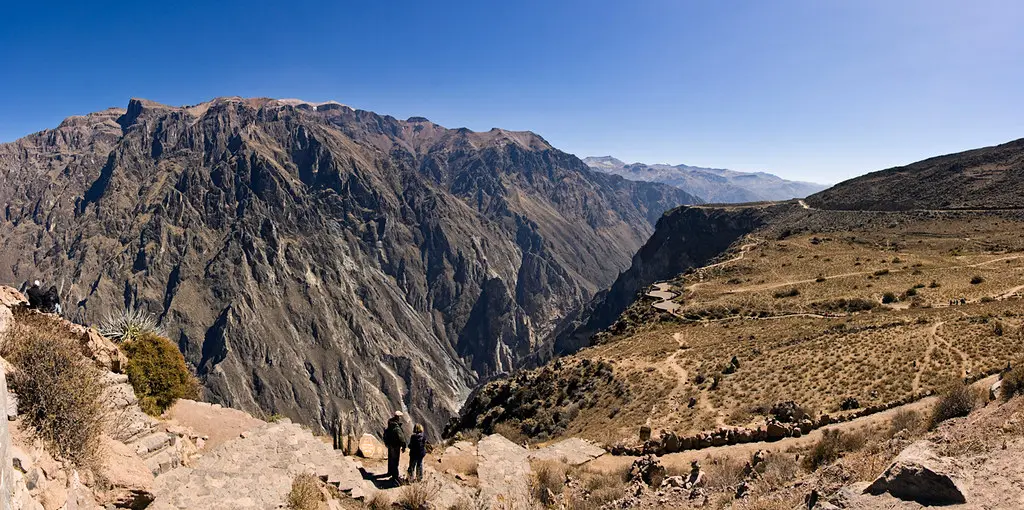
The primary draw is the Cruz del Cóndor — a viewpoint on the canyon rim where Andean condors use the morning thermals to ascend from their nesting sites in the canyon walls. Arriving by 8 AM, condors begin rising from approximately 9 AM; at their wingspan of 3.2 metres (the largest of any flying bird on earth), observed from a viewpoint where they pass within tens of metres, they are genuinely startling in their scale. Most organized tours from Arequipa include this viewpoint on a 2-day/1-night circuit (approximately $40–60 USD per person, accommodation included in Chivay or Cabanaconde).
The canyon itself is one of the finest trekking areas in southern Peru: the Oasis (Sangalle) — a palm-tree lined oasis at the canyon base, reachable via a dramatic descent from the rim at Cabanaconde (3–4 hours down, 5–6 hours back up, or mule return) — provides the canyon floor experience that the rim viewpoints don’t.

Getting to Colca: Organized tours from Arequipa are the most practical access — they handle the transport and accommodation logistics that make independent travel here more complicated. Budget 2 days minimum; 3 is better for trekking into the canyon rather than only seeing the rim.
Lake Titicaca: The Highest Navigable Lake in the World
Lake Titicaca — at 3,812 metres the highest navigable lake in the world, shared between Peru and Bolivia, 190 km long and 80 km wide — is a destination that should logically appear in any Peru itinerary that includes Cusco (6 hours south by bus or the spectacular Andean Explorer train).
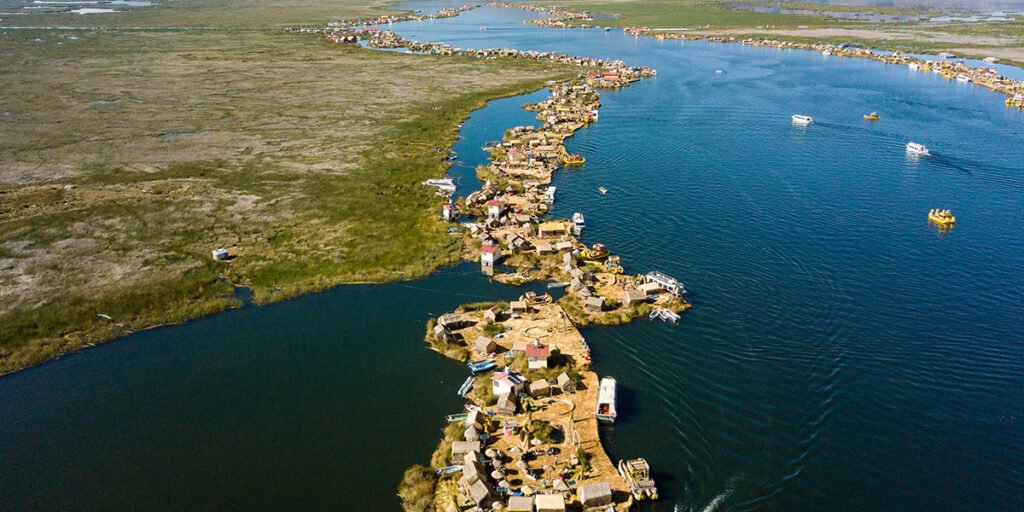
The Uros floating islands — reed platforms constructed and inhabited by the Uros people on the lake surface, each island home to several families, the entire construction regularly replenished as the bottom layer of reed decomposes — are the most visited attraction and one of those destinations where the photographs haven’t oversold the experience. Tours from Puno to the floating islands: approximately $5–10 USD by local boat. The organized tourist circuit visits several islands in 2–3 hours; a private boat hire allows a more genuine and less choreographed visit.
Amantaní and Taquile islands — natural (not floating) islands further into the lake, reachable by 3–4 hour boat from Puno — provide the more immersive Titicaca experience: overnight homestays with island families, traditional weaving demonstrations (Taquile’s weaving tradition is UNESCO Intangible Cultural Heritage), and lake views without the tourist infrastructure of the mainland. TrotRadar considers this the superior Titicaca experience for travelers with an extra day.

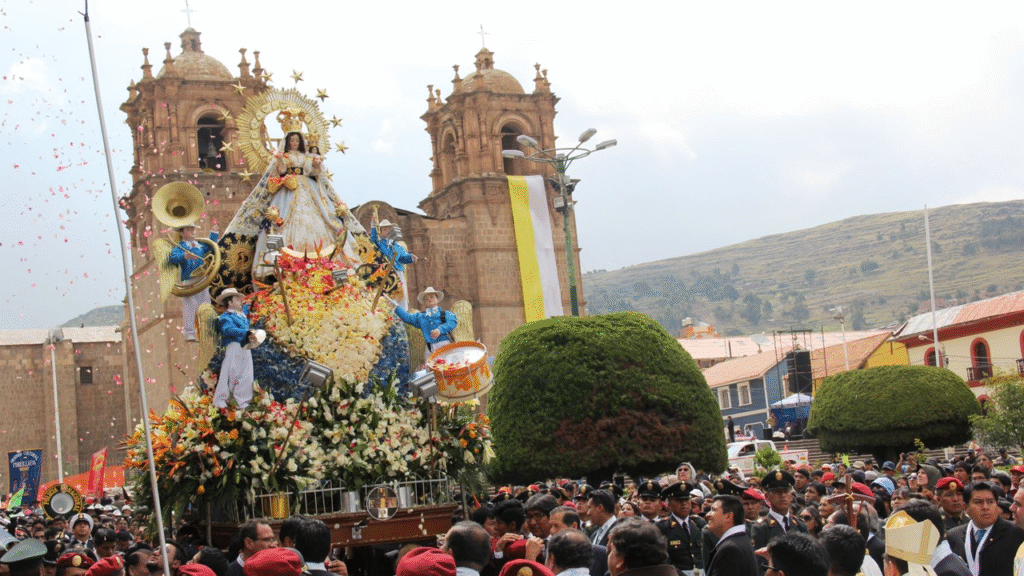
Puno — the gateway city — is functional rather than beautiful, but its folk culture calendar is extraordinary: the Candelaria Festival (February, approximately 40 days of music and dance involving thousands of performers from across the altiplano) is one of the finest folk festivals in South America and worth planning a February Peru trip around specifically.
TrotRadar Puno/Lake Titicaca daily budget: $30–55 USD/day
For the Bolivia connection — continuing from Titicaca to La Paz and the Uyuni salt flat — read TrotRadar’s South America hidden gems guide. And for the complete South America circuit planning, our South America first-timer guide covers how Peru fits into broader continental itineraries.
The Amazon from Peru: Manu and Tambopata
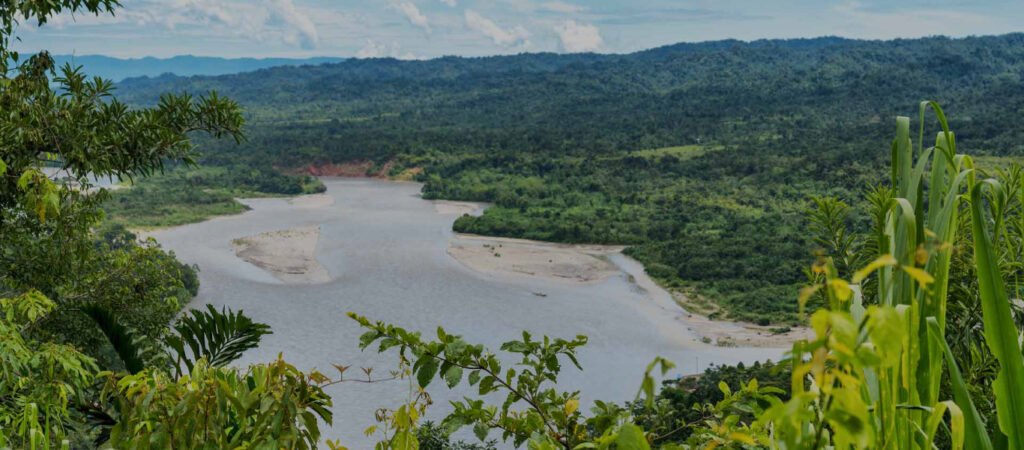
The Amazon receives extensive South America coverage but the southern Peru Amazon — accessible from Cusco — is the specific sector TrotRadar recommends for wildlife density and access quality. The Manu National Park and Tambopata National Reserve are two of the world’s most biodiverse protected areas: over 1,000 bird species, 200 mammal species, and an extraordinary insect and plant diversity reflecting the transition from highland cloud forest to lowland Amazon in a compressed altitudinal range.
Tambopata is the more accessible and more affordable option — a 30-minute flight from Cusco to Puerto Maldonado, then 1–2 hours by boat to jungle lodges on the Tambopata River. Lodge rates: approximately $150–300/day all-inclusive, covering accommodation, meals, and guided wildlife walks and boat excursions. Reliable wildlife highlights: macaw clay lick (hundreds of macaws descend to a riverbank clay deposit to eat minerals — one of the most extraordinary wildlife spectacles available in South America), giant otters, caimans, howler monkeys, and exceptional birding.

Manu is more remote and more expensive (multi-day expedition by 4WD and river from Cusco, approximately $300–500/day) but represents the finest accessible Amazon wildlife experience in South America — the lower visitor numbers and greater wilderness area produce wildlife encounter quality that Tambopata’s more accessible circuit can’t consistently match. For travelers with the budget and the time, TrotRadar considers it the finest option.
Practical Peru Travel Tips
Visas: Most nationalities enter visa-free for 90 days. US, EU, UK, Canadian, Australian nationals can all enter without advance visa at the port of entry. Check current requirements for your specific nationality.
Altitude acclimatisation: Cusco (3,400 m) and Puno (3,812 m) require genuine altitude attention — arrive a day early before any strenuous activity, hydrate aggressively, consider acetazolamide (Diamox) from a travel health clinic. Altitude sickness (soroche) is common and usually passes within 24–48 hours; descend if severe symptoms develop.
Currency: Peruvian Sol (PEN). Approximately 4 PEN per USD. Widely available at ATMs in major cities; carry some cash for markets and smaller towns.
TrotRadar Peru overall daily budget:
- Budget: $35–55 USD/day (Lima higher; Cusco area similar; small Andean towns lower)
- Mid-range: $60–100 USD/day
- Amazon lodge: $150–300/day all-inclusive — treat as a separate fixed cost
- Machu Picchu permit: approximately $55–80 USD — treat as a fixed trip cost
The TrotRadar Verdict on Peru Beyond Machu Picchu
The Peru travel guide beyond Machu Picchu conclusion is that the Inca citadel is the beginning of Peru rather than the destination. The country that surrounds it — Lima’s culinary revolution, Arequipa’s volcanic stone architecture, the condors above Colca, the floating reed islands of Titicaca, the macaw clay lick in Tambopata — adds up to one of the richest travel experiences available on any continent at any budget level. Three weeks barely explores it. TrotRadar recommends you go back.
Find Your Peru Travel Deal
TrotRadar features Peru circuits with Machu Picchu permit handling, Colca Canyon tour combinations, Amazon lodge packages, and Lima-to-Cusco flight deals. The country beyond the Inca Trail is extraordinary — let us help you plan it. Browse TrotRadar’s Peru travel offers →