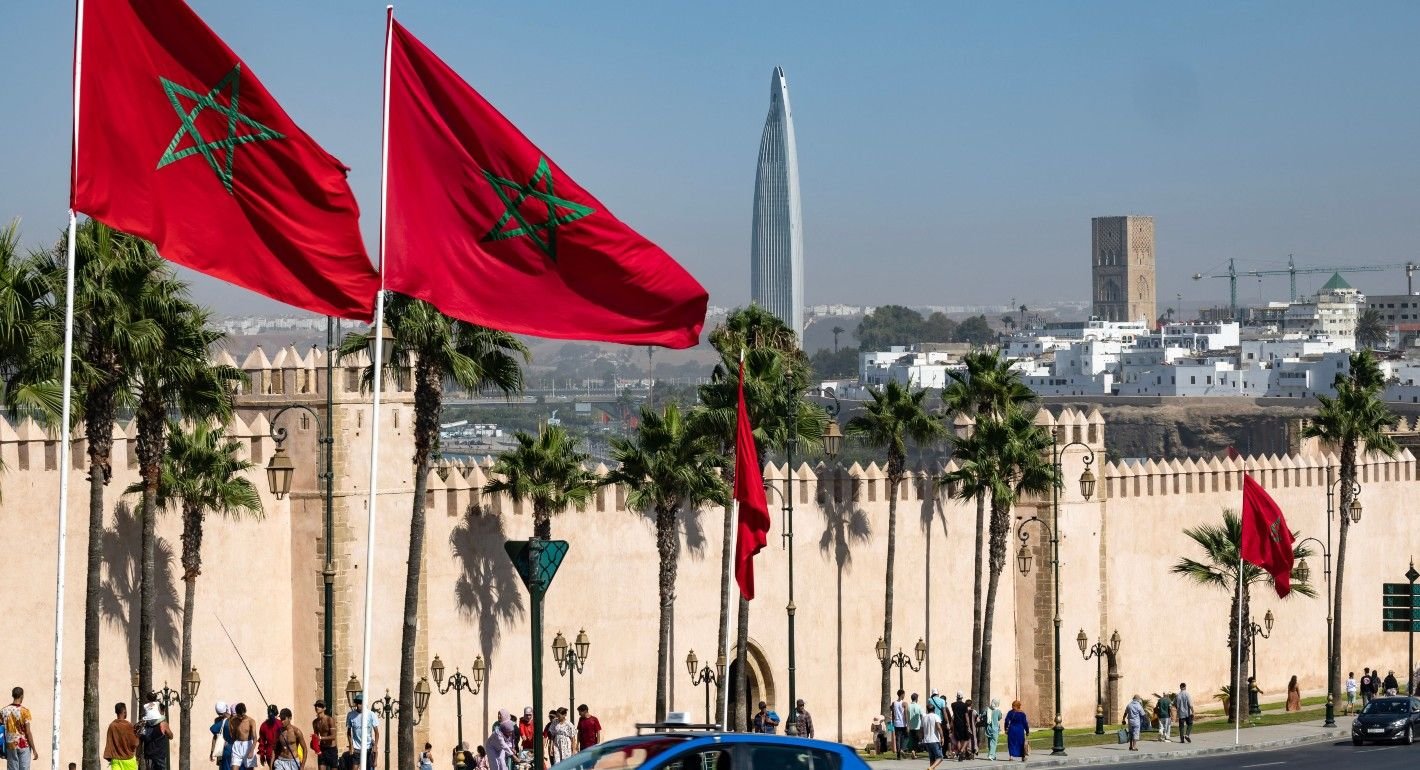
I’ll never forget the moment I realized I’d found the real Morocco. It wasn’t in a bustling square surrounded by tour groups, but in a small mountain village where an elderly Berber woman invited me into her home for mint tea, teaching me to pour it from impossible heights while her grandchildren giggled at my clumsy attempts. That moment of genuine connection, of being welcomed into someone’s daily life rather than performing in a tourist transaction, changed everything about how I experience this magnificent country.
If you’re planning a trip to the authentic Morocco, you’re probably tired of seeing the same overcrowded attractions in every travel guide. You want to experience the Morocco that exists beyond the Instagram filters and tourist circuits the one where life unfolds at its own rhythm, where traditions remain unpolished by commercial tourism, and where every interaction feels real rather than rehearsed.
This guide will take you to seven remarkable destinations where authentic Morocco travel isn’t just possible it’s inevitable. These are places where you’ll share meals with families, learn ancient crafts from master artisans, and discover landscapes that take your breath away precisely because they haven’t been manicured for visitors. Let’s explore the Morocco that locals know and love.
Chefchaouen’s Mountain Villages: Beyond the Blue City
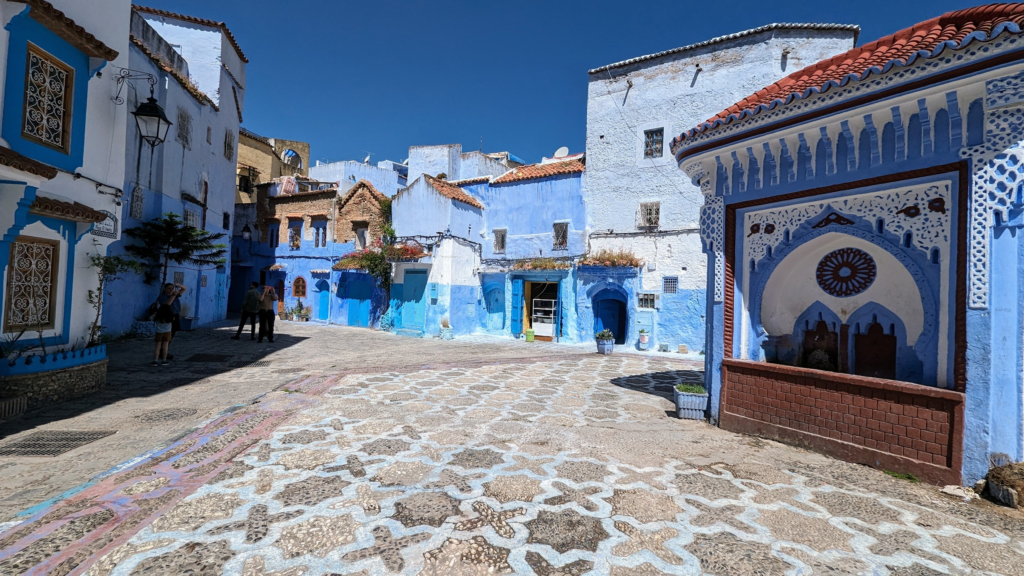
While Chefchaouen itself has become increasingly popular, the surrounding Rif Mountain villages remain beautifully untouched. Trek just an hour outside the blue-washed medina, and you’ll find yourself in communities like Akchour and God’s Bridge, where life continues much as it has for centuries.
In these villages, you’ll encounter shepherds guiding their flocks along mountain paths, women weaving traditional textiles on looms set up in doorways, and children who are genuinely curious about visitors rather than selling them souvenirs. The hiking here is spectacular waterfalls cascade through limestone gorges, and the views stretch across layers of blue-green mountains toward the Mediterranean.
What makes this authentic Morocco travel at its finest is the homestay experience. Local families open their homes to visitors, serving tagines made with vegetables from their gardens and telling stories about mountain life while you sit on hand-woven cushions. You’re not a customer here; you’re a guest, and the distinction matters profoundly.
Tafraout: The Pink Granite Wonderland of the Anti-Atlas
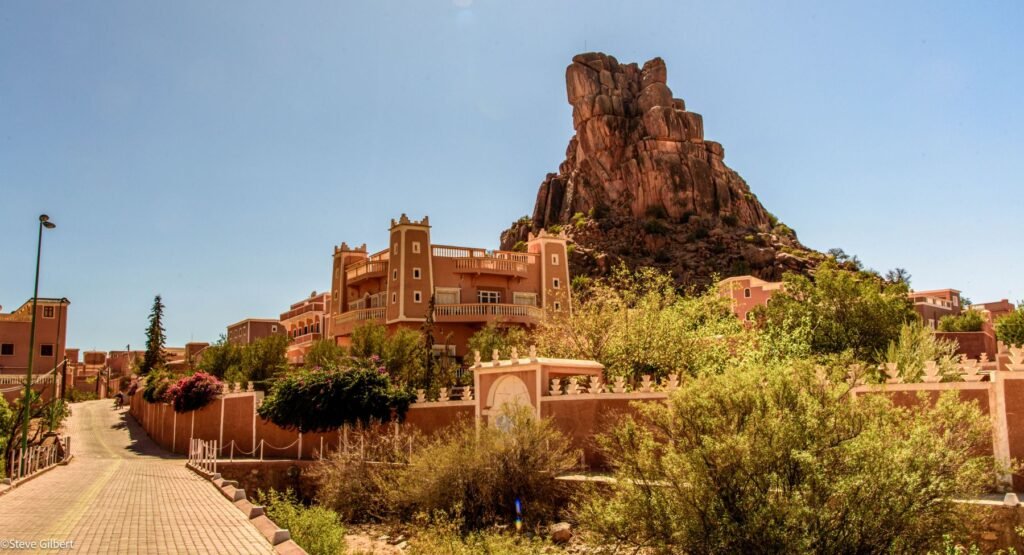
Nestled in the Anti-Atlas Mountains, Tafraout feels like Morocco’s best-kept secret. This small Berber town sits among some of the most surreal landscapes I’ve ever encountered massive pink granite boulders scattered across almond valleys like a giant’s playground. During February and March, the almond blossoms transform the entire region into a sea of white and pink flowers.
The authentic Morocco experience here centers on the weekly souk, where Berber traders from surrounding villages gather to sell everything from saffron and argan oil to hand-carved wooden utensils. Unlike tourist markets, this is where locals actually shop, haggling in Tashelhit (the local Berber language) over the price of chickens and dates.
Stay in a traditional guesthouse run by a local family, and you’ll likely be invited to help prepare meals, learning how to make amlou (the divine almond-argan-honey spread) or shape msemen flatbreads. The nights here are magical some of the clearest stargazing in Morocco, with the Milky Way stretching across the sky like a luminous river.
Skoura: Living History in the Valley of Kasbahs
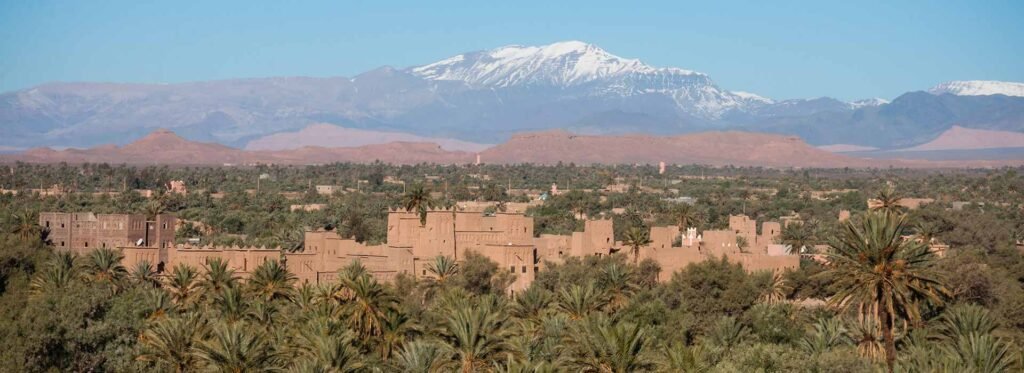
The Skoura palm grove, located between the Atlas Mountains and the Sahara, contains more kasbahs and fortified villages than anywhere else in Morocco. But unlike the more famous Ait Benhaddou, Skoura’s kasbahs are largely inhabited, with families still living in these earthen fortresses their ancestors built centuries ago.
Walking through the palm groves feels like stepping into another era. Mud-brick irrigation channels called khettaras still water the gardens, farmers harvest dates using methods unchanged for generations, and children play among rose bushes that perfume the entire valley. This is one of Morocco’s rose-growing regions, and if you visit in May during the rose harvest, you’ll witness the entire community engaged in collecting petals for rose water production.
The authentic cultural immersion here comes from staying in a traditional kasbah converted into a small guesthouse. Your host might take you to meet local artisans the blacksmith forging agricultural tools, the potter shaping tagine dishes on a kick wheel, or the basket weavers creating intricate patterns from palm fronds. These aren’t demonstrations for tourists; they’re craftspeople practicing their trade, happy to share their knowledge with genuinely interested visitors.
Moulay Idriss Zerhoun: Morocco’s Holiest Town Opens Its Doors
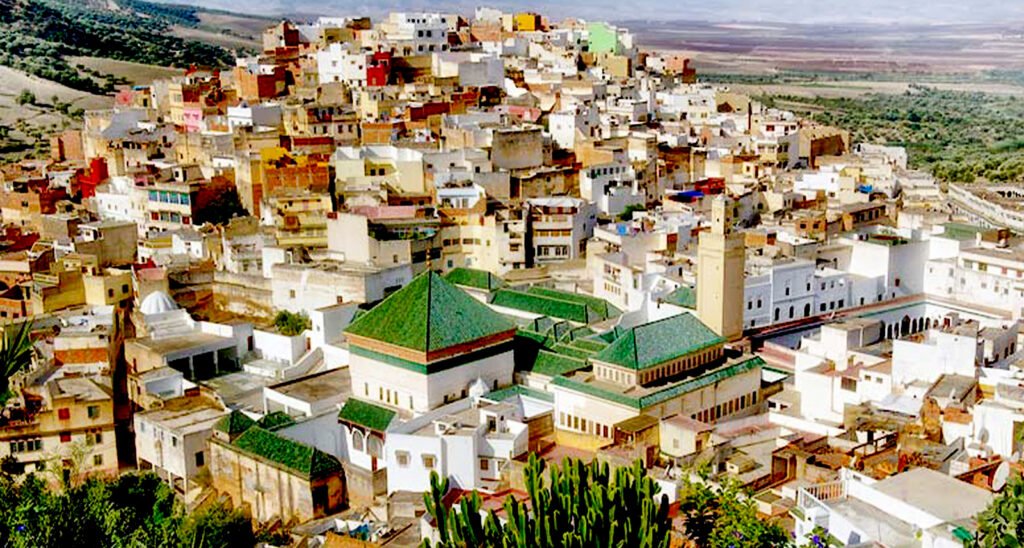
Perched on two hills in the foothills of Mount Zerhoun, Moulay Idriss is Morocco’s holiest town, named after the great-grandson of the Prophet Muhammad who brought Islam to Morocco in the 8th century. Until recently, non-Muslims couldn’t stay overnight here, making it one of Morocco’s most authentic destinations precisely because it developed without tourism infrastructure.
Today, a handful of small guesthouses welcome respectful visitors, offering an incredible opportunity to experience a deeply spiritual side of Morocco. The town feels timeless narrow alleys wind between whitewashed houses, the call to prayer echoes from the distinctive cylindrical minaret (the only one in Morocco), and pilgrims visit the shrine year-round.
The authentic Morocco experience here is about observation and respect. Watch elderly men gather in cafes for afternoon tea, women shop at the daily market, and pilgrims complete their spiritual journey. During the annual moussem (religious festival) in August, the town swells with visitors, and the atmosphere becomes electric with celebration. Even as a non-Muslim observer, the spiritual energy is palpable and moving.
Asilah: Where Artists and Fishermen Share the Streets
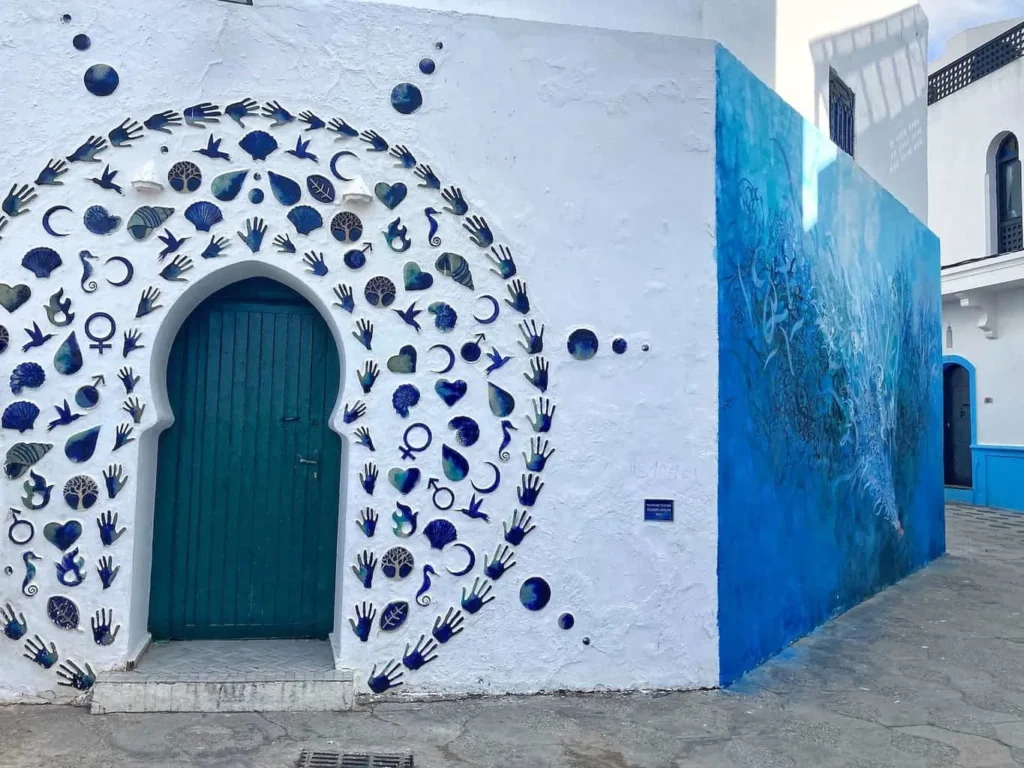
This coastal town, about two hours south of Tangier, offers a refreshing take on authentic Morocco travel. While it attracts Moroccan tourists during summer, it remains relatively unknown to international visitors. Asilah’s medina walls face the Atlantic, and the town has cultivated a reputation as an artists’ haven without becoming overly commercialized.
Every summer, Asilah hosts an international mural festival, and artists transform the medina’s white walls into open-air galleries. But the real charm lies in watching local life unfold: fishermen mending nets along the harbor, selling their catch directly from boats as seagulls wheel overhead. The Portuguese fortifications that ring the old town provide stunning sunset viewpoints, where locals gather each evening to socialize.
Stay in a small riad run by a local family, and you’ll likely be invited to join them for meals or mint tea on the rooftop. They’ll direct you to the beach where Asilah residents swim (away from the main tourist beach), and recommend tiny restaurants where you can eat grilled sardines so fresh they were swimming that morning. This is Morocco at its most relaxed and unpretentious.
Dades Valley: Dramatic Gorges and Berber Hospitality
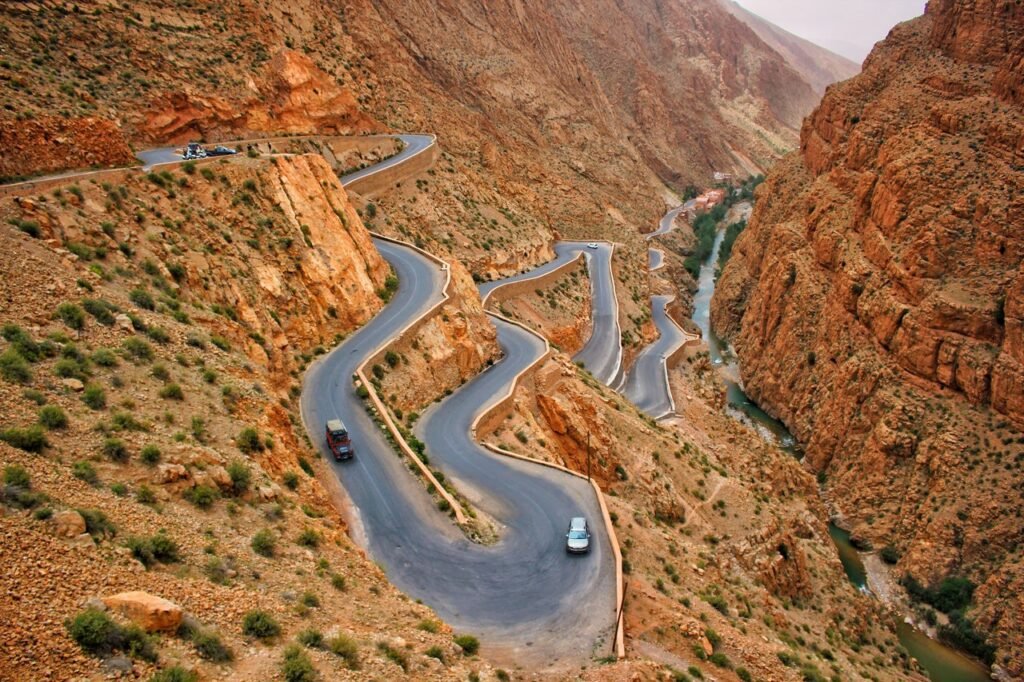
The Dades Valley, carved by the Dades River through the Atlas Mountains, offers some of Morocco’s most dramatic scenery towering rock formations called “monkey fingers,” deep gorges with red-streaked walls, and Berber villages clinging to cliffsides. This is authentic Morocco travel for those who love both natural beauty and cultural immersion.
The valley remains predominantly Berber, and many families continue nomadic traditions, moving their flocks between summer and winter pastures. Stay in a village guesthouse, and your hosts will likely take you to meet their family members the shepherd uncle, the cousin who makes carpets, the grandmother who bakes bread in an outdoor clay oven.
One of my most cherished Morocco memories comes from this valley: helping a family harvest walnuts from trees planted by their great-grandfather, then sitting on cushions in their home while they cracked the nuts and served them with dates and freshly baked bread. No transaction, no performance just genuine Berber hospitality extended to a curious traveler.
Merzouga’s Nomadic Camps: Sahara Beyond the Tour Groups
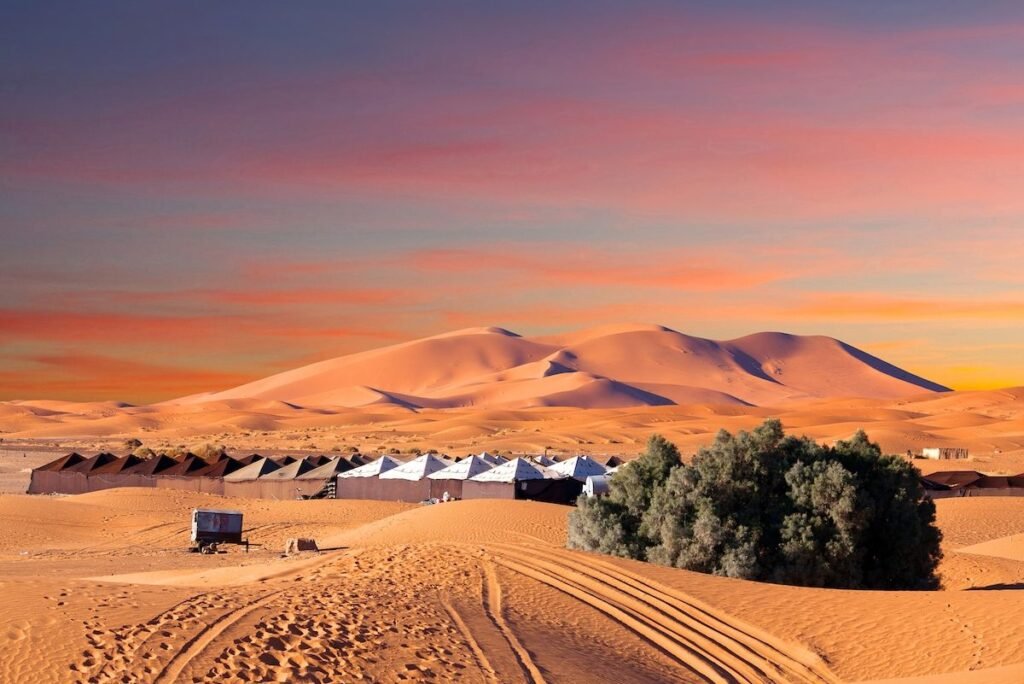
Yes, Merzouga near the Erg Chebbi dunes attracts tourists, but venture deeper into the desert with a local Berber guide, and you’ll discover a completely different experience. Instead of staying in permanent camps designed for tour groups, seek out families who maintain traditional nomadic camps, moving with the seasons and their livestock.
These authentic desert experiences involve sleeping in traditional Berber tents woven from goat hair, learning to make sand bread buried in hot coals, and understanding how nomads read the desert predicting weather from cloud formations, finding water sources, navigating by stars. Your hosts might be a nomadic family who’s spent generations in these dunes, and they’ll share their profound connection to this landscape.
The silence here is overwhelming in the best way. At night, with no light pollution for miles, the desert sky reveals more stars than you knew existed. Your hosts might play traditional Berber music around the campfire, teaching you the rhythms they’ve passed down through generations. This isn’t a desert “experience” packaged for tourists it’s a glimpse into a way of life that’s both ancient and ongoing.
Practical Tips for Your Authentic Morocco Travel Adventure
Learn Basic Phrases: Even a few words in Darija (Moroccan Arabic) or Tashelhit (Berber) create instant connections. “Shukran” (thank you) and “salam alaikum” (peace be upon you) go a long way.
Embrace Slow Travel: Authentic experiences require time. Stay at least 2-3 days in each destination to move past surface interactions and form real connections.
Use Local Transportation: Shared grand taxis and CTM buses put you alongside Moroccans going about their daily lives, unlike private tours that isolate you from local culture.
Eat Where Locals Eat: Skip restaurants with menus in multiple languages. Follow your nose to small eateries serving workers and families the food will be better and infinitely more authentic.
Accept Invitations: When Moroccans invite you for tea, to visit their home, or share a meal, say yes. These moments of hospitality offer the most authentic cultural insights.
Respect Privacy and Customs: Always ask before photographing people, dress modestly especially in rural areas, and observe local customs around prayer times and Ramadan.
Support Local Economies Directly: Buy from artisans rather than middlemen, stay in family-run guesthouses, and hire local guides who grew up in the areas you’re visiting.
Planning Your Journey to Authentic Morocco
A trip to the authentic Morocco requires a different mindset than conventional tourism. You’re not collecting destinations or checking boxes on an itinerary you’re opening yourself to genuine human connections and unscripted experiences. The hidden gems Morocco offers don’t appear on billboards or in glossy brochures. They reveal themselves when you slow down, show respect, and approach each encounter with curiosity and openness.
These seven destinations represent just the beginning of what authentic Morocco travel can offer. Each region has its own character, traditions, and stories to share. The elderly woman who taught me to pour tea, the shepherd who showed me medicinal desert plants, the grandmother who insisted I take home her handmade bread these people and moments form the real treasure of traveling in Morocco.
So pack your sense of adventure, leave your expectations flexible, and prepare to be welcomed into a Morocco that most visitors never discover. The authentic heart of this kingdom beats strongest in its lesser-known corners, where life unfolds naturally and visitors are still treated as honored guests rather than revenue streams.
Your authentic Morocco experience is waiting not in the tourist hotspots, but in the spaces between, where genuine connections happen and every day brings unexpected magic.