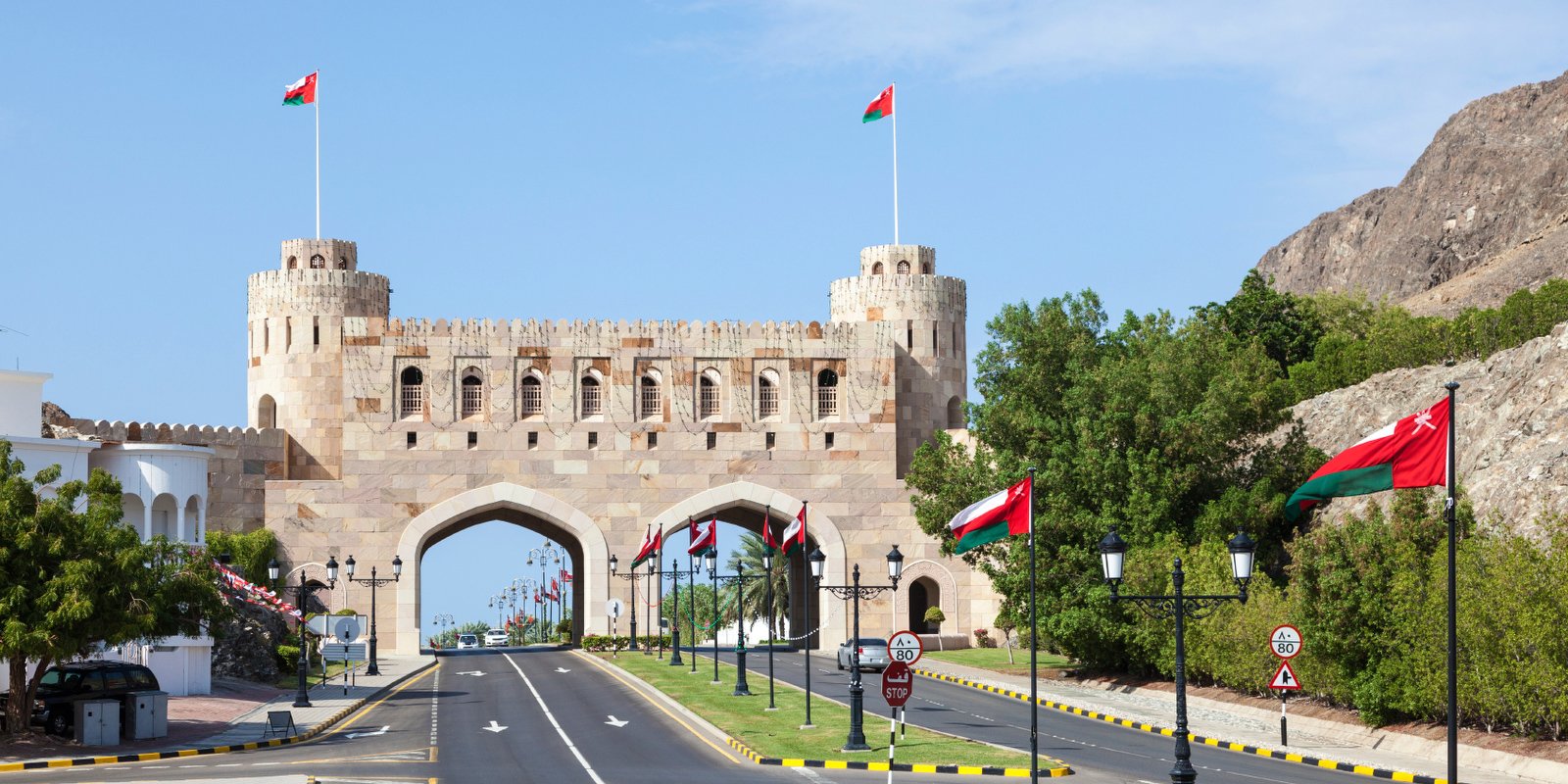
Welcome to the ultimate Oman travel guide. The Middle East doesn’t lack destinations with dramatic landscapes and ancient culture. However, Oman is different. It’s a country where every promise is kept. For instance, the infrastructure is excellent — yet the character remains intact. Solo travelers, couples, and families all move through Oman comfortably. Furthermore, no organized tours are needed. The gap between expectations and reality closes firmly in Oman’s favor.
Oman is that destination. At TrotRadar, it consistently ranks near the top of our Middle East picks. It’s not that Oman is underrated — experienced travelers know it well. The reason is simpler: it overdelivers on every criterion. Landscape variety, cultural authenticity, safety, food — Oman excels at all of them. And it offers a rare quality: feeling genuinely welcome, not merely tolerated as a revenue source.
This Oman travel guide covers the full arc of what the country contains. Specifically, it spans from the Musandam fjords in the north to the Empty Quarter sand dunes in the south.
TrotRadar Tip: Oman is best explored with a rental car. A 4WD is required for wadi driving and desert access. Moreover, it’s worth the premium over a standard vehicle. You’ll need it to reach Oman’s most extraordinary landscapes. In addition, book well in advance in peak season (October–March). Browse TrotRadar’s current Oman car hire and flight deals — we feature packages from Muscat with flexible pickup options.
Oman Travel Guide: Why Oman Works So Well as a Destination
What makes Oman distinct from its Gulf neighbours? It’s what Oman has chosen not to become. Specifically, the country modernised its infrastructure — roads, airports, accommodation — without copying the Dubai model. As a result, no hyper-developed luxury resorts appeared. The character was preserved.
The result is striking. For example, drive 90 minutes from the capital and you can be alone in a canyon of red rock and clear water. Additionally, the traditional weekly market in Nizwa still functions as a real market. Furthermore, a night in the Wahiba Sands desert camp offers genuine silence — not a curated version of it.
In terms of safety, Oman holds the highest rating in the Arabian Peninsula. In fact, global indices consistently rank it among the world’s safest countries. Moreover, solo female travelers report very positive experiences. Harassment is uncommon and genuinely socially disapproved of in local culture.
Oman Travel Guide —Muscat: The Capital That Earns More Than One Day
Most travelers treat Muscat as a transit point — a night before or after a desert circuit. However, TrotRadar recommends at least two full days. In fact, the capital contains far more than the standard Gulf city template.
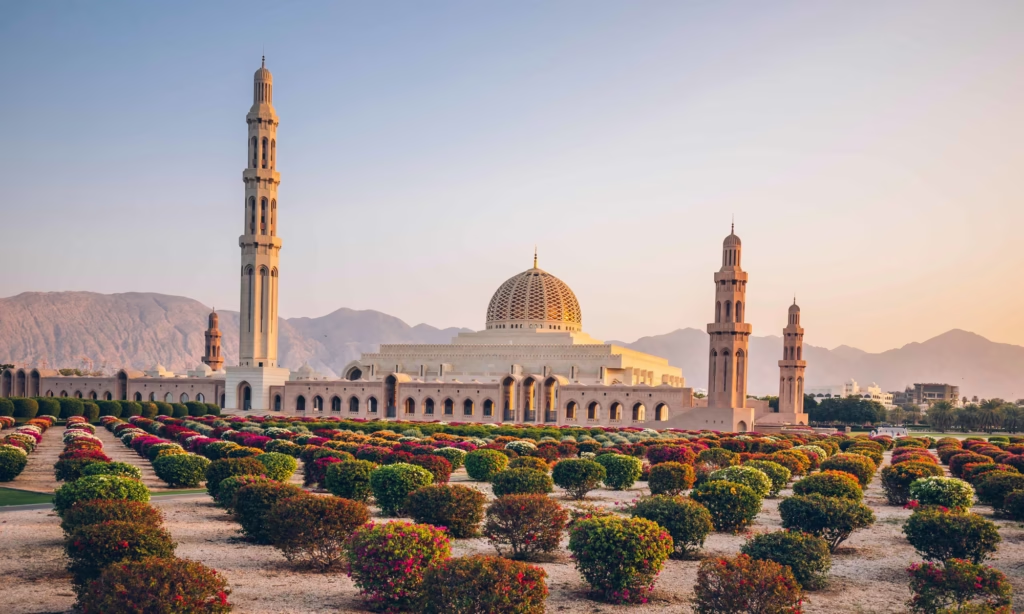
Sultan Qaboos Grand Mosque Built over six years and completed in 2001, it accommodates 20,000 worshippers. Additionally, it contains the world’s second-largest hand-woven Persian carpet — covering 4,343 square meters of the main prayer hall. The chandelier alone took four years to produce. Importantly, the mosque is open to non-Muslim visitors Saturday through Thursday mornings (8 AM–11 AM). Modest dress is required. Specifically, the mosque provides abayas for women at the entrance.
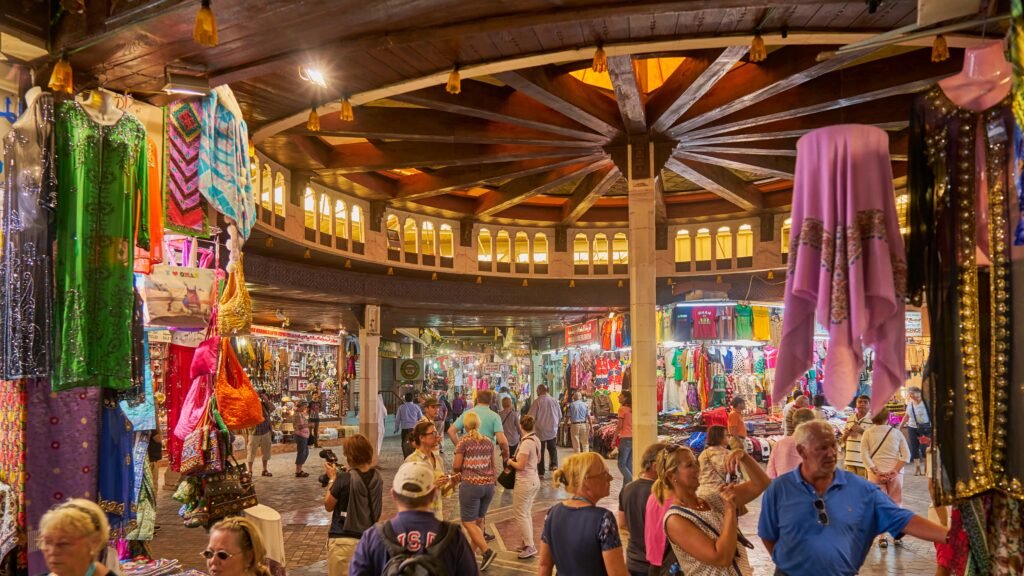
The Mutrah Souq is one of the oldest covered markets in the Gulf. In contrast to modern malls, it’s an actual functioning market. For example, frankincense, silver khanjar daggers, Omani coffee pots, and spices are sold here. Most buyers are Omanis, not tourists. As a result, the smell of oud and frankincense is omnipresent. Spend two hours here and you’ll understand more about Omani material culture than any museum can convey.
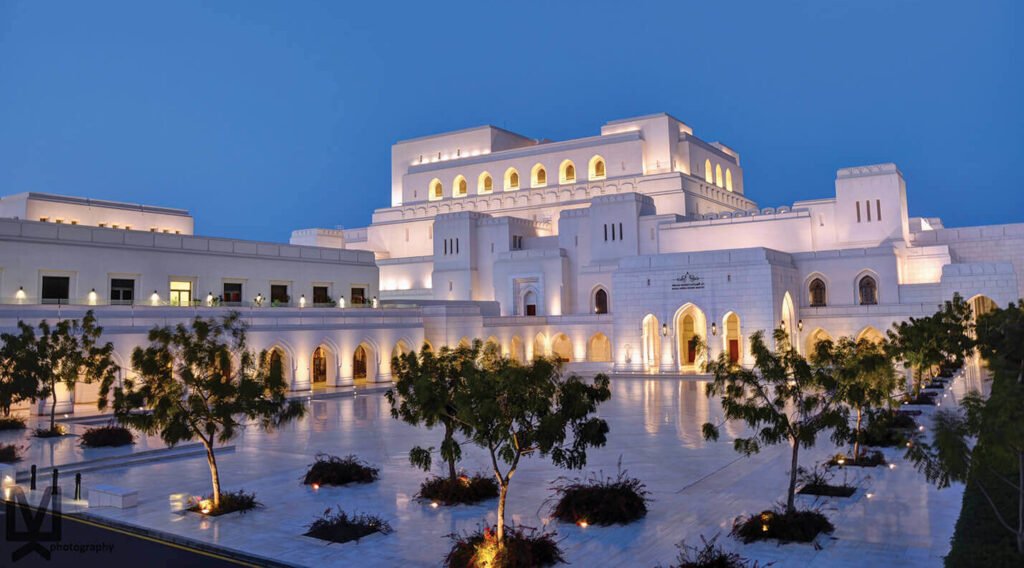
The Royal Opera House Muscat opened in 2011. Furthermore, it is the only dedicated opera house on the Arabian Peninsula. In fact, it represents the cultural ambition of Sultan Qaboos’s reign in a single building. Even if you’re not catching a performance, the grounds and architecture are worth an evening visit.
TrotRadar Muscat practical notes:
- Getting around: Taxis via the Otaxi app are reliable and inexpensive; public buses exist but are limited
- Eating: The Mutrah waterfront has excellent Omani and South Asian restaurants at genuine local prices (€4–9 for a full meal)
- Accommodation: Budget guesthouses in the Mutrah area from €30–50/night; mid-range hotels in the Qurum and Madinat Al Sultan Qaboos areas from €60–90/night
Nizwa: The Soul of Interior Oman
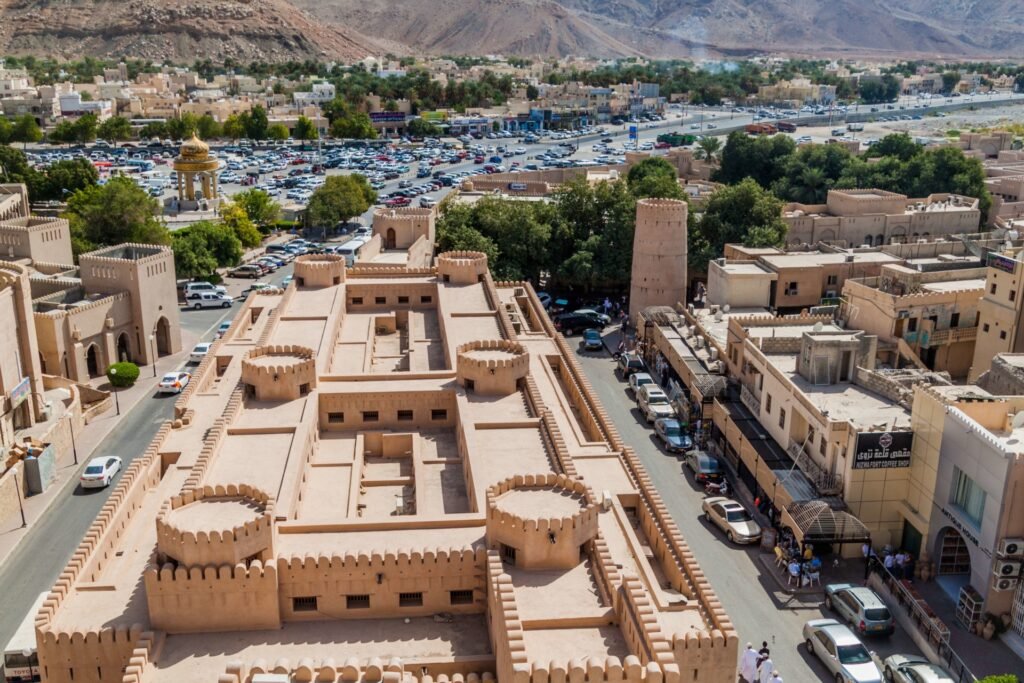
Two hours inland from Muscat, Nizwa sits in the Hajar Mountains. Historically, it served as Oman’s capital for several centuries before Muscat’s maritime rise. The round tower of Nizwa Fort is 30 metres tall. Built in the 17th century, it was the centrepiece of the city’s defences. In fact, it’s one of the most photographed structures in Oman. On close inspection, the interior reveals elaborate defensive traps: trapdoors, arrow slits, and channels for boiling date juice.
The Nizwa Souq is the finest traditional market in Oman. In addition, it’s a covered bazaar dealing in silverware, antiques, frankincense, and local produce. The Friday morning livestock market is held adjacent to the souq. Moreover, it’s one of the most authentic traditional markets in the Arabian Peninsula. Goats, cattle, and donkeys change hands among Omani farmers. The scene has changed relatively little over centuries. Therefore, TrotRadar recommends arriving by 7 AM. You’ll see it at full intensity before the day’s heat builds.
The villages of Misfat al Abriyeen and Al Hamra are both within 30 minutes of Nizwa. In addition, they are among the finest examples of traditional mudbrick architecture in Oman. Specifically, Al Hamra contains the multi-storey Bait al Safah living museum. There, elderly Omani women demonstrate traditional crafts and cooking in a beautifully restored house.
The Wadis: Oman’s Most Extraordinary Natural Experiences
The Arabic word wadi means a valley or dry riverbed. In Oman, flash floods periodically fill these channels with water. As a result, the water collects in clear natural pools. Consequently, wadis are the country’s most distinctive and spectacular natural feature.
Wadi Shab, south of Muscat on the coast road, is the TrotRadar pick for Oman’s single best half-day experience. The visit starts with a short boat crossing (€1 each way). Then a 2-hour walk through a canyon of towering limestone walls begins. A series of turquoise swimming pools are connected by narrow passages. You have to swim through some of them. The final pool is inside a cave where a waterfall emerges from the rock. Bring water shoes and a dry bag for your phone. Start early — it becomes crowded by mid-morning.
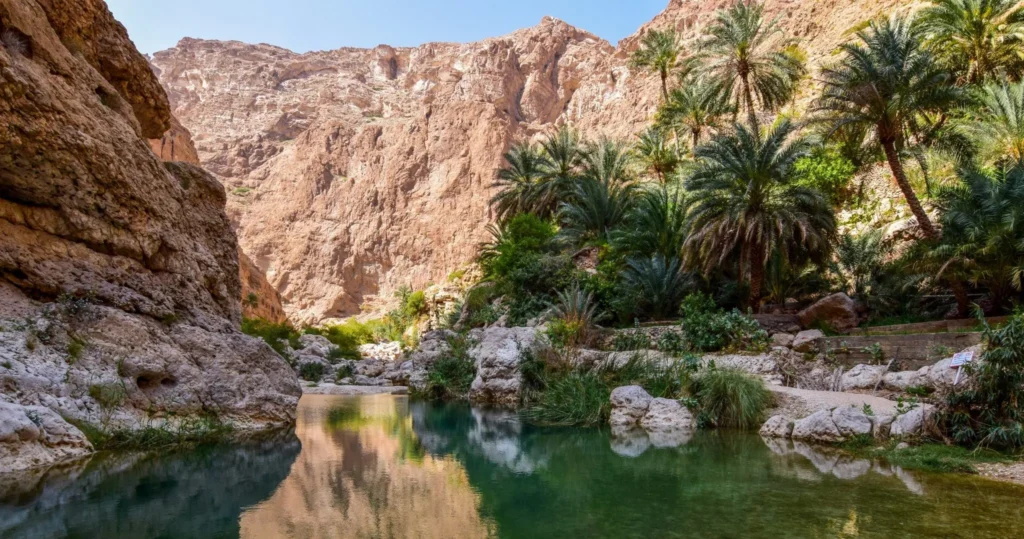
Wadi Bani Khalid, further south, is more accessible by road. Additionally, it has permanent water year-round. The pools are deep and vivid blue-green. Furthermore, the surrounding palms and village are genuinely beautiful. Small cafés and parking make it an easy half-day stop.
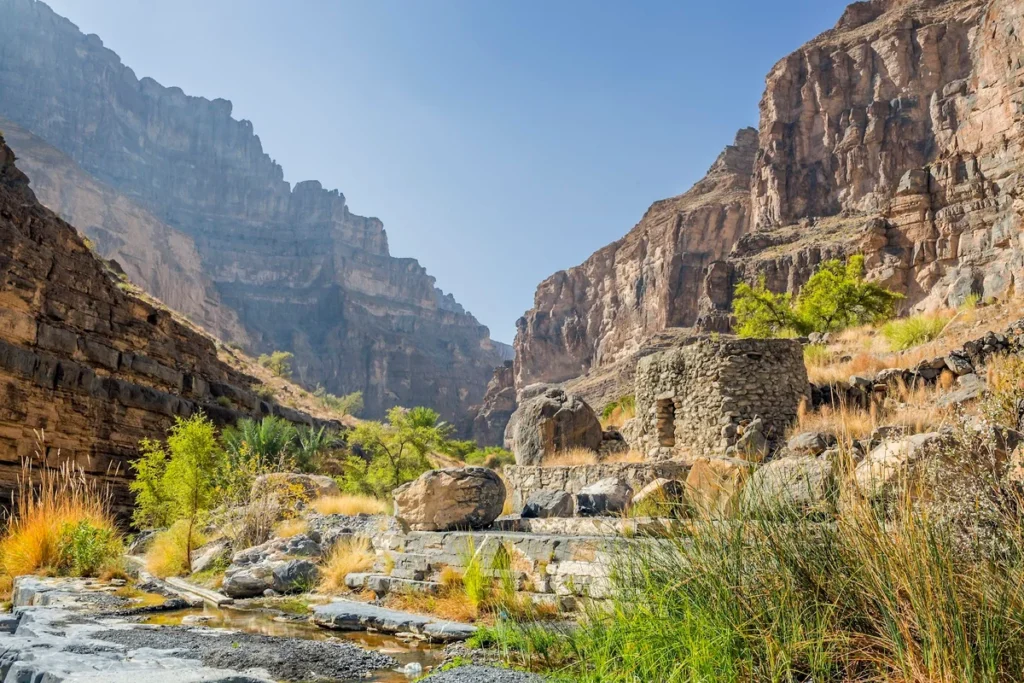
Wadi Nakhr in the Jebel Shams area is known as “Oman’s Grand Canyon”. It’s a dramatic gorge in the Hajar Mountains. In fact, views from the rim regularly stun even travelers who’ve seen canyon scenery elsewhere. However, the viewing point is accessible by standard vehicle. Descending into the wadi, on the other hand, requires a guide and experience.
Wahiba Sands: The Desert Without the Circus
The Wahiba Sands (Sharqiyah Sands) is Oman’s most accessible desert. Specifically, it covers 12,500 square kilometres of sand dunes in the eastern interior. Moreover, it’s reachable within 3 hours from Muscat. As a result, independent 4WD travelers with basic dune driving experience can manage it without a guide.
A night in the Wahiba Sands is among the most extraordinary experiences in the Middle East. The silence is absolute. Moreover, the stars, away from light pollution, are remarkable. In addition, the desert night turns genuinely cold from October through March. Several Bedouin-run desert camps provide accommodation in traditional tents. For instance, basic options cost €30–50/person including dinner and breakfast. Boutique safari-tent level camps, on the other hand, run €100–200/person.
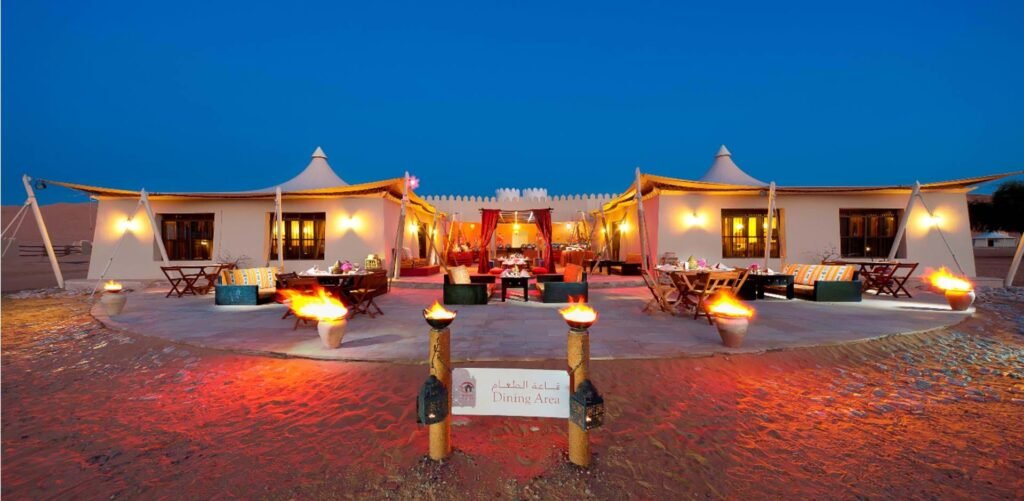
Therefore, TrotRadar recommends staying at least one night. Don’t do it as a day trip. Instead, the morning light at dawn is extraordinary. Shadows are at their longest and the air is clear. In short, it’s the Wahiba Sands experience that photographs have been trying to capture for decades.
Musandam: The Fjords of Arabia
The Musandam Peninsula is an Omani exclave separated from the main country by the UAE. It’s a dramatic headland of limestone cliffs dropping into the Strait of Hormuz. Indeed, comparisons to Norwegian fjords have some justification. In short, the landscape is stark, dramatic, and unlike anything else in Oman.
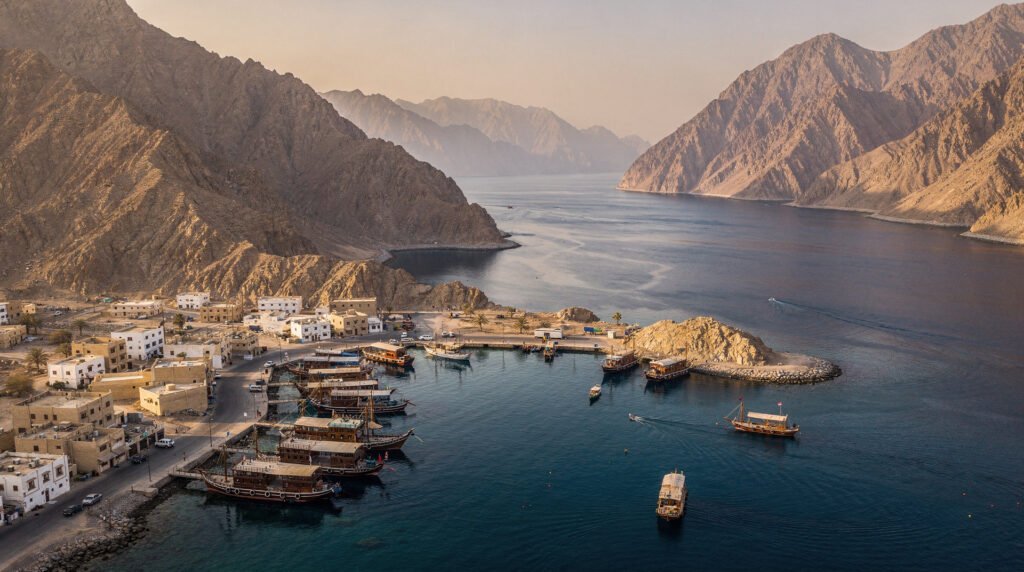
The main activity in Musandam is a dhow cruise through the Khor ash Sham fjord system. Specifically, this is a half or full day on a traditional wooden boat. You’ll swim in clear water, watch dolphins, and float between cliff walls rising several hundred metres from the sea. Moreover, shared dhow trips from the town of Khasab cost approximately €25–40 per person.
Musandam requires either a domestic flight from Muscat (approximately €60–90 return) or entry from the UAE side. That means a border crossing. You’ll need to check current entry requirements for your nationality. UAE exit stamps from Musandam can complicate subsequent UAE re-entry.
Practical Oman Travel Notes from TrotRadar
Climate and timing: October through March is the optimal window. Temperatures range from 18–30°C — dry and perfect for outdoor activity. In contrast, April through September brings intense heat (40°C+ in the interior). Therefore, wadi hiking and desert camping become inadvisable.
Dress and culture: Oman is a Muslim country with a conservative dress culture. Cover shoulders and knees in souqs, mosques, and small towns. Beach and resort areas are more relaxed. Alcohol is available in licensed hotels and restaurants — not at local restaurants or souqs.
TrotRadar Oman daily budget:
- Budget traveler (guesthouse + local food + own 4WD): €60–85/day
- Mid-range (mid-range hotel + mix of restaurants + activities): €90–140/day
- Car rental is the largest variable — 4WD typically €50–80/day; standard vehicle €25–45/day
For a broader Middle East context, TrotRadar’s Jordan travel guide covers the Petra and Wadi Rum circuit — a natural companion to Oman for travelers exploring the Arabian Peninsula. And our Iran travel guide covers the Persian architectural tradition that influenced much of Omani heritage.
The TrotRadar Verdict on Oman
Oman is the destination the TrotRadar team recommends to experienced travelers who feel they’ve “done” the obvious Middle East circuit and want something with more depth and fewer crowds. It rewards careful planning, particularly around the wadi and desert logistics, and returns that planning with a country of extraordinary physical beauty, genuine cultural richness, and a hospitality so consistently reported across traveler accounts that TrotRadar treats it as a destination characteristic rather than an individual experience.
Rent the 4WD. Get up early for the wadis. Sleep in the desert at least once. The Oman travel guide doesn’t need to work hard to convince anyone who’s looked at the photographs — the country does that for itself.
Find Your Oman Travel Deal
TrotRadar features current deals on flights to Muscat, 4WD rental packages, Wahiba Sands desert camp stays, and Musandam dhow tour bookings. The Middle East’s finest country is more accessible than you think. Browse TrotRadar’s Oman travel offers →