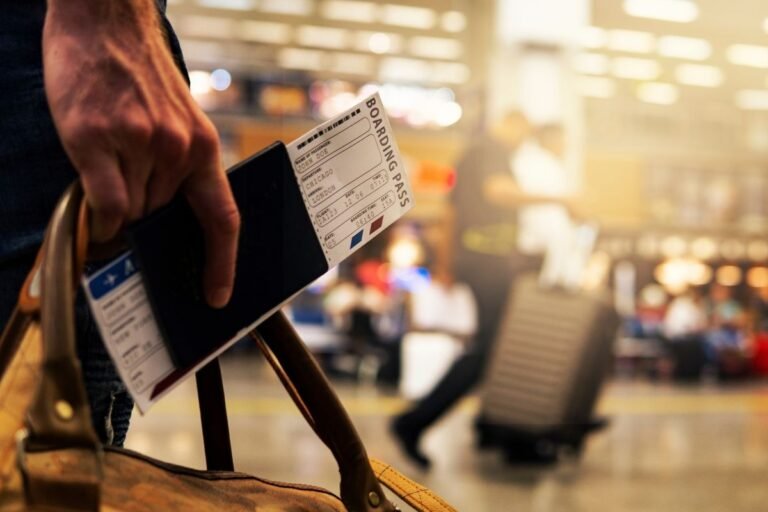

Southeast Asia remains one of the world’s best regions for budget travel in 2026. A realistic daily budget ranges from €20–35/day (budget backpacker) to €40–70/day (comfortable mid-range), depending on country and travel style. Vietnam, Cambodia, and Laos offer the best value; Thailand and Bali require more strategic planning.
Southeast Asia has been on the budget traveler’s radar for decades, and for good reason — it remains one of the most rewarding regions in the world for travelers who want to go far without spending a lot. But the landscape has shifted. Prices are not what they were in 2015. Some destinations have become significantly more expensive; others remain genuinely affordable. Post-pandemic tourism surges, inflation, and changing visa policies have reshaped what budget travel in Southeast Asia actually costs in 2026.
At TrotRadar, we’ve been tracking Southeast Asia travel costs for years — and we’re here to give you the honest picture. This guide cuts through the outdated advice, gives you real current cost benchmarks, and tells you exactly where to go and how to approach it for the best value.
TrotRadar Tip: Before you dive into country-by-country costs, check our Southeast Asia travel deals page — we regularly feature flight and accommodation offers across the region that can significantly reduce your total trip cost.
What Budget Travel in Southeast Asia Actually Means in 2026
Let’s address the elephant in the room first. The $20-a-day Southeast Asia of popular travel lore is largely gone — at least in the destinations most travelers actually visit. Thailand’s islands, Bali’s Seminyak, and Vietnam’s major cities have all experienced sustained price increases. Accommodation costs that were negligible a decade ago now reflect a more globally connected, tourism-savvy market.
That said, “budget” is relative. Compared to Western Europe, North America, or Australia, Southeast Asia remains extraordinarily affordable. At TrotRadar, we categorize Southeast Asia budget travelers into two realistic tiers:
- Genuine budget traveler (dorms, street food, local transport, limited paid activities): €20–35/day
- Mid-range budget traveler (private rooms with A/C, mix of local and tourist restaurants, some activities): €40–70/day
The key is knowing which countries and which cities within those countries still deliver real value.
The Best Countries for Budget Travel in Southeast Asia Right Now
Not all Southeast Asian countries are created equal on the budget front. Here’s the TrotRadar honest snapshot for 2026:
Vietnam — TrotRadar’s Top Budget Pick
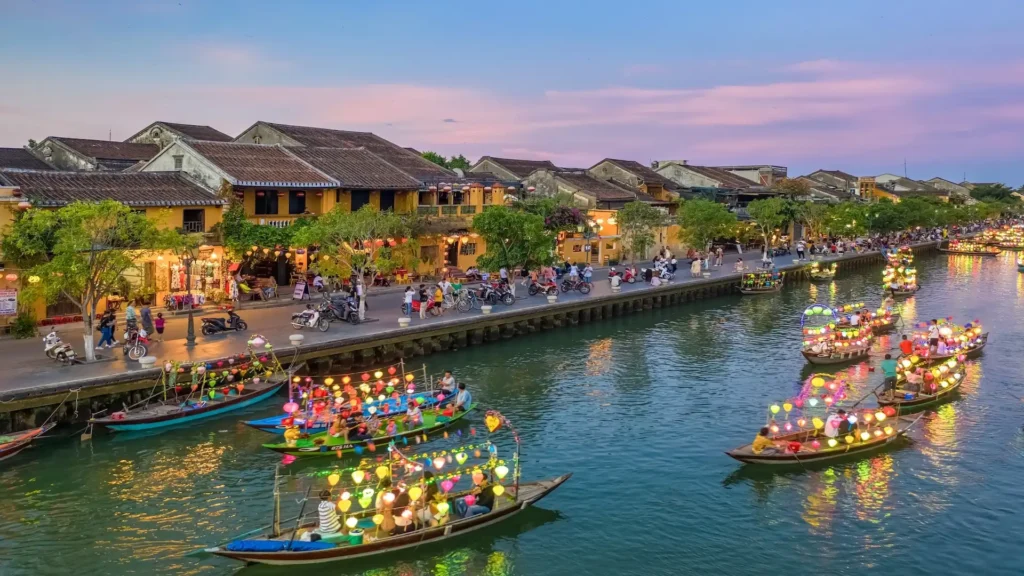
Vietnam is currently one of the strongest value propositions in the region and TrotRadar’s consistent top recommendation for budget travelers. Cities like Hanoi and Hội An still have excellent $8–15 guesthouses and private rooms. Street food — bánh mì, phở, bún bò — is not only cheap (typically €1–3 per meal) but genuinely world-class. The country is long and geographically varied, which rewards slow travel: you can spend three to four weeks moving from Hanoi south to Ho Chi Minh City and still feel like you’ve only scratched the surface.
TrotRadar Vietnam daily budget: €20–45 depending on pace and style. Read our full Vietnam end-to-end travel guide for the complete north-to-south route breakdown.
Cambodia — Budget Heritage Travel
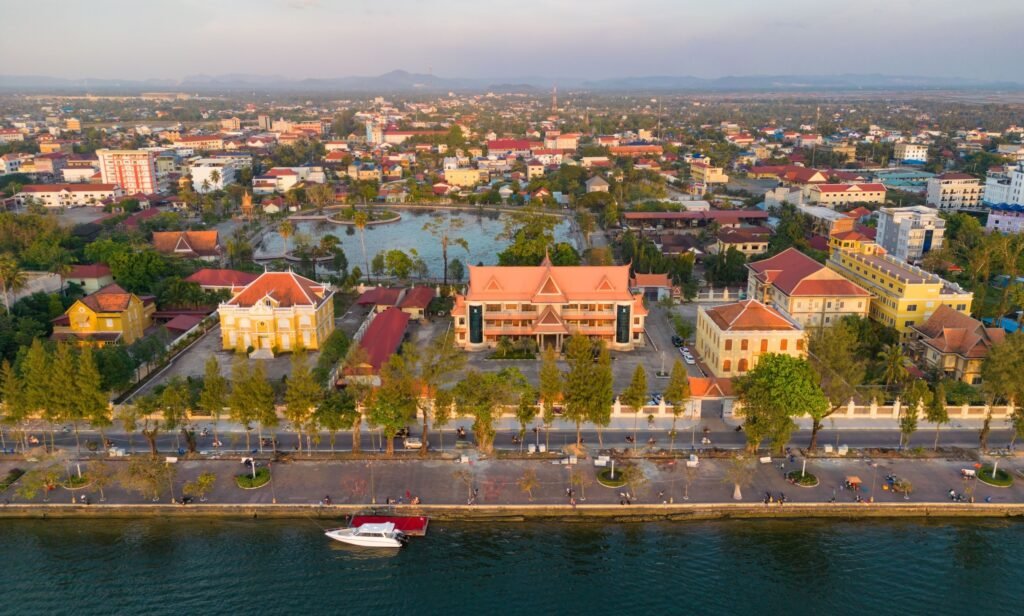
Cambodia punches well above its weight for budget travelers, particularly outside the well-worn Siem Reap–Phnom Penh corridor. Kampot in the south is a genuinely lovely riverside town with a growing independent travel scene and very low costs. Siem Reap itself — gateway to Angkor Wat — has become more expensive in recent years, but the temples remain extraordinary and can be visited on a meaningful budget with planning.
TrotRadar Cambodia daily budget: €20–40
Laos — The Slow Travel Nation
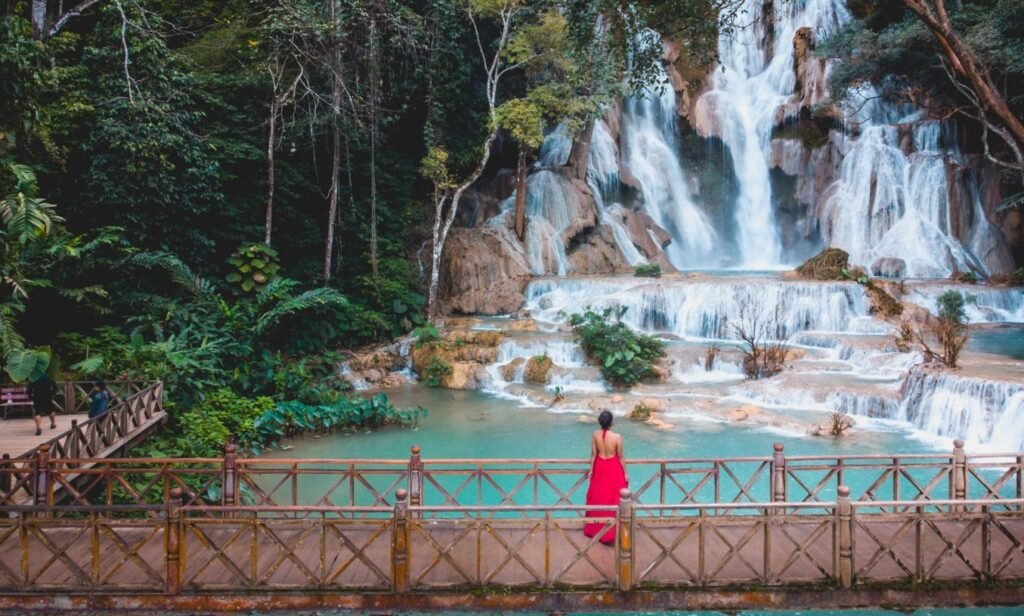
Laos is slow, quiet, and stubbornly affordable. The backpacker town of Vang Vieng has evolved from its party-heavy past into something more balanced, but Luang Prabang is the real draw: a UNESCO-listed royal town on the Mekong River where the morning alms-giving ceremony, riverside cafés, and surrounding waterfalls make for an exceptional few days. Laos rewards travelers who aren’t in a hurry. At TrotRadar, we consider it one of the finest slow travel destinations on the planet.
TrotRadar Laos daily budget: €25–45
Thailand — Still Excellent With Strategy
Thailand remains excellent but requires more strategy than it used to. Bangkok is still great value in certain neighborhoods; Chiang Mai in the north is widely considered — by the TrotRadar team included — one of the best-value cities in Southeast Asia for budget and digital nomad travelers alike. The islands (Koh Samui, Koh Lanta, Koh Phangan) have premium-priced high seasons but drop significantly off-peak.
TrotRadar Thailand daily budget: €30–60

Indonesia: Bali and Beyond
Bali’s southern resort areas now carry pricing that won’t shock anyone who’s traveled in Europe. The budget is rescued by heading to Ubud for a slower, more affordable experience, or — better still — going beyond Bali entirely. Lombok, the Gili Islands, and Flores offer extraordinary landscapes at prices Bali left behind years ago. TrotRadar’s full guide to the best Southeast Asian islands beyond Bali covers every option in detail.
TrotRadar Bali daily budget: €35–65 | Lombok/Flores: €25–45

Accommodation: What to Expect and How to Choose
The accommodation landscape for budget travel in Southeast Asia has stratified. At the bottom end, dorm beds in hostels typically run €4–10/night in most countries. Private rooms in guesthouses — the sweet spot for most travelers — range from €10–25 depending on country, city, and season.
A few TrotRadar-tested frameworks that help:
Book directly when you can. Booking.com and Hostelworld are reliable discovery tools, but many family-run guesthouses offer slightly better rates (or upgrades) when you message them directly. WhatsApp is widely used for direct bookings across the region.
Factor in air conditioning costs honestly. In hot, humid lowland cities, the upgrade from a fan room to an air-conditioned room is often worth the extra €5–8/night for sleep quality. In mountain towns (Chiang Mai’s highlands, Luang Prabang in the dry season), fan rooms are genuinely comfortable.
Slow down to save money. Negotiating weekly rates at guesthouses is entirely normal and expected. Staying five or more nights in one place almost always yields a 10–20% discount from smaller properties — and it makes for a better trip anyway. This is one of the core principles behind TrotRadar’s slow travel philosophy.
Eating Well on a Budget in Southeast Asia
This is where Southeast Asia still absolutely earns its reputation — and where TrotRadar will always argue the region has no peer. The food is world-class, and eating well for very little money is genuinely achievable everywhere you go.
Eat where locals eat. This sounds obvious but requires a tiny bit of confidence. Follow local workers at lunch, seek out markets in the early morning or late afternoon, and gravitate toward stalls with high turnover. In Vietnam, a bowl of phở at a pavement restaurant costs €1–2 and will be as good as or better than anything in a tourist-facing restaurant.
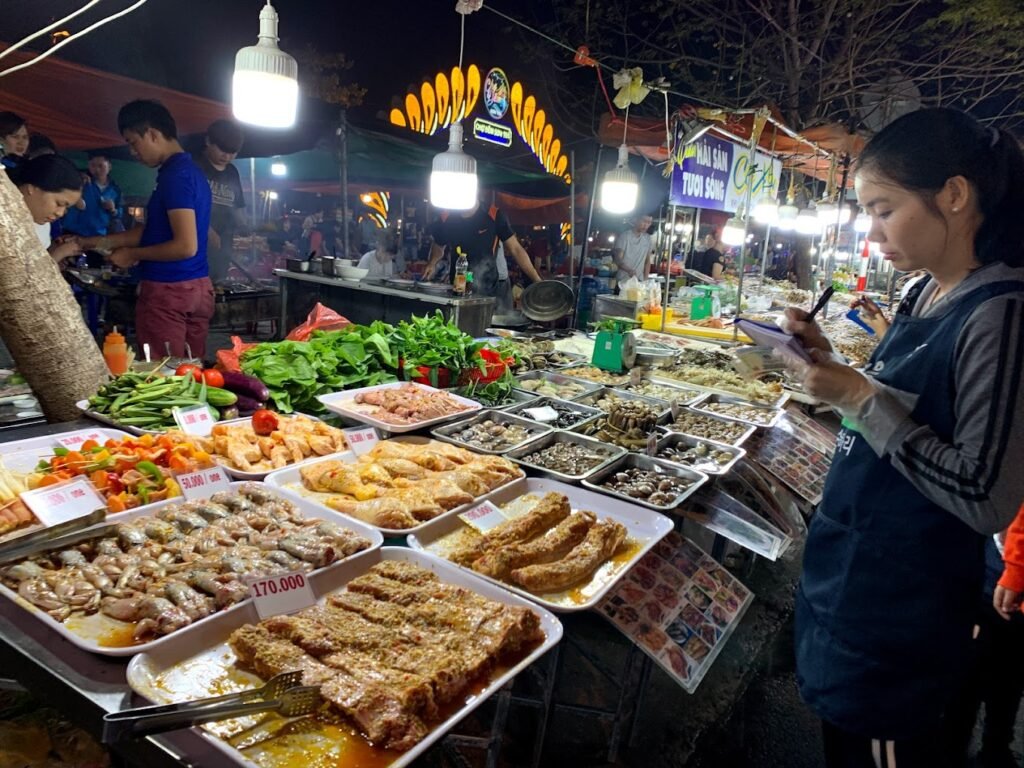
TrotRadar budget eating benchmarks:
- Street food meal: €0.80–2.50
- Local restaurant: €2–5
- Mid-range tourist restaurant: €5–10
- Western food/tourist trap: €8–18
For a deeper dive into where to eat across the region, read TrotRadar’s dedicated guide to the best street food cities in Asia — covering Penang, Bangkok, Hanoi, Taipei, and more.
Transport for Budget Travel in Southeast Asia: Moving Around Cheaply
Getting between countries and cities is one of the biggest budget variables in Southeast Asia. Some TrotRadar guidelines:
Fly strategically, not reflexively. Budget carriers like AirAsia, Vietjet, and Lion Air run cheap intra-regional routes, but only if you book in advance and travel light. A last-minute flight from Bangkok to Hanoi will cost far more than a sleeper train or bus booked a few days ahead.
Night buses and trains are your friends. The classic traveler trick of taking an overnight bus or train saves you a night’s accommodation while covering distance. Vietnam’s north–south railway is excellent. Thailand’s overnight sleeper trains to Chiang Mai are genuinely comfortable and atmospheric.
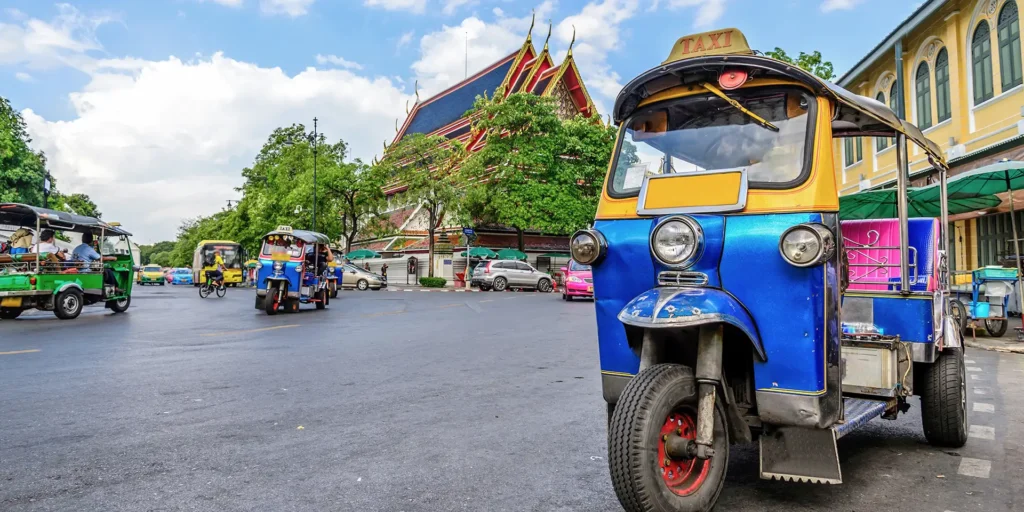
Grab and local transport apps work well in cities. In Bangkok, Ho Chi Minh City, and Kuala Lumpur, Grab is affordable, reliable, and far less stressful than negotiating with individual tuk-tuk or taxi drivers. Set it up before you land.
Accommodation for Budget Travel in Southeast Asia: What to Expect
Southeast Asia doesn’t have a single “best time” because the region spans such a range of climates. As a rough TrotRadar framework:
- November to February is peak tourist season for mainland Southeast Asia — expect higher prices, especially over Christmas and New Year
- March to May is hot and dry across much of the region — fewer tourists, lower prices, but genuinely intense heat in inland areas
- June to September is monsoon season for much of mainland Southeast Asia — dramatic landscapes, excellent prices, and not as wet all day as the reputation suggests
For pure budget travel, April–May and September–October represent the best shoulder season windows across most of the region — prices are lower, crowds are thinner, and conditions are generally manageable. For the island-specific timing breakdown, TrotRadar’s complete guide to Southeast Asian islands covers season timing island by island.
A Realistic 30-Day Southeast Asia Budget Breakdown
Here’s a worked example from the TrotRadar team for a 30-day trip through Vietnam, Cambodia, and Thailand at a genuine but comfortable budget level:
| Category | Estimated Total |
|---|---|
| Accommodation (avg. €18/night) | €540 |
| Food (avg. €12/day) | €360 |
| Local transport | €120 |
| Flights within region (2) | €100 |
| Entry fees / activities | €80 |
| SIM cards / data | €25 |
| Visas | €60 |
| Contingency (10%) | €129 |
| Total | ~€1,414 |
That works out to roughly €47/day all-in — including flights between destinations. Reduce that by staying in dorms and eating more street food, and €35/day is realistic. Add private room upgrades and occasional splurges, and €60/day still feels like extraordinary value for 30 days of travel.
The TrotRadar Bottom Line on Budget Southeast Asia
Budget travel in Southeast Asia in 2026 requires more research and strategic thinking than it did even five years ago — but the fundamentals that made this region legendary among travelers remain very much intact. The food is world-class, the landscapes are extraordinary, the people are warm, and the cost of access is still, by global standards, genuinely low.
Go slowly. Eat locally. Move by land when the distance allows. Pick countries rather than just tourist circuits. Do those things, and Southeast Asia will reward you with more genuine experience per euro than almost anywhere else on the planet.
Find the Best Southeast Asia Travel Deals
The TrotRadar team regularly updates our deals page with current flight offers, accommodation packages, and tour deals across Southeast Asia. Whether you’re heading to Vietnam, Thailand, or beyond — browse our current Southeast Asia travel offers →