Patagonia has a specific effect on travelers who reach it: a recalibration of scale. The mountains are larger than the idea of mountains. The glaciers are bluer than the idea of glaciers. The wind at the Torres del Paine passes makes the idea of wind feel like a draft. At TrotRadar, this Patagonia Argentina travel guide covers the Argentine side of the region — El Chaltén, El Calafate, Perito Moreno, and Ushuaia — with the honest logistics and realistic expectations that the destination rewards. The Chilean side (Torres del Paine, Puerto Natales) is covered in TrotRadar’s companion combined Patagonia guide; this edition goes deeper on the specifically Argentine circuit that most Patagonia travelers spend the majority of their time in.
TrotRadar Tip: Patagonia’s weather is its primary planning variable — notorious for its speed of change, intensity of wind, and the frequency with which it prevents specific activities (glacier boat excursions, summit approaches, flights into small airports). Build 2–3 buffer days into any Patagonia itinerary specifically for weather delays and the additional time in specific places that good weather suddenly makes possible. Browse TrotRadar’s Patagonia Argentina packages — we feature El Calafate and El Chaltén accommodation combinations with flexible booking terms.
El Chaltén: Patagonia Argentina Trekking Guide
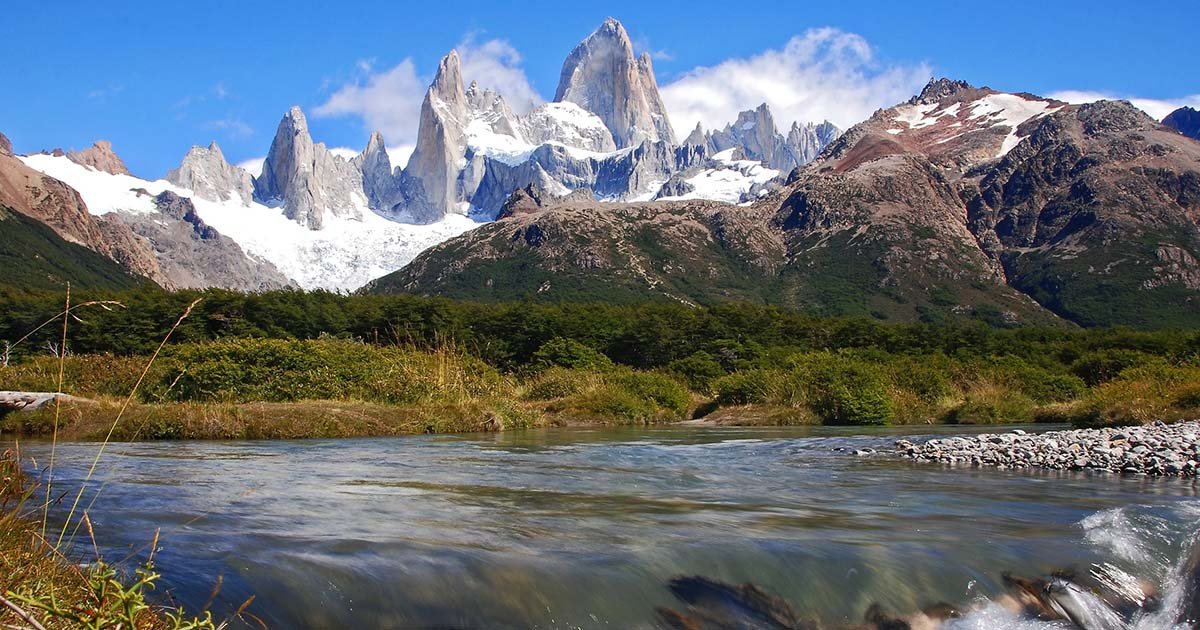
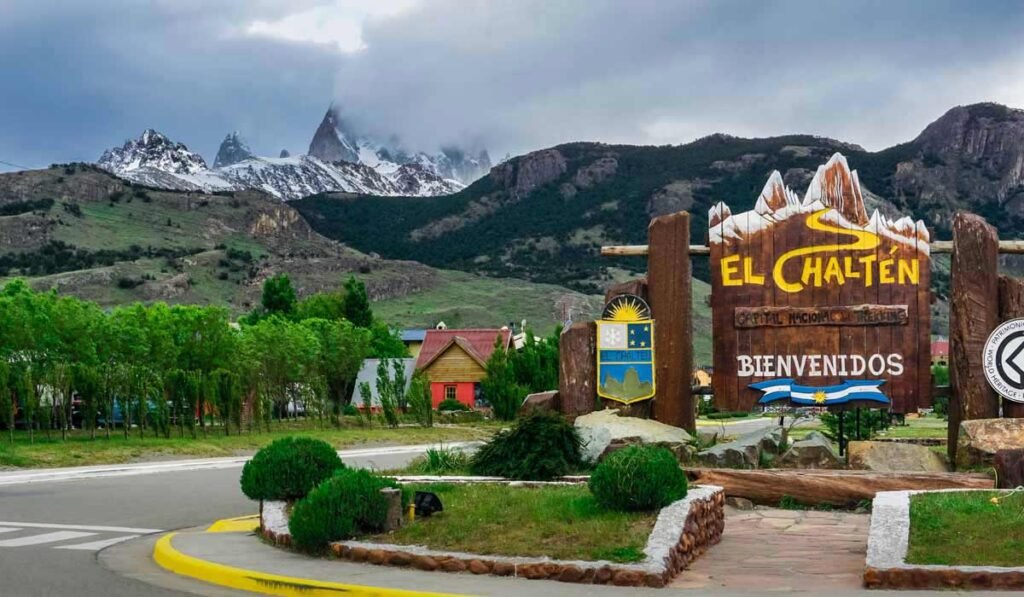
El Chaltén — a village of 1,500 permanent residents at the northern end of Los Glaciares National Park, 230 km from El Calafate — is where TrotRadar’s Patagonia circuit begins and spends the most time. The village was founded in 1985, built deliberately to establish Argentine sovereignty at the contested Chilean border, and has developed into the finest trekking base in South America: trailheads accessible directly from town, free national park entry, free camping in the backcountry, and the specific combination of Fitz Roy (3,405 metres, its granite towers among the most technically demanding and visually extraordinary in the world) and Cerro Torre (2,850 metres, the needle-spire that Cesare Maestri’s disputed ascent made famous) as the twin objectives of the two finest day walks in Patagonia.This section of the Patagonia Argentina travel guide focuses on exactly what makes El Chaltén the most rewarding stop on the circuit.
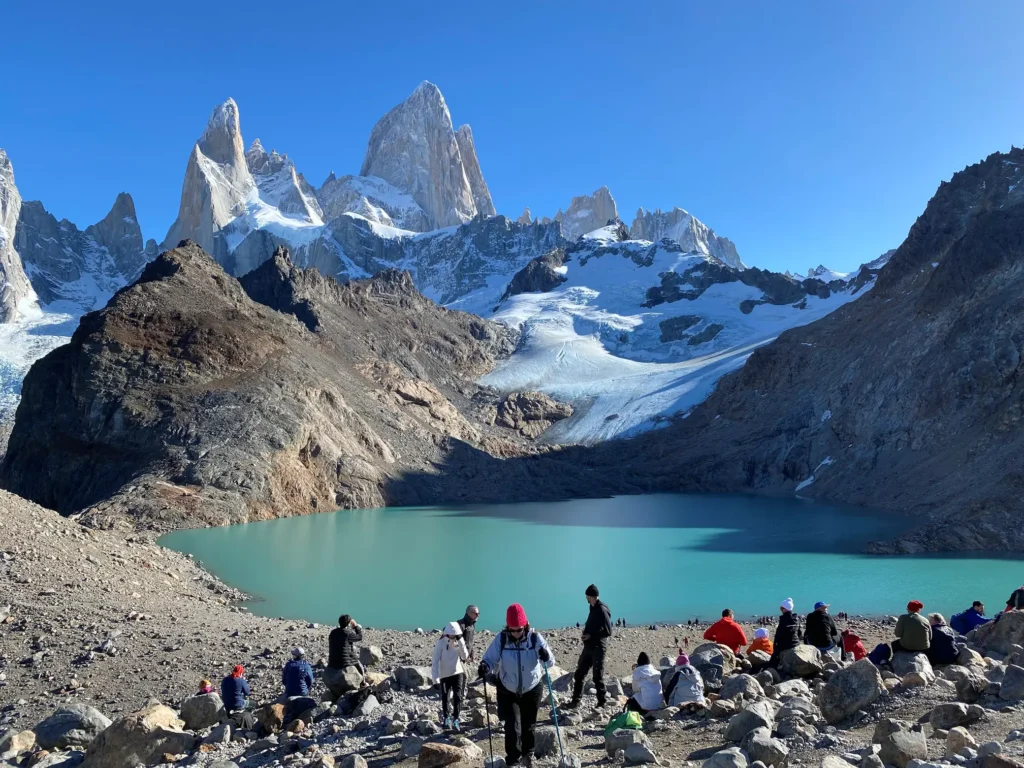
The Laguna de Los Tres trail (20 km return, 900 m elevation gain, 6–8 hours) — the hike to the glacial lake directly below Fitz Roy’s eastern face — is TrotRadar’s strongest single hiking recommendation in South America. The final 45-minute ascent to the lagoon is steep and loose underfoot; the view at the top — the towers rising directly from the lake surface in good weather, reflected perfectly in calm conditions — is the specific image that defines Patagonia in the global travel imagination and is more extraordinary in person than in any photograph.
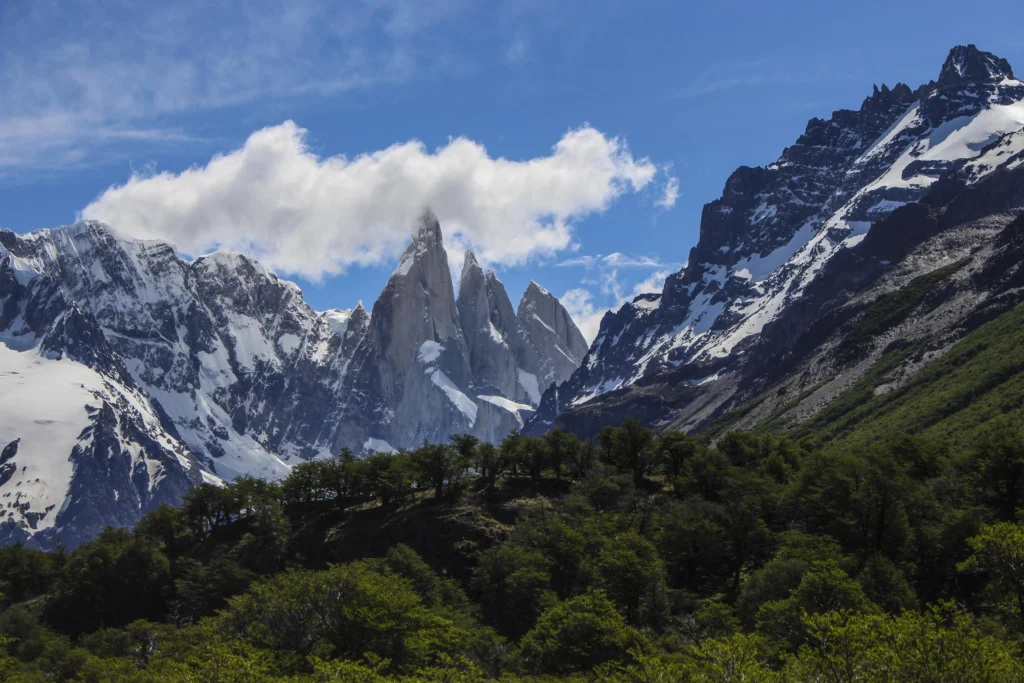
The Cerro Torre trail (20 km return, gentler gradient, 5–6 hours) reaches Laguna Torre — a milky glacial lake with the needle of Cerro Torre visible above the Glaciar Grande on clear days. The tower is more frequently cloud-covered than Fitz Roy; the reward for patience is an image that even professional Patagonia photographers consider rare and extraordinary.
Multi-day trekking from El Chaltén: The Huemul Circuit (4 days, requires river crossing skills and significant fitness) and the Vuelta al Fitz Roy circuit (3–4 days, camping in the national park) are the finest multi-day options. Free park camping reduces the daily cost to food and gear transport; TrotRadar considers El Chaltén the finest free backcountry trekking destination in South America.
TrotRadar El Chaltén daily budget: $45–80 USD
Perito Moreno Glacier: Patagonia Argentina’s Most Iconic Ice Sheet
The Perito Moreno Glacier — 30 km from El Calafate, accessible by bus and boat tour — is the most visited natural attraction in Argentine Patagonia and one of those destinations where the crowd is entirely justified by what draws it. The glacier is 5 km wide and 60 metres high at its terminal face above Lago Argentino, and it advances at approximately 2 metres per day — making it one of the only glaciers in the world that is not retreating (it advances and periodically dams the Canal de los Témpanos, creating a natural ice dam that eventually ruptures in a spectacular calving event that occurs every few years).No Patagonia Argentina travel guide would be complete without dedicating space to Perito Moreno — it is the single most compelling natural spectacle in the region.
The public walkway system — a series of wooden catwalks along the southern shore of the Canal de los Témpanos directly opposite the glacier face — provides viewing at close range without boat access (included in the national park entry fee of approximately ARS 6,000 / $15 USD for foreigners). The sound of calving — a crack like a cannon shot, followed by the thunderous collapse of ice into water — happens with sufficient frequency on most visits to hear and witness at least once in a 3-hour visit.
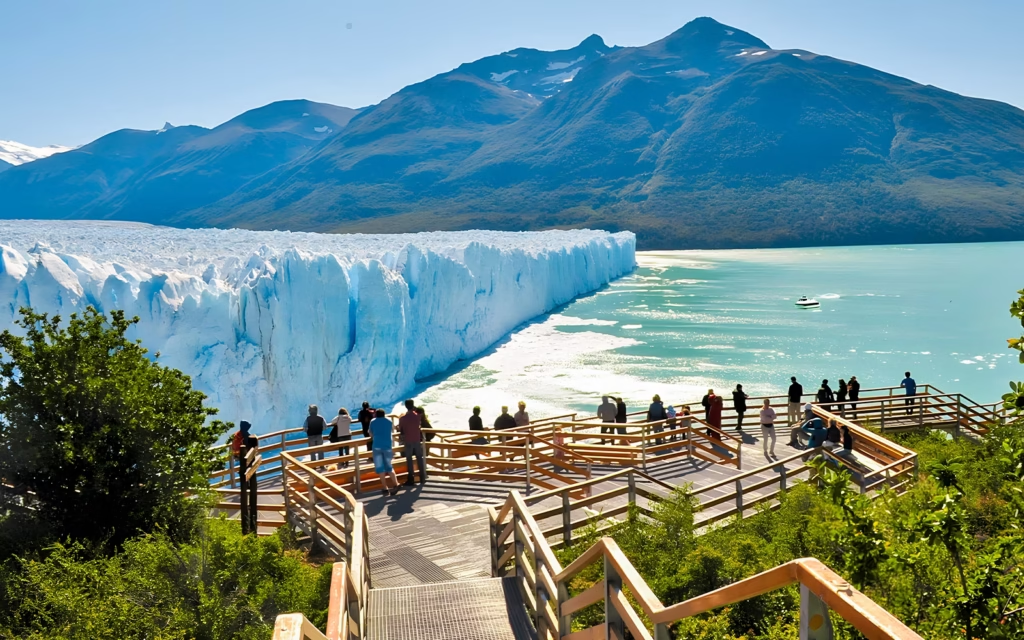
The Mini-Trekking experience — cramponing on the glacier surface with a guide, approximately $100–130 USD additional to park entry — gives the specific experience of walking on blue ice through a landscape of crevasses and seracs that the walkway provides no access to. TrotRadar considers this the best glacier walking experience in South America.
El Calafate — the nearest town, with a population of approximately 22,000 — is primarily a service town for the glacier visits. Two to three nights provides enough time for a full Perito Moreno day, a second full glacier day on mini-trek, and the Lago Argentino boat tour (navigating among icebergs and calving faces of the less-visited Upsala and Spegazzini glaciers — a full day, approximately $90–120 USD, extraordinary scenery with fewer fellow travelers than Perito Moreno).
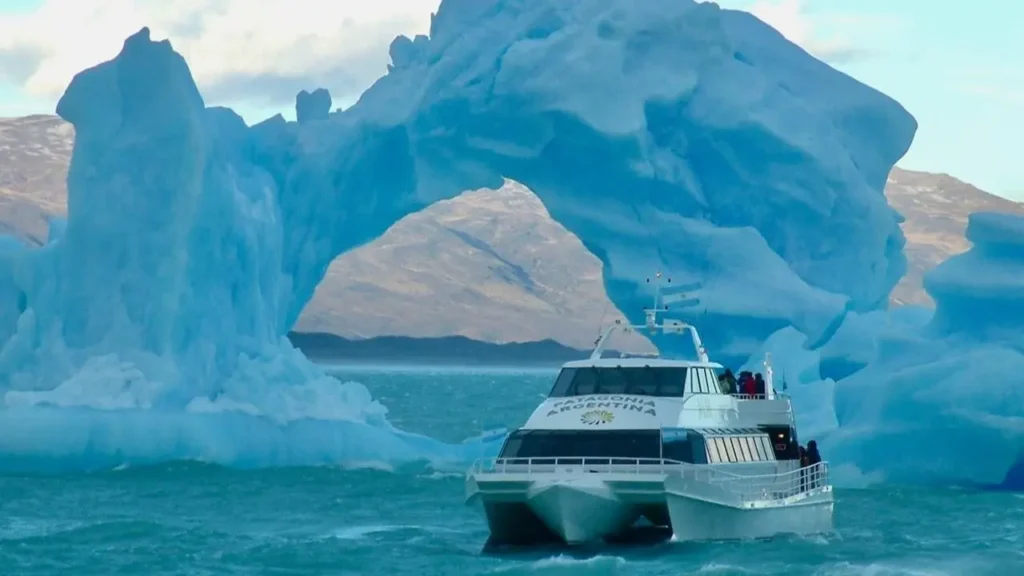
TrotRadar El Calafate daily budget: $55–90 USD
Ushuaia: The End of the World, Done Right
Ushuaia — the world’s southernmost city, on the Beagle Channel at the southern tip of Tierra del Fuego — is the correct conclusion to a Patagonia Argentina circuit: a destination that has the specific quality of genuine remoteness while being fully served by air from Buenos Aires (3 hours, approximately $80–150 USD return with Aerolíneas Argentinas) and containing several experiences that justify the journey specifically.
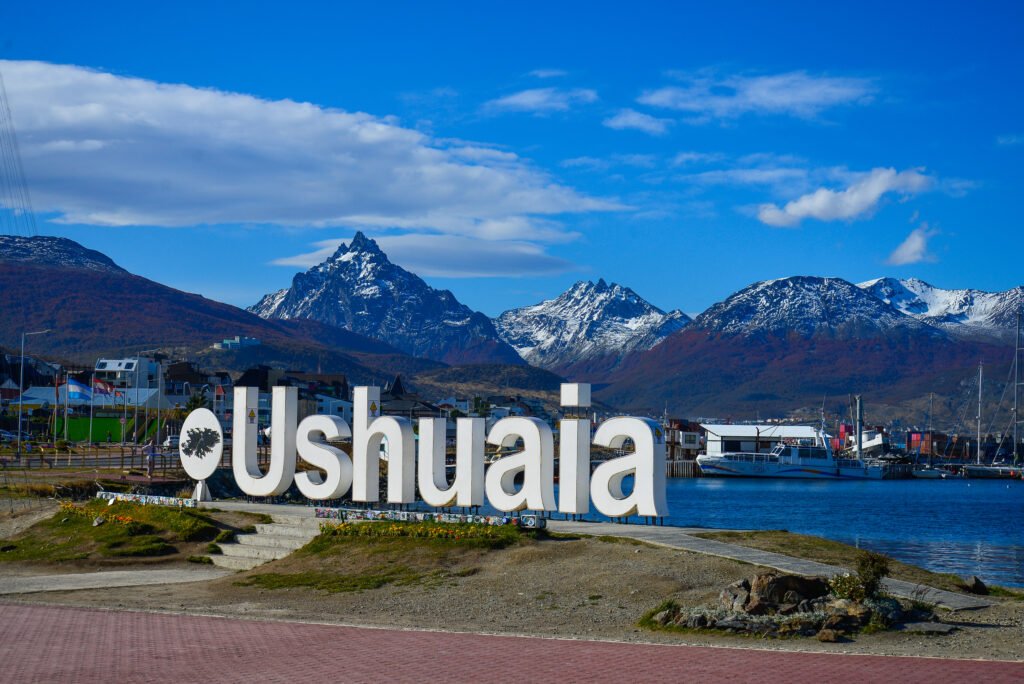
The Tierra del Fuego National Park — 12 km from town, the only national park in Argentina with a Beagle Channel coast — has excellent short walks through Nothofagus (southern beech) forest to the channel shore, with possibilities of beaver (introduced from Canada in 1946 with ecological consequences the government is still managing), Andean condor, and the specific austral light on the channel water that is specific to this latitude. Park entry: approximately ARS 3,500 ($8 USD).
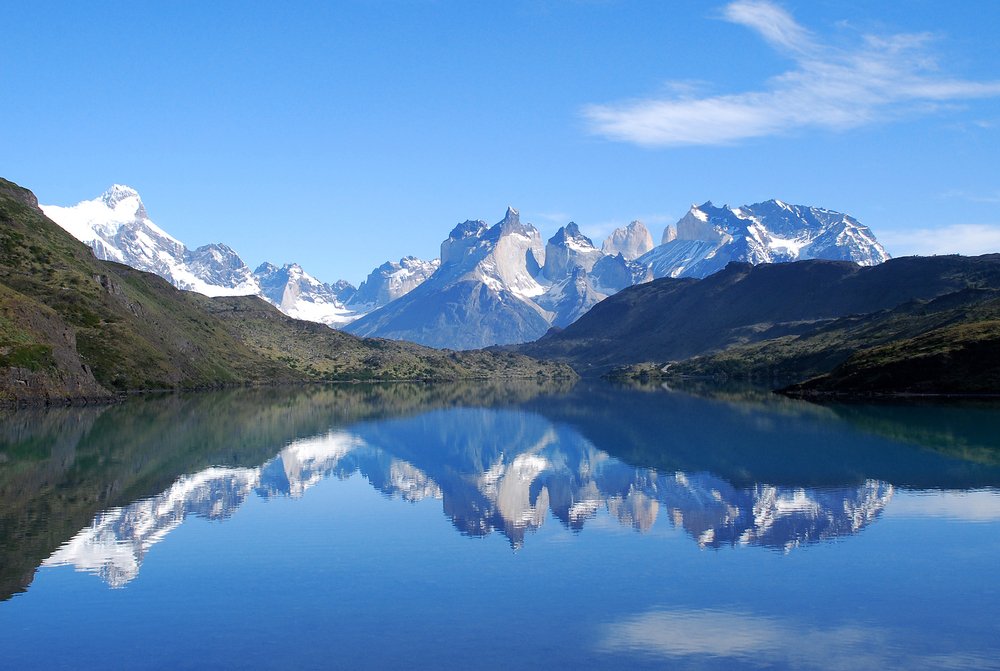
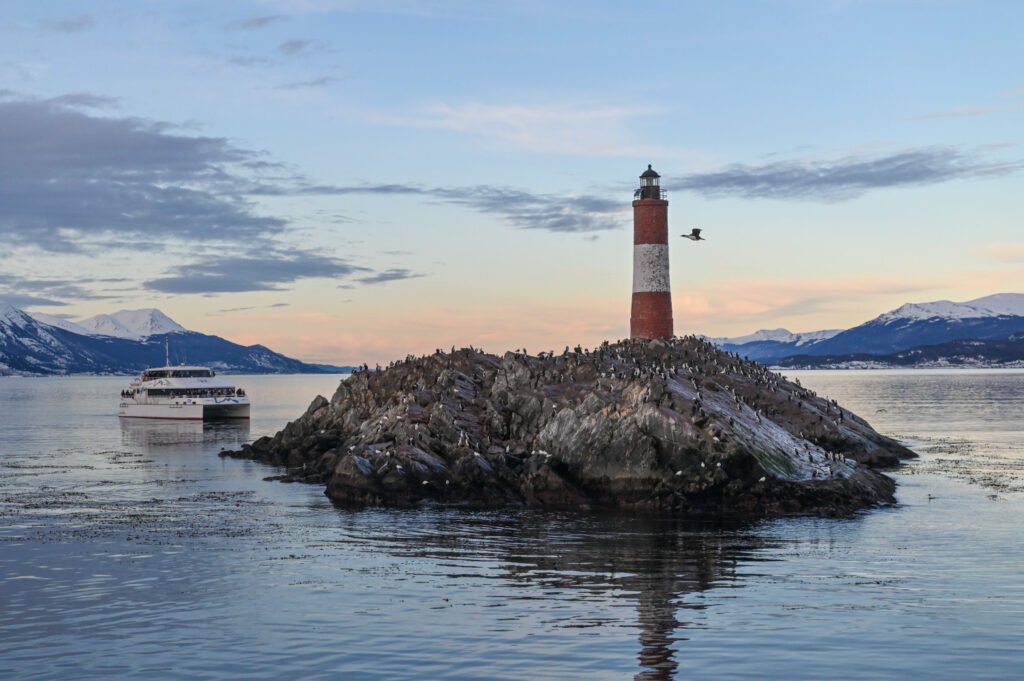
The Beagle Channel boat trip — 2–3 hours navigating the channel past the sea lion rookeries, the cormorant colonies on Isla de los Pájaros, and the Isla Bridges lighthouse — is the most atmospheric experience in Ushuaia and the correct way to understand the channel’s scale and the quality of the light. Approximately $40–60 USD.
The End of the World Museum (Museo del Fin del Mundo) covers the history of Yamana indigenous people (whose population was virtually destroyed by European contact in the 19th century), the Beagle voyages, and the penal colony that preceded the city — entry approximately $5 USD and worth 2 hours.
TrotRadar Ushuaia daily budget: $70–110 USD
The Patagonia Argentina Circuit: TrotRadar’s Recommended Order
For a 12–16 day Argentine Patagonia circuit from Buenos Aires:
- Fly Buenos Aires → El Calafate (2 hours; approximately $80–120 USD)
- El Calafate (3 nights) — Perito Moreno full day, mini-trek, Lago Argentino boat tour
- Bus or transfer to El Chaltén (4 hours; approximately $15–20 USD)
- El Chaltén (5–7 nights) — Laguna de Los Tres, Cerro Torre, optional multi-day trek
- Fly or bus back to El Calafate, then fly to Ushuaia (direct El Calafate–Ushuaia flights available)
- Ushuaia (3 nights) — national park, Beagle Channel, museum
- Fly Ushuaia → Buenos Aires for onward connections
For the complete Patagonia picture including the Chilean side, read TrotRadar’s combined Patagonia guide. And for the broader Argentina and South America circuit, our South America first-timer guide covers how Patagonia fits into a continental itinerary.
TrotRadar Patagonia Argentina overall daily budget: $60–100 USD/day — higher than most of South America due to the remoteness premium and activity costs; significantly lower than comparable landscape experiences in New Zealand or Iceland.
The TrotRadar Verdict on Patagonia Argentina
Patagonia Argentina is the destination that recalibrates scale — of mountains, of glaciers, of wind, of how far the human world extends before the wilderness takes over completely. It requires more days than most travel schedules easily accommodate, costs more per day than the rest of Argentina, and returns something that no other destination in the hemisphere provides: the specific quality of being at the end of the world with the evidence of that position visible in every direction. Fitz Roy at dawn earns the 4:30 AM alarm. Perito Moreno calving earns the wait on the walkway. Ushuaia at dusk earns the flight. TrotRadar guarantees all three will exceed what you expected before you went.This Patagonia Argentina travel guide exists to make sure that when you arrive, you are ready for all of it.
Find Your Patagonia Argentina Travel Deal
TrotRadar features El Chaltén trekking base packages, El Calafate glacier tour combinations, Perito Moreno mini-trek bookings, and Ushuaia Beagle Channel packages — with the flexible booking terms that Patagonia’s weather requires. Browse TrotRadar’s Patagonia Argentina travel offers →