Zambia receives approximately one tenth of the tourists that Kenya and Tanzania attract annually — and the wildlife it contains is, in several specific categories, superior. The walking safari was invented here. The canoe safari was invented here. The philosophy of high-quality, low-volume wildlife tourism that produces extraordinary wildlife encounters rather than game-drive traffic jams was developed here and is maintained here with an intentionality that the more famous East African circuits don’t always match. At TrotRadar, this Zambia travel guide Victoria Falls makes the case that southern Africa’s finest wildlife destination is the one most travelers haven’t prioritised yet.
TrotRadar Tip: Zambia’s safari camps operate on a “fly-in” model — small charter aircraft connect the national parks rather than long overland drives. This adds to the cost but is fundamental to the wilderness character of the camps. Budget the charter flights as fixed trip costs before calculating daily rates. Most camps are all-inclusive; the daily rate covers accommodation, all meals, and game activities. Browse TrotRadar’s Zambia safari packages — we feature Victoria Falls combinations with South Luangwa and Lower Zambezi camps at competitive rates.
Victoria Falls: The World’s Largest Waterfall
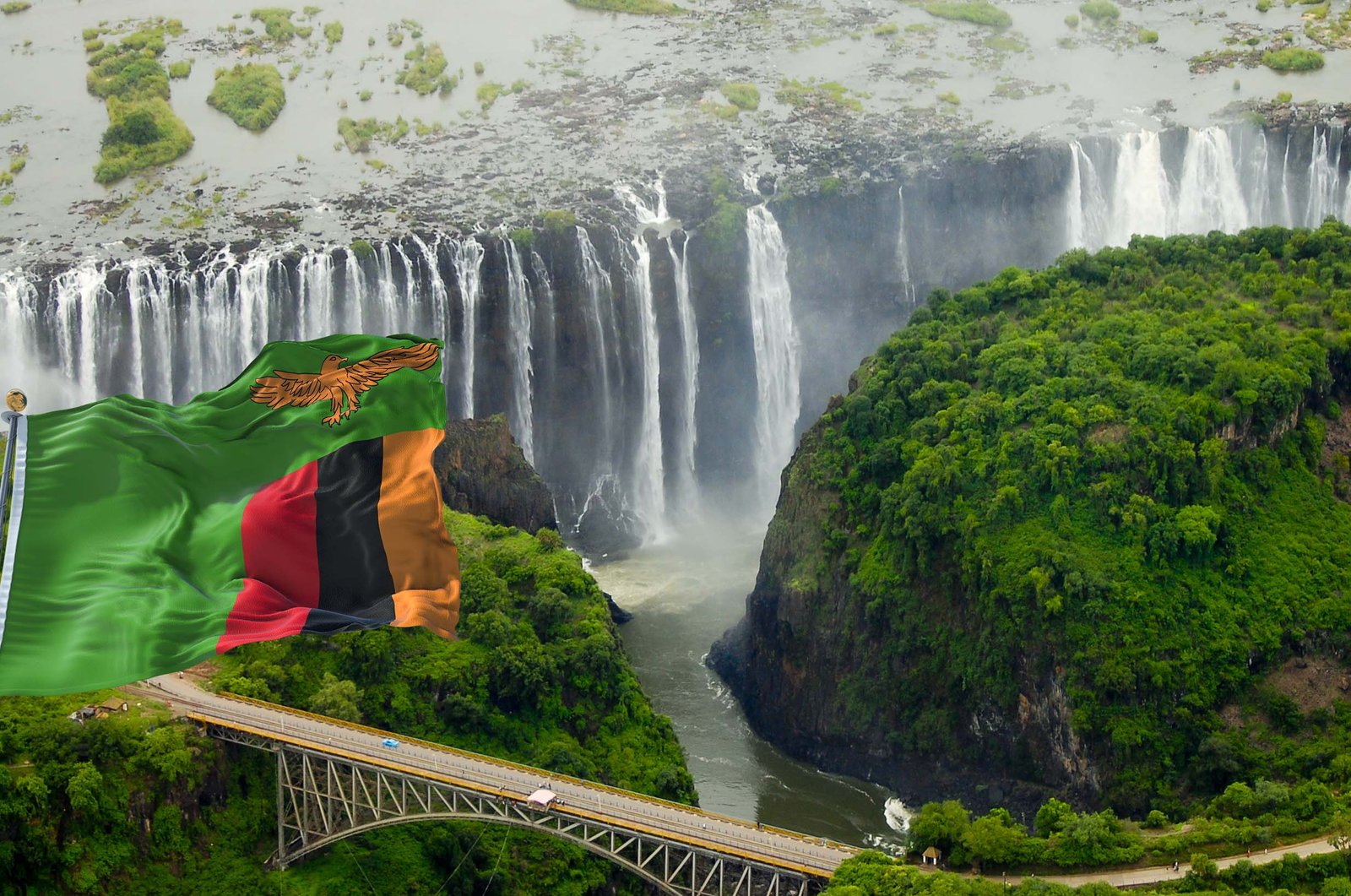
Victoria Falls — Mosi-oa-Tunya (“the smoke that thunders”) in the Lozi language, named by David Livingstone in 1855 after Queen Victoria — is the largest waterfall on earth by the combined measure of width (1,708 metres) and height (108 metres maximum), producing a spray column visible from 50 km and a sound audible from 40 km in the right atmospheric conditions. The falls straddle the Zambia-Zimbabwe border; both sides have viewing infrastructure, and TrotRadar’s position is clear: the Zambia side provides the superior experience.
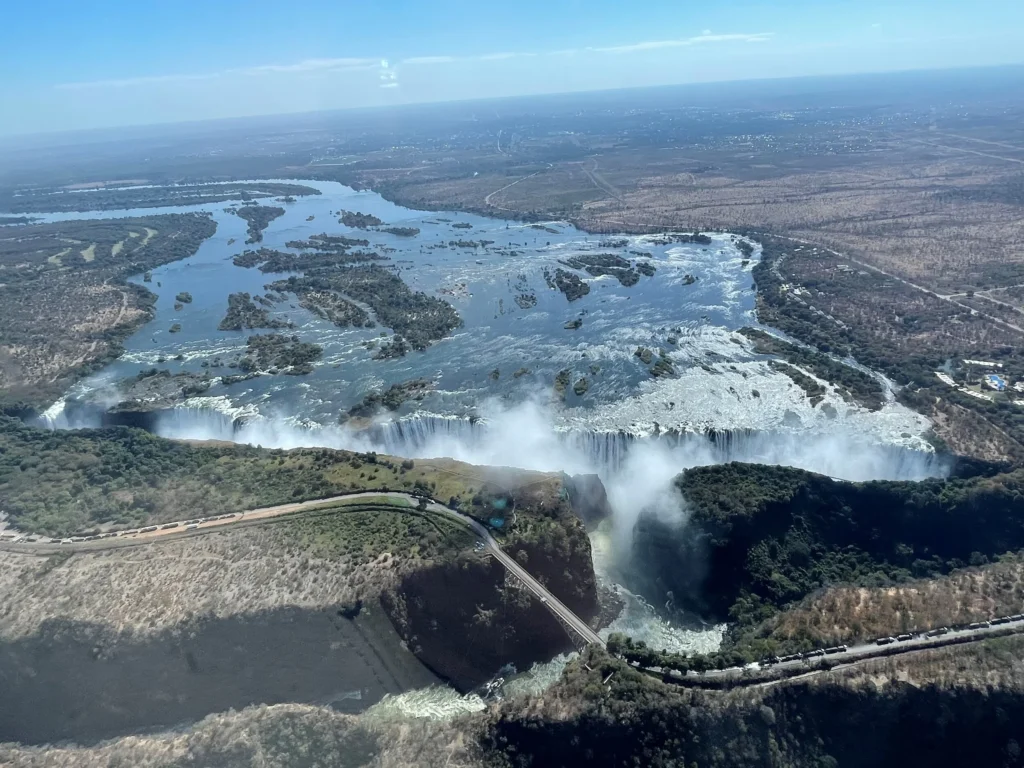
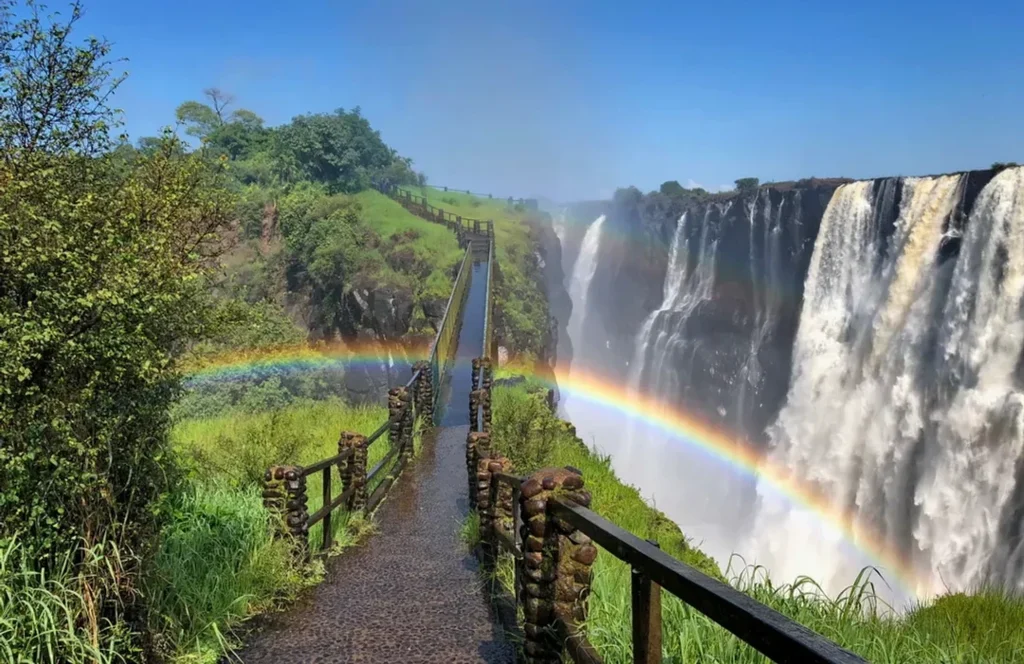
The Zambian viewpoints — accessed through the Mosi-oa-Tunya National Park entry fee (approximately $20 USD) — put visitors on a cliff-edge path directly opposite the full width of the falls, close enough that the spray soaks you within minutes in high-water season (March–June). The Zimbabwe side provides more distant views across the gorge, with better photographic angles in low-water season. Travelers with both options available (requiring KAZA Univisa, approximately $50 USD, valid for both countries) should visit both; travelers choosing one should choose Zambia.
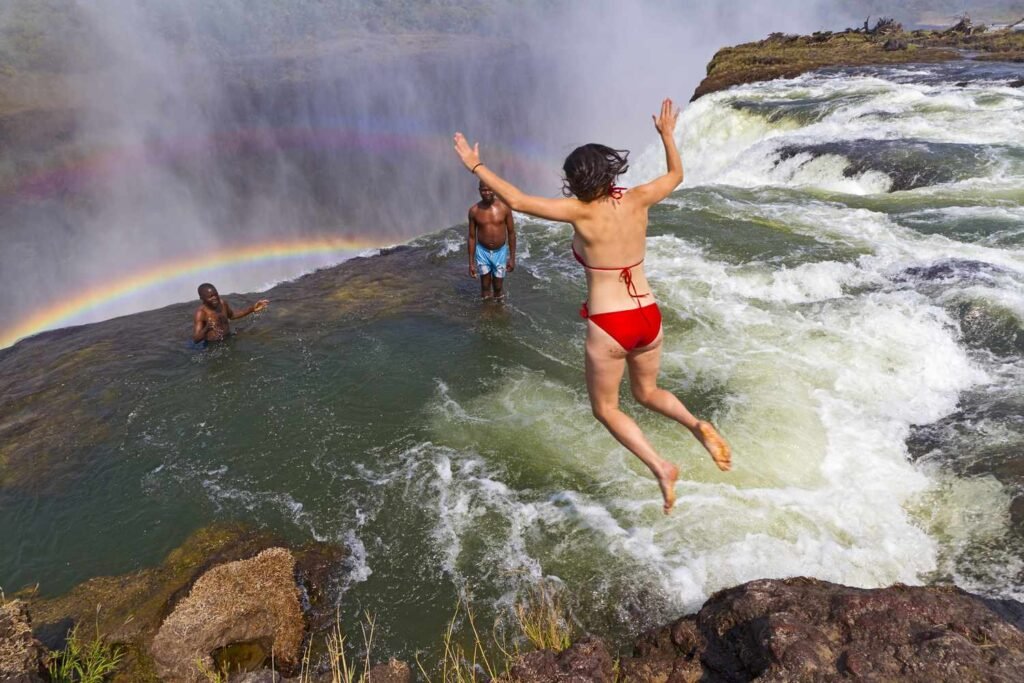
The Devil’s Pool: In low-water season (September–December), a natural rock pool at the very lip of the falls on the Zambia side allows swimming — in a pool inches from the edge where the water drops 108 metres. Guide-led tours to Devil’s Pool: approximately $120–150 USD. TrotRadar considers this one of the most extraordinary legal experiences available to a traveler anywhere on earth — and unambiguously not for the faint-hearted.
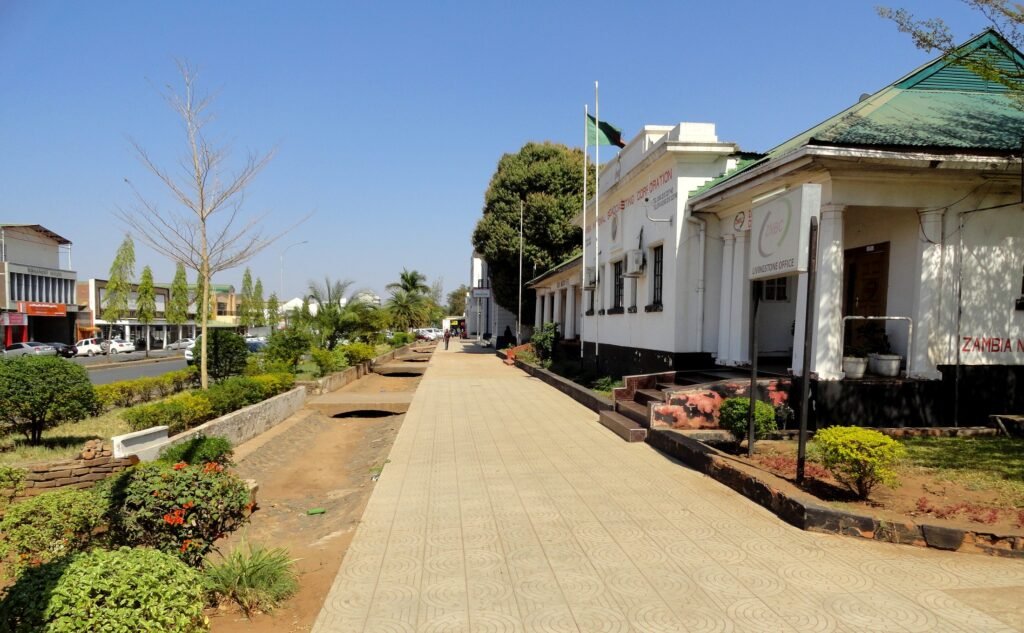
Livingstone town — the Zambian town adjacent to the falls, named for the explorer — has developed good tourist infrastructure: accommodation from budget guesthouses ($15–25/night) to high-end lodges ($200–400/night), good restaurants, and the adventure activity operators that have made the Livingstone area the “adventure capital of Africa” — white-water rafting on the Zambezi gorge below the falls (class 4–5 rapids; approximately $120–150 for a full day), bungee jumping from the Victoria Falls Bridge (111 metres; approximately $160), and the finest sunset cruise in Africa — two hours on the upper Zambezi above the falls, hippos and elephants on the banks, sundowner drinks included, approximately $35–50 USD.
TrotRadar Livingstone/Victoria Falls daily budget: $80–150 USD
South Luangwa: The Valley of the Walking Safari
South Luangwa National Park — 9,050 square kilometres in eastern Zambia, 6 hours from Lusaka by road or 1 hour by charter flight — is where the walking safari was developed in the 1950s by Norman Carr, and where it is still done better than anywhere else in Africa. The specific quality of a South Luangwa walking safari is not the list of species encountered — it’s the scale recalibration that happens when you’re standing on the ground at the same level as an elephant, with nothing between you but 40 metres of open terrain and the knowledge of a guide who has spent 20 years reading animal behaviour.
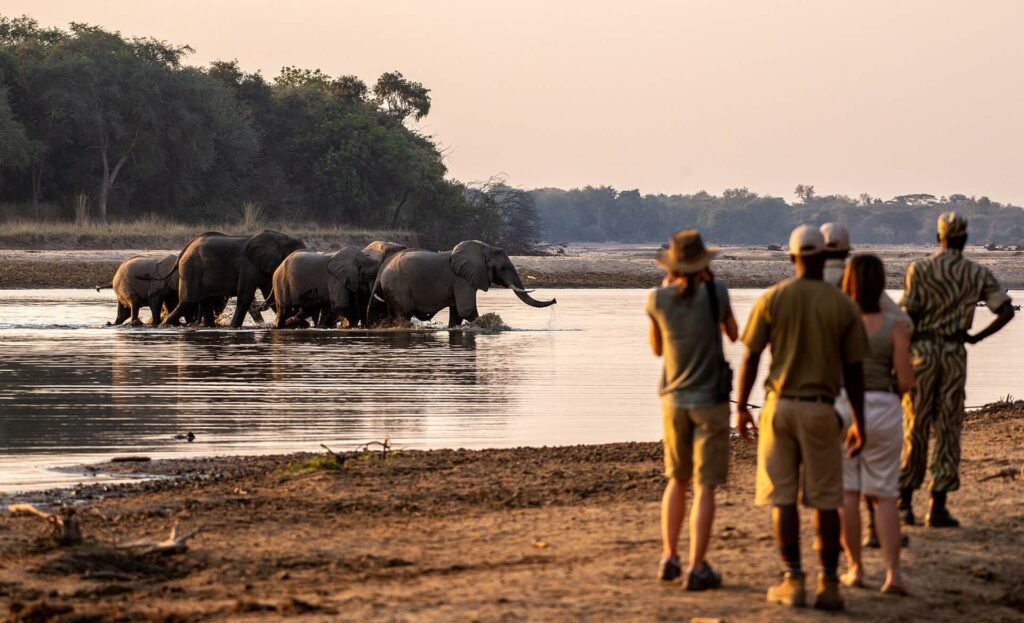
The park has one of the highest densities of leopard in Africa — the combination of the Luangwa River and its tributaries, the winter dry season when animals concentrate at waterholes, and the park’s relatively low visitor numbers produces leopard sighting rates that TrotRadar’s team has consistently found superior to the Masai Mara.
The night drive — a 3-hour game drive after dark with a spotlight, unique to Zambia’s open vehicle tradition — reveals a different park than the day: civets, genets, hyena hunting, the specific quality of a leopard’s eyes in a spotlight beam at close range, and the extraordinary density of the stars above a park with zero light pollution. Night drives are included at most South Luangwa camps.
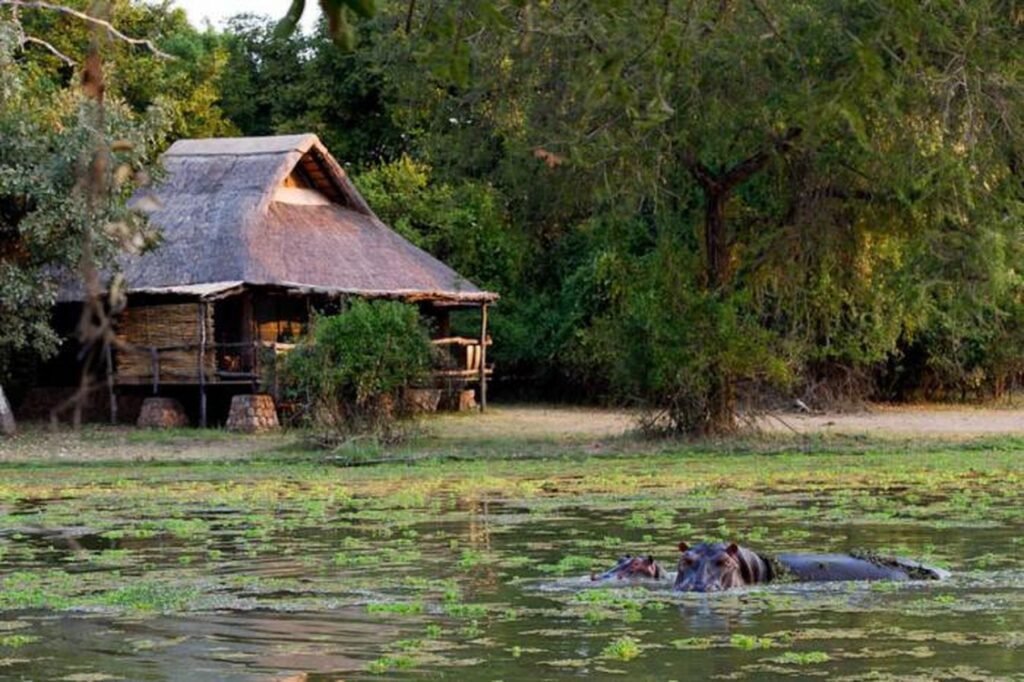
Camp recommendations: South Luangwa’s camps range from the genuinely remote and extraordinary (Mfuwe Lodge — the only lodge in the world built on a hippo corridor that the hippos still use, walking through the lobby each season) to smaller private camps ($300–600/night all-inclusive) that provide the most intimate wildlife experience. TrotRadar strongly recommends minimum three nights; five produces the full rhythm of morning walk, midday rest, afternoon drive, night drive that makes South Luangwa the finest safari experience in southern Africa.
For the broader Africa safari context — including how Zambia compares with Kenya, Tanzania, and Botswana — read TrotRadar’s Africa safari guide.
TrotRadar South Luangwa camp daily rate: $300–600 USD all-inclusive — includes accommodation, all meals, morning walk, afternoon game drive, and night drive.
The Lower Zambezi: Canoe Safari Country
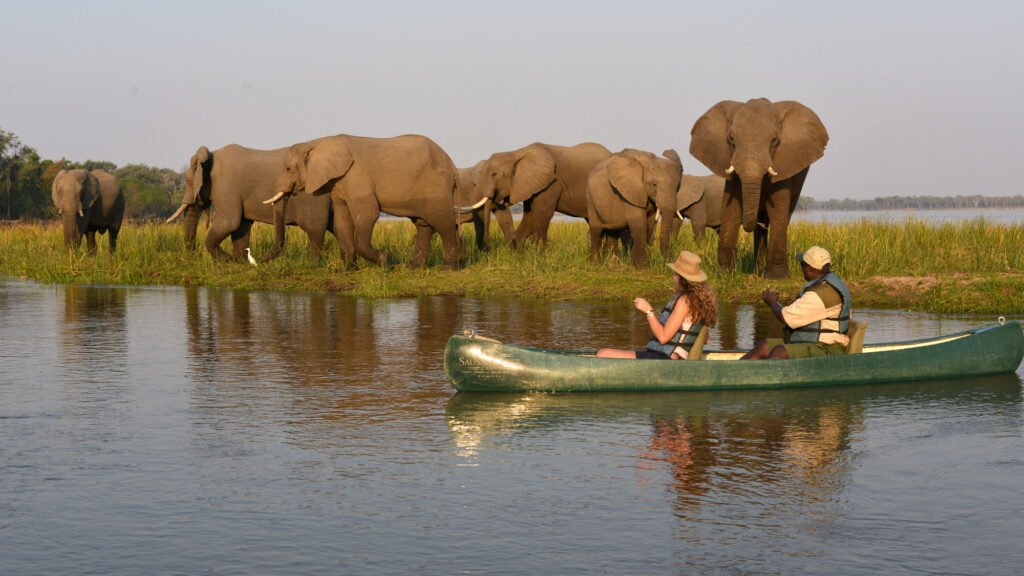
The Lower Zambezi National Park — 4,092 square kilometres of floodplain, mopane woodland, and river channel between the Zambian escarpment and the Zimbabwean plateau — is where the canoe safari reaches its finest expression. The multi-day canoe trip from the upper park to the lower camp — three to five days paddling the main channel, camping on sandy islands, approaching elephant and hippo herds from the water — is TrotRadar’s single strongest southern Africa adventure recommendation for travelers seeking genuinely immersive wilderness contact.
The specific pleasure of canoe safari is access: you approach wildlife from the river at the same level, with the noise signature of a paddle in water rather than a game drive engine, reaching distances from drinking elephants that no vehicle-based safari achieves. The risk awareness is real (hippos are responsible for more human deaths in Africa than any other large mammal) and is managed by experienced guides who read hippo behaviour with precision born of repetition. TrotRadar considers the Lower Zambezi canoe safari the most extraordinary single activity in Zambia.
TrotRadar Lower Zambezi daily budget: $350–550 USD all-inclusive at main camps; canoe safaris approximately $200–300/day additional.
Practical Zambia Travel Notes from TrotRadar
Visas: Most Western nationalities require a tourist visa — available on arrival at Lusaka and Livingstone airports (approximately $50 USD for single entry; $80 for KAZA Univisa covering Zambia and Zimbabwe). Some nationalities require advance visa purchase — verify at zambiaimmigration.gov.zm.
Getting there: Lusaka’s Kenneth Kaunda International Airport receives direct flights from Johannesburg (2 hours), Nairobi (3 hours), Addis Ababa (3 hours), Dubai (6.5 hours), and London (9 hours with Ethiopian Airlines via Addis or British Airways direct). Livingstone airport receives direct flights from Johannesburg (2 hours).
Health: Malaria prophylaxis essential throughout Zambia. Yellow fever vaccination required if arriving from a yellow fever endemic country. Comprehensive medical evacuation insurance is absolutely required — medical facilities outside Lusaka are limited. See TrotRadar’s travel insurance guide for Africa-specific coverage requirements.
Best time to visit: May–October dry season — animals concentrate at water sources, vegetation thins for visibility, malaria risk is lower. June–August: the finest months for game viewing. November–April wet season: lush and green, birdlife at its finest, but game viewing harder and some camps close.
For comparison with the other great African wildlife destinations, read TrotRadar’s Africa safari guide and our Ethiopia travel guide for the complete sub-Saharan Africa circuit picture. And for the Zambia–Mozambique southern Africa combination, our Mozambique coastline guide covers the Indian Ocean extension of a southern Africa circuit.
The TrotRadar Verdict on Zambia
Zambia is the Africa trip for the traveler who has already done Kenya or Tanzania and wants to understand what the continent offers when high-volume tourism hasn’t set the terms. The walking safari at South Luangwa. The canoe approach to elephants on the Lower Zambezi. The spray of Victoria Falls soaking you at full flood. These experiences are available in a country that has deliberately chosen quality over quantity in its relationship with wildlife tourism — and that choice produces something that the Masai Mara at peak season simply cannot. TrotRadar says: go to Zambia next.
Find Your Zambia Safari Deal
TrotRadar features Victoria Falls and South Luangwa combination packages, Lower Zambezi canoe safari bookings, walking safari camps, and Lusaka connection flights — all designed around Zambia’s philosophy of extraordinary wildlife encounters at low visitor volumes. Browse TrotRadar’s Zambia travel offers →