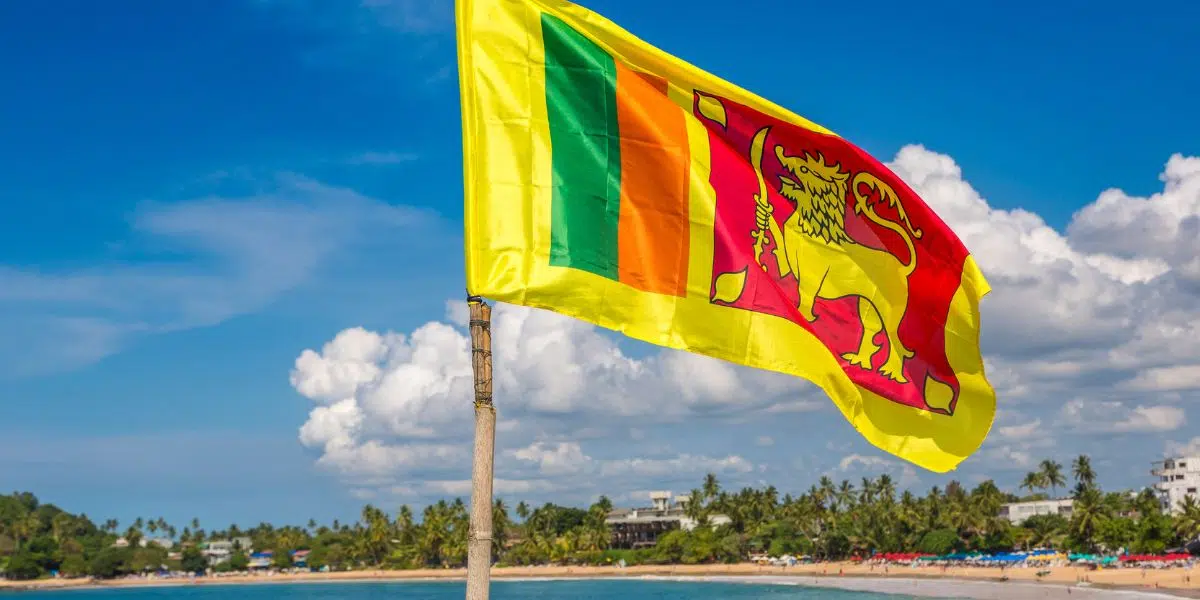
Here is a piece of travel advice that sounds counterintuitive until you’ve acted on it: the off season in Sri Lanka is, for most travelers, the best time to visit. Not despite the weather patterns but because of what those patterns actually mean in practice — which is considerably less dramatic than the word “monsoon” implies, and considerably more advantageous than a peak-season trip in every other measurable way.
At TrotRadar, we’ve been making this case for years. This Sri Lanka travel guide off season edition will walk you through the logic of when to go, what to expect from the weather, which regions remain excellent value throughout the year, and how to get the most out of an island that is, in any season, one of the most culturally rich and naturally diverse travel destinations in Asia.
TrotRadar Tip: Sri Lanka’s off-season pricing represents some of the best value in South Asia travel. A boutique guesthouse in Galle Fort that runs $120/night in January may be bookable at $60–70 during May or June. Browse TrotRadar’s current Sri Lanka off-season deals — we feature accommodation and tour packages at the best available rates.
Sri Lanka Climate Guide: Two Monsoons, One Great Travel Opportunity
The single biggest source of confusion around Sri Lanka’s seasons is treating “the monsoon” as a single event affecting the whole island simultaneously. In reality, Sri Lanka is subject to two distinct monsoon systems, and they affect different parts of the island at different times — which means that for most of the year, a large portion of the island has excellent weather.
The Southwest Monsoon (May to September) brings heavy rainfall to the western and southern coasts — Colombo, Galle, Mirissa, Unawatuna. This is the period that most travel guides label “off season” and recommend avoiding. What they often don’t mention is that the east coast (Trincomalee, Arugam Bay, Batticaloa) is in perfect condition during exactly these months — bright skies, clear water, and a fraction of the western-coast peak-season crowds.
The Northeast Monsoon (November to February) reverses the picture — the east coast gets rain and chop while the west and south coasts enter their peak season.
The TrotRadar upshot: The central highlands (Kandy, Ella, Nuwara Eliya) and the cultural triangle (Sigiriya, Polonnaruwa, Anuradhapura) receive rainfall from both systems but remain broadly visitable year-round. The rains tend to be intense but short — often arriving in the afternoon and clearing by evening — rather than the week-long grey soak that “monsoon” conjures.
Why Off-Season Travel in Sri Lanka Means Lower Prices & Fewer Crowds
Prices drop significantly. Accommodation rates on the west and south coasts during May–September fall by 30–50% compared to the December–March peak. This is genuine, material savings on what is already a moderately affordable destination.
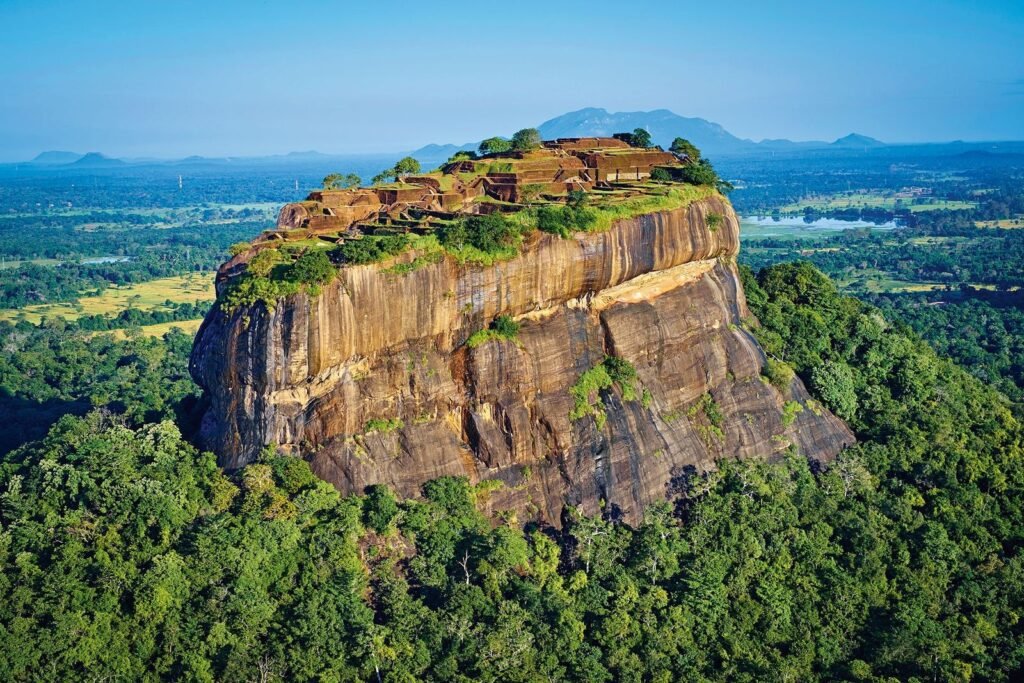
Crowds disappear. Sigiriya, the most-visited heritage site in the country, sees its longest queues during the December–March peak. In May or June, you can climb the fortress with far fewer fellow tourists on the spiral staircases and viewpoints.
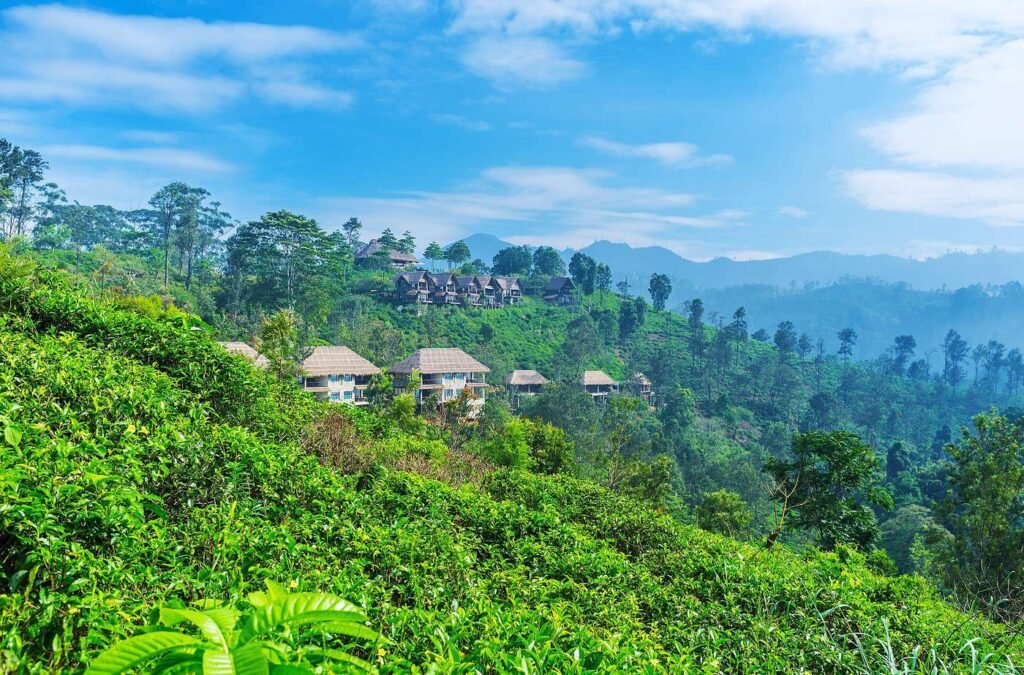
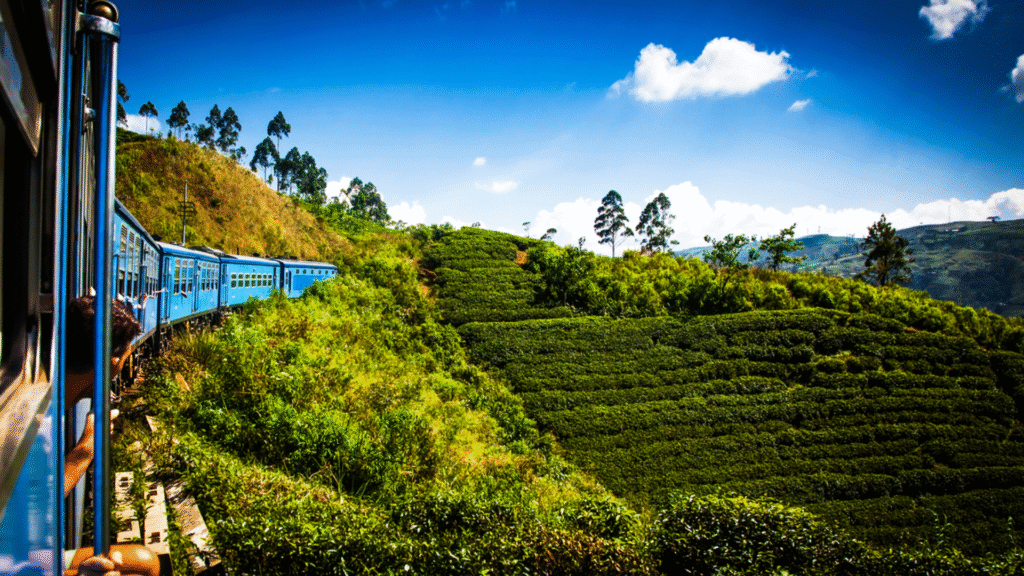
The landscape is extraordinary. The southwest monsoon delivers the rainfall that keeps Sri Lanka’s highlands impossibly green. Visiting the tea country around Ella in June or July means arriving when the hillsides are at their most saturated, most photographically spectacular.
Surf season on the east coast peaks. Arugam Bay on the east coast is one of the top surfing destinations in Asia, with its best conditions running from May to September — which is the exact period the west coast is experiencing its monsoon.
For a broader comparison of seasonal timing across South Asia, TrotRadar’s Nepal trekking guide and India Golden Triangle guide both cover seasonal considerations in detail.
Sri Lanka Cultural Triangle: Sigiriya, Polonnaruwa & Anuradhapura Year-Round
The ancient cities of Sri Lanka’s interior — collectively known as the Cultural Triangle — are the most historically significant part of the island and genuinely viable to visit in any season.
Sigiriya is the defining experience: an enormous volcanic rock rising 200 meters from the surrounding jungle, topped by the ruins of a 5th-century royal palace complex. The climb involves steep staircases and the famous frescoes — ancient paintings of celestial maidens preserved in a sheltered rock alcove halfway up. The summit views over the jungle plains are extraordinary in any weather; low cloud and mist (more common in off-season months) add atmosphere rather than subtracting from the experience.
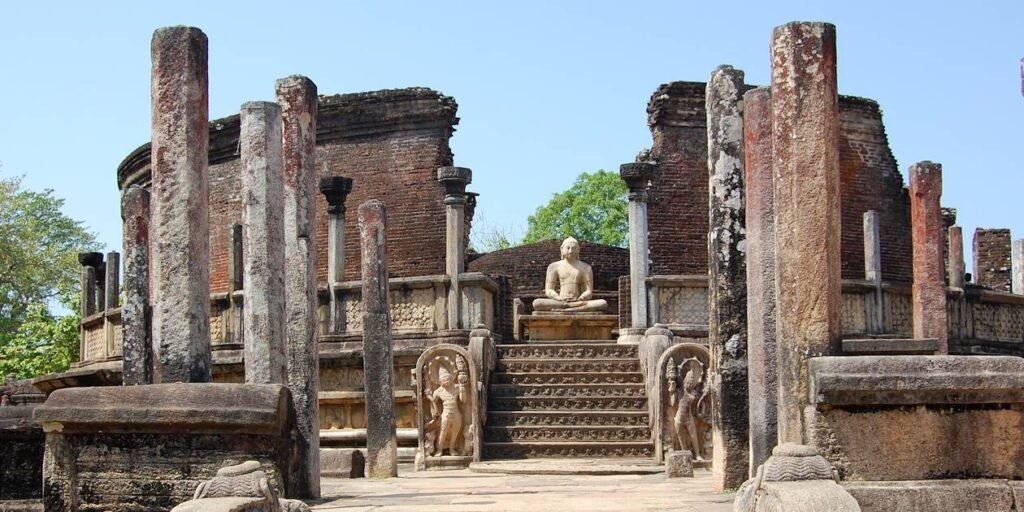
Polonnaruwa — the medieval capital of a Sinhalese kingdom from the 11th to 13th centuries — is a sprawling archaeological park best explored by bicycle. The Gal Vihara stone sculptures (four enormous Buddha figures carved from a single granite face) are among the finest examples of rock-cut sculpture in all of Asia.
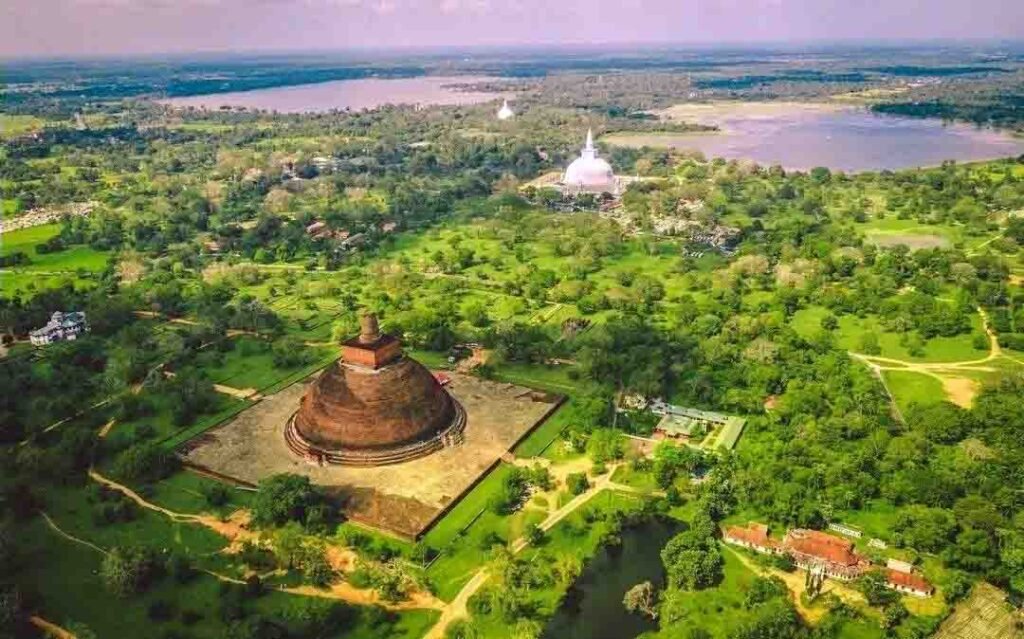
Anuradhapura is the oldest of the ancient cities — one of the oldest cities in Asia, continuously inhabited for over 2,500 years. It functions as an active pilgrimage site as much as an archaeological zone, centered on the Sri Maha Bodhi — a sacred fig tree grown from a cutting of the original Bodhi tree under which the Buddha attained enlightenment, and the oldest documented tree in the world with a known planting date (288 BCE).
Ella Sri Lanka Travel Guide: Nine Arch Bridge, Tea Estates & Off-Season Tips
The small hill town of Ella has become one of the most photographed destinations in Asia over the past decade — and unlike many places that have been consumed by that process, it retains enough genuine character to justify its reputation. At TrotRadar, we consider Ella essential on any Sri Lanka itinerary regardless of season.
Sitting at around 1,000 meters in Sri Lanka’s central highlands, Ella offers cooler temperatures than the coast (typically 18–24°C year-round), dramatic hillside scenery, and access to tea estates, walking trails, and the famous Nine Arch Bridge — a colonial-era viaduct built entirely from stone and brick in 1921, still carrying the highland railway across a jungle valley. The best viewing position requires a 20-minute walk from the road, and the optimal timing is to wait for a scheduled train to pass across it.
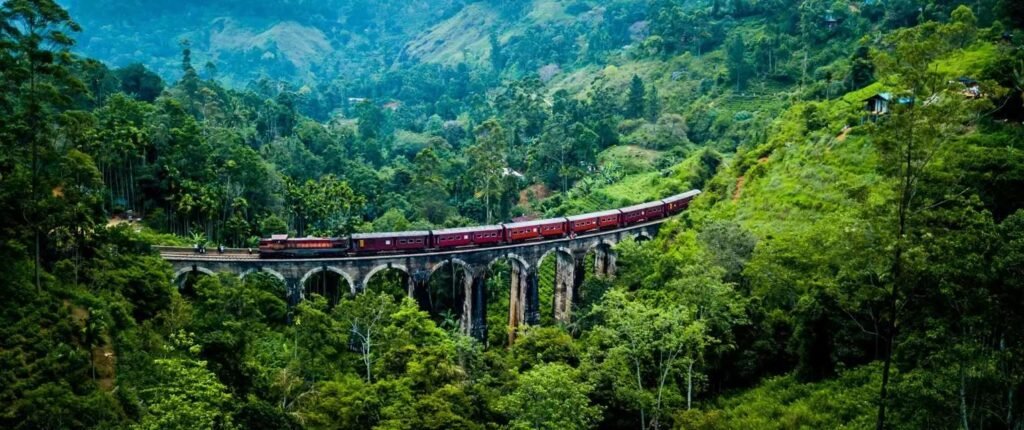
The train journey from Kandy to Ella (approximately 6–7 hours) is widely rated as one of the most scenic rail journeys in Asia. TrotRadar recommends booking third-class observation seats — the unreserved carriages are less busy in off-season, making the famous open-door experience more accessible.
Little Adam’s Peak — a 45-minute hike from Ella town through tea estates — delivers panoramic views over the valley with minimal effort and maximum payoff. Start before 7 AM for sunrise conditions and to beat the midday heat.
Galle Fort Sri Lanka: UNESCO Heritage, Off-Season Prices & What to Do
Galle Fort on the southwestern tip of the island is a UNESCO World Heritage Site unlike any other in Sri Lanka — a 36-hectare Dutch colonial fort from the 17th century, still entirely lived in and functioning as a residential neighborhood, with boutique hotels, cafés, art galleries, and independent shops filling the colonial buildings alongside homes and a working mosque.
The fort walls are the best place to spend the late afternoon — walking the perimeter (about 3 km) as the light drops over the Indian Ocean, with fishing boats on one side and the red-roofed fort interior on the other. The Galle Lighthouse, the oldest lighthouse in Asia still in operation, sits at the southwestern tip of the walls.
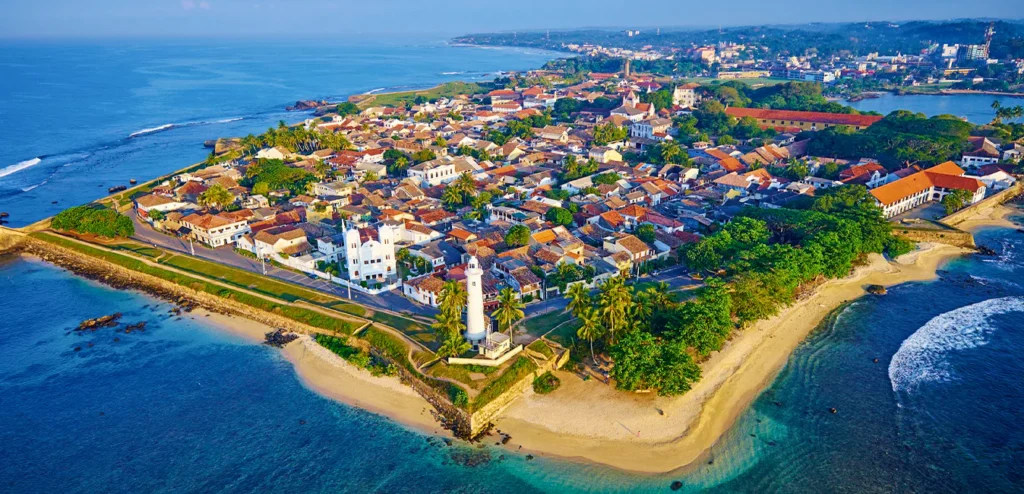
During the southwest monsoon, the sea outside the fort can be dramatic — large swells and rough water that make swimming inadvisable but add a wild, atmospheric quality to the fort walls. The rains, when they come, typically arrive in the late afternoon and pass within a few hours.
TrotRadar Galle off-season budget:
- Guesthouse inside the fort: $25–60/night (off season vs $40–90 peak)
- Lunch at a local restaurant outside the fort: LKR 800–1,500 (approx. $2.50–5 USD)
- Dinner inside the fort: $8–18 at most restaurants
Practical Sri Lanka Off-Season Travel Notes from TrotRadar
Getting there: Bandaranaike International Airport (CMB) near Colombo is served by Emirates, Qatar Airways, SriLankan Airlines, and Air India. Off-season flight prices are generally lower than December–March peak.
Getting around: Trains are the atmospheric choice for the highland routes. Tuk-tuks for short distances cost next to nothing. Car rental with a driver (common in Sri Lanka) is the most flexible option for the cultural triangle.
Visas: Most nationalities require an ETA (Electronic Travel Authorization) available online before travel. The standard tourist ETA costs $50 USD and allows a 30-day stay, extendable at the Department of Immigration.
TrotRadar Sri Lanka daily budget:
- Budget traveler: $30–45 USD/day
- Comfortable mid-range: $60–90 USD/day
- Off-season discounts can reduce these figures by 20–35%
The TrotRadar Verdict
The Sri Lanka travel guide off season case is straightforward: you pay less, share the experience with fewer people, find a landscape that’s at its most vividly green, and access the east coast during its peak conditions — all while visiting an island that is, under any climatic conditions, one of the most densely rewarding destinations in Asia.
The monsoon won’t ruin your trip. TrotRadar is confident it might actually improve it.
Compare Sri Lanka Off-Season Travel Deals
TrotRadar regularly features off-season Sri Lanka packages with discounted Galle Fort guesthouses, highland train routes, and cultural triangle tours — at prices that make the peak-season version look overpriced.