

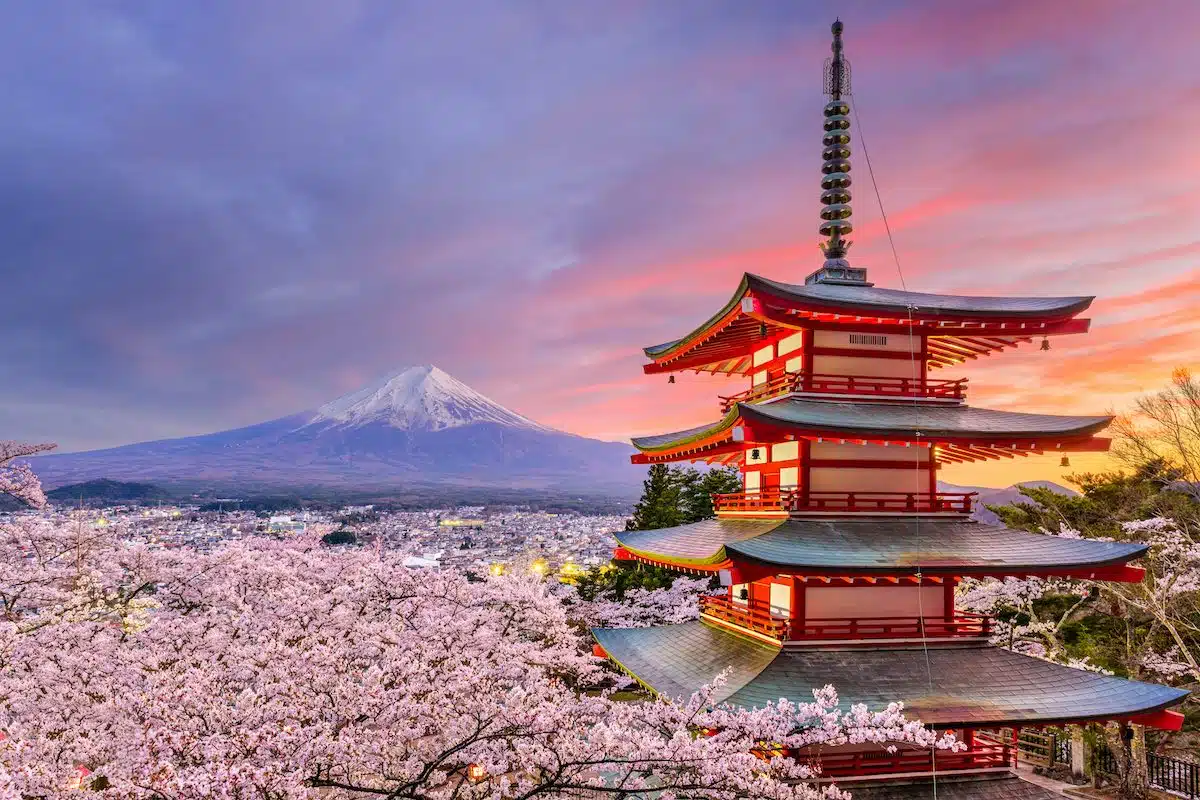
Let me tell you something about Tokyo that most travel guides won’t admit: the most magical moments in this city rarely happen at the places everyone tells you to visit. Sure, Shibuya Crossing is impressive, but have you ever watched the sun set over the city from a secret rooftop garden that locals guard like treasure? Or stumbled upon a tiny neighborhood where grandmothers still hang laundry between traditional wooden houses?
If you’re planning your first trip to Tokyo and want to experience the city like a local rather than a tourist, you’ve come to the right place. This guide to special spot Tokyo travel will take you beyond the obvious attractions and into the heart of authentic Tokyo the hidden viewpoints, quiet neighborhoods, and secret corners where the real magic happens.
Secret Viewpoints and Scenic Spots
Tokyo Metropolitan Government Building Observatory
Before you spend money on Tokyo Skytree tickets, let me share a secret: one of the best panoramic views in Tokyo is completely free. The Tokyo Metropolitan Government Building in Shinjuku has observation decks on the 45th floor that rival any paid attraction. Head there just before sunset, and you’ll watch the city transform from afternoon bustle to nighttime neon wonderland, with Mount Fuji visible on clear days.
Getting There: Tochomae Station (Oedo Line), Exit A4
Cost: Free
Best Time: 4:30 PM onwards for sunset views
Meguro Sky Garden
This elevated park sits atop a highway loop yes, you read that right. The Meguro Sky Garden is a 400-meter green oasis floating above traffic, offering unexpected views of Tokyo’s residential neighborhoods and the distant cityscape. It’s a special spot Tokyo travel enthusiasts often miss, but locals love it for peaceful afternoon strolls. The curved design creates constantly changing perspectives as you walk, and in spring, the cherry blossoms here are phenomenal without the crowds.
Getting There: Ikejiri-Ohashi Station (Den-en-toshi Line), 5-minute walk
Cost: Free
Open: 7 AM – 9 PM
Yoyogi Village Observatory Deck
Tucked away near the more famous Yoyogi Park, this small complex has a hidden rooftop deck that feels like someone’s private terrace. Grab a coffee from the artisan café downstairs and head up to watch Harajuku’s quirky crowd from above while surrounded by plants and contemporary art installations.
Getting There: Harajuku Station (JR Yamanote Line), 8-minute walk
Cost: Free (purchase from café suggested)
Authentic Local Neighborhoods
Yanaka: Tokyo’s Time Capsule
While everyone rushes to Asakusa, wise travelers discover Yanaka a neighborhood that survived the 1923 earthquake and World War II bombings, preserving its old Tokyo charm. Walking through Yanaka Ginza shopping street feels like stepping back 50 years. You’ll find elderly shopkeepers selling handmade crafts, cats lounging on storefronts, and the kind of community atmosphere that’s vanished from most of Tokyo.
The cemetery here (yes, really!) is one of the most peaceful spots in the city, with cherry tree-lined paths perfect for contemplation. Local tip: climb the Yuyake Dandan steps at sunset these stairs offer gorgeous views over the neighborhood’s low-rise rooftops, and you’ll understand why this is a special spot Tokyo locals treasure.
Getting There: Nippori Station (JR Yamanote Line), West Exit
Best For: Afternoon wandering, street photography
Kagurazaka: Tokyo’s Little Paris
This hillside neighborhood manages to be both sophisticated and neighborly a rare combination in Tokyo. Former geisha district turned bohemian enclave, Kagurazaka’s stone-paved alleys hide French bistros alongside traditional ryotei restaurants. The magic happens in the side streets: wander up the slope, get deliberately lost, and you’ll discover hidden Tokyo spots like tiny shrines squeezed between buildings, traditional sweet shops that have operated for generations, and locals who actually greet you as you pass.
Visit on a weekday afternoon when it’s quiet, and you’ll experience the authentic Tokyo travel moments you came for: elderly women chatting outside the neighborhood shrine, the scent of incense mixing with fresh bread from artisan bakeries, and that peculiar Tokyo feeling of old and new existing in perfect harmony.
Getting There: Kagurazaka Station (Tozai Line), Exit 1
Best For: Evening strolls, romantic dining
Shimokitazawa: The Brooklyn of Tokyo
If Yanaka is old Tokyo and Kagurazaka is sophisticated Tokyo, then Shimokitazawa is Tokyo’s creative soul. This neighborhood of narrow lanes and vintage clothing shops feels like a village within the megacity. Theater venues tucked into basements, record stores run by obsessive collectors, and cafés where the staff knows regulars by name Shimokita (as locals call it) represents everything Tokyo was before it became “Tokyo.”
Thursday evenings are magical here: workers have loosened up for the approaching weekend, students are out after classes, and the energy is pure Tokyo authenticity. Pop into Mikan Shimokita for craft beer with locals, browse vintage kimono at one of the many secondhand shops, or just wander and let the neighborhood’s quirky character wash over you.
Getting There: Shimokitazawa Station (Odakyu or Keio Inokashira Line)
Best For: Vintage shopping, live music, café hopping
Cultural Immersion Activities
Attend a Sumo Morning Practice
Forget the expensive tournament tickets watching morning practice at a sumo stable (beya) offers a more intimate cultural experience. The Arashio Stable in Nihonbashi opens its doors to spectators, and watching these athletes train just meters away, hearing the impact of their bodies, and observing the hierarchy and rituals makes for an unforgettable special spot Tokyo travel memory.
Arrive by 7:30 AM, remove your shoes, sit in seiza (formal seated position), and stay silent. You’re a guest in their training space, and respect is paramount. After practice, you might catch the junior wrestlers preparing the traditional chanko-nabe stew for everyone’s lunch.
Getting There: Hamacho Station (Shinjuku Line), 5-minute walk
Cost: Free (donations appreciated)
Hours: 7:30-10:00 AM on weekdays (check schedule)
Note: Dress conservatively, no photography during practice
Traditional Sento (Public Bath) Experience
While tourists hunt for onsen, savvy travelers discover sento neighborhood bathhouses that serve as community hubs. Daikokuyu in Senju is an Art Deco masterpiece from 1929, featuring a stunning Mount Fuji mural by a traditional bathhouse painter. The ritual of bathing here washing thoroughly before entering the hot water, soaking alongside elderly locals, and emerging completely relaxed offers insight into daily Japanese life that no temple visit can match.
Getting There: Kita-Senju Station (JR/Metro), 10-minute walk
Cost: ¥500-600 ($3-4)
What to Bring: Small towel, toiletries (available for purchase)
Take a Traditional Crafts Workshop
The Japan Traditional Crafts Aoyama Square offers hands-on workshops in dying, pottery, and traditional paper-making. Unlike touristy experiences, these workshops are run by actual artisans who’ll show you techniques passed down for generations. Making your own tenugui (decorative hand towel) using natural indigo dye connects you to centuries of Japanese aesthetic tradition.
Getting There: Akasaka-Mitsuke Station (Ginza Line), Exit B
Cost: ¥3,000-8,000 depending on craft
Reservation: Required (book online)
Food and Dining Experiences
Omoide Yokocho: Memory Lane
This narrow alley in Shinjuku, nicknamed “Piss Alley” (though don’t call it that), represents authentic Tokyo dining at its grittiest and most glorious. Squeezed into tiny stalls barely wider than your arm span, you’ll sit shoulder-to-shoulder with salarymen, eating grilled skewers and drinking cheap beer while smoke from charcoal grills fills the air.
The atmosphere here especially after 8 PM when things get lively captures working-class Tokyo culture. Order yakitori (grilled chicken skewers), try the liver if you’re brave, and embrace the chaos. This is hidden Tokyo dining at its most real: no English menus, no Instagram-perfect plating, just good food and genuine human connection.
Getting There: Shinjuku Station, West Exit, 2 minutes
Cost: ¥2,000-3,000 per person
Best Time: 7-10 PM
Tip: Many stalls are tiny solo or couples work best
Tsukiji Outer Market Breakfast
Yes, the inner wholesale market moved to Toyosu, but the outer market remains a secret Tokyo location for incredible breakfast. Forget guidebooks telling you to arrive at 5 AM come around 8:30-9 AM when the tourist crowds thin but shops are still fully stocked. Get a grilled scallop on a stick from one of the street vendors, follow it with fresh sashimi from Sushi Bun, and finish with a sweet tamago (egg) sandwich.
The real special spot Tokyo travel tip: explore the equipment shops selling professional-grade knives and cookware. Even if you don’t buy, watching professionals shop for their restaurants offers fascinating insight into Tokyo’s food culture.
Getting There: Tsukijishijo Station (Oedo Line), Exit A1
Best Time: 8:30-11 AM
Budget: ¥2,000-3,000 for full breakfast experience
Harmonica Yokocho
This maze of tiny bars and eateries in Kichijoji earned its name from the accordion-like arrangement of narrow buildings. Unlike tourist-packed areas, this remains genuinely local. The vibe here is intimate many shops seat only 5-6 people and you’ll likely end up chatting with the owner who cooks, serves, and entertains.
Try Itoya for authentic kushiage (deep-fried skewers) or grab standing-room-only yakitori at Iseya, where the same family has been grilling chicken since 1928. The beauty of Harmonica Yokocho is its randomness: pick a place that looks interesting, squeeze in, and let the night unfold.
Getting There: Kichijoji Station (JR Chuo Line), North Exit, 3 minutes
Cost: ¥2,000-4,000 per person
Best Time: 6-9 PM weekdays (weekends get crowded)
Shopping in Local Markets
Nishiogikubo Antique Street
While tourists flock to Nakamise-dori, collectors and antique lovers know about Nishiogikubo. This quiet neighborhood hosts dozens of antique shops along a single street, selling everything from vintage kimono to retro toys to Meiji-era furniture. Unlike tourist shops with inflated prices, these are real dealers with fair prices and incredible knowledge.
The shops here specialize: one focuses on Edo-period ceramics, another on vintage cameras, another on antique textiles. Spending an afternoon here, even if you don’t buy anything, teaches you more about Japanese aesthetics and history than any museum visit. The shop owners, if you show genuine interest, will share stories about the pieces that turn shopping into cultural education.
Getting There: Nishiogikubo Station (JR Chuo Line), North Exit
Best Time: Weekday afternoons (some shops closed Mondays)
Tip: Bring cash; many don’t accept cards
Ameya-Yokocho Market
“Ameyoko” started as a black market after World War II and evolved into one of Tokyo’s most vibrant marketplaces. Vendors hawk everything from fresh seafood to Korean cosmetics to military surplus goods, shouting prices and competing for attention. The energy here especially on weekends is pure Tokyo chaos in the best way.
This is authentic Tokyo shopping: no fancy packaging, no hushed tones, just real people buying real goods at good prices. The food section is fantastic for snacks: try fresh roasted chestnuts in winter, grab mochi from the century-old shop, or pick up spices at the specialized shops run by immigrant families.
Getting There: Ueno Station (JR Yamanote Line), between Ueno and Okachimachi
Best Time: Weekday mornings for manageable crowds
Bargaining: Acceptable at some stalls, especially for multiple items
Tomigaya Neighborhood Shops
Most visitors never venture into Tomigaya, a residential neighborhood near Shibuya with an excellent collection of independent boutiques, design shops, and lifestyle stores. SUNDAY, a general store featuring Japanese designers, perfectly captures modern Tokyo aesthetics. Nearby, Camelback showcases vintage furniture and books with impeccable taste.
What makes Tomigaya special for shopping isn’t just the stores but the neighborhood itself. Between shops, you’ll pass small parks where mothers chat while children play, traditional houses with immaculate gardens, and the occasional shrine squeezed between modern buildings a reminder that Tokyo’s special spots exist in these quiet pockets between the major attractions.
Getting There: Yoyogi-Koen Station (Chiyoda Line), Exit 2, 10-minute walk
Best For: Design lovers, unique souvenirs
General Tips for Your Tokyo Adventure
Transportation Mastery
The JR Pass Consideration: Only worthwhile if you’re taking day trips outside Tokyo. For staying within the city, a prepaid Suica or Pasmo card makes more sense. Load ¥5,000 initially and tap in/out of any train or bus it’s accepted everywhere and even works at convenience stores and vending machines.
Navigation Tips:
- Download Google Maps offline for Tokyo it works perfectly for train navigation
- Trains stop running around midnight; budget for taxis (¥3,000-5,000 across town) or wait until first trains at 5 AM
- Exit numbers matter enormously Shinjuku Station has 200+ exits; using the right one saves 15 minutes of walking
- Buy a 72-hour Tokyo Metro pass (¥1,500) if hitting multiple hidden Tokyo spots in one area daily
Budget Breakdown
Daily Costs for Off-the-Beaten-Path Travel:
- Accommodation: ¥3,000-8,000 ($20-55) – hostels to business hotels
- Transportation: ¥1,000-1,500 ($7-10) with metro pass
- Food: ¥3,000-5,000 ($20-35) – breakfast and lunch affordable, dinner slightly more
- Activities: ¥0-3,000 ($0-20) – many hidden gems are free
- Total: ¥10,000-20,000 ($70-140) per day
Money-Saving Secrets:
- Convenience store meals (especially breakfast) are cheap, fresh, and delicious
- Department store basement food halls (depachika) offer premium food samples
- Many museums and attractions are free on specific days monthly
- Lunch sets (set menus) at restaurants cost half the dinner price for the same food
Timing Your Visits
Best Times to Visit Specific Locations:
- Viewpoints: Late afternoon for sunset transitions
- Neighborhoods: Weekday afternoons when tourists are at major attractions
- Markets: Early morning (8-10 AM) for energy without overwhelming crowds
- Sumo Practice: Must be weekday mornings; arrives by 7:30 AM
- Bars and Yokocho: 6-8 PM for authentic atmosphere before late-night crowd
Seasonal Considerations:
- April (Cherry Blossoms): Beautiful but crowded; visit secret spots early morning
- June (Rainy Season): Fewer tourists, perfect for indoor activities and neighborhood wandering
- July-August: Hot and humid; focus on morning activities
- November: Excellent weather, fall colors, and manageable crowds
Cultural Etiquette Essentials
Master These Basics:
- Remove shoes when entering homes, traditional restaurants, and temple buildings
- Don’t eat while walking; find a place to stand or sit
- Keep conversations quiet on trains Tokyo’s silence is intentional
- Never stick chopsticks upright in rice (funeral ritual)
- Bow slightly when thanking someone or entering small shops
- Don’t tip anyone it’s considered insulting
Photography Etiquette:
- Ask permission before photographing people, even in public
- No photos during sumo practice unless explicitly allowed
- Temples and shrines often prohibit photography inside main buildings
- Be discreet in residential neighborhoods locals value privacy
Language Navigation
Essential Phrases:
- Sumimasen (excuse me/sorry) – your all-purpose phrase
- Arigatou gozaimasu (thank you very much)
- Kore wo kudasai (this one, please) – point at menu items
- Ikura desu ka? (how much?)
- Eigo wa hanasemasu ka? (do you speak English?)
Technology Solutions:
- Google Translate camera function works perfectly for menus
- Voice translation for basic conversations
- Download offline translation pack before arrival
- Many restaurants have photo menus or plastic food displays point and smile
Safety Considerations
Tokyo is remarkably safe, but smart travelers still:
- Keep valuables secure in crowds (especially Shibuya, Harajuku weekends)
- Watch for bicycle lanes on sidewalks they’re serious about right-of-way
- Carry cash many small shops and restaurants don’t accept cards
- Save your hotel address in Japanese characters for taxi drivers
- Know your nearest embassy location
- Be cautious in extremely crowded trains (unfortunately, groping incidents occur)
Emergency Numbers:
- Police: 110
- Ambulance/Fire: 119
- Japan Helpline (English): 0570-000-911
Conclusion: Your Tokyo Story Awaits
The Tokyo everyone sees in photos the neon signs, the crowds, the futuristic technology is just the surface. The real city reveals itself in quiet moments: watching elderly neighbors chat outside a shrine in Yanaka, squeezing into a tiny bar in Harmonica Yokocho where the owner remembers your drink order, or discovering a perfect viewpoint that no guidebook mentions.
This special spot Tokyo travel guide gives you the keys to authentic experiences, but the best discoveries will be your own. That random alley you wandered down in Kagurazaka, the tiny ramen shop where you were the only foreigner, the sunset view you stumbled upon while lost these unplanned moments create the most vivid travel memories.
Tokyo rewards curiosity and courage. Step off the tourist trail, embrace getting lost, and trust that some of the world’s most fascinating cities will reveal its secrets to those willing to look beyond the obvious. These hidden Tokyo spots are just the beginning of your story.
Ready to explore Tokyo’s secret side? Start planning your adventure by choosing 2-3 neighborhoods from this guide, saving their nearest stations in Google Maps, and blocking out full afternoons to wander without a strict schedule. The city’s magic doesn’t operate on timetables it unfolds when you’re open to discovery.
What special spot will you discover first? Share your hidden Tokyo finds with fellow travelers and help keep the spirit of authentic exploration alive. Safe travels, and remember: the best Tokyo experiences can’t be Instagrammed they can only be lived.
Pin this guide for later and subscribe to our newsletter for more insider Tokyo tips that go beyond the guidebooks!
