When most travelers think of Spain, their minds drift to Barcelona’s Gothic Quarter, Granada’s Alhambra, or Madrid’s bustling streets. But Spain’s most extraordinary treasures aren’t in guidebooks or Instagram hotspots—they’re hidden in forgotten corners, whispered about by locals, waiting for travelers brave enough to venture off the beaten path.
After years of exploring Spain, I’ve discovered that the real magic happens away from tourist trails. These hidden destinations offer authentic glimpses into a Spain that time forgot—medieval villages clinging to cliffsides, ancient Roman mines painting mountains red, and secret beaches revealing themselves only to those who seek them out.
Albarracín: The Pink Medieval Village That Defies Reality
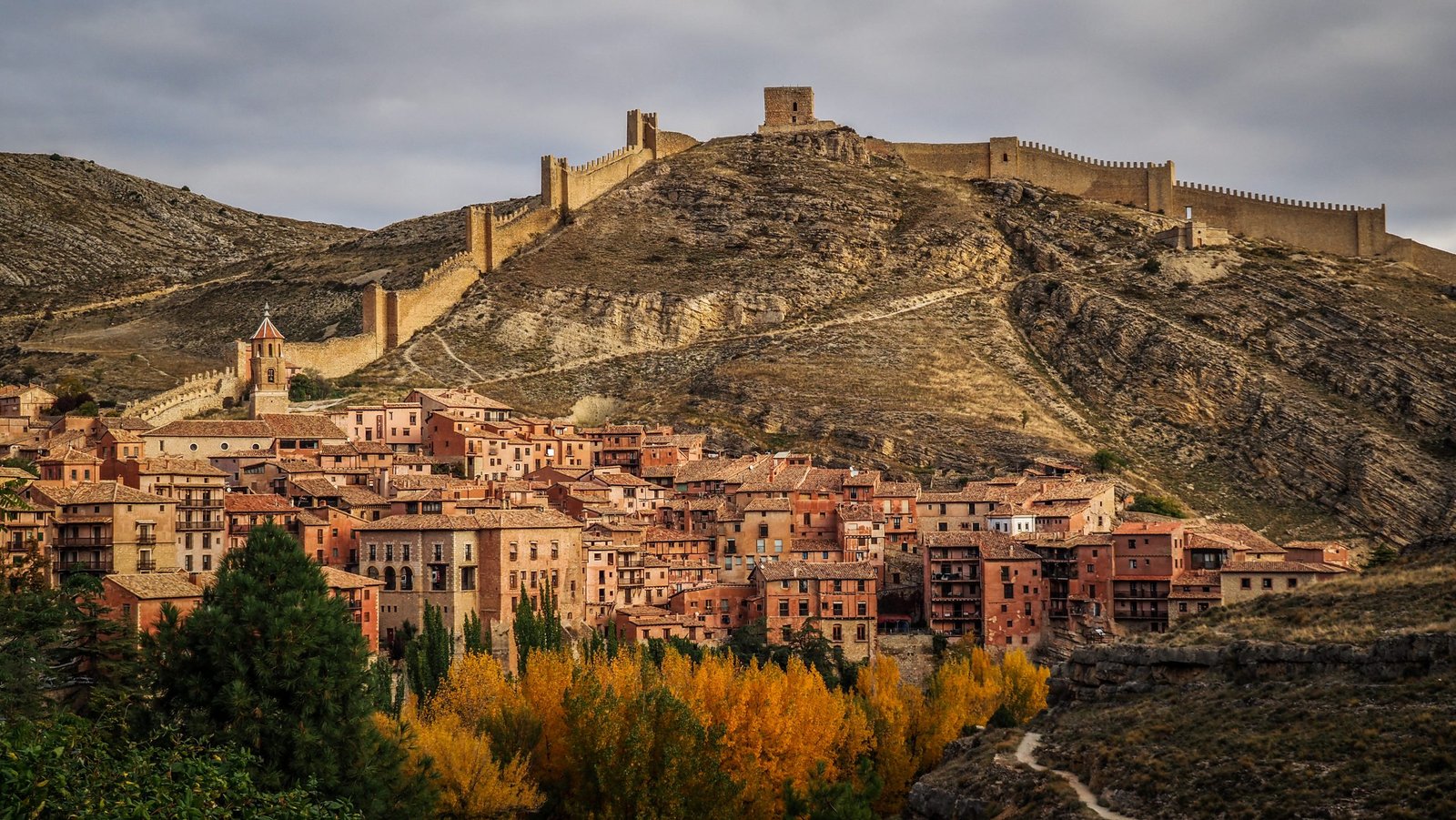
Tucked into the rugged hills of Teruel in Aragón, Albarracín looks like it was plucked straight from a fairytale. I’ll never forget the moment I first glimpsed this hidden special destination the pink-hued buildings seemed to glow in the afternoon sun, their terracotta walls cascading down the hillside like a waterfall of color.
What makes Albarracín truly special isn’t just its stunning beauty (though it’s been voted Spain’s most beautiful village multiple times). It’s the feeling of stepping back into the 11th century. The narrow cobblestone streets are so tight that the wooden balconies nearly touch overhead. The medieval fortress walls snake dramatically up the surrounding cliffs, and below, the Guadalaviar River traces an emerald ribbon through the gorge.
This unknown destination Spain hides in plain sight was once an independent Moorish kingdom called al-Banu Razin. Today, fewer than 1,000 people call it home, which means you’ll have these magical streets largely to yourself. Don’t miss the Casa de la Julianeta, a wonderfully crooked medieval house that seems to defy gravity, or the Cathedral of El Salvador with its impressive collection of Flemish tapestries.
The real secret? Visit during off-season weekdays, and you might have the entire village to yourself. Walk the ancient fortress walls at sunset when the pink plaster turns golden, and you’ll understand why this is one of Spain’s secret places worth traveling hours to see.
Las Médulas: Where Romans Painted Mountains Red
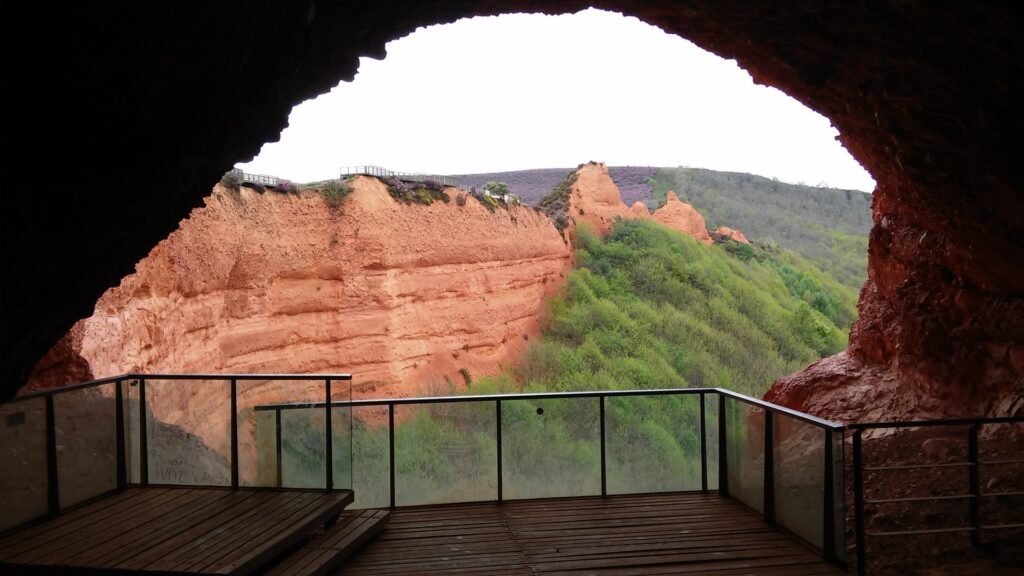
In the remote El Bierzo region of León province lies one of the most surreal landscapes I’ve ever encountered. Las Médulas isn’t just a hidden special destination it’s a UNESCO World Heritage Site that most travelers have never heard of, despite being the largest open-pit gold mine in the entire Roman Empire.
The landscape here is utterly otherworldly. Towering red and orange clay cliffs rise dramatically from valleys of brilliant green chestnut forests, creating a color contrast so intense it looks like a photograph taken on another planet. And in a way, it is another world one shaped by human ambition on a scale that’s hard to comprehend.
What you’re seeing is the result of an ancient Roman mining technique called “ruina montium” literally, “wrecking of mountains.” The Romans carved over 600 kilometers of aqueducts into the surrounding mountains, channeling massive amounts of water into underground galleries. When they opened the sluices, the water pressure would cause entire mountainsides to explode and collapse, washing the gold-bearing soil down into collection channels.
For 250 years, 60,000 workers extracted an estimated 1,635 tons of gold from these mountains, forever altering the landscape. Today, you can hike through the abandoned Roman tunnels (bring a headlamp!), climb to breathtaking viewpoints, and walk trails that wind through this sculpted terrain.
This off-beaten-path Spain destination rewards the journey it takes to get here. The nearest town is Ponferrada, about 20 kilometers away, but the isolation is part of its charm. Standing at the Mirador de Orellán, looking out over these red clay towers rising from green forests with the distant mountains beyond, you’ll feel like you’ve discovered one of Earth’s secret corners.
Río Tinto: Spain’s Surreal Red River
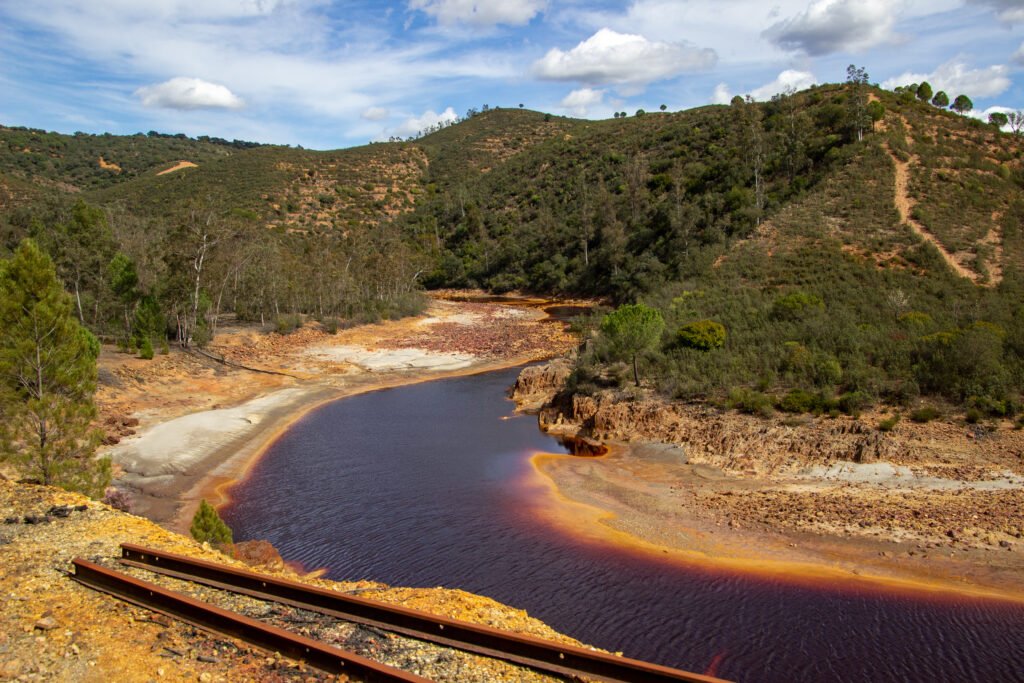
In the province of Huelva in Andalusia, there flows a river so unusual that NASA studies it to understand what life might look like on Mars. The Río Tinto literally “Red River” is one of those special places to visit Spain that challenges everything you thought you knew about rivers.
The water here isn’t blue or green. It’s a deep, rusty orange-red, colored by high concentrations of iron and other metals dissolved in its acidic waters. The effect is mesmerizing and slightly unsettling like watching blood flow through the landscape. The river has been this color since before recorded history, though centuries of mining have intensified its unique characteristics.
What makes this hidden gem Spain truly fascinating is the life that thrives here. Despite the hostile, acidic environment, specialized bacteria and other microorganisms flourish in these waters. Scientists believe similar organisms might exist on Mars, making Río Tinto an unexpected window into potential extraterrestrial life.
You can explore this unknown destinations Spain gem by taking a ride on the old mining train from the village of Minas de Riotinto, which winds along the riverbanks offering spectacular views of the orange water against green hillsides. The Museo Minero (Mining Museum) provides fascinating context about the area’s 5,000-year mining history.
Visit during the cooler months when the colors are most vivid, and the unusual landscape feels even more otherworldly. It’s only an hour from Seville, yet feels like you’ve traveled to another planet entirely.
Cudillero: The Colorful Amphitheater Village
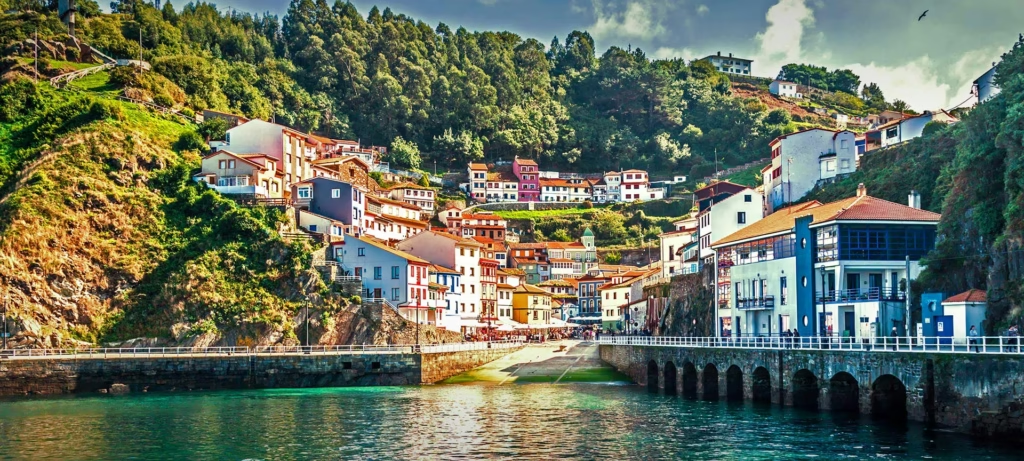
On the rugged coast of Asturias in northern Spain, there’s a fishing village so picturesque that it’s often called Spain’s answer to Italy’s Cinque Terre yet remains beautifully undiscovered. Cudillero is one of those hidden gems Spain that makes you want to whisper rather than shout about it, for fear it might become overrun.
The village is built like a natural amphitheater, with brightly painted houses in shades of pink, blue, yellow, and green stacked dramatically up the steep hillside surrounding the tiny harbor. Narrow streets and staircases wind between the buildings, and everywhere you look, there’s a view worth capturing but this is a place to experience rather than just photograph.
What makes Cudillero truly special is that it remains a working fishing village. At 5 PM daily, the fishing boats return to the harbor, and you can buy fresh catch directly from the fishermen. The local restaurants surrounding the Plaza de la Marina serve some of the best seafood I’ve tasted in Spain think grilled sardines, percebes (goose barnacles), and fabada asturiana, the region’s famous white bean stew.
This secret destination Spain preserves authentic coastal life that’s become rare along more touristy coasts. Locals still speak Pixueto, their own dialect mixing Spanish with old fishing terminology. The village hosts the Fiesta de L’Amuravela in late June, a celebration so traditional and unique that it’s been declared a Festival of Regional Tourist Interest.
The best time to visit is September or October when summer crowds have departed but the weather remains pleasant. Stay at one of the small guesthouses on the hillside, and wake to the sound of seagulls and harbor bells this is Spain as it used to be.
As Catedrais Beach: Nature’s Gothic Architecture
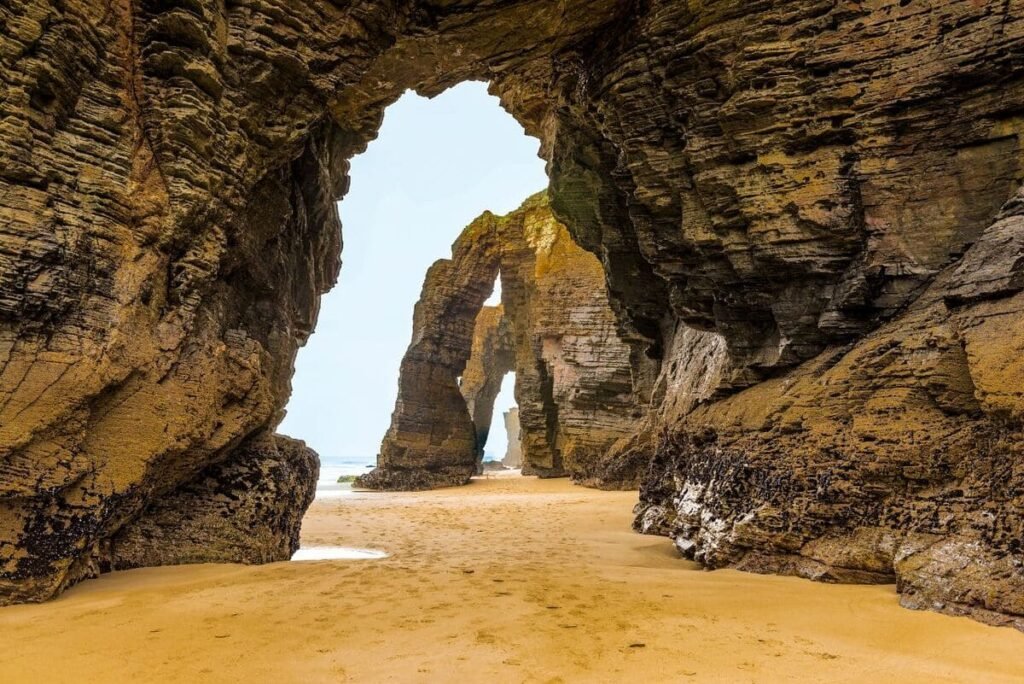
In Galicia, along the northern coast near Ribadeo, lies a beach so extraordinary that its official name is Playa de Aguas Santas “Beach of Holy Waters.” But everyone calls it As Catedrais (The Cathedrals), and one look at the towering natural rock arches explains why.
I’ve seen many beaches, but this hidden special destination left me speechless. At low tide, when the Atlantic retreats, it reveals a 1.5-kilometer stretch of sand dominated by massive stone arches rising nearly 30 meters high. These natural sculptures, carved by millennia of wind and waves, truly do resemble the flying buttresses and vaulted ceilings of Gothic cathedrals.
The magic here is all about timing. The beach is only accessible at low tide check tide tables before visiting. At high tide, the entire area is submerged under powerful Atlantic waves. Walk through the stone passages and natural caves, run your hands along rock walls smoothed by ancient waters, and emerge onto hidden coves that feel like private paradises.
This is one of those off-the-beaten-path Spain destinations where nature is the architect. The rock formations have names: El Elefante (The Elephant), La Pluma (The Feather), and dozens of others that visitors have christened based on what they see in the shapes.
Important note: Due to its growing popularity and to protect the delicate ecosystem, you now need to obtain a free permit during summer months. Visit outside July and August if you want the beach more to yourself. The golden hour before sunset, when light floods through the stone arches, creates an almost spiritual atmosphere that justifies this destination’s name.
Guadix: Spain’s Living Cave City
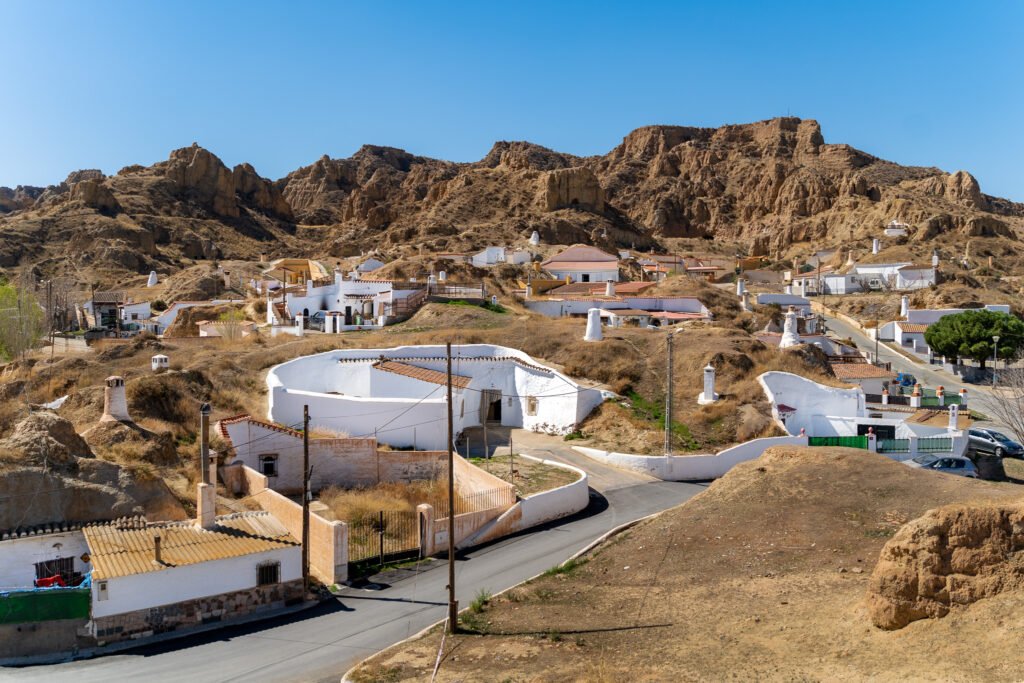
Less than an hour from Granada lies one of Spain’s most unusual hidden special destinations a town where thousands of people live in caves carved into the hillsides. Guadix isn’t an ancient abandoned settlement; it’s a thriving community where cave-dwelling is simply a way of life that’s continued for centuries.
The Barrio de las Cuevas (Cave Quarter) spreads across the rust-colored hills surrounding the town, marked by hundreds of whitewashed chimneys poking up from the ground like strange mushrooms. These aren’t primitive caves they’re sophisticated homes with electricity, running water, internet, and all modern amenities. The cave walls provide perfect natural insulation, keeping interiors cool in summer and warm in winter.
What makes this unknown destination Spain truly special is its authenticity. This isn’t a tourist attraction or historical recreation it’s a living community. Several cave houses offer guided tours, and there are even cave hotels where you can spend the night and experience this unique lifestyle firsthand.
Beyond the caves, Guadix itself deserves exploration. The imposing Cathedral stands as a magnificent example of transitioning architectural styles from the 16th to 18th centuries. The Moorish Alcazaba (fortress) overlooks the town, offering panoramic views of the cave quarter and surrounding Sierra Nevada mountains.
Visit the Museo Cuevas to understand the history and practicality of cave living, then wander through the cave quarter at sunset when the white chimneys cast long shadows across the terracotta earth. This is one of those secret places Spain where ancient traditions blend seamlessly with modern life.
Calella de Palafrugell: Costa Brava’s Secret Corner
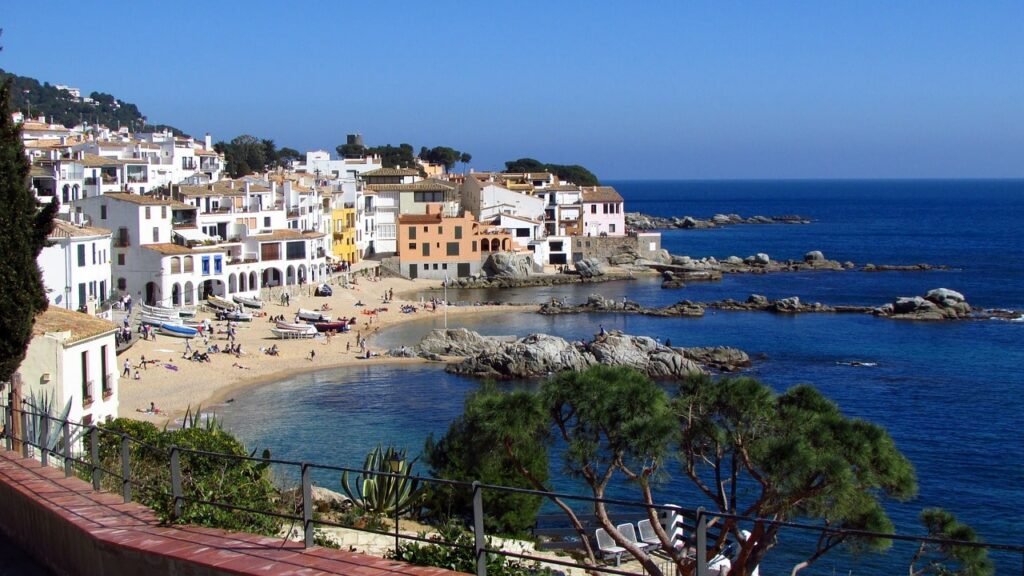
While tourists crowd the beaches of Barcelona and Lloret de Mar, there’s a perfectly preserved corner of the Costa Brava that time forgot. Calella de Palafrugell is one of three coastal villages (along with Llafranc and Tamariu) belonging to the municipality of Palafrugell, and it embodies everything the Costa Brava was before mass tourism arrived.
This hidden gem Spain is characterized by whitewashed houses with colorful shutters, narrow streets that wind down to the Mediterranean, wooden fishing boats still pulled up on small sandy coves, and an atmosphere of unhurried Mediterranean life. The village stretches along several small beaches and bays, each with its own character.
What sets Calella de Palafrugell apart is its commitment to preserving tradition. Every first weekend of July, the village hosts the Cantada d’Havaneres, a festival celebrating habaneras sea shanties brought back by sailors who traveled to Cuba. Locals gather on the beach at night, singing these traditional songs while drinking cremat (rum coffee set aflame).
The coastal path called Camí de Ronda connects Calella to neighboring villages, offering stunning clifftop walks with views of turquoise water, hidden coves, and the botanical gardens at Cap Roig. The gardens themselves are worth the visit, featuring Mediterranean plants and hosting summer concerts with the sea as a backdrop.
This special places to visit Spain destination rewards slow travel. Stay a few days, establish your favorite café on the waterfront, befriend local fishermen, swim in different coves, and let the rhythm of coastal life work its magic. This is the Costa Brava as it was meant to be experienced.
Babia: León’s Mountain Paradise
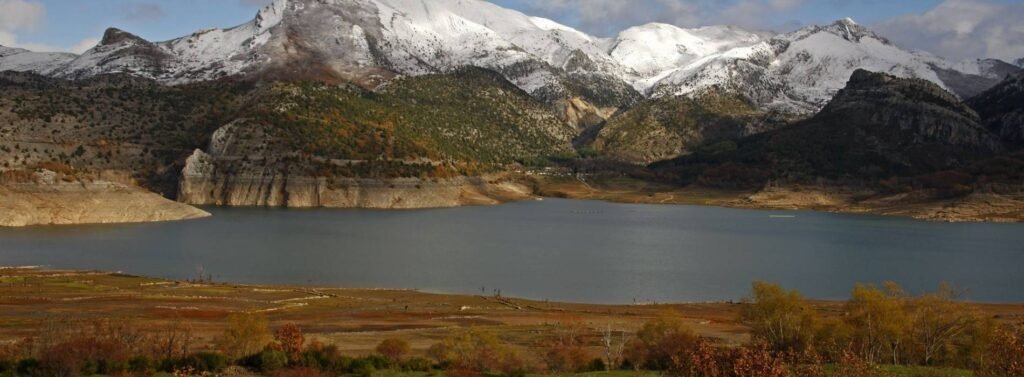
In the mountains of northwestern León, there’s a region so remote and beautiful that the Spanish expression “estar en Babia” (to be in Babia) means to be daydreaming or lost in thought. After visiting this hidden special destination, I understand why the landscape here induces a dreamlike state of wonder.
Babia comprises several small villages scattered across a high valley surrounded by peaks exceeding 2,000 meters. Snow-capped mountains, glacial lakes, vast meadows dotted with wildflowers, and rock fields create a landscape of raw, untouched beauty. This is one of Spain’s least-known natural paradises, where you’re more likely to encounter chamois and wild horses than other tourists.
The villages of San Emiliano and Cabrillanes serve as gateways to this wilderness. Stone houses with slate roofs cluster together, built in traditional mountain architecture that has changed little over centuries. The locals are remarkably welcoming, perhaps because they see so few visitors despite the extraordinary beauty surrounding them.
Babia is a hiker’s paradise trails range from easy valley walks to challenging mountain ascents. The landscape changes dramatically with seasons: spring brings wildflower meadows, summer offers perfect hiking weather, autumn paints the hills in gold and rust, and winter transforms the region into a snow-covered wonderland.
This off-beaten-path Spain destination offers something increasingly rare: genuine wilderness within reach of modern civilization. There’s limited mobile phone coverage, few tourist facilities, and an overwhelming sense of space and solitude. It’s the perfect antidote to busy city life.
Planning Your Journey to Hidden Spain
These eight destinations represent just a fraction of Spain’s secret corners. What they share is authenticity they’re places where life continues much as it has for generations, where tradition matters more than tourism, and where the landscape still has the power to surprise.
Getting to these hidden gems Spain requires more effort than hopping on a high-speed train to Madrid or Barcelona. You’ll need to rent a car for most, be flexible with your schedule, and embrace the adventure of getting lost. But that extra effort is precisely what keeps these places special.
My advice? Choose two or three from this list and give yourself time to truly experience them rather than rushing through all eight. Stay in small local accommodations, eat where locals eat, ask questions, and let conversations lead you to even more secret spots that guidebooks will never mention.
The Spain of medieval villages and Roman ruins, colorful fishing harbors and Mars-like rivers, mountain paradises and natural cathedrals still exists. It’s just waiting for travelers willing to look beyond the obvious, to take roads less traveled, and to discover that the best journeys are often to places you’ve never heard of.
Pack comfortable walking shoes, brush up on basic Spanish (English is rare in these remote areas), and prepare for adventures that will redefine what you thought you knew about Spain. These hidden special destinations will reward you with memories far richer than any you’d find in crowded tourist hotspots and isn’t that what travel is really about?