The cities that do nightlife best are not necessarily the cities with the most clubs or the latest closing times. Instead, they’re the cities where the evening extends naturally from the afternoon’s culture into the night’s music and conversation. The line between social and artistic doesn’t exist the way it does in cities where nightlife is a separate industry. At TrotRadar, the best cities for nightlife and culture travel ranking is built on a specific definition: cities where staying out until 3 AM produces something genuinely different from cities where the only late option is a loud club and an expensive drink.
Every city in this guide delivers on both dimensions — extraordinary cultural depth during the day, and a nightlife culture that is distinctive, accessible, and worth specifically planning around. Together they constitute the argument that the city’s entire waking day is the experience, not just the museums and monuments.
TrotRadar Tip: The finest nightlife in most cities on this list happens significantly later than travelers from Northern Europe or North America typically expect. Buenos Aires dinner starts at 10 PM; clubs open at 2 AM. Istanbul’s Beyoğlu district peaks at midnight. Tokyo’s jazz bars open after 8 PM and run until dawn. Planning around these local rhythms rather than fighting them produces the correct experience. Browse TrotRadar’s city break deals — we feature hotels in the right neighbourhoods for nightlife access across all destinations in this guide.
Berlin: The Benchmark Against Which All Electronic Music Nightlife Is Measured
Berlin sits at the top of every credible global nightlife ranking and earns its position not from hype but from a genuinely distinct club culture that has shaped electronic music globally since the early 1990s. The specific qualities that make it unreplicable: the industrial settings (former power stations, cold war bunkers, and riverside warehouses that create spaces with no equivalent in nightlife anywhere else), the sound systems (Berlin clubs invest in audio quality at a level that most cities’ finest concert halls don’t match), and the specific ethos of a culture that prizes musical experience over social performance.
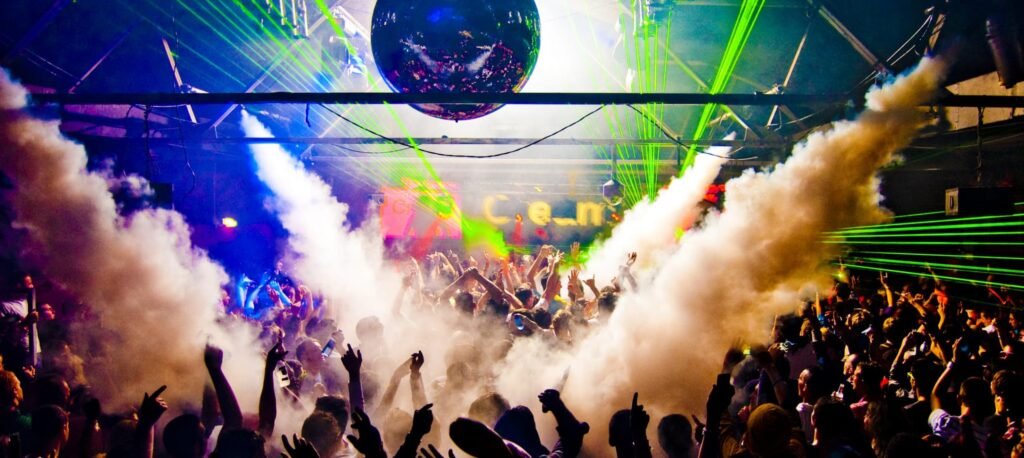
Berghain — the former heating plant on the border of Friedrichshain and Kreuzberg whose door selection policy is famous and whose interior layout (the Berghain main floor and the Panorama Bar above it, plus the Kantine attached) constitutes the most imitated and least replicated nightlife space in the world — is the reference point that every serious electronic music listener visits eventually. TrotRadar’s honest Berghain briefing: the door selection is real and rejection is common (approximately 60–70% of queue members on peak nights); present yourself as someone there for the music, arrive after 2 AM when the atmosphere is genuine rather than curious, and dress down rather than up.
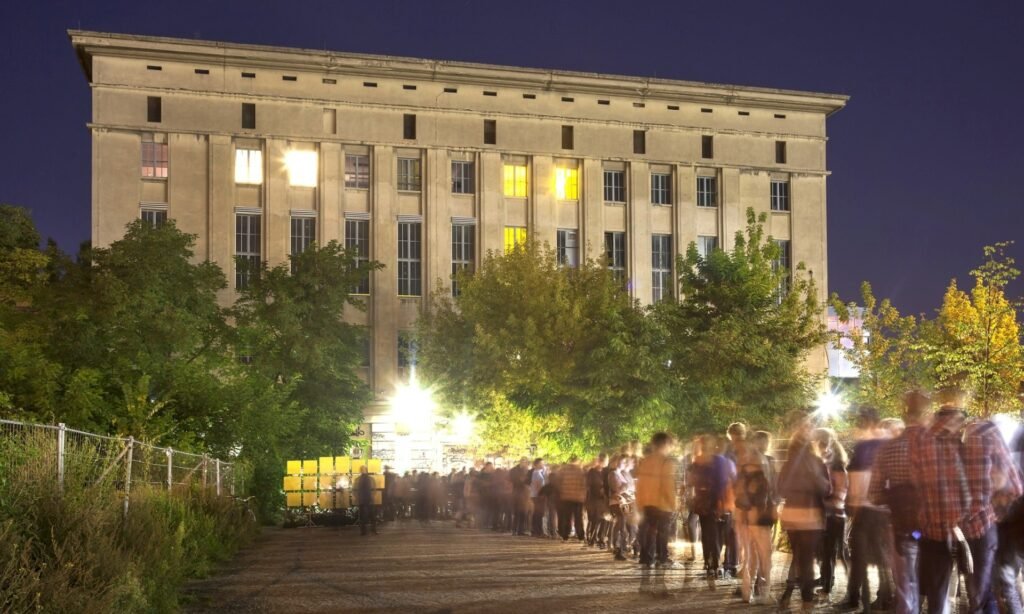
Beyond Berghain: Watergate (floating dance floor over the Spree River), Tresor (the original Berlin techno club, in a bank vault since 1991), Sisyphos (a 20-hour weekend party in a former dog biscuit factory), and Club der Visionare (a riverside bar that functions as the finest outdoor summer nightlife space in Berlin) constitute a nightlife circuit of extraordinary variety.
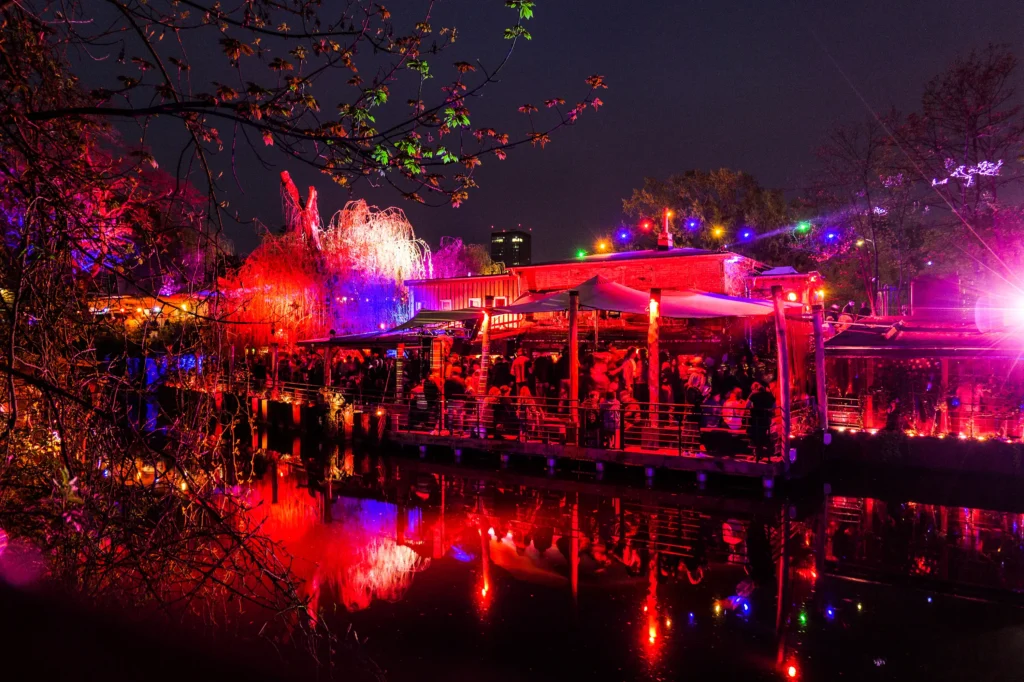
Berlin’s Daytime Culture: Museums and Live Music
The daytime culture: Berlin’s museum density — Museum Island, the Jewish Museum, the Hamburger Bahnhof contemporary art museum, the Topography of Terror — is matched by its gallery culture (over 400 commercial galleries, concentrated in Mitte and Prenzlauer Berg) and its live music infrastructure (the Berlin Philharmonic, the Volksbühne, the Admiralspalast) that makes any week in Berlin culturally substantial 24 hours a day.
TrotRadar Berlin daily budget: €65–100
Buenos Aires: The City That Runs on Tango and Late Dinners
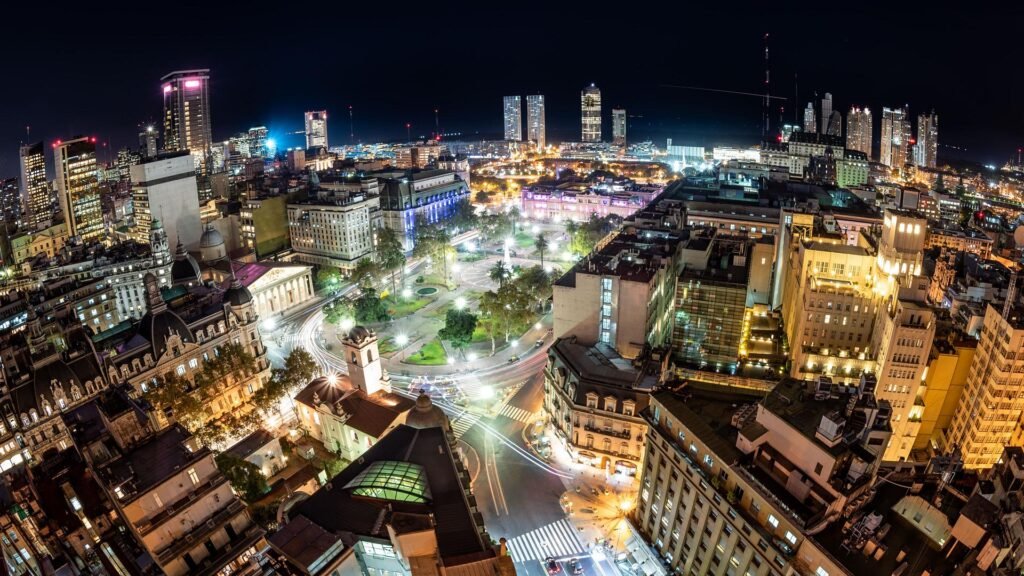
Buenos Aires operates on a temporal schedule that remains consistently surprising to first-time visitors: dinner at 10 PM is normal, not late; the tanguerías (tango dance halls) fill after midnight; the clubs on Niceto Vega and at the port don’t approach full capacity before 2 AM. The city’s entire social culture is organized around the evening as the primary social time, and the traveler who adjusts to this rhythm rather than fighting it discovers a nightlife culture of genuine depth.
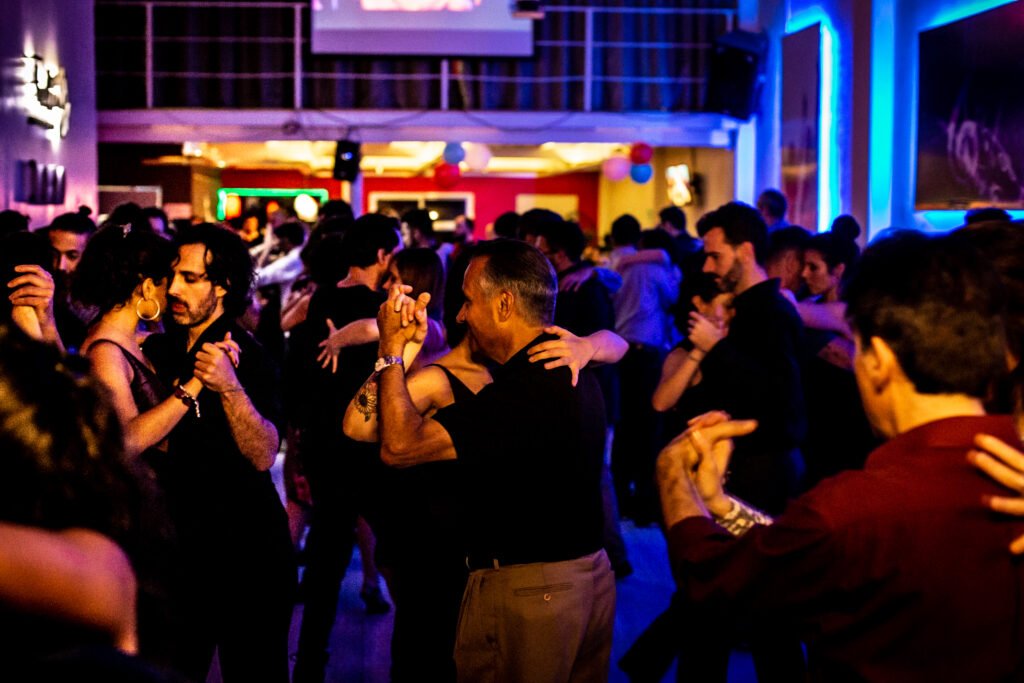
The milonga — the community tango dance event that takes place in neighbourhood dance halls throughout Buenos Aires every night of the week — is the cultural experience that most distinguishes Buenos Aires from every other nightlife destination. It is not a performance; it is a social institution where porteños (Buenos Aires residents) of all ages come to dance tango socially, with the specific invitation system (the cabeceo — a subtle head nod across the floor) that makes the social choreography as intricate as the dance itself.
TrotRadar’s milonga approach: take a group tango class in the afternoon (approximately $15–25 USD, available throughout Palermo), then attend a milonga the same evening. The basic vocabulary acquired in two hours is sufficient to participate at a beginner level; the milonga community is generally welcoming to respectful visitors who’ve made the effort to prepare.
Buenos Aires has a jazz scene of genuine quality (Club del Vino, Notorious, Thelonious Club), a theatre and cinema culture that exceeds most cities of comparable size globally (the Colón opera house is one of the world’s five finest opera venues), and the specific Buenos Aires café notable culture — historic cafés (El Federal, La Biela, Café Tortoni) that function as living rooms for the city’s intellectual and artistic community.
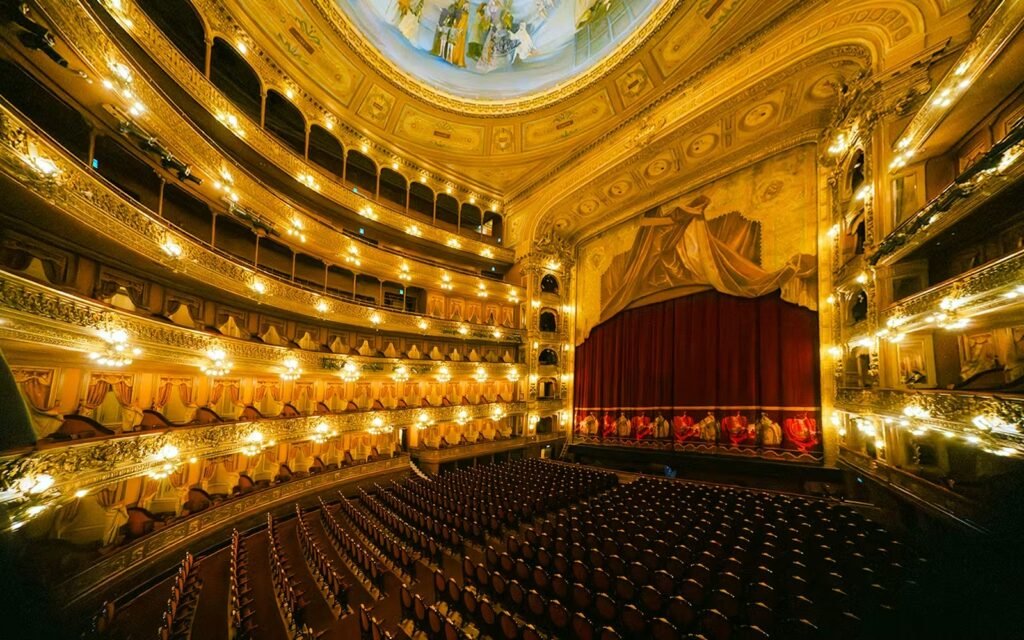
For the Buenos Aires cultural context within the broader Argentina circuit, read TrotRadar’s Patagonia Argentina guide and our South America first-timer guide.
TrotRadar Buenos Aires daily budget: $50–85 USD
Tokyo: The City That Never Closes but Never Gets Loud
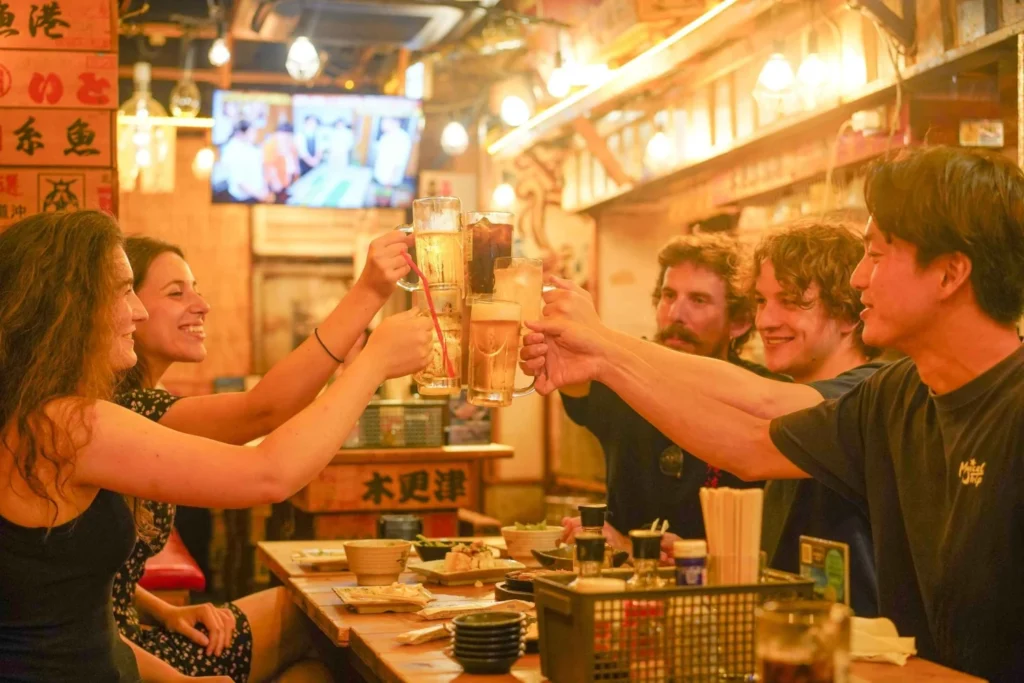
Tokyo‘s nightlife is the quietest on this list — and the most distinctive. The city’s bar and music culture is built around intimate spaces, specialist themes (bars dedicated exclusively to whisky, to vinyl, to specific genres of jazz, to films of a specific director), and the Japanese social principle that the best evening is one spent in conversation rather than sensation.
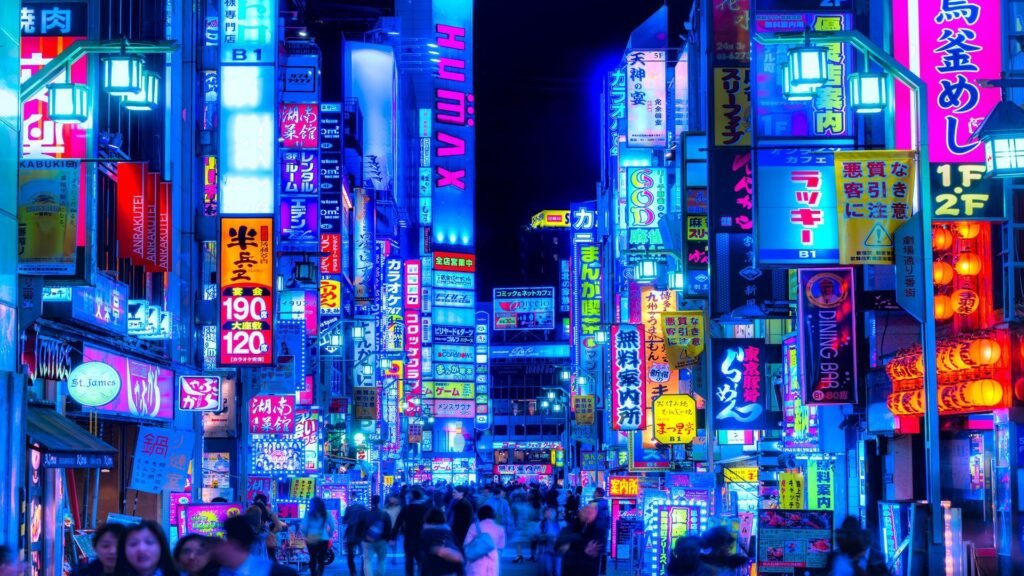
Shinjuku Golden Gai — 200 tiny bars crammed into six narrow alleys in east Shinjuku, each seating 6–8 people, each with a specific theme and regular clientele, most open to visitors who understand the space they’re entering — is the most human-scale nightlife environment TrotRadar has encountered anywhere in the world. Finding your bar in Golden Gai (the jazz bar, the Bowie bar, the bar run by the retired botanist) is both the challenge and the point: the discovery is the experience.
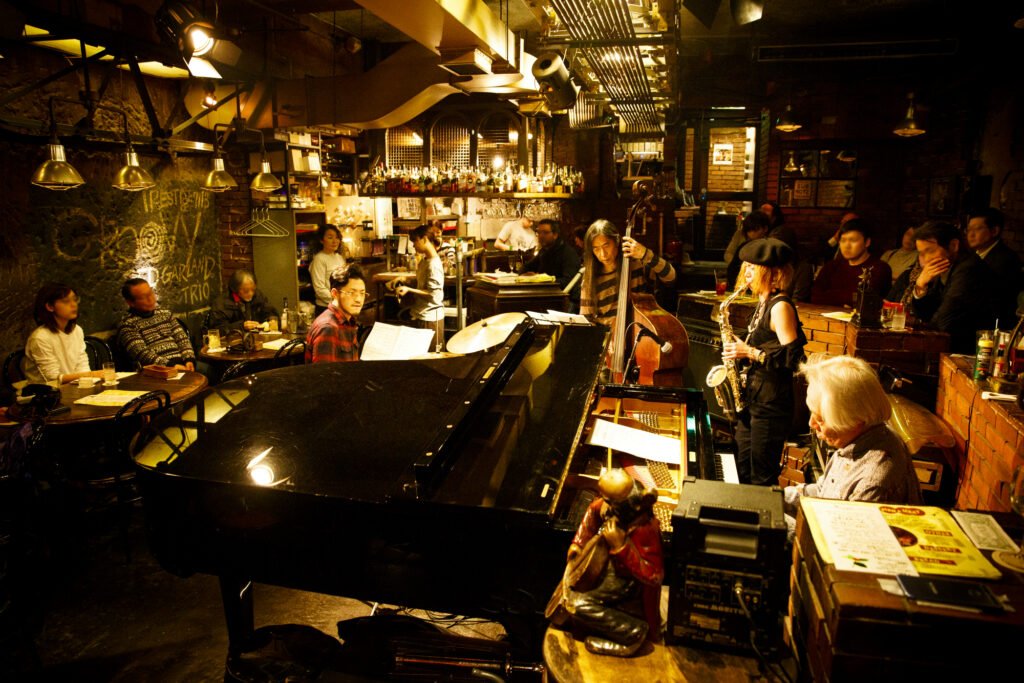
Jazz in Tokyo: The Japanese jazz tradition — a deep cultural engagement with American jazz that has produced some of the finest jazz listening rooms in the world — is centred on Shinjuku’s Pit Inn (the historic venue), Naru in Shibuya, and dozens of smaller bars throughout the city. Live jazz most evenings from approximately ¥2,000–4,000 cover charge (€13–25) — high by Japanese nightlife standards and worth it.
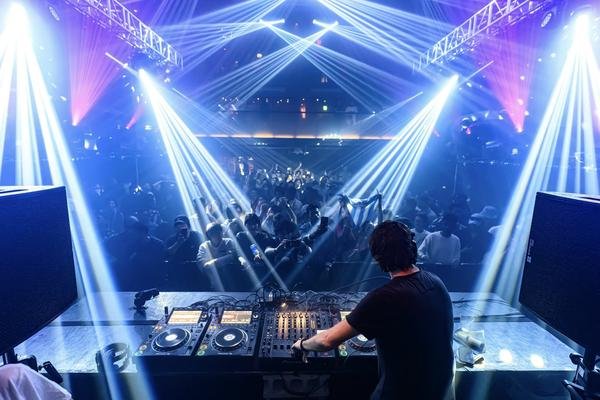
Electronic music in Tokyo: Womb in Shibuya is the Tokyo club most consistently referenced in global electronic music media; contact Tokyo and Circus (based in Osaka but with regular Tokyo events) are the domestic alternatives. The Tokyo club circuit is quieter in character than Berlin — the music is as serious, the space is less confrontational.
Full Tokyo context in TrotRadar’s Kyoto beyond temples guide and our Asia street food cities guide.
TrotRadar Tokyo daily budget: ¥8,000–15,000 (€50–95)
Istanbul: Two Continents, One Evening
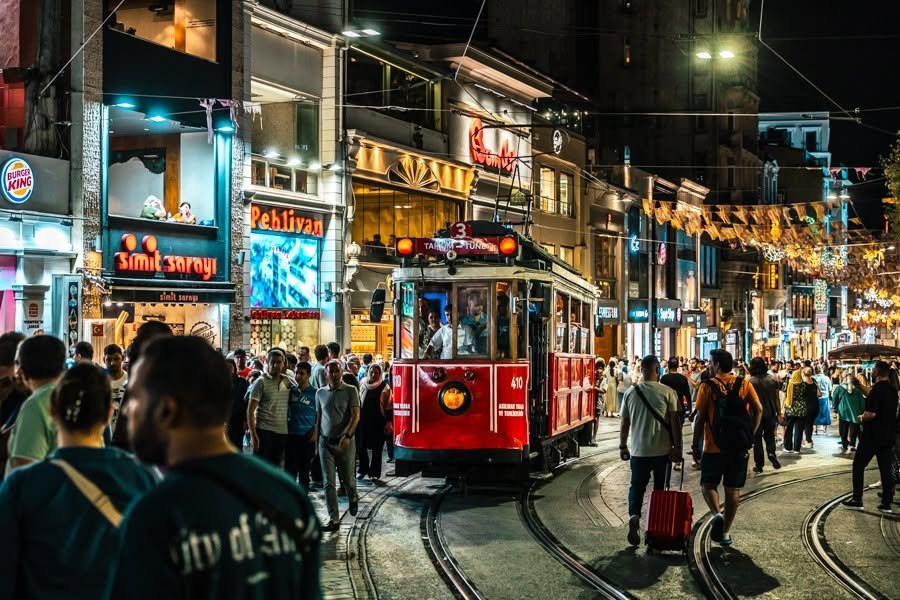
Istanbul‘s evening culture is built around the meyhane — the Turkish taverna tradition of shared meze, rakı (the anise spirit that defines Turkish social drinking), and the slow, convivial long dinner that prioritises conversation over efficiency. The finest meyhane experience in Istanbul is in the backstreets of Beyoğlu — the neighbourhood on the European side’s modern center — where family-run operations serve the same cold and warm meze selections they’ve been refining for decades to tables of mixed Turkish and international diners.
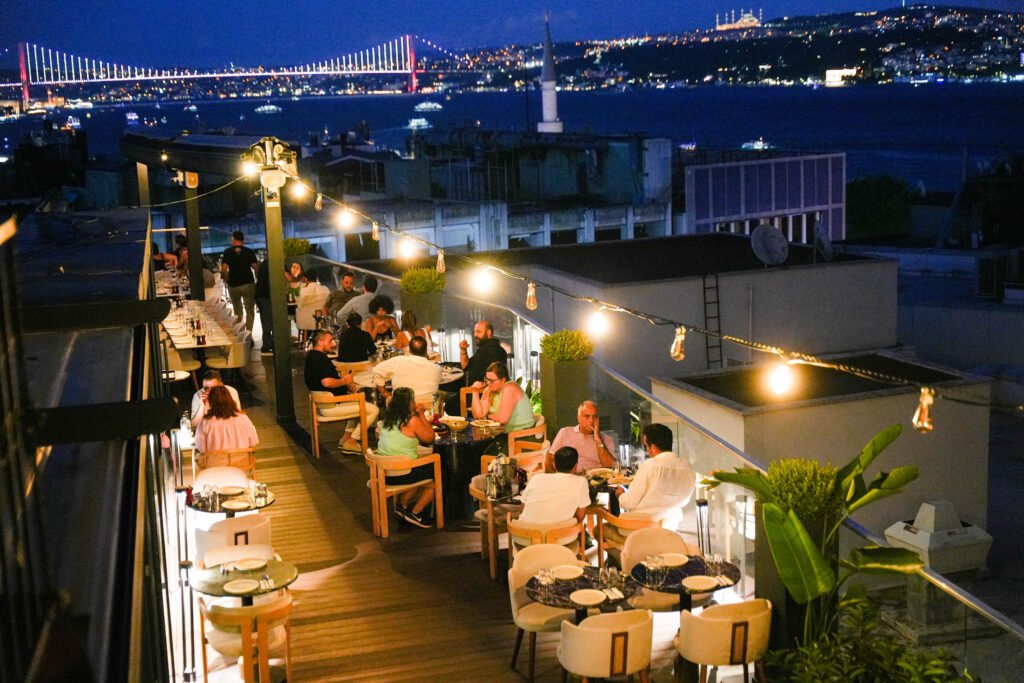
After the meyhane, Beyoğlu’s İstiklal Caddesi and the side streets off it — particularly the Asmalı Mescit and Galata areas — provide the transition from dinner to music: bars with live Turkish folk music (türkü), independent music venues (Babylon, Salon İKSV, Bant Mag), and the specific Istanbul phenomenon of the rooftop bar with Bosphorus views and the Asian side of the city visible across the water — which provides an atmosphere that no other city’s rooftop bar achieves because no other city sits on two continents simultaneously.
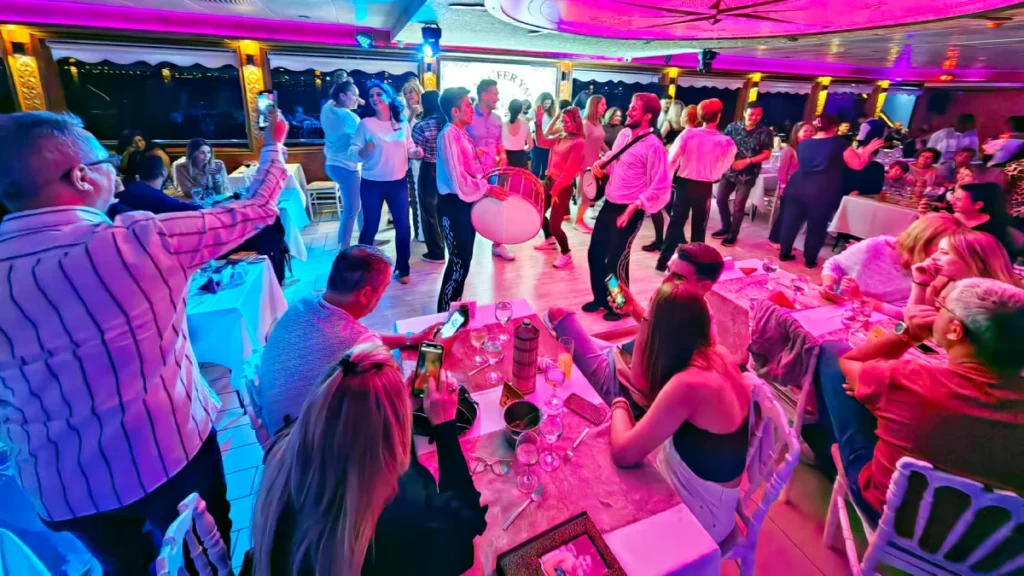
The live music scene: Istanbul has a genuinely extraordinary contemporary music culture — Turkish jazz, arabesque, psychedelic folk (Anadolu rock), and a new generation of Turkish electronic musicians who’ve developed a synthesis of these traditions into something specifically Istanbul. The Bosphorus Jazz Club and the programming at Salon İKSV are the most consistently rewarding evening music venues.
Full Turkey context in TrotRadar’s Turkey beyond Istanbul guide.
TrotRadar Istanbul daily budget: ₺350–600 (€10–17 at current rates — verify, Turkish lira fluctuates)
Mexico City: Latin America’s Cultural Capital After Dark
Mexico City — a metropolis of 22 million people with the most sophisticated arts and culture scene in Latin America — has a nightlife culture built on a foundation of extraordinary museum density, world-class gastronomy, and the specific Mexican social culture that treats communal eating and drinking as an art form.
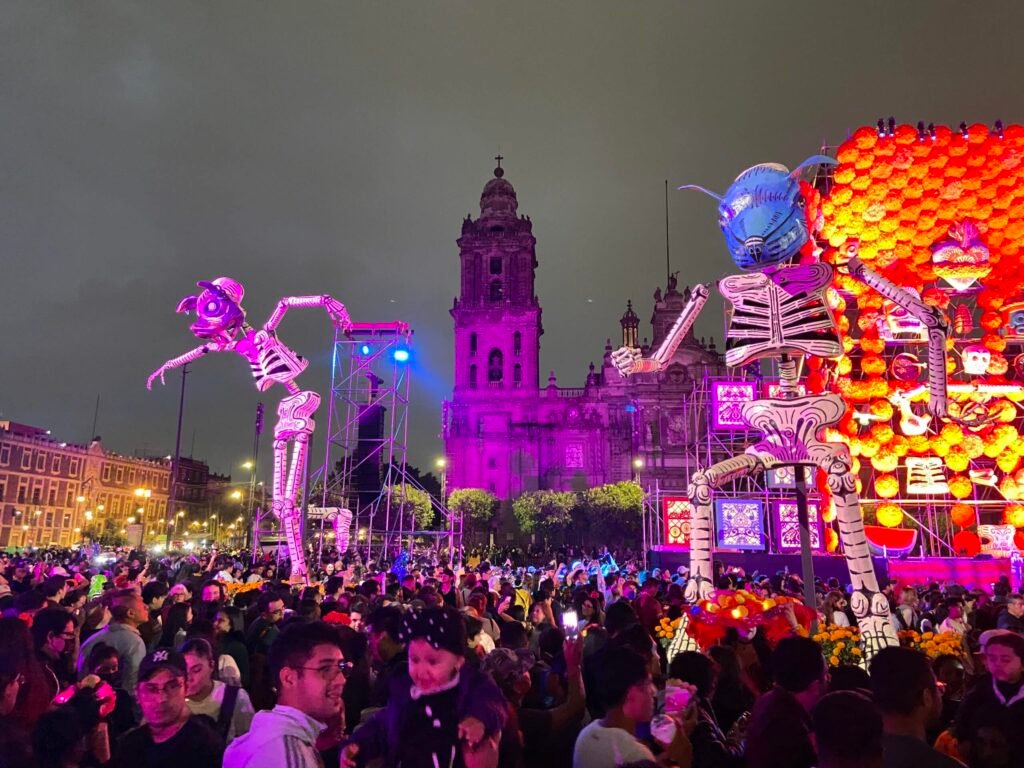
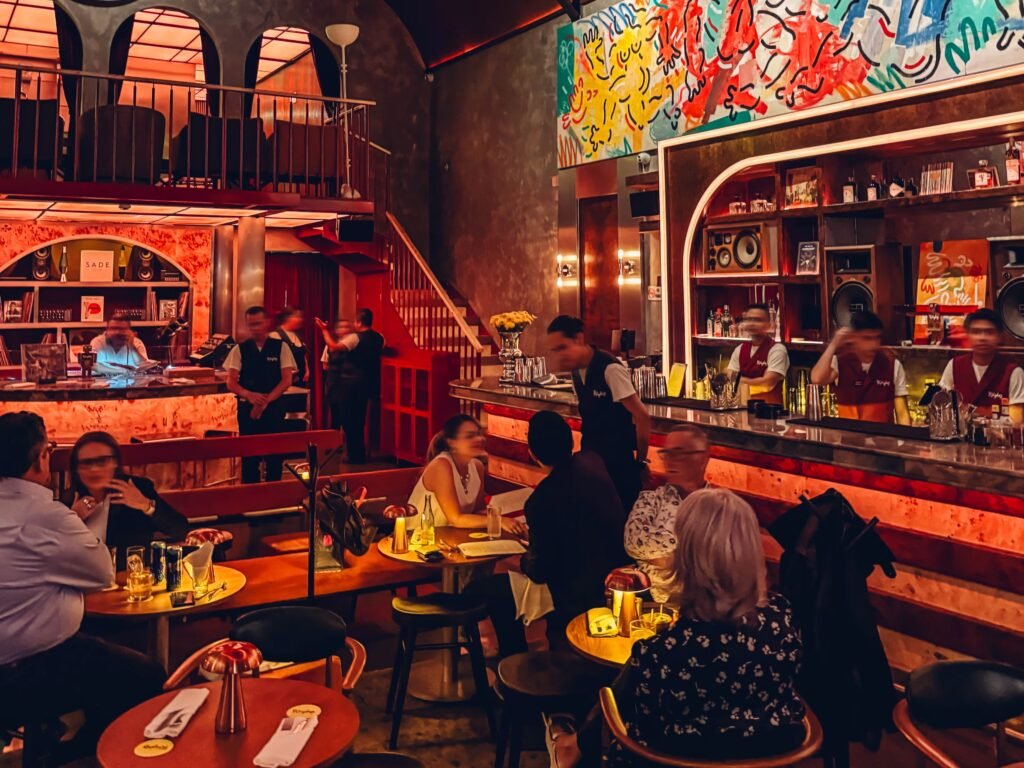
The Condesa and Roma neighbourhoods — Art Deco apartment buildings above tree-lined boulevards, concentrated with independent restaurants, mezcalerías (mezcal bars, where the craft mezcal movement has produced a tasting culture analogous to whisky connoisseurship in Scotland), and the live music venues that make Friday nights in Roma Norte specific and unreplicable — are the correct base for an evening in Mexico City.
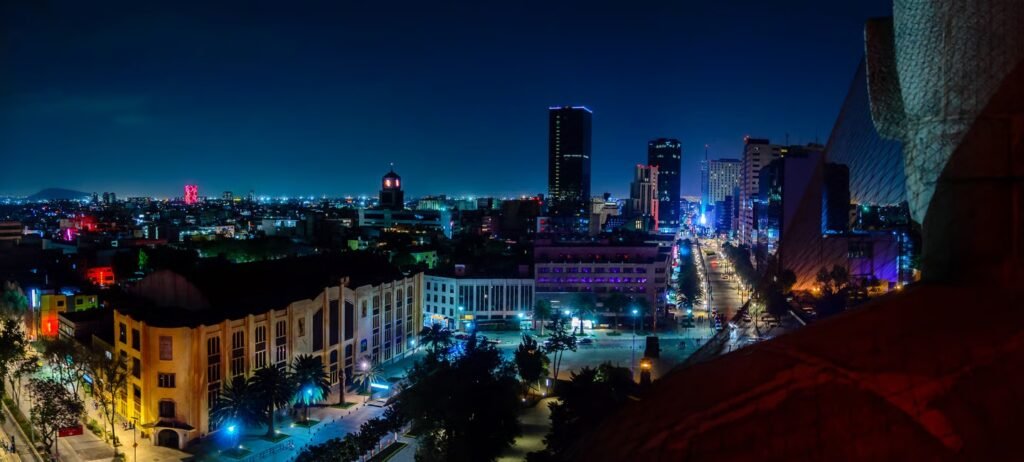
Mezcal culture: The mezcalerías of Roma and Condesa (In Situ Mezcalería is the most respected specialist) have developed Mexico City into the global center for understanding artisanal mezcal — the hand-crafted agave spirits from specific regions and producers that are categorically different from commercial tequila. An evening in a serious mezcalería — three or four pours from different regions, with the backstory of each explained — is the Mexico City cultural experience that TrotRadar finds most specifically local and most genuinely educational.
For the full Mexico context, read TrotRadar’s best budget food countries guide, which covers Mexico City’s extraordinary food culture in detail.
TrotRadar Mexico City daily budget: MXN 800–1,500 (€38–70)
Three More TrotRadar Nightlife and Culture Picks
Tbilisi, Georgia: The most surprising nightlife destination in Europe — the Georgian club scene centred on Bassiani (in the basement of the national football stadium, among the best techno clubs in the world by international music press consensus) and the meaty wine bar culture of the old city. The combination of extraordinary cultural heritage (the supra feast, the polyphonic singing tradition) with a genuinely world-class club culture is unique. Full Georgia context: TrotRadar’s Georgia travel guide. Daily budget: €25–45.
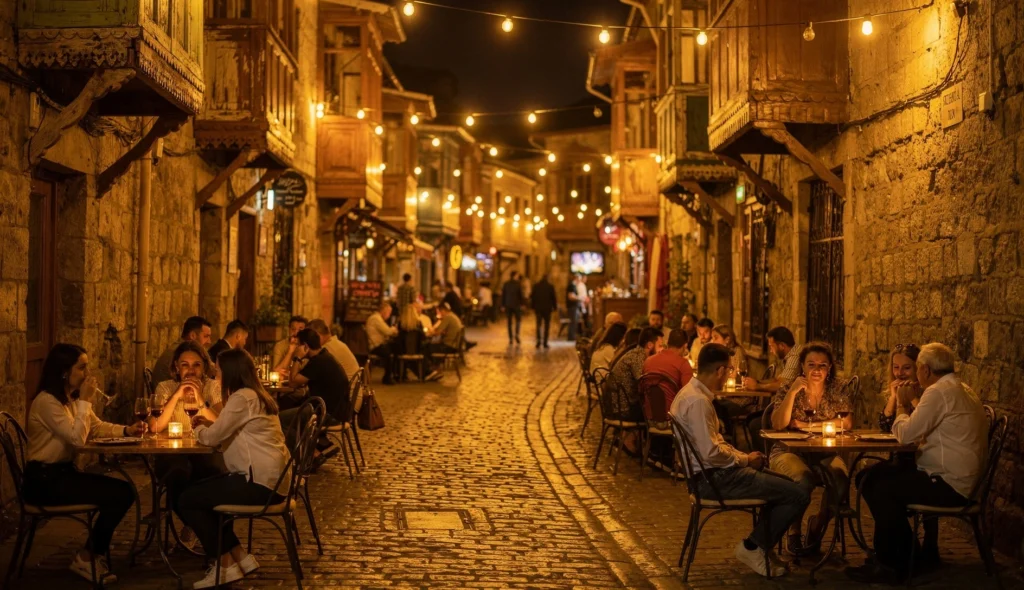
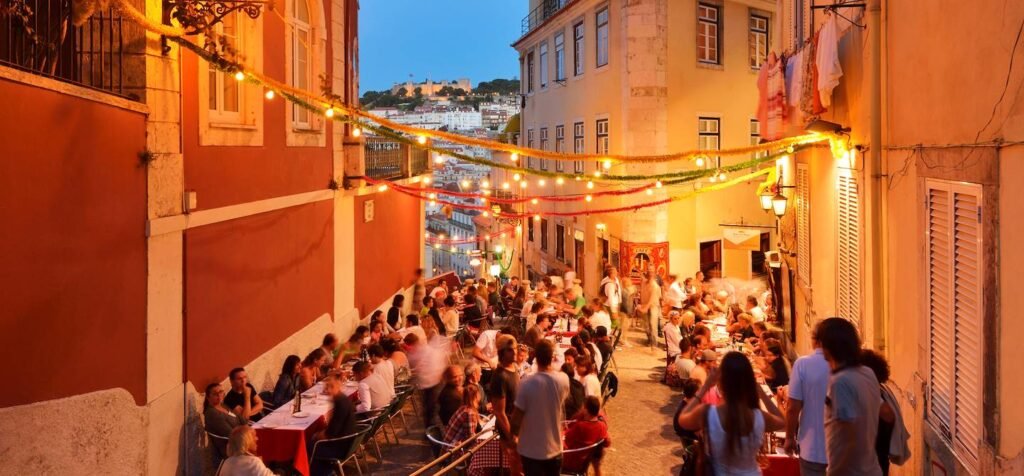
Lisbon, Portugal: Fado in Alfama at midnight — the specifically melancholy Portuguese music tradition that functions as the evening’s emotional anchor — followed by the late-night bar culture of Bairro Alto and the LX Factory weekend market-and-music events. The city that treats its cultural tradition with the most tenderness of any European capital. Daily budget: €55–90.
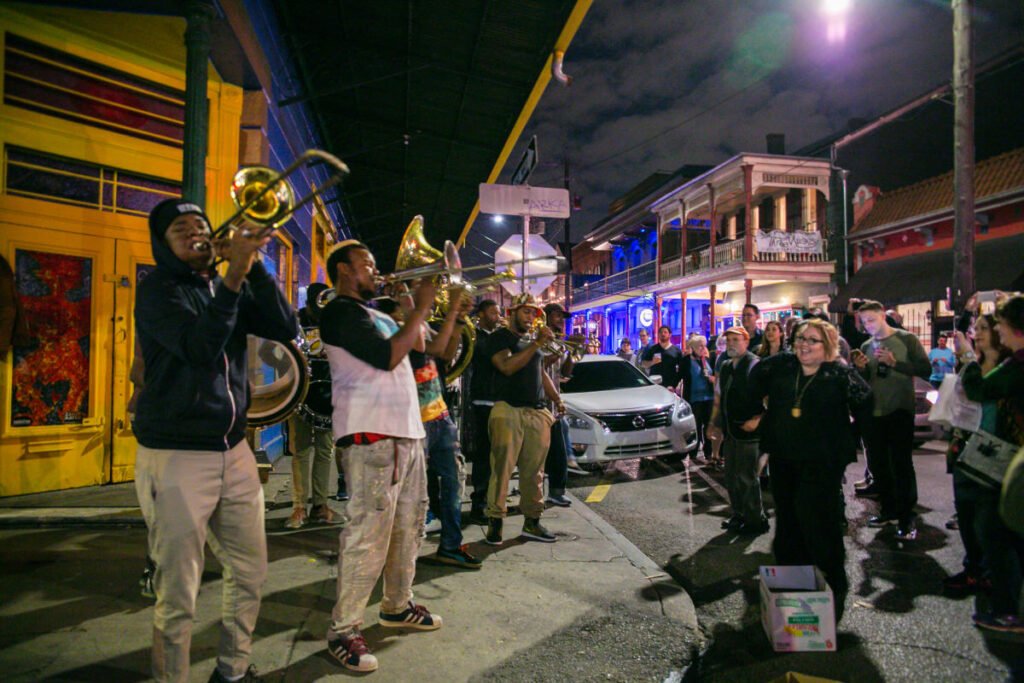
New Orleans, USA: The only city in North America with a genuinely distinct indigenous music culture still functioning in its original social context — jazz on Frenchmen Street (not Bourbon Street, which is the tourist simulacrum), second line parades, and the specific New Orleans relationship between music, food, and communal celebration that has no equivalent elsewhere in the country. Daily budget: $80–130 USD.
The TrotRadar Verdict on Nightlife and Culture Cities
The best cities for nightlife and culture travel are the ones where the evening is a continuation of the day’s engagement rather than a retreat from it — where the dinner table conversation is about the museum, the jazz bar is three doors from the gallery, and staying out until 3 AM feels like time well spent rather than a recovery requirement. Berlin, Buenos Aires, Tokyo, Istanbul, and Mexico City all deliver this in specific and irreplaceable ways. TrotRadar’s advice: plan the day for the culture, plan the evening for the city’s social heart, and plan to sleep late for at least the first three days.
Find Your Nightlife City Break Deal
TrotRadar features city break packages in Berlin, Buenos Aires, Tokyo, Istanbul, and Mexico City — with accommodation in the right neighbourhoods for both daytime culture and evening exploration. Browse TrotRadar’s nightlife city break offers →