
Europe has a reputation for being expensive, and in certain corners of the continent that reputation is entirely earned. A coffee in Zurich, a hotel night in Amsterdam during summer, a restaurant meal in central Paris — these things are expensive by any reasonable global measure. But Europe is also enormous, and the gap between its most expensive destinations and its most affordable ones is larger than most travelers appreciate.
At TrotRadar, we track European travel costs systematically — and the cheapest countries to visit in Europe in 2026 are not the same places that made every budget travel list in 2012. Inflation, EU membership (which tends to push prices toward European averages over time), and the post-pandemic tourism surge have reshaped the map. But genuine value still exists — primarily in the Western Balkans, parts of Eastern Europe outside the eurozone, and a few overlooked corners of Southern Europe.
TrotRadar Tip: The cheapest European destinations are best connected by budget bus (FlixBus) and regional rail. Before booking, check TrotRadar’s budget train travel Europe guide for the best rail pass and point-to-point options across the region. And browse our Europe budget travel offers page for current deals on accommodation and transport.
Cheapest Countries to Visit in Europe in 2026: Quick Overview
Before the country rankings: a practical TrotRadar note on what we mean by affordable. These benchmarks assume a solo traveler in comfortable budget mode — private room in a guesthouse or well-rated hostel, eating a mix of local restaurants and self-catering, using public transport, and doing a selection of free and paid activities.
- Tier 1 (truly budget): €25–40/day total spend is achievable
- Tier 2 (comfortable budget): €40–65/day feels like genuine value for money
- Tier 3 (mid-range traveler): €65–100/day is the “doing Europe properly” range without being extravagant
North Macedonia: Europe’s Best Value Country in 2026
North Macedonia consistently sits at or near the top of any honest ranking of the cheapest countries to visit in Europe — and unlike some budget destinations that trade price for experience, it punches well above its financial weight. At TrotRadar, we’ve recommended North Macedonia since before it became a budget travel talking point.
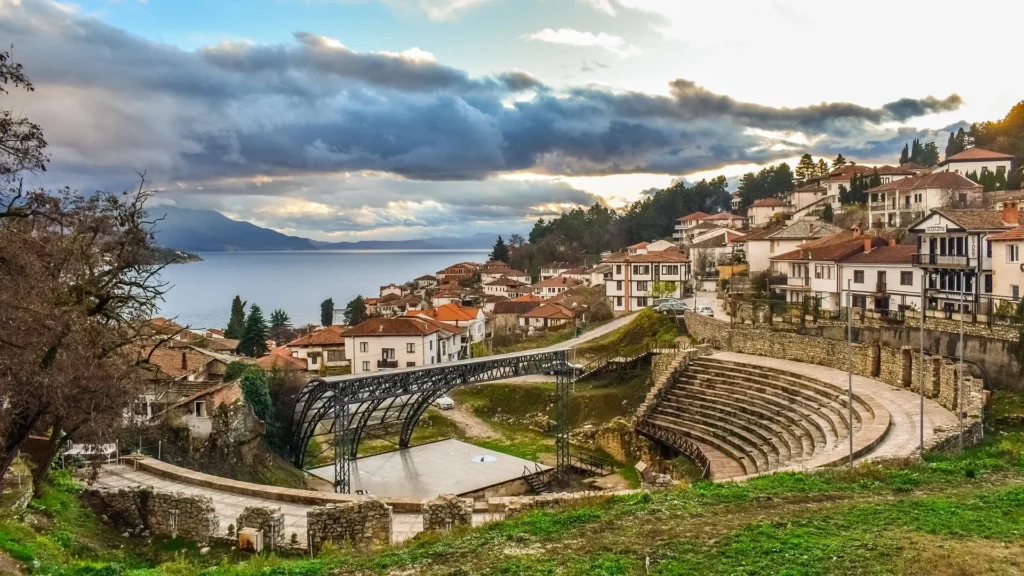
Ohrid is the country’s flagship destination: a small lakeside city on the shores of Lake Ohrid, one of Europe’s oldest and deepest lakes, sharing a border with Albania. The old town — a UNESCO World Heritage Site — has Byzantine churches, Ottoman-era bazaars, and medieval city walls all within comfortable walking distance. The lake itself is remarkably clear and swimmable in summer. A guesthouse room above the lake with breakfast typically costs €20–30/night.
Skopje, the capital, is a more complex experience — a city center built out in an eccentric neo-classical style as part of a government urban redevelopment project that divides local opinion. But beyond the grandiose statues, the Old Bazaar (Čaršija) — one of the largest and best-preserved Ottoman bazaars in the Balkans — is genuine, atmospheric, and largely free of tourist-facing pricing.
TrotRadar North Macedonia cost guide:
- Guesthouse private room: €15–30/night
- Full sit-down meal at local restaurant: €4–8
- Beer at a bar: €1.50–2.50
- Daily total (comfortable budget): €30–50
Albania: Best Budget Beach and Heritage Destination in Europe
Already covered in depth in TrotRadar’s Albania hidden gems guide — but worth listing here because Albania genuinely belongs on any ranking of the cheapest countries to visit in Europe. The Albanian Riviera, Berat, and Gjirokastër all deliver extraordinary experiences at prices that haven’t fully caught up with the destination’s improving reputation.
TrotRadar Albania daily total: €30–55 — see our full Albania guide for the complete breakdown.
Kosovo: Europe’s Most Overlooked Budget Destination
Kosovo declared independence in 2008 and remains absent from many travelers’ itineraries for no better reason than unfamiliarity — which is precisely what makes it interesting to TrotRadar.
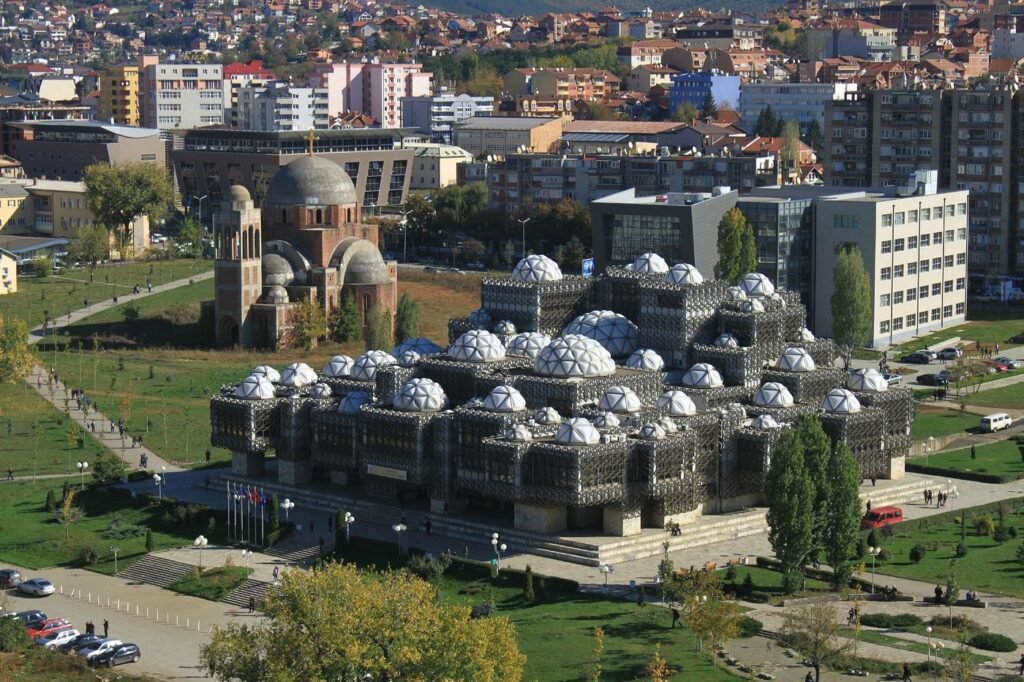
Pristina, the capital, is a young, energetic city with a lively café culture and a population demographic that skews heavily toward under-30 — a consequence of one of Europe’s youngest age structures. The National Library is a genuinely extraordinary piece of architecture. The Newborn monument and the surprisingly good street art scene around it reward a morning’s walk.
Prizren, in the south, is the more obviously beautiful destination — a historic city with a well-preserved Ottoman old town, a hilltop fortress, and a river running through the center flanked by stone bridges and mosque minarets. It hosts Kosovo’s main film festival each summer and has an atmosphere that consistently surprises travelers who arrive expecting little.
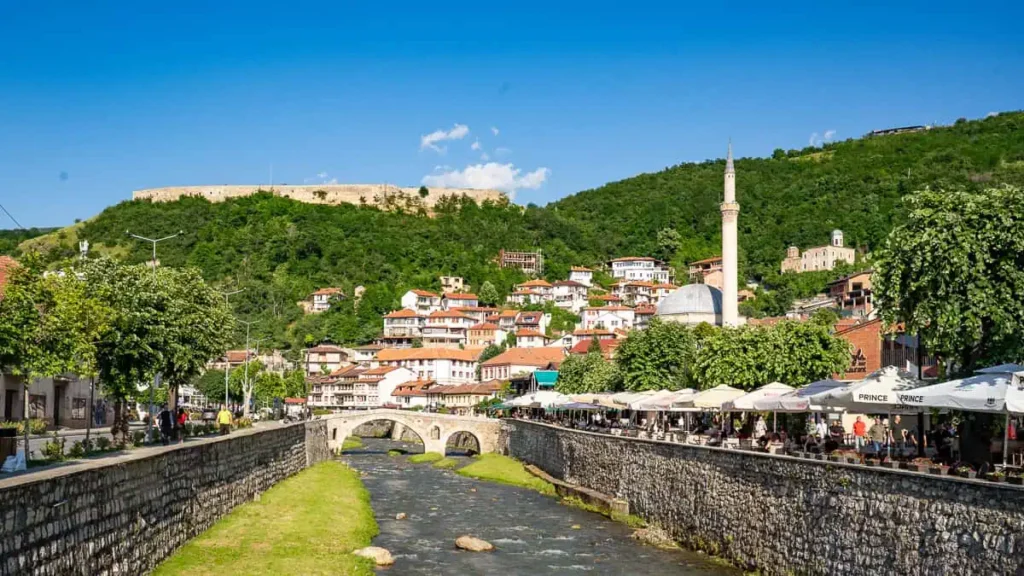
Kosovo uses the Euro despite not being an EU member, which slightly raises prices compared to North Macedonia and Albania — but it remains firmly in budget territory by European standards.
TrotRadar Kosovo cost guide:
- Guesthouse private room: €20–35/night
- Meal at a local restaurant: €4–7
- Coffee at a café: €0.80–1.50
- Daily total (comfortable budget): €35–55
Bosnia and Herzegovina: Best Budget Destination for History and Culture
Sarajevo has one of the most layered historical identities of any city in Europe — Ottoman mosques, Austro-Hungarian architecture, socialist-era boulevards, and the physical scars and memorials of the 1990s siege all coexist within a walkable city center. The Baščaršija (old bazaar) district is the most atmospheric in the Western Balkans — cobblestone lanes lined with copper workshops, Turkish coffee houses, and the smell of ćevapi (grilled minced meat sausages in flatbread, the national fast food) from every corner.
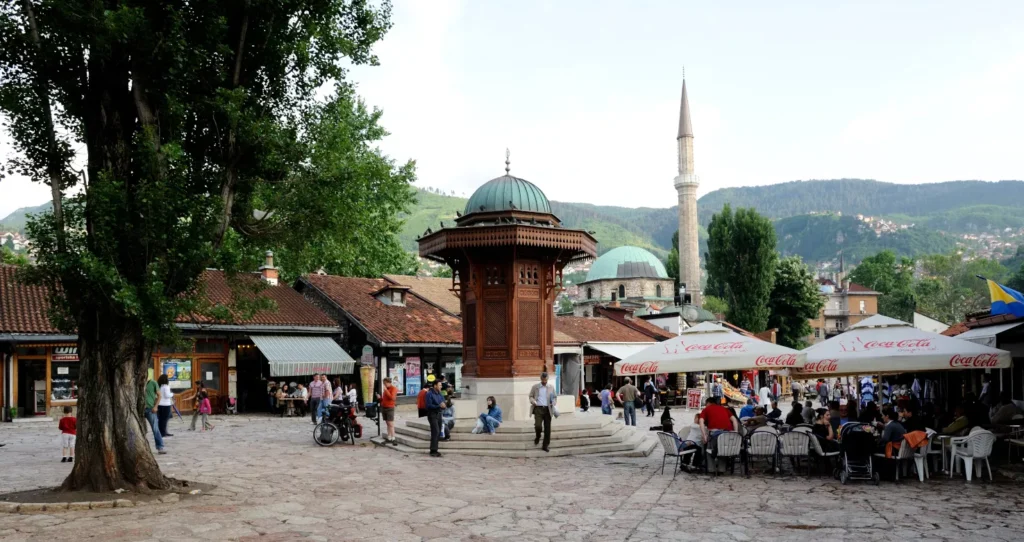
Sarajevo also has one of the most genuinely moving war memorial experiences in Europe — the Tunnel of Hope Museum, the War Childhood Museum, and the Srebrenica–Potočari Memorial collectively provide a grounded, human-scale account of the 1990s conflict that documentary and textbook treatments rarely achieve. TrotRadar considers Sarajevo essential for any traveler with a serious interest in 20th-century European history.
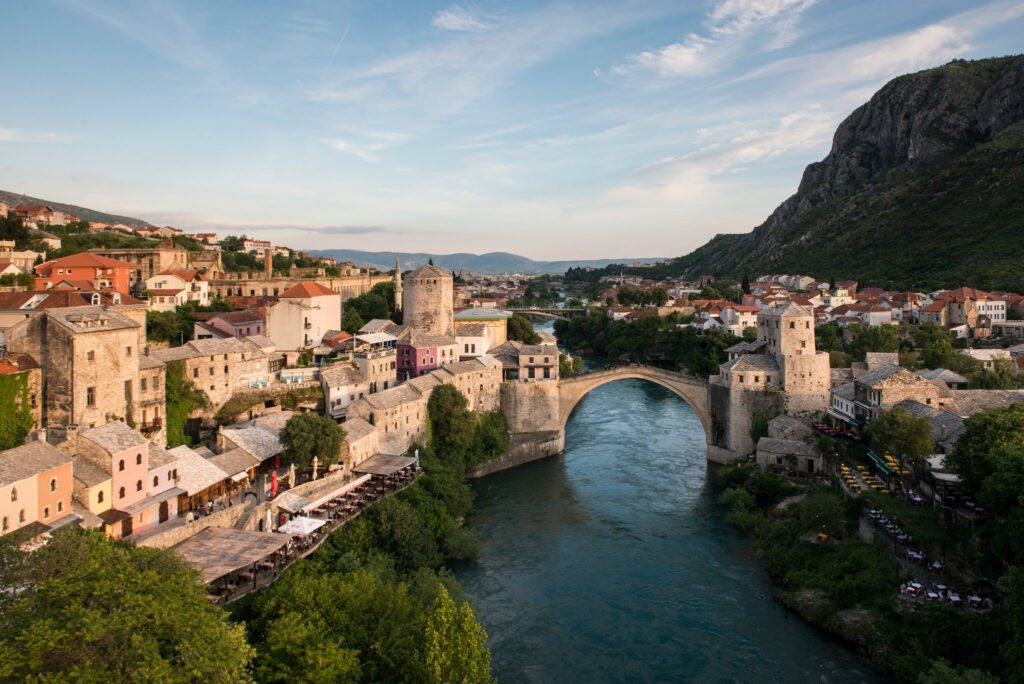
Mostar, with its rebuilt Ottoman bridge arching over the Neretva River, is the country’s most-photographed destination and worth a day or two. For TrotRadar’s full Balkans circuit recommendation, see our Slovenia to Albania road trip guide, which covers how to connect Sarajevo with the wider region.
TrotRadar Bosnia cost guide:
- Guesthouse private room in Sarajevo: €20–40/night
- Ćevapi and flatbread at a local spot: €3–5
- Draft beer: €1.50–2.50
- Daily total (comfortable budget): €35–60
Serbia: Affordable Cities, Food and Nightlife in 2026
Belgrade doesn’t appear on most budget Europe lists because it doesn’t quite have the UNESCO old town aesthetic that tends to drive recommendation traffic toward Sarajevo, Ohrid, or Mostar. What it has instead is a city of genuinely extraordinary energy — a nightlife scene that has earned a global reputation, a food culture that combines Serbian tradition with an increasingly adventurous restaurant scene, and the Kalemegdan Fortress sitting above the confluence of the Sava and Danube rivers with sweeping views that most visitors don’t expect.
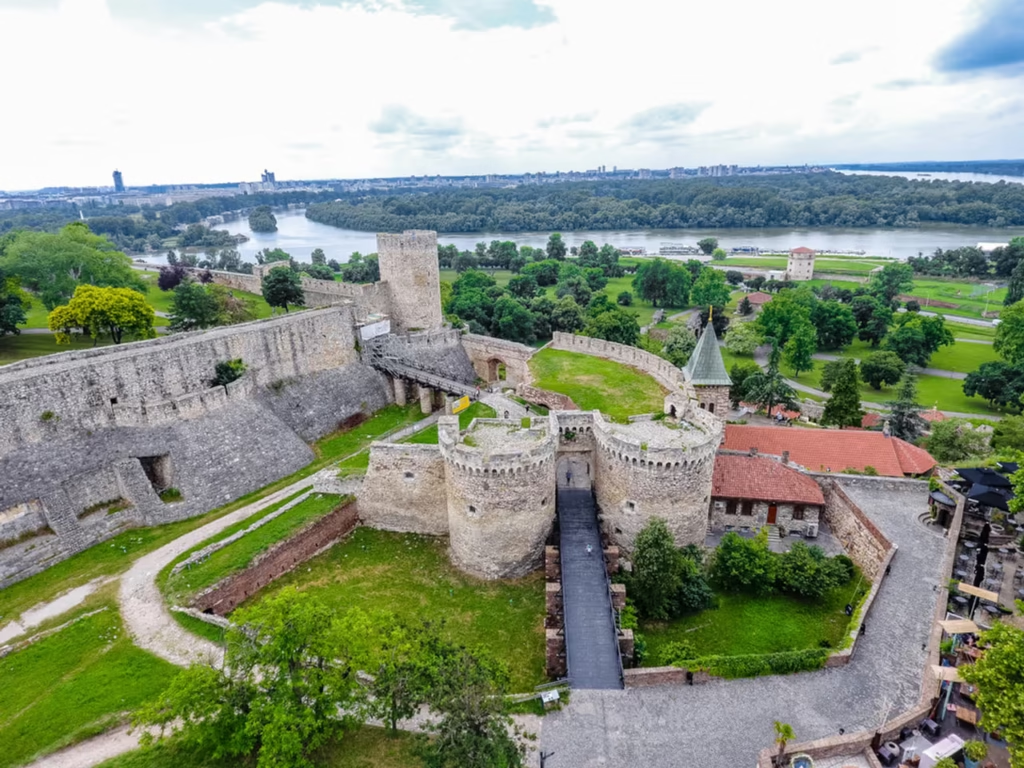
Serbia uses the Serbian Dinar rather than the Euro, which keeps prices anchored below regional averages. A craft beer in a Belgrade bar costs around €2–3. A full meal in the bohemian cobblestone restaurant quarter of Skadarlija runs €8–12 including wine.
Novi Sad, Serbia’s second city and the location of the Exit Festival each July, is worth a stop on the way north toward Hungary — a compact, manageable city with a good old town and the Petrovaradin Fortress overlooking the Danube.
TrotRadar Serbia cost guide:
- Guesthouse private room: €18–35/night
- Full restaurant meal: €6–10
- Beer at a bar: €1.50–2.50
- Daily total (comfortable budget): €35–55
Baltic States: Are Estonia, Latvia and Lithuania Still Affordable?
The Baltic states represent a slightly different budget proposition — EU and eurozone members, which makes them more expensive than the Western Balkans, but still significantly cheaper than Scandinavia and most of Western Europe.
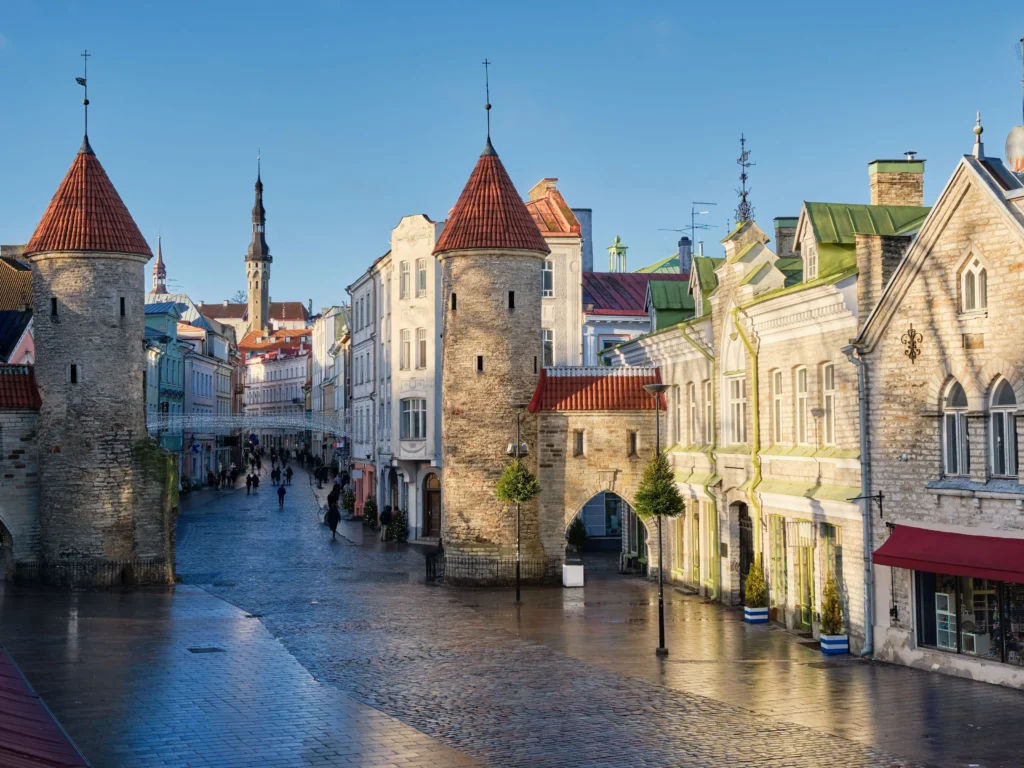
Tallinn (Estonia) has the best-preserved medieval old town in Northern Europe. The tourist concentration inside the walls means restaurant prices inside are elevated; one street outside, prices drop to genuinely local levels.
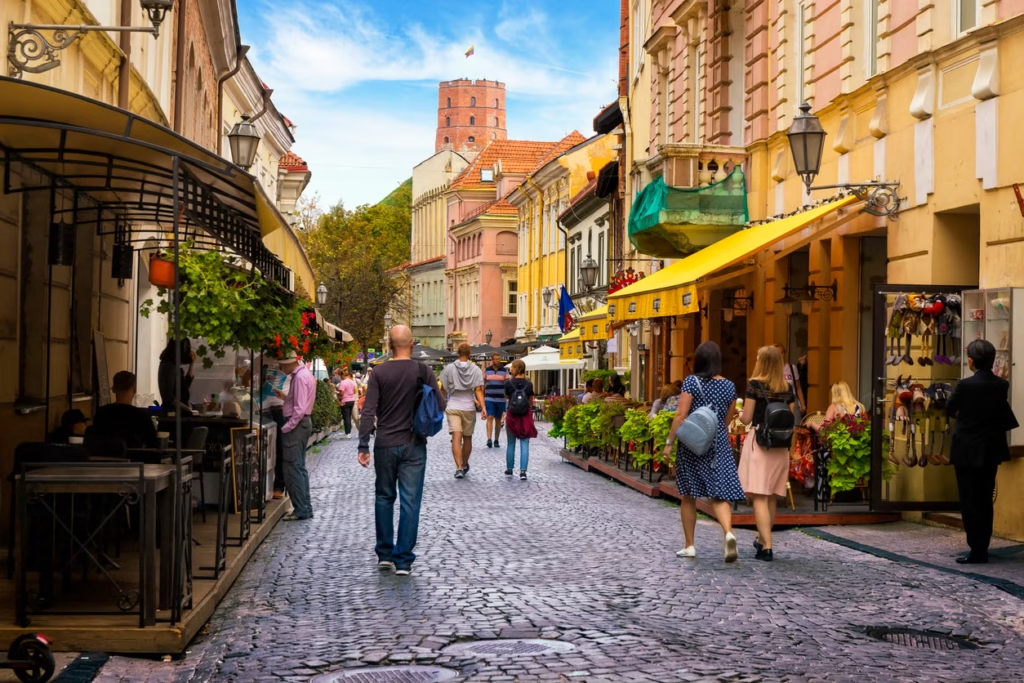
Vilnius (Lithuania) is consistently underrated relative to Tallinn and Riga — a larger city, with more going on culturally, a baroque old town of genuine beauty, and lower prices than Estonia. The Užupis neighborhood — a self-declared “republic” within the city limits, with its own tongue-in-cheek constitution posted on the wall — exemplifies the particular quirkiness that makes Vilnius a city that tends to generate outsized affection among people who visit it.
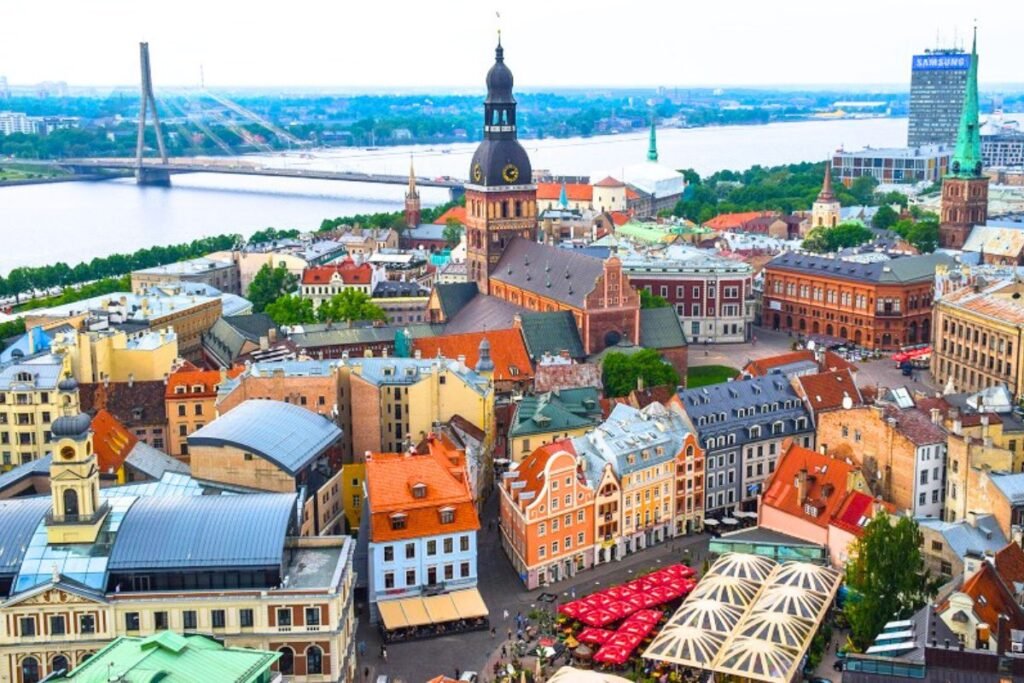
Riga (Latvia) is notable for its extraordinary collection of Art Nouveau architecture — over 800 buildings, one of the densest concentrations in the world — and a central market housed in enormous former Zeppelin hangars. For TrotRadar’s full architecture travel context, see our guide to the world’s best architecture destinations.
TrotRadar Baltics cost guide:
- Hostel dorm / budget guesthouse: €20–45/night
- Meal at a local restaurant: €8–14
- Beer at a bar: €3–5
- Daily total (comfortable budget): €55–80
How to Travel Europe Cheaply in 2026
Travel in the shoulder season. May, June, September, and October offer meaningfully lower accommodation prices than July and August in almost every European destination. The weather remains excellent in most of the countries listed here during these months.
Use buses between countries. FlixBus and regional bus operators connect the Balkans and Eastern Europe at prices that often undercut trains by 40–60%. The journey times are longer, but on overnight routes you save accommodation costs. TrotRadar’s full European budget transport guide covers when buses beat trains and vice versa.
Eat where the workers eat. Every city in this guide has a version of the workers’ lunch — a fixed-price midday meal that includes soup, a main course, and sometimes a drink for €3–6. Ask at any non-tourist-facing restaurant before noon.
Stay slightly outside the old town. Accommodation pricing in historic European cities correlates directly with proximity to the UNESCO core. A ten-minute walk out — often into neighborhoods that are more genuinely local and interesting — typically saves 20–40% on the room rate.
Use free walking tours as orientation. Almost every city in this guide has at least one tip-based free walking tour operator. They’re an excellent way to get oriented on the first day and find out where locals eat and drink.
The TrotRadar Bottom Line on Budget Europe
The cheapest countries to visit in Europe in 2026 are not the obvious ones — they’re not Spain or Portugal (both have inflated significantly), not Budapest (more expensive than it was), and certainly not anywhere in Western Europe. They’re the Western Balkans and a handful of Eastern European destinations where the economic gap from Western European price levels still translates into a real, material advantage for the traveler with a tight budget.
What you get in exchange for the lower price tag is frequently extraordinary: some of Europe’s most genuinely atmospheric cities, food cultures that have never needed to perform for foreign tourists, and the particular pleasure of traveling somewhere that doesn’t yet feel like it’s been designed for you. That window is always temporary. TrotRadar says: use it.
Discover Budget-Friendly European Travel Deals
TrotRadar regularly features discounted accommodation, transport passes, and package deals across Europe’s most affordable destinations — from Sarajevo guesthouses to North Macedonia lake stays.